
�a0
Among the habits we repeat unconsciously in daily life, some actions slowly damage dental health. Common examples include fingernail picking or biting, mouth breathing with the mouth open, and biting a straw while brushing your teeth. These habits are easy to dismiss because they do not cause immediate pain, but if they continue over a long period, they can lead to changes in tooth alignment, gum damage, and an increased risk of cavities and periodontal disease. Although teeth may look strong, they are vulnerable to continuous external stimulation and abnormal forces, so bad habits act as an important factor that affects the overall tooth structure and oral environment.
�a0
�a0
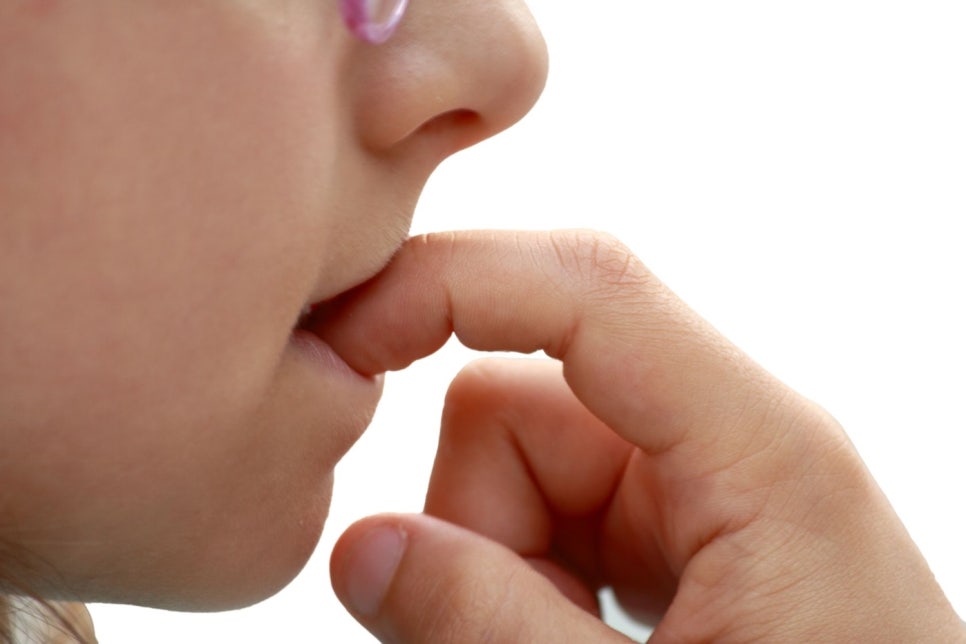
The habit of picking or biting fingernails repeatedly applies abnormal localized pressure to the teeth. This can accelerate wear on the front teeth or cause tiny cracks, and in severe cases, the tips of the teeth may chip or their alignment may shift. In addition, because fingernails carry various bacteria, repeated contact with the inside of the mouth can worsen the bacterial environment in the oral cavity. During the growth period, such habits can affect tooth alignment and bite formation, and in adults as well, they can lead to sensitivity in the front teeth or gum irritation. It may seem like a simple habit, but the burden placed on the teeth is by no means small.
�a0
�a0
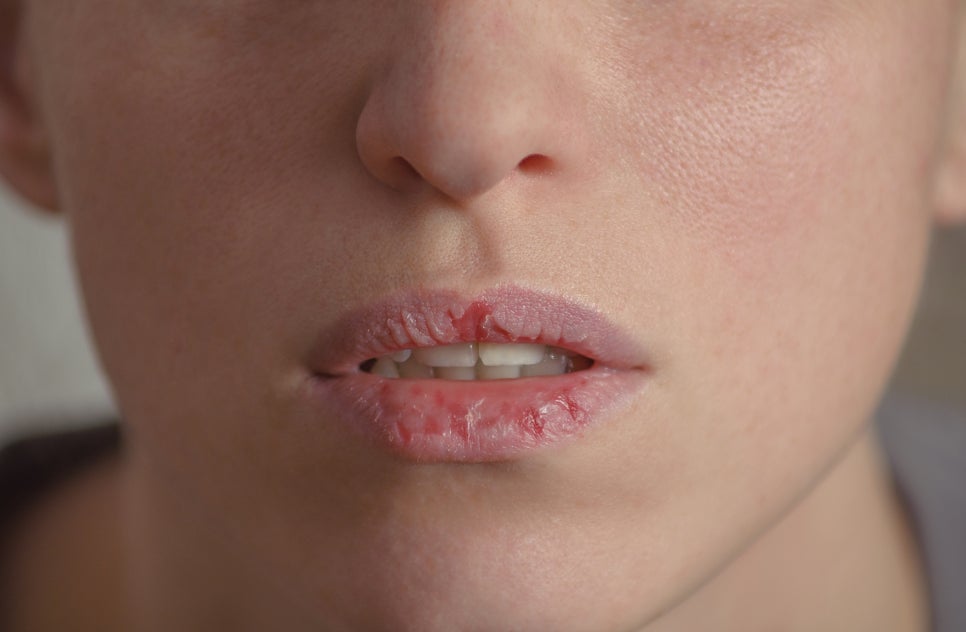
Mouth breathing is a habit that dries out the oral environment and increases the risk of cavities and gum disease. Normal nasal breathing helps purify the air and maintain humidity, but mouth breathing easily dries out the mouth. Saliva plays an important role in protecting the tooth surface and washing away bacteria. When saliva secretion decreases, plaque builds up more easily and gum inflammation is more likely to occur. In particular, if mouth breathing continues during sleep, you may wake up with a dry mouth and swollen gums in the morning, and over the long term, it can also lead to gum recession and bad breath.
�a0

�a0
Biting a straw while brushing is a relatively lesser-known bad habit, but it can cause unnecessary strain on the teeth and gums. Biting a straw or the handle of a toothbrush while brushing places continuous force on the jaw and teeth, which can create bite imbalance. In addition, brushing with the mouth excessively open can pull on the gums and cause irritation, and if repeated, it can also contribute to gum recession. In particular, when this behavior is combined with teeth grinding or clenching, it can further increase tooth wear and the burden on the temporomandibular joint.
�a0
To prevent dental problems caused by bad habits, it is necessary to recognize the habits and gradually correct them. Habits such as picking or biting fingernails are often related to stress, so finding an alternative behavior can help. If you breathe through your mouth, you should also check your sleeping position, nasal health, and living environment, and if you have symptoms of dry mouth, you should pay attention to water intake and oral care. Behaviors such as straw biting while brushing can be improved enough through conscious correction alone. Since dental health does not deteriorate overnight, correcting small habits is the most basic way to protect long-term dental longevity.
�a0
�a0