
The most common question people ask after undergoing teeth whitening at Gwanghwamun Dental Clinic is, “When can I drink coffee again?” Is it really necessary to give up your favorite drinks for a perfect white smile? Many people even hesitate to get the procedure because post-whitening care seems too complicated. But realistically, completely cutting out coffee from everyday life is not easy for modern people. Fortunately, there are ways to maintain whitening results for a long time without giving up the simple pleasures of daily life. The important thing is not absolute restriction, but knowing the right way to manage it. From here, we will explain in detail the realistic post-whitening care methods recommended by dental professionals.
The first 48 hours after whitening: the most important golden time
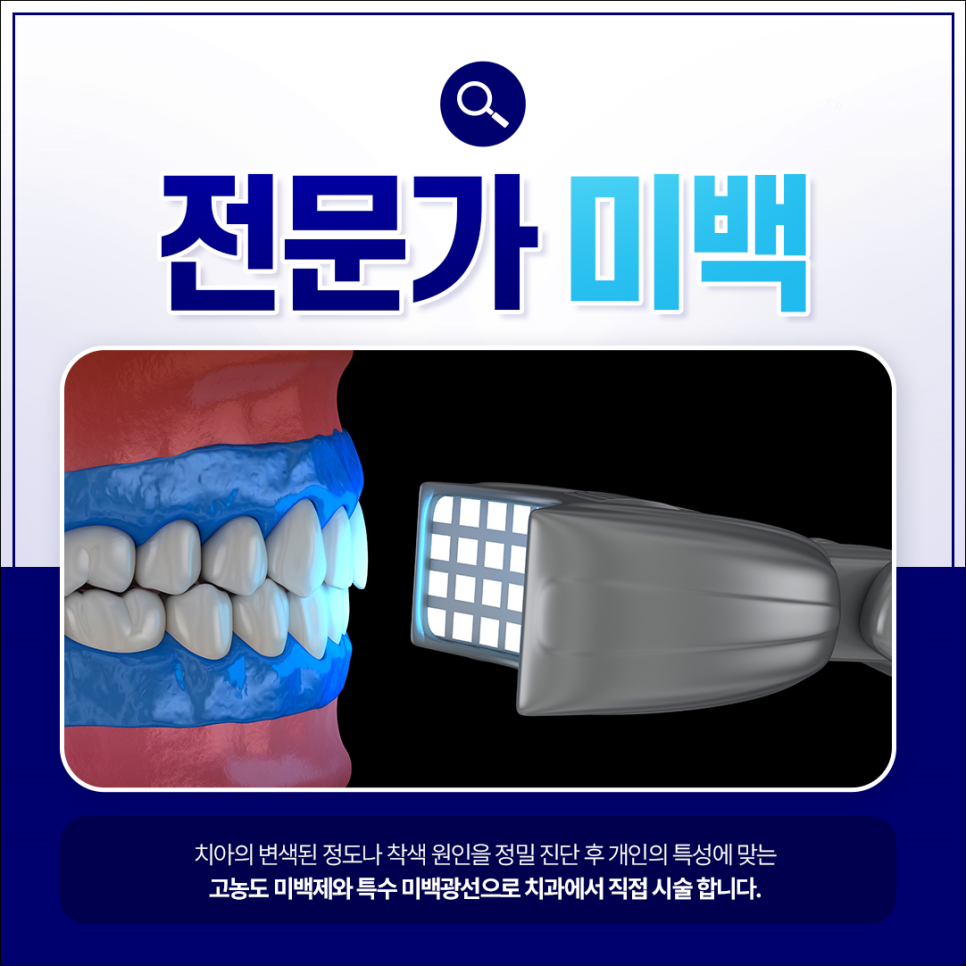
The 48 hours after teeth whitening at Gwanghwamun Dental Clinic are called the “white diet” period. This period is especially important because the tiny pores on the surface of the teeth are open, making discoloration most likely to occur. The hydrogen peroxide used in the whitening process temporarily removes the pellicle layer on the tooth surface, leaving the teeth highly vulnerable to external substances. It is similar to a freshly painted wall, which is easily affected by outside elements before it has fully dried. Therefore, during this period, it is best to avoid coffee, wine, green tea, black tea, and strongly colored foods such as curry, tomato sauce, soy sauce, chocolate, and cola. Smoking should also be completely avoided during this time. Foods that can be eaten during the white diet period include white fish, chicken breast, tofu, rice, milk, bananas, and potatoes. If you manage these 48 hours carefully, the duration of your whitening results at Gwanghwamun Dental Clinic can differ by several months or more. Even if it is a little inconvenient, we strongly recommend following this period strictly.
Smart coffee habits starting one week later
One week after whitening at Gwanghwamun Dental Clinic, the tooth surface becomes somewhat stabilized and the pellicle layer begins to form again. From this point on, you do not need to completely avoid coffee, but paying attention to how you consume it can help maintain the whitening effect much longer. The most effective method is to use a straw. Using a straw minimizes direct contact between coffee and the front teeth, significantly reducing staining. For iced coffee as well as warm drinks, it is helpful to use a tumbler that allows straw use.
After drinking coffee, make it a habit to rinse your mouth with water right away. Simply holding water in your mouth for about 30 seconds and gently rinsing can remove a substantial amount of surface staining.
If possible, brushing within 30 minutes after drinking coffee is best, but since teeth may still be a bit sensitive right after whitening, be careful not to brush too hard. Use a soft toothbrush and gently brush as if sweeping the tooth surface. The same principle applies to red wine, but you should not assume white wine is safe. The acidic components in white wine can weaken the tooth surface and actually make staining easier. It is also a good idea to set specific times of day for drinking coffee. Rather than sipping small amounts throughout the day, drinking it once or twice and rinsing with water each time is better for dental health.
Sensitivity after whitening
Tooth sensitivity after whitening at Gwanghwamun Dental Clinic is a normal reaction experienced by most people. This happens because the whitening ingredients act on the dentinal tubules inside the tooth, temporarily increasing nerve sensitivity. In particular, the sensation may become stronger when drinking cold water, being exposed to cold wind, or eating sweet foods. In most cases, symptoms improve within 2 to 3 days, and although it varies from person to person, they usually disappear within a week at most. If sensitivity lasts more than 2 weeks or the pain gradually becomes worse, it is best to contact the dental clinic. In rare cases, tiny cracks or cavities that existed before whitening may be irritated during the whitening process and cause symptoms.
To help reduce sensitivity, it is effective to use fluoride toothpaste or products designed for sensitive teeth. In particular, products containing potassium nitrate or strontium chloride help block the dentinal tubules and reduce sensitivity. When brushing, use lukewarm water, and it is better to avoid foods that are too cold or too hot for about a week.
A sustainable whitening routine in a busy daily life
Perfect daily care is realistically difficult, but even practicing a few key habits can help maintain the whitening results from Gwanghwamun Dental Clinic for a long time. The simplest and most effective method is to rinse your mouth with a sip of water after drinking colored beverages. Even while out or in a meeting, a sip of water is enough, so it is not burdensome. There are even research findings suggesting that this alone can remove more than 70% of the pigments that would otherwise stain the tooth surface.
Smoking is the factor that reduces whitening results the fastest. Once the tar and nicotine in cigarettes penetrate deep into the teeth, they are difficult to remove with ordinary methods. If quitting smoking is difficult, at the very least you should rinse your mouth with water after smoking and try to reduce the number of cigarettes as much as possible. Whitening toothpaste is a useful tool, but you need to know how to use it properly.
It is appropriate to use it about 2 to 3 times a week, and using it every day may wear down the tooth surface and actually make staining easier. For everyday use, use regular toothpaste or toothpaste for sensitive teeth, and use whitening toothpaste as a supplement. Getting professional scaling every 3 months is also important. Scaling not only removes tartar, but also helps remove light surface stains on the teeth, making it very helpful for maintaining whitening results.

Generally, the effects of professional whitening at Gwanghwamun Dental Clinic last about 6 months to 2 years. The duration varies greatly depending on a person’s eating habits, oral hygiene, and whether they smoke. If you drink coffee more than 3 times a day and smoke, the effect may diminish significantly in about 6 months; if you manage things well, it may last close to 2 years. The important thing is to get a touch-up before the whitening effect disappears completely.
It is much more effective to do a touch-up when slight discoloration begins than to whiten again after the teeth have returned completely to their original color. You can achieve the desired result in about half the time of the initial procedure, and the cost is greatly reduced. At the dental clinic, you can be prescribed whitening products for home care. This involves receiving a custom tray and whitening gel to manage whitening at home, and using them for a few days every 3 to 6 months can help maintain the effect continuously. There are also whitening products sold commercially, but products prescribed by a dental clinic are safer and more effective. This is because you can receive guidance on the concentration and usage method based on your individual dental condition. Managing discoloration early is always easier and more economical than waiting until it becomes severe.
Even after teeth whitening at Gwanghwamun Dental Clinic, there is no need to give up your favorite coffee and wine completely. Just be careful during the first 48-hour golden period, and then make only small changes to how you consume them. Simple habits like using a straw and rinsing with water after drinking can make a big difference. Sensitivity is usually temporary, so do not worry too much, but if it lasts more than 2 weeks, consult the dental clinic. Whitening toothpaste can help, but excessive use may be harmful, so it is important to use it only about 2 to 3 times a week and maintain basic care with regular scaling. Above all, getting a touch-up before the whitening effect from Gwanghwamun Dental Clinic disappears completely is the most economical and effective long-term approach. If you find realistic care methods that fit your lifestyle and practice them consistently, you can maintain a bright smile for a long time.










Previous image
Next image