Do your gums bleed when you brush your teeth?

Experiencing bleeding from the gums while brushing is something many people have gone through at least once. Because of this, it is not uncommon to dismiss it as simply, “Maybe I brushed too hard.” However, gum bleeding may be just a temporary response to irritation, but it can also be a sign that something is wrong with oral health. In particular, if bleeding happens repeatedly in a specific area or appears along with pain or swelling, it is difficult to see it as only a matter of brushing habits. Since the gums are the tissue that supports the teeth, even small changes can reflect the overall condition of oral health.
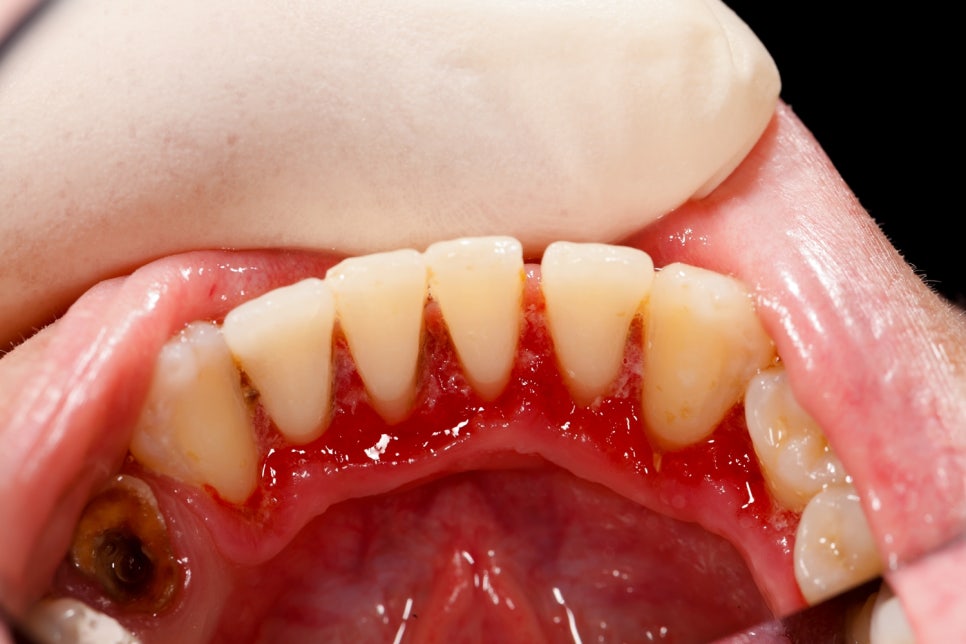
One of the most common causes of gum bleeding is poor brushing habits. If the bristles are too hard or if you brush by scrubbing with too much force, tiny wounds can form on the gums. Also, if you continue using a toothbrush past the time it should be replaced and the bristles have spread out, they can scratch the gums and cause bleeding. In such cases, simply changing to a gentler brushing method and checking the condition of the toothbrush often reduces bleeding. If it appears temporarily and then quickly goes away, the cause is likely relatively simple.
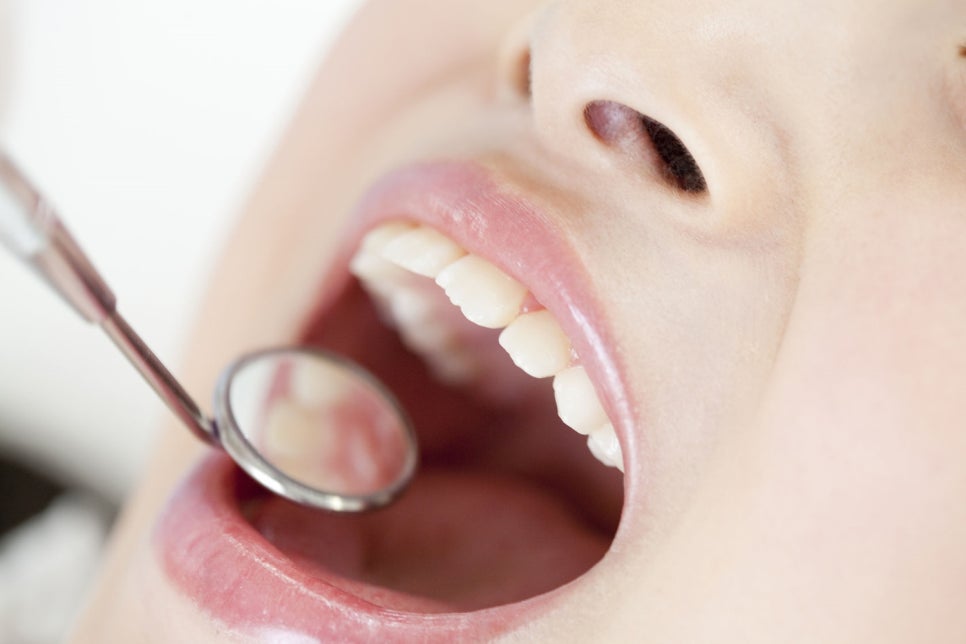
Repeated bleeding, a warning sign from the gums
The problem is when gum bleeding repeats as if it were a habit. If blood comes out every time you brush, or bleeding occurs even without touching the gums, it may be worth considering the possibility of inflammation in the gums. Plaque and tartar accumulated between the teeth and gums continuously irritate the gums and trigger an inflammatory response. If this condition continues for a long time, the gums become weakened and bleed easily even with minor irritation. Bleeding can be a sign that the gum tissue has already become sensitive.
Accompanying symptoms that appear along with gum bleeding
To determine whether gum bleeding is a simple issue or a warning sign, it is important to look at the symptoms that appear along with it. If the gums are swollen or have become darker in color, inflammation may be in progress. Bad breath getting worse or not feeling fresh for long even after brushing should also be noted. If you feel that the gums have receded or that spaces between the teeth have widened, it may be a sign that gum health has weakened. These changes often appear together with bleeding.
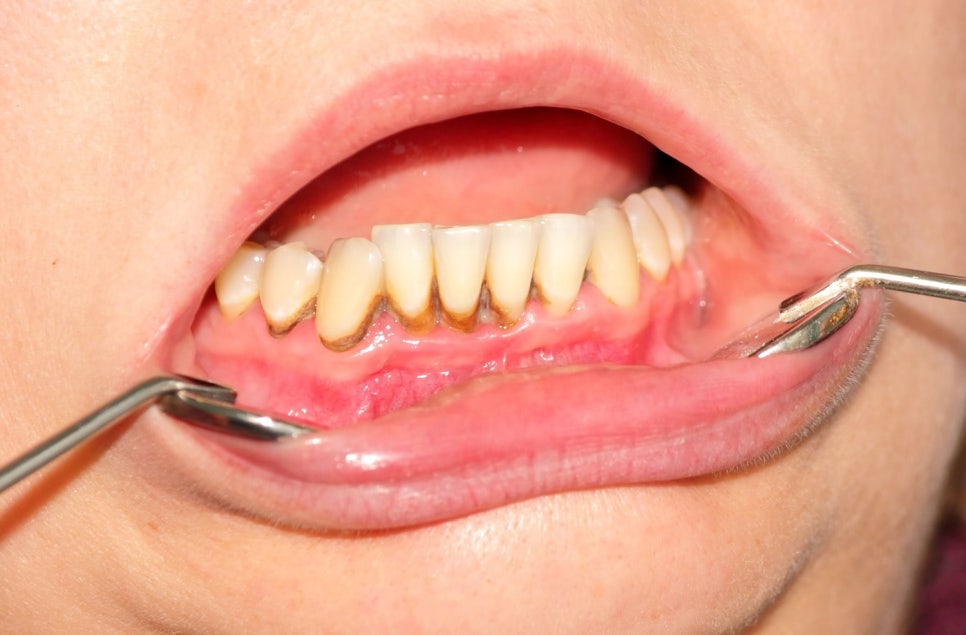
The first thing to check to reduce gum bleeding is your brushing habits. It is important to brush gently along the boundary between the gums and teeth without using force, and choosing a toothbrush that causes less irritation to the gums is helpful. Using dental floss or interdental brushes together to clean between the teeth can also reduce the residue that causes gum irritation. Above all, rather than accepting gum bleeding as a “normal” occurrence, it is necessary to see it as a signal to check the condition of your mouth.