Hello, this is Gangnam Leon Dental Clinic😊
In our previous post, we introduced gum grafting with cases of gum graft treatment for gum recession.
Today, let’s take a look at the types of gum grafting and recovery and care after gum grafting!
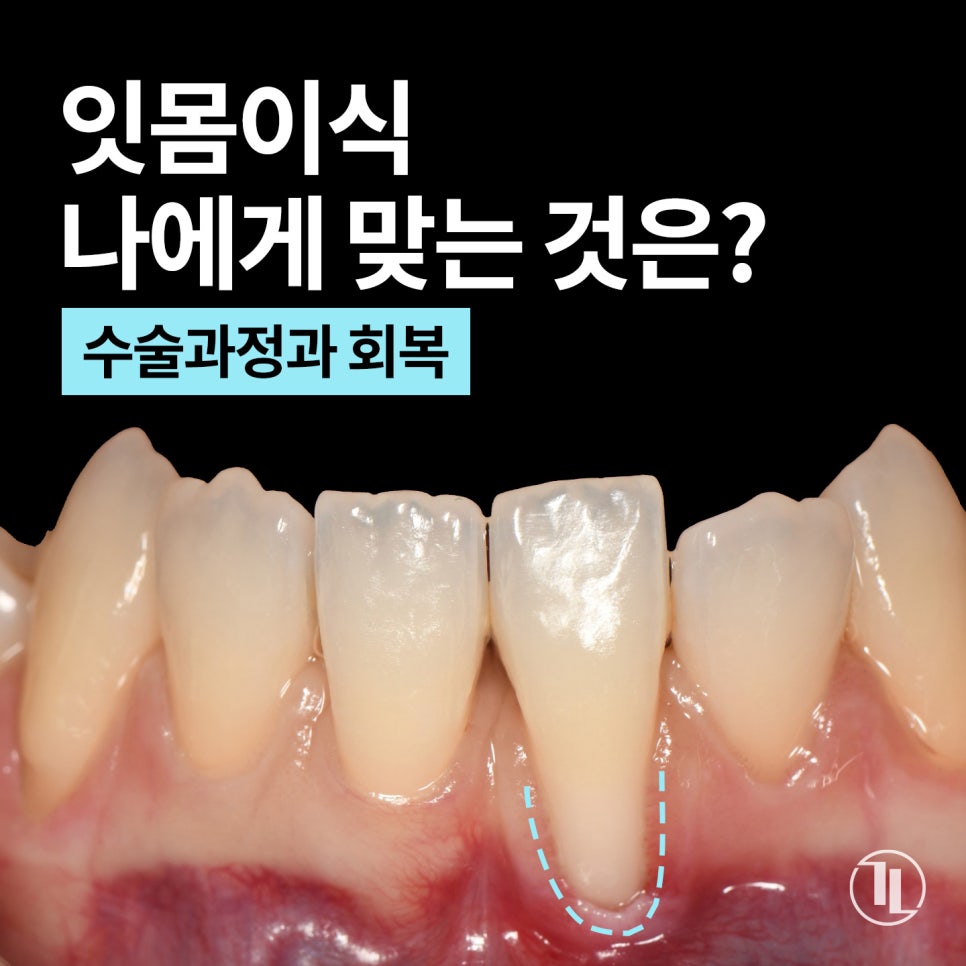
Types of Gum Grafting
The representative types of gum grafting are
Free Gingival Graft (FGG) and
Connective Tissue Graft (CTG).
What treatment is right for me?
Depending on the condition of the gums and the purpose, one of the two treatments is selected through consultation and carried out.
✅ Free Gingival Graft (FGG)
This method removes the surface gum tissue (keratinized gingiva) from the palate and grafts it to the needed area.
Because keratinized gingiva is firm gum tissue,
it increases the stability between the teeth and gums.
🔹Advantages: Effective for strengthening the gums because of the keratinized gingiva
🔹Disadvantages: Aesthetics may be relatively less favorable
▼
This method is mainly chosen to strengthen the gums around implants
and to help prevent severe gum recession.
✅ Connective Tissue Graft (CTG)
This method collects only the inner tissue (connective tissue) from the palate
and grafts it to the needed area.
🔹Advantages: Maintains a natural gum color after grafting,
so it is aesthetically pleasing,
has an excellent success rate, and recovers quickly
🔹Disadvantages: The surgical process is relatively more complex
▼
This method can be chosen for front teeth where aesthetics are important,
or when there are sensitive-to-cold symptoms due to gum recession,
or when natural gum recovery is needed.
Cases Where Gum Grafting Is Needed
Gum grafting is a treatment that protects exposed tooth roots by grafting healthy gum tissue when gum recession has occurred.
Gum recession can be caused by periodontal disease, brushing too hard,
genetic factors, and more.
If left untreated, the teeth can weaken
and sensitivity may become more severe.
✅ Sensitive teeth due to exposed tooth roots
✅ Aesthetic concerns caused by gum recession
✅ Gum tissue reinforcement before implant treatment
How Gum Graft Surgery Is Done
To briefly explain gum graft surgery,
it proceeds through the following steps.
1️⃣ Anesthesia
The procedure is performed after local anesthesia.
2️⃣ Tissue Harvesting
A small piece of gum tissue is taken from the patient’s palate.
3️⃣ Grafting
The harvested tissue is grafted to the needed area
and sutured.
4️⃣ Recovery
Over a certain period, it heals and becomes established as healthy gum tissue.
The surgery usually takes about 30 minutes to 1 hour or more,
and after the anesthesia wears off, there may be some pain and discomfort.
Complete recovery takes about 1 to 3 months.
▼For detailed surgery steps▼
You can check them through the link below!
Precautions After Gum Grafting
After gum grafting, the following precautions
must be kept in mind!
To achieve good results, you need to create an environment that allows recovery after surgery.
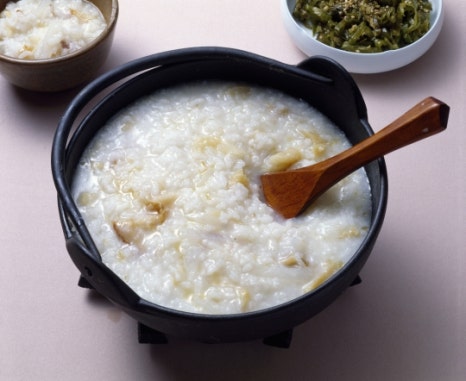
✅ Diet management
Avoid spicy foods as much as possible,
maintain a soft diet when possible,
and mainly consume soft foods.
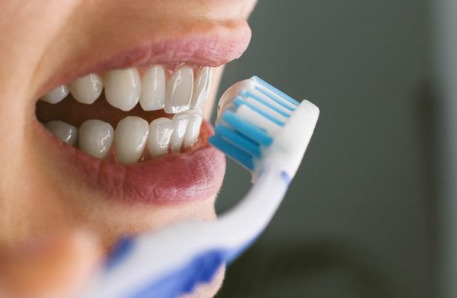
✅ Brushing and oral care
Avoid direct irritation to the treated area
and brush carefully
with a soft toothbrush.
✅ Restrict smoking and cigarettes
Because they can interfere with blood circulation
and delay recovery,
alcohol and smoking are prohibited for at least 2 weeks.
✅ Follow-up visits are essential
Check the progress and see whether additional treatment is needed.
Gum grafting improves gum health and
is an important treatment that protects the teeth
in both aesthetic and functional ways.
If you are considering gum grafting,
please feel free to contact us anytime!
We will consult with you about any questions you may have!
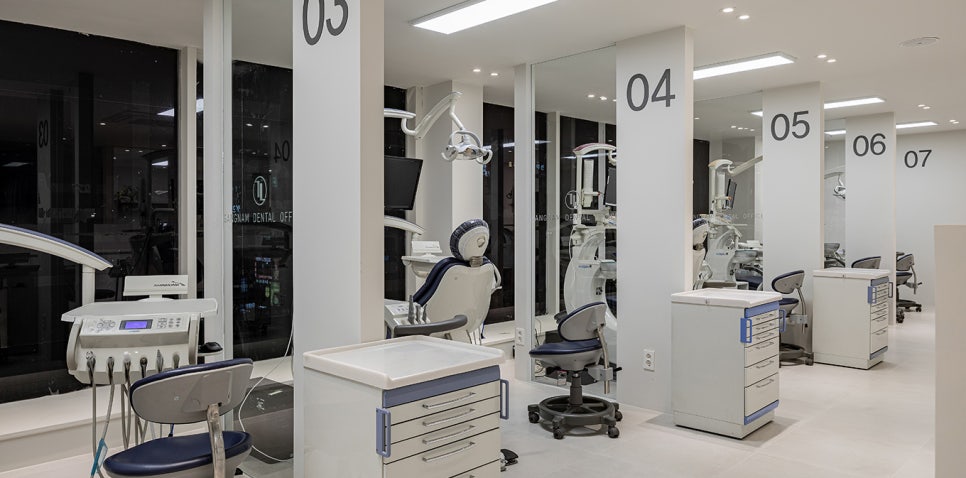
Gangnam Leon Dental Clinic
has started Sunday treatment!
Visit Gangnam Leon Dental Clinic,
which offers weekend treatment,
and protect your oral health!😁





Previous image
Next image