I’m Kim Hankeol, the chief director of Smileview Dental Clinic, here to give you the gift of “a beautiful smile that suits you best.”
When you smile brightly, what do you notice first on our face? There are various features such as the eyes and nose, but I think the teeth (mouth), which move the most, stand out most clearly.
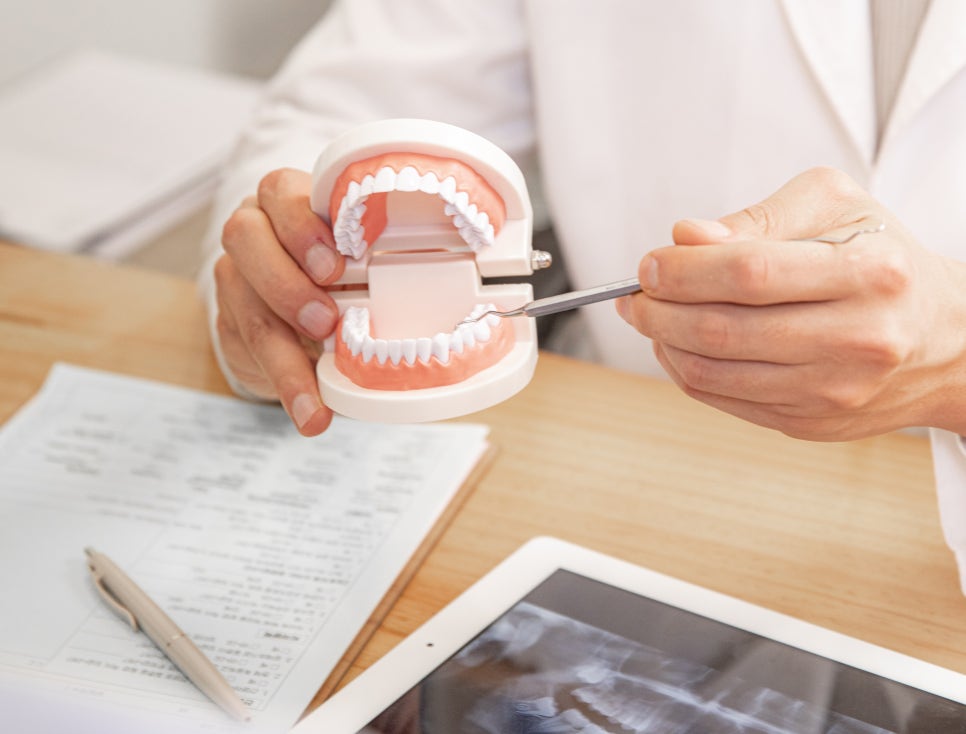
At this time, if the front teeth that are visible are yellowish or spaced apart, they are likely to harm the overall appearance. Because of this, many people these days consult about and receive laminate treatment to improve the aesthetics of the front teeth.
Today, I’ll explain in detail who is suitable for front tooth laminate and the difference between the two treatment methods: no-prep and minimal-prep.
Nonhyeon-dong laminate: Is it possible for front teeth?
The definition of laminate and treatment candidates
Definition of laminate

Laminate is a treatment method in which a thin laminate tip made of ceramic or resin material is applied to cover the surface of a tooth thinly, and it is usually used to correct the tooth’s color, shape, size, alignment, and more.
Among these, laminate is the dental treatment most commonly applied to front teeth.
After all, the teeth most directly visible to others are the front teeth, and if those front teeth stand out when smiling or speaking, it can reduce aesthetic appeal, so they naturally draw more attention.
So, who usually undergoes front tooth laminate? The recommended candidates are as follows.
Recommended candidates for front tooth laminate
When the teeth are severely discolored and look yellowish
When the front teeth are unusually gapped or overlapped
When the front teeth are slightly misaligned
When the surface of the front teeth is rough or has slight cracks
When old resin restorations or prosthetics are discolored or worn down and hurt the appearance
In addition, front tooth laminate may be performed for various other reasons.
However, even if you fall into the categories above, depending on each person’s oral and dental condition, another treatment may need to be performed instead of laminate.
For this reason, we recommend that you first receive a consultation from the medical staff and then decide on treatment.
What is the difference between no-prep and minimal-prep in Nonhyeon-dong laminate?
No-prep laminate vs. minimal-prep laminate

If you search for laminate online, there are two terms you can easily find.
They are “no-prep laminate” and “minimal-prep laminate.” Have you ever wondered what makes no-prep and minimal-prep different enough to be distinguished this way?
These two are different treatment methods and processes, so it is best to know their clear differences, advantages, and disadvantages.
- No-prep laminate
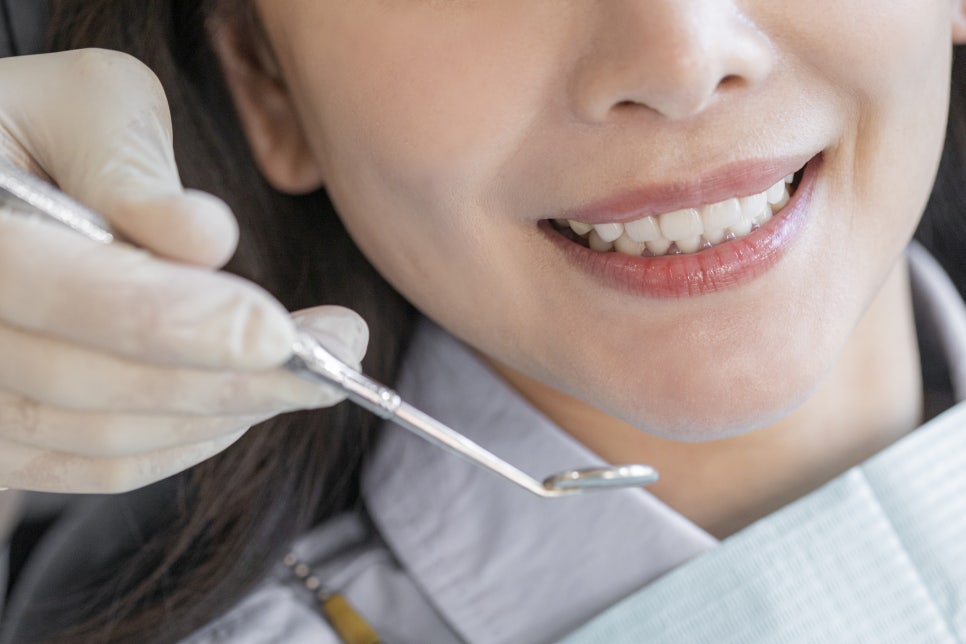
No-prep laminate is a treatment method in which the tooth is shaped without any tooth reduction at all, and then the laminate is attached to the tooth surface.
Because there is no tooth reduction process, it is good for preserving the original natural tooth shape, there is no anesthesia process so post-procedure sensitivity is low, and recovery to daily life is very fast.
However, the bonding strength may be weaker than that of regular laminate, so it may come off more easily, and the tooth thickness may become slightly thicker than the current natural tooth.
Above all, because each person’s tooth alignment is different, it is not a procedure that can be applied to everyone, and depending on the condition of the teeth and oral structure, no-prep laminate may be difficult to perform.
- Minimal-prep laminate
Minimal-prep laminate is a treatment method that compensates for the drawbacks of no-prep laminate, which can come off easily and be too thick, by adjusting the axis of the tooth and selectively reducing parts of protruding teeth.
In other words, it is a method of minimally reducing the tooth while considering the bite.
Because it aims for both mechanical bonding and chemical bonding and can modify the shape as much as possible, it is currently the method preferred by the largest number of people among laminate treatment methods.
However, even if the amount removed is very small, the process of reducing the original natural tooth still causes some damage or irritation, and post-procedure sensitivity is higher than with no-prep laminate.
Also, because detailed reduction work and custom fabrication are required, the cost may be higher depending on the condition.