I am Kim Han-gyeol, the CEO dentist of Smile View Dental Clinic, who gives you “a beautiful smile that suits you best.”
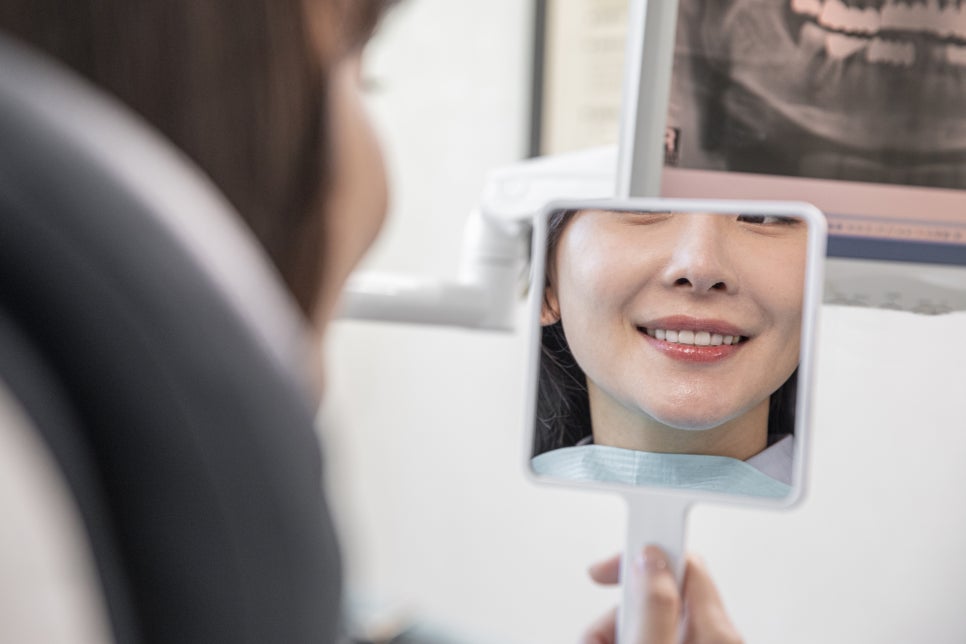
Regardless of age or gender, people’s interest in appearance is increasing every day. In an era when many people carefully pay attention not only to how they look but also to aesthetic details in the mirror, many are considering cosmetic dentistry or smile improvement and wondering whether “veneers” or “crowns” would be the more suitable treatment.
Although these two treatments may seem similar, they differ clearly in the situations in which they are applied, the treatment methods, and even in their aesthetic and functional aspects.
So what exactly is the difference, and which treatment is right for me?
Today, I’ll explain those differences clearly and help you choose the option that fits your situation.

What is the difference between veneers and crowns at a Sinnonhyeon Station dental clinic?
What is the difference in treatment method?
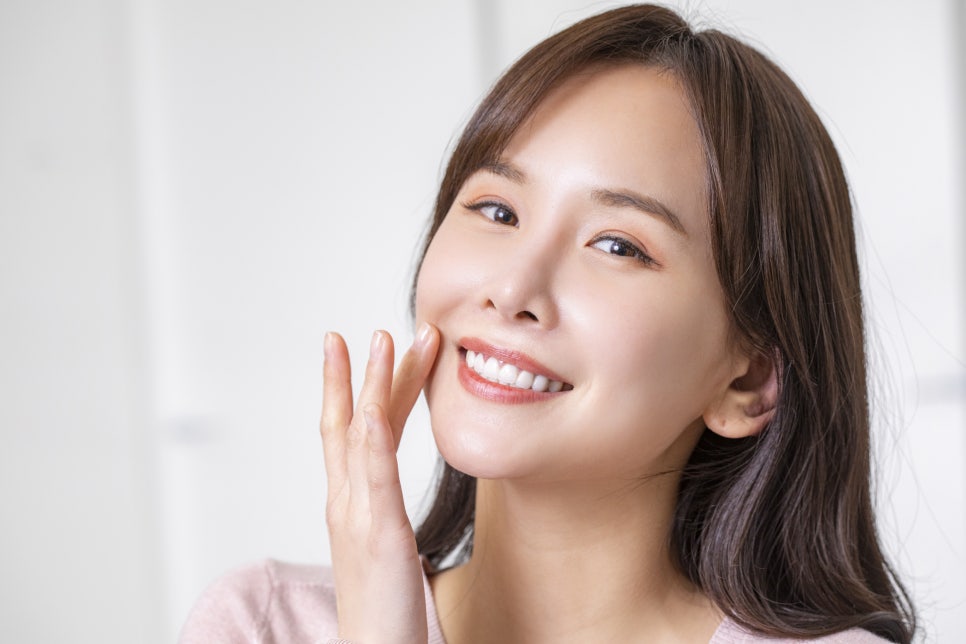
First, veneers are a treatment in which only the outer surface of the front teeth is minimally shaved down before a thin porcelain shell is bonded to them. Because the entire tooth is not shaved down, natural tooth structure can be preserved as much as possible, and the treatment has the advantages of less pain and a shorter recovery period. It is mainly used for front teeth that have changed color, have gaps, or have asymmetrical shapes.
By contrast, a crown is a treatment that covers the entire tooth to reinforce and protect it when the tooth structure has been damaged by cavities or trauma. Although a large portion of the tooth must be removed overall, it offers excellent structural stability and is effective for restoring function. It is more invasive than veneers, but it is often used when replacing old prosthetics or when a tooth has weakened after root canal treatment.
Treatment with aesthetics and natural appearance in mind
Because veneers are made from thin, translucent ceramic material, they can create an appearance that is very similar to the way natural teeth reflect light. As a result, they can produce a bright and harmonious smile, like a Hollywood smile, and because color and tooth alignment can be adjusted in detail, aesthetic satisfaction is very high.
Crowns can also have a natural aesthetic appearance when made of ceramic, but crowns that include metal may appear dark along the gum line. In particular, if they are applied to front teeth, they can give an artificial impression if not crafted precisely. However, recently, more crowns are being made with premium materials such as zirconia, which can satisfy both aesthetics and strength at the same time.
Let’s look at who they are for and the criteria for choosing treatment
Are you 고민 and deciding between veneers and crowns?
Then what treatment is right for you?
If the tooth structure is healthy and the main goal is an aesthetic improvement, veneers may be suitable. For example, if teeth are yellowed, there are spaces between teeth, or the shape of the front teeth is not uniform, veneers can provide a natural-looking improvement.
However, caution is needed if you have severe teeth grinding or clenching habits, as there is a risk of damage.
On the other hand, if the tooth has suffered major structural damage, such as a fracture, a large cavity, or having undergone root canal treatment, crown treatment is appropriate. In particular, for areas that take a strong chewing force, such as molars, crowns can withstand stress longer than veneers, which is why crowns are more often used for molar treatment.

In addition, crowns can also be an effective treatment option when replacing existing prosthetics. However, because each person’s oral and maxillofacial structure and circumstances are different, the treatment method should be chosen by comprehensively considering various factors.
Today, we looked at the differences between veneers and crowns.
Veneers are treatment focused on aesthetics, while crowns are treatment focused on structure and function. Rather than saying one treatment is “better,” the best choice can vary depending on the condition of the individual’s teeth and their goals.