I am Kim Han-gyeol, the head dentist at Smile View Dental Clinic, which gives you “a beautiful smile that suits you best.”
For those who hear a clicking sound from the jaw or feel an unexplained stiffness and discomfort in the jaw, you may be wondering why these symptoms occur.
Some people even visit Shinnonhyeon Dental Clinic for a consultation about this.

Many people simply leave it alone, thinking they have just been using their jaw too much, but did you know that these symptoms can be an early sign of a temporomandibular joint disorder?
Today, at Shinnonhyeon Dental Clinic, I will explain in detail everything from the causes of jaw joint sounds and pain to treatment methods and everyday management.
Causes of Jaw Joint Pain and Sounds Diagnosed at Shinnonhyeon Dental Clinic
Abnormal disc position and joint wear in the jaw can lead to pain and sounds.
The “click” or “pop” sound that occurs when opening the mouth or chewing food is often caused by the disc inside the temporomandibular joint not being in the correct position.
The disc is a cartilage tissue that cushions impact between the jawbone and the skull, and when it moves forward or rotates due to various causes, it interferes with joint movement.
At this time, friction occurs inside the joint every time the jaw moves, resulting in a clicking sound.
The problem is that this sound does not end as just an annoying noise. If the abnormal disc position repeats, inflammation can develop inside the joint, and over time the bones and cartilage begin to wear down.

In particular, if you hear a rough, crackling, or sand-grinding sound near the ear, there is a high chance that the bones are already rubbing against each other.
If this condition is left untreated, jaw movement can become restricted, and the mouth may open less than before or become difficult to open at all, leading to what is called “limited mouth opening.”
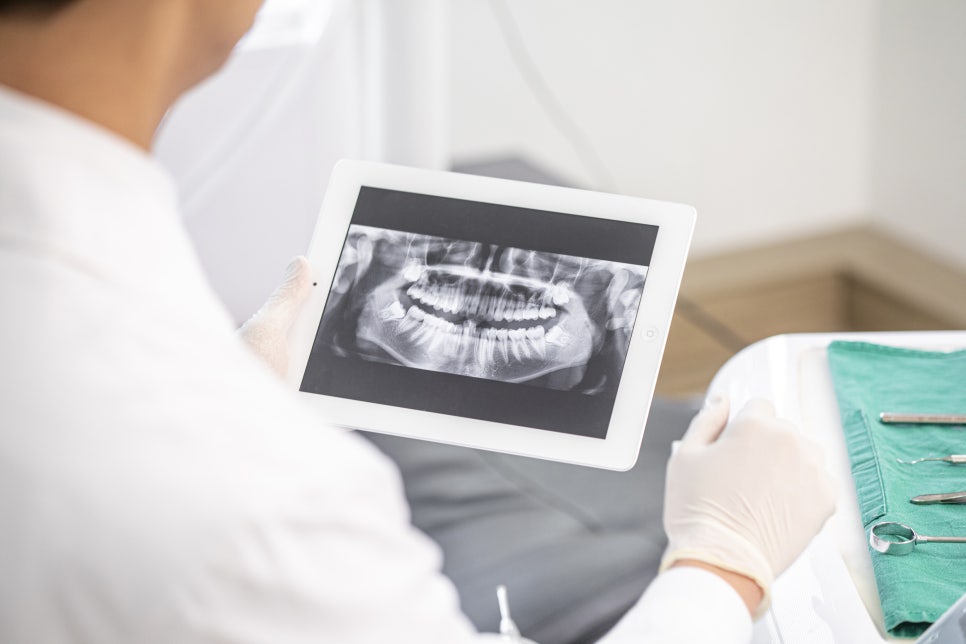
If the sound repeats or you feel discomfort when moving your mouth, it is important to get examined, even at an early stage.
Everyday Causes of Jaw Joint Pain
Repeated habits done without thinking can put stress on the jaw joint.
The causes of jaw joint pain are closer than you might think. A typical one is excessive mouth opening. For example, repeatedly trying to eat large, hard foods like hamburgers, cream buns, or baguettes, or yawning very widely, can place strong, sudden pressure on the joint.
The temporomandibular joint is one of the most frequently used joints in the body, but it is also a very sensitive structure, so it can be damaged even by a single overexertion.
Another common cause is unconscious teeth grinding during sleep or the habit of clenching the teeth tightly.

Even if the jaw rests throughout the day, the muscles often tense up unconsciously while sleeping at night, causing pressure on the jaw.
When this habit repeats, you may wake up with jaw stiffness or discomfort when opening your mouth, because the muscles and joints around the jaw have been under continuous tension all night.
Another important factor is stress. When under psychological stress, people often develop the habit of tensing their jaw.

In particular, people often clench their teeth unconsciously when concentrating, feeling angry, or becoming tense, and when this habit accumulates, it can cause minor damage to the cartilage and bones of the jaw joint.
As such, it is important to recognize that everyday actions and emotional responses affect jaw joint health, and to make a habit of avoiding unnecessary tension in the jaw.
Useful Information on Temporomandibular Joint Treatment
Is temporomandibular joint treatment covered by insurance?
Temporomandibular joint treatment does not begin with complicated or expensive procedures from the start.
Most dental clinics that provide temporomandibular joint treatment first begin with simple medication and physical therapy based on the patient’s symptoms and lifestyle habits, so the financial burden is relatively low.
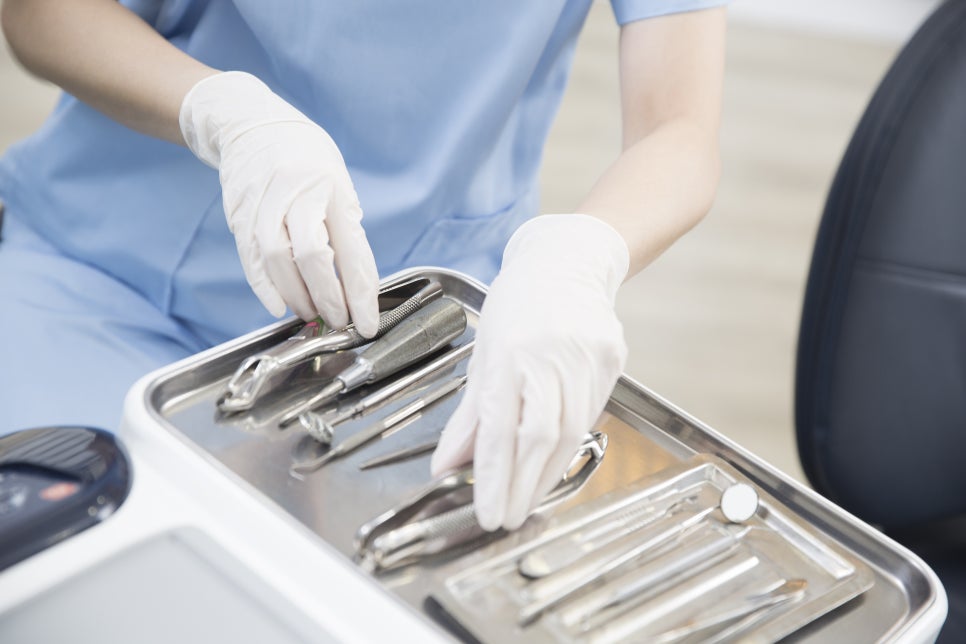
The prescribed medications include anti-inflammatory pain relievers to reduce inflammation around the temporomandibular joint and muscle relaxants to ease tense muscles. When these are combined with physical therapy such as heat therapy, ultrasound therapy, and laser stimulation, most early symptoms tend to improve within 1 to 2 weeks.
All of these first-line treatments are covered by national health insurance, so treatment can begin without financial burden.
However, if symptoms have lasted a long time or are accompanied by repeated stimulation such as habitual teeth grinding or clenching, medication alone has limitations in reducing the physical stress placed on the jaw.

In such cases, conservative treatment can be carried out together using a custom-made splint device or Botox treatment that lowers the force of overly tense jaw muscles, helping to distribute the pressure on the jaw more effectively.
How to Manage Jaw Pain in Daily Life
Simple warm compresses and stretching can help relieve pain.
When the temporomandibular joint hurts or feels heavy, you can help ease symptoms through self-care before visiting a hospital or at an early stage.
The most recommended method is a warm compress.
Soak a clean towel in water, heat it in the microwave for about 1 minute and 30 seconds, then wrap it around the jaw or shoulder area and hold it there.
This increases blood flow to the area and relaxes the muscles, which can temporarily relieve pain.

It is best to apply a compress 2 to 3 times a day for about 5 to 10 minutes each time.
Simple stretching can also help. A representative exercise is to keep the tongue pressed to the roof of the mouth while saying the “ng” sound and slowly lowering the lower jaw.
This exercise is effective because it gently loosens the surrounding muscles without placing direct strain on the jaw, and it can greatly help not only with simple joint pain but also with easing jaw tension.

However, if jaw movement is severely limited or the pain is intense, do not force it. First, we recommend visiting a clinic that provides temporomandibular joint treatment to check the cause.
Do not dismiss temporomandibular joint treatment as something minor.
Even if it seems like a simple symptom, professional diagnosis and treatment are necessary.
Sounds or pain in the temporomandibular joint may seem like a minor issue on the surface, but behind it there are often multiple factors working together, such as abnormal disc position, joint wear, and muscle tension.

The problem is that if these early warning signs are missed and left untreated, symptoms can worsen over time, leading to a longer treatment period and more complex treatment methods.
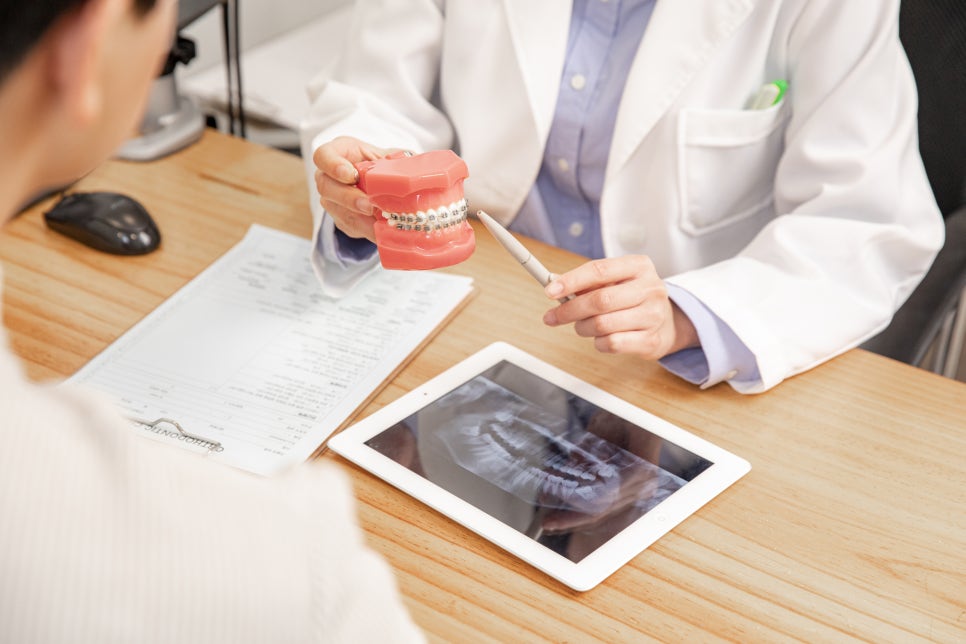
That is why, if your jaw hurts or makes sounds, it is best to check your condition accurately right away.
So far, I have explained the causes and treatment methods for temporomandibular joint pain and sounds. At Shinnonhyeon Dental Clinic, Smile View Dental Clinic, we will do our best to provide more useful dental information next time.