I am Kim Han-gyeol, the chief director of Smile View Dental Clinic, who works to create ‘a beautiful smile that suits you best.’ Recently, many people have been seeking veneers for aesthetic reasons.
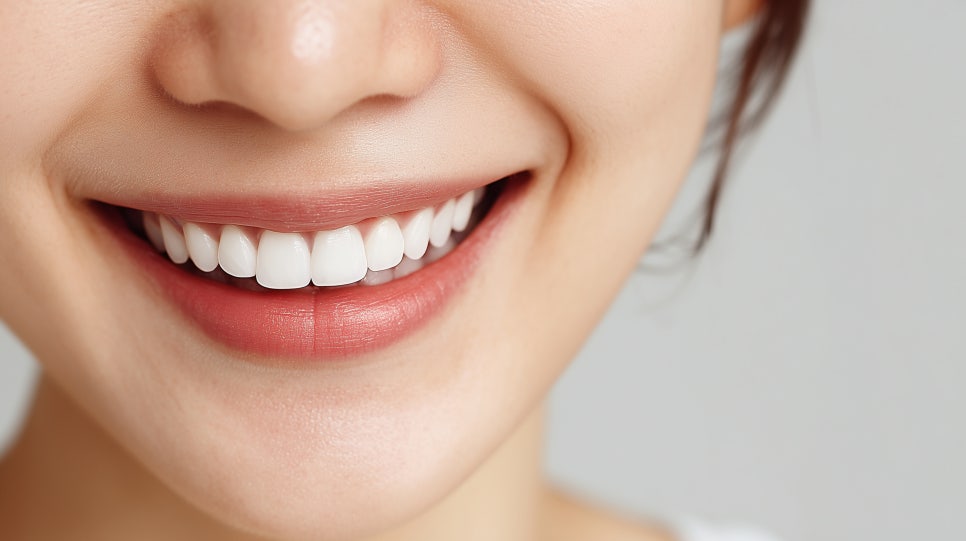
However, veneers are not a permanent procedure, so over time they may chip, come off, or otherwise need repair.
If a veneer you received before has broken, what should you do?
Today, we will look at what to do when a veneer breaks, in this Shinnonhyeon Station dental clinic recommendation post.
Common Types of Veneer Damage and Their Causes
From chipped edges to missing pieces and complete detachment
First, when do veneers get damaged?
Veneers are often placed for aesthetic purposes, but they can be damaged in various ways due to external impact or the passage of time. The most common type is a case where ‘the edge chips slightly.’ This often happens when you absentmindedly bite into hard foods such as ice or nuts.
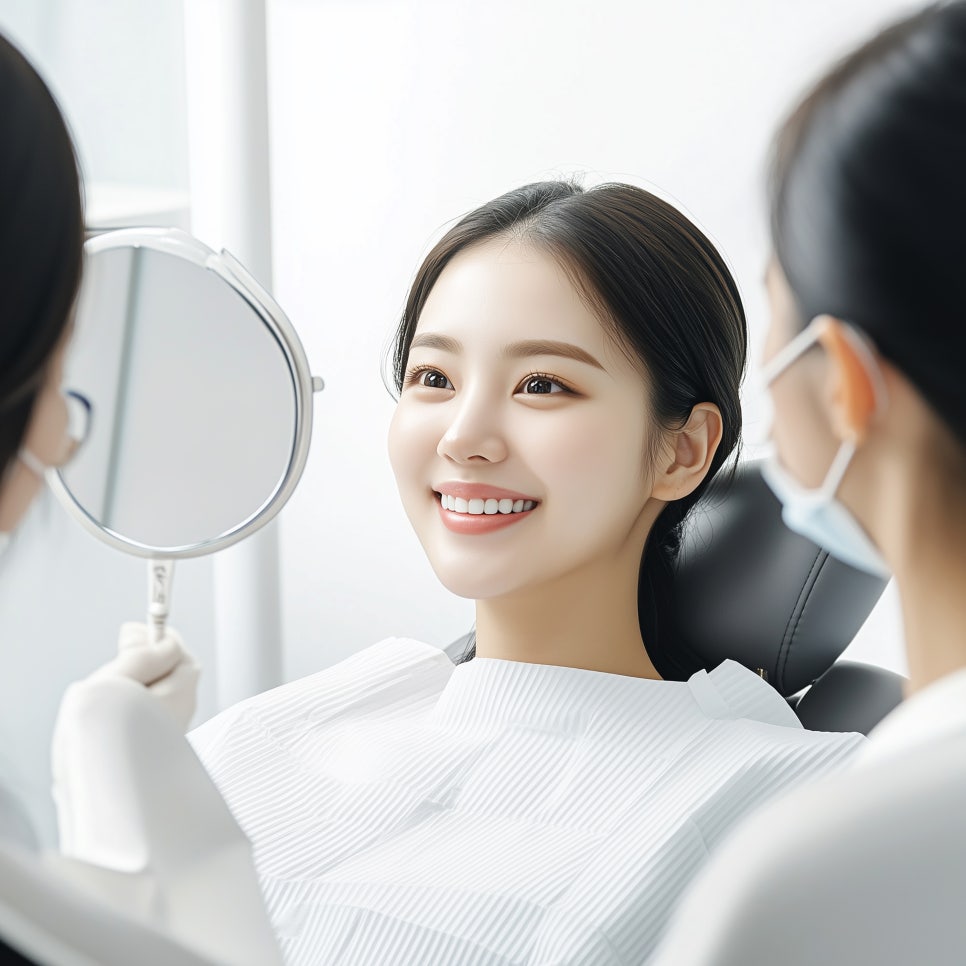
Another type is where ‘a small piece breaks off,’ which commonly occurs when repeated pressure is applied due to teeth grinding or an abnormal bite.
The most serious type is when ‘the veneer comes off completely.’ The main causes are reduced bonding strength or changes in your own tooth structure.
Damage does not happen due to a single factor, but rather through a combination of issues. Hard or chewy foods can cause direct irritation, and especially teeth grinding places continuous stress on veneers over the long term.
Also, when the adhesive weakens over time, the bond between the veneer and the tooth can decrease, making detachment more likely.
Understanding these causes is an important basis for deciding the direction of later treatment.
Can an Old Veneer Be Reattached?
The condition of the damaged veneer is key
When a veneer is damaged, the first question patients usually ask is, “Can this be reattached?”
The answer depends on the situation.
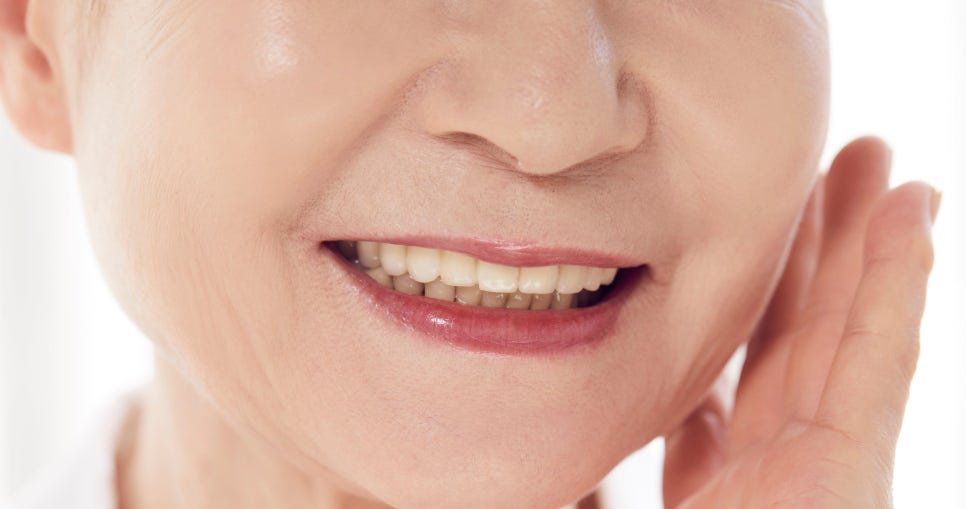
If the veneer fragment is fully preserved and the bonding surface is clean, it may be possible to reattach the original piece.
In this case, the cost and time are relatively lower, and it has the advantage of maintaining the existing tooth color and shape.

On the other hand, if the piece is broken or the bonding surface is damaged, reattachment is difficult and a new veneer must be made.
In such cases, the condition of the existing teeth, gum health, and bite alignment must all be reviewed comprehensively, and in some cases, adjacent veneers may also be replaced to maintain harmony with the surrounding teeth.
Therefore, this should be approached as more than a simple ‘breakage’ issue, and you should receive a diagnosis from a specialist recommended by a Shinnonhyeon Station dental clinic.
Concerns About Veneer Re-treatment
If you are worried about pain, damage, or cost

The biggest concern for patients when considering retreatment is pain.
Fortunately, most veneer procedures at Shinnonhyeon Station dental clinics are performed under anesthesia, so there is almost no pain. However, since the existing tooth may need to be reduced again, concerns about damage to the natural tooth can arise.
There may also be a higher cost than expected, so sufficient consultation before the procedure is necessary. In addition, certain care is required after the procedure.
In particular, it is important to avoid habits that can cause damage, such as teeth grinding, nail biting, and chewing hard foods.
Therefore, you should regularly check the condition of your veneers and gums through scaling and examinations, and in some cases, wearing a night guard is also recommended.
In the end, rather than the retreatment itself, how you manage your teeth afterward determines the success of the result, so Smile View Dental Clinic also provides careful guidance on aftercare.
If Veneers Break Frequently
Resolving the underlying cause first is more important than simple retreatment
One or two breakages may be a coincidence, but repeated veneer damage is clearly a sign that something else is wrong.
The representative causes are ‘teeth grinding’ or ‘abnormal bite alignment.’
In such cases, simply reattaching the veneer is not a fundamental solution.
For patients with repeated damage, more essential measures are needed, such as bite adjustment, wearing a night guard, and treatment to relax the jaw muscles. In some cases, orthodontic treatment may also need to be performed together.

However, if this is ignored and veneers are simply replaced again and again, both the cost and the damage to the teeth will accumulate. Therefore, the more frequently the veneers break, the more important it is to first identify why they broke and establish a treatment plan accordingly.
When a veneer breaks in a Shinnonhyeon Station dental clinic recommendation case, we hope you will approach it not by simply deciding whether to ‘reattach it or replace it,’ but by accurately analyzing the cause of the damage and considering prevention of future recurrence as well.
Smile View Dental Clinic
15th Floor, 107 Bongeunsa-ro, Gangnam-gu, Seoul, Smile View Dental Clinic