Gangnam-gu Veneers: Why Does the Amount to Be Trimmed Differ at Each Consultation?
Hello. I’m dentist Han-gyeol Kim, and I have been providing cosmetic treatment for front teeth for many years at Sinnonhyeon Station.
“I heard that you have to grind down all your front teeth to get veneers... Is it really okay?”
I receive this question very often in the consultation room.
I can understand, at least to some extent, what it feels like to be concerned about your front teeth.
Every time you look in the mirror, one or two front teeth catch your eye. Even after searching dozens of times, stories about excessive tooth reduction or veneers that looked unnaturally bright may have made you hesitate to decide.
If you are reading this, you may also have paused at some point, wondering, “What if I end up having a lot of my front teeth shaved down too?”
There is one thing I would like to point out first.
With veneers, the outcome is often determined less by “how much is trimmed” and more by “how accurately the condition is diagnosed and the treatment is designed.”
I’ll explain why below.
If you spend just three minutes reading this, you will have several points to check for yourself before going in for a veneer consultation.
Veneers: If this sounds like you, I hope you will not rush into treatment.
During consultations, I find myself recommending that patients postpone treatment for a while more often than you might expect.
This applies when someone has cavities or gum inflammation that has not yet been treated but wants to cover only the visible front surfaces; when they clearly clench or grind their teeth; or when they are trying to conceal the appearance of a malocclusion—the upper and lower teeth are significantly misaligned when they come together—to the point that extraction may be necessary.
It is like putting up new wallpaper without checking whether water is leaking through the walls of a house.
Treatment that covers an underlying problem can eventually lead to sensitivity, detachment, or gum irritation.
I do not look only at the front teeth. I also examine the condition of the gums and roots, as well as the force exerted when you bite.
I believe that following the proper order is ultimately the way to achieve lasting results.
The amount to be trimmed differs at each consultation. Which opinion is right?
“I went to several consultations, but they all recommended trimming different amounts, so I don’t know what is right.” I hear this very often as well.
People who are concerned about excessive tooth reduction with veneers often feel especially confused at this point.
The amount of reduction differs because each clinician may have slightly different standards for assessing tooth alignment, the gum line, and harmony with the neighboring teeth.
Even with the same front teeth, the amount of reshaping can vary depending on the desired shape and color.
Rather than starting with numbers, I prefer to first examine the current condition of the teeth together with the patient and then begin the discussion.
There is no single, definitive answer in this area, so I want to emphasize that the approach may differ depending on each individual’s condition.

What should you look for to reduce excessive reduction and unnatural color?
Minimal-preparation and no-preparation approaches are often discussed in this context.
These involve lightly reshaping the teeth or barely trimming them at all before bonding on thin shells.
However, a no-preparation approach is not suitable for everyone.
If the natural teeth already protrude slightly, bonding veneers without preparation can make them look even thicker. Depending on the condition, lightly reshaping them may actually produce a more natural result.
When designing veneers, I do not look at just one tooth.
I consider the overall impression of the face, the gum line visible when smiling, and the balance with the teeth on both sides.
I also consider it important to use temporary restorations to preview the shape, confirm whether the patient is satisfied, and then proceed.
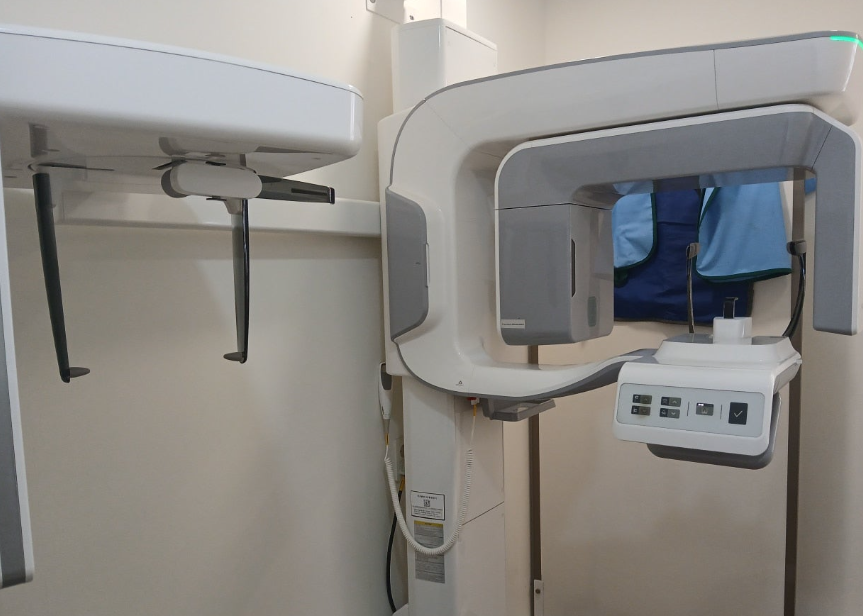
When choosing a clinic, it can be helpful to select one that uses DSD (a design process that shows an on-screen preview of the expected final appearance) or an intraoral scanner (equipment that creates a 3D model by scanning the inside of the mouth) during the consultation. This helps both sides align their expectations for the final result.
And I want to be honest with you.
Veneers can also involve sensitivity, detachment, gum irritation, discoloration over time, or fractures, depending on the individual.
Because tooth reduction cannot be reversed once it has been done, you should hear about these possibilities before making your decision.
Veneers: These are probably the questions you are most curious about.
- Will it hurt?
→ The procedure is often performed under anesthesia, but depending on your biting force and the condition of your teeth, you may experience sensitivity for several days afterward. Individual experiences vary.
- How long do they last?
→ There is considerable variation depending on care and habits. If you grind your teeth or frequently bite through hard foods with your front teeth, the veneers will naturally be subjected to greater stress.
- Will my natural teeth be damaged?
→ The less the teeth are reshaped, the lower the burden, but this is not the same as “not touching the teeth at all.” That is why it is necessary to consider a minimal-preparation approach together.
- How are veneers different from teeth whitening?
→ Teeth whitening focuses on lightening the color of the teeth, while veneers address both shape and color. If discoloration is your only concern, whitening may be the appropriate first step, so I determine the direction after examining your condition.
So, how should you decide where to have the treatment? Here are the criteria to use.
I recommend looking at the process rather than the clinic’s name.
-
Do they show you in advance how much will be trimmed using scans or simulations?
-
Do they consider both no-preparation and minimal-preparation options?
-
Is there a stage where you can preview the result with temporary restorations?
-
Do they provide follow-up care rather than ending the process immediately after bonding the veneers?
These are the four things to look at.
Being diagnosed directly by a dentist with sufficient clinical experience and choosing a clinic that lets you preview and adjust the expected final appearance can help you establish the direction you want.
Whether you are considering veneers or Gangnam veneers, using the same criteria should help you avoid making a significantly misguided choice.
I believe veneers are not a procedure that involves shaving down a great deal of tooth structure, but one that requires an accurate diagnosis.
Looking attractive is important, but I believe durability should come first.
That is why I tell patients when a treatment is not necessary, and organize the treatment plan starting with what is truly needed now.
If you have repeatedly felt self-conscious about your front teeth in the mirror or have postponed treatment because you were afraid of excessive reduction, I hope this article will help you find the right direction, even in a small way.
Ultimately, the decision about what to do is yours.
Simply checking during the consultation whether there is a preliminary diagnosis and simulation can help reduce regret.
< Related reading >
| Sinnonhyeon Station Dental Clinic, 스마일뷰치과의원 |
|---|
| Monday–Wednesday, Friday (10:00–18:30), Saturday (10:00–15:00) * Closed Thursdays, Sundays, and public holidays |
| TEL : 0507-1398-7529 |