
Yangjae Station Dental Clinic: A Complete Guide to Implant Side Effects, Precautions, and Care
Hello, I’m Dr. Han-gyeol Kim, director of Smile View Dental Clinic.
“Can dental implants also have side effects?”
“Is there anything I should be careful about if I want to use them for a long time?”
After 16 years as a dentist, I’ve spent particularly long periods reviewing implant cases, and I sometimes notice similar patterns in the stories of people who come in for consultations.
If you are reading this post, you may have paused because you were thinking, “Everything is fine for now, but what if a problem develops later?”
To be honest, this is less about “whether to get an implant” and more about “how to care for it afterward.”
If you spend just three minutes reading this post, you’ll have your own basic guidelines for what to look after at each stage.
In particular, because some people experience pain later even when an implant has developed a problem, regularly checking its condition—especially when you think everything is fine—is a way to reduce the likelihood of regret.
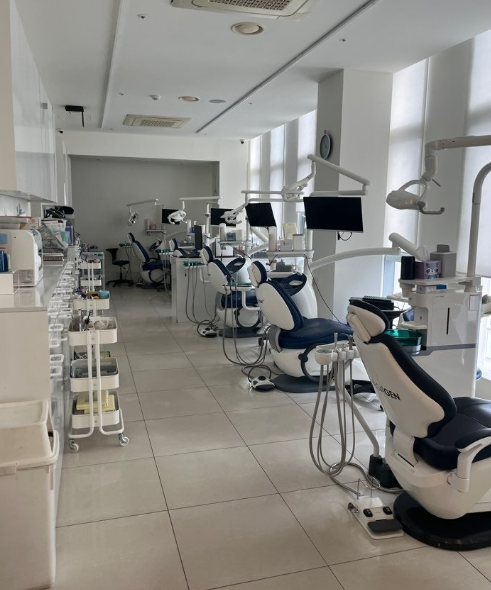
What side effects can occur after getting an implant?
Swelling, pain, or mild bruising may occur depending on the individual immediately after the procedure, and these symptoms are generally known to gradually subside over several days to a week.
In rare cases, inflammation may develop in the gums around the implant—known as peri-implantitis—or loosening may occur if the bone and implant do not bond properly.
When an implant is placed near a nerve canal, there is also a possibility of temporary altered sensation in the lips or jaw. For this reason, checking the location of the nerve canal in advance with a CT scan before placement is important.
Just as you check the location of underground pipes before building a house, I believe an implant placement plan should be made only after first determining the locations of the bone and nerve canal.
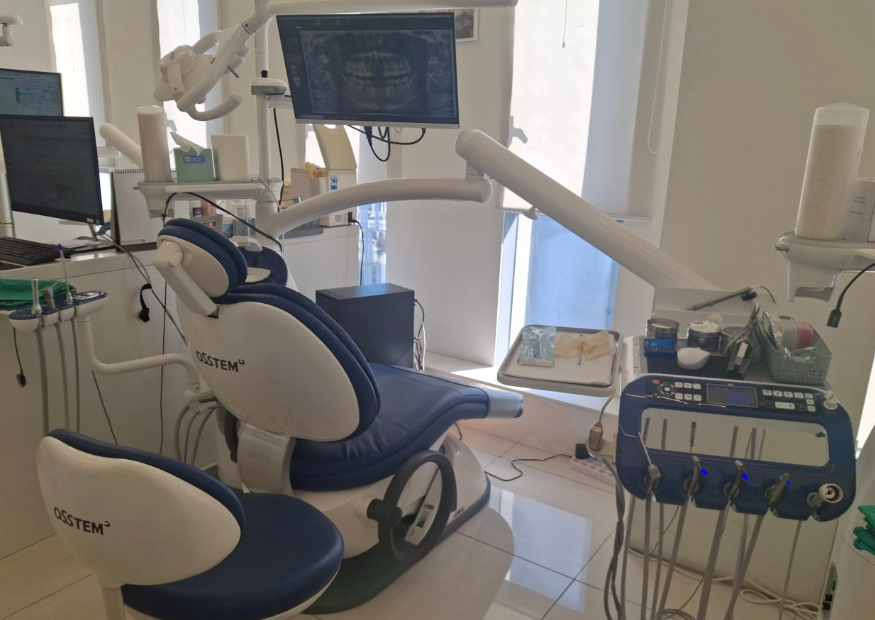
Things to watch out for during the first few days after placement
For the time being, avoid hard or hot foods that may irritate the surgical site, and continue eating lukewarm, soft foods.
It is best to avoid using straws or smoking for several days, as they may delay healing at the wound site.
Rather than brushing the surgical site forcefully, it is generally safer to rinse with the disinfectant solution prescribed by your dentist.
Even when people undergo the same surgery, I’ve seen recovery speeds vary depending on how they spend these few days. That’s why I believe the days after surgery shape the result just as much as the surgery itself.
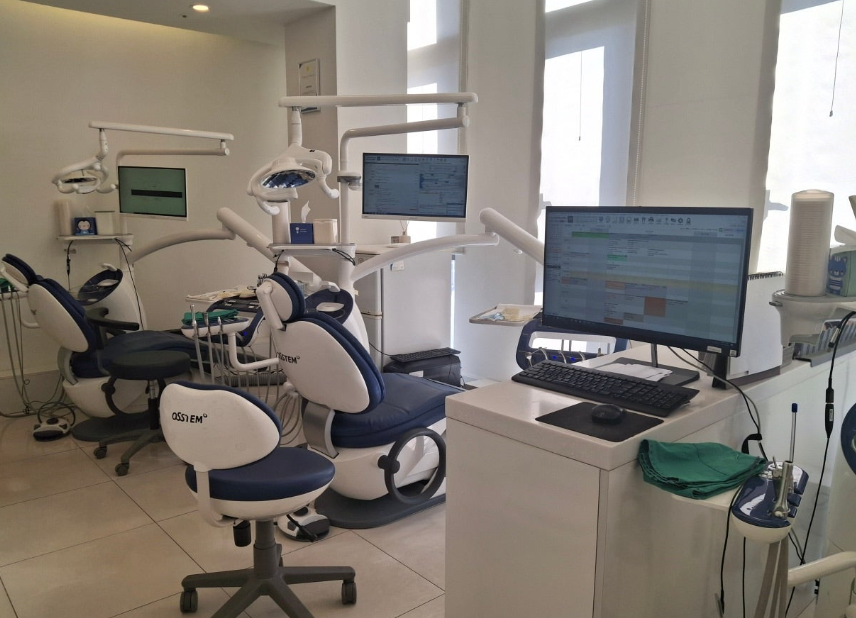
What kind of care is needed for long-term use?
Unlike natural teeth, implants have a structure that does not readily sense pain, so problems may sometimes be discovered only later.
I think this is the biggest trap with implants. Not being in pain does not necessarily mean that everything is fine.
That is why it is necessary to regularly take X-rays to check the condition of the bone and manage inflammation around the implant in advance through professional cleaning.
It is similar to a house that may look fine on the outside but needs regular pipe inspections to detect leaks early.
If you have a habit of clenching your teeth or experience severe teeth grinding, the increased force placed on the implant may cause the screw to loosen or the implant to fracture, so this should also be managed.
I often tell patients during consultations that no matter how securely an implant is placed, it can ultimately be difficult to withstand excessive force every day.
I believe implant treatment does not end with placement; regular checks and care afterward are an extension of the treatment.
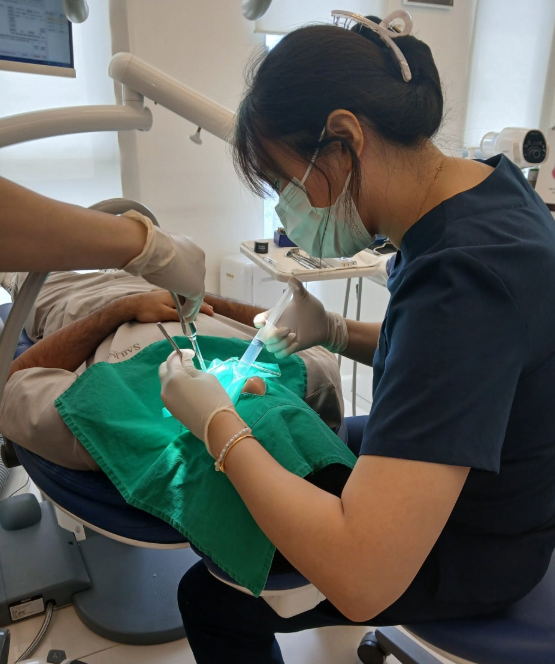
There is no need to rush into getting an implant.
Many people think an implant must be placed immediately after a tooth is extracted, but depending on the condition of the gums and bone, adjusting the timing may sometimes be more stable.
Placing an implant in haste while inflammation remains may instead lead to an unstable result. When necessary, we first treat the inflammation and then determine the timing for placement.
With implants, the first step is not the technique of placement but diagnosing whether the bone and gums are currently ready for an implant.
I generally tell patients that they do not need to undergo anything that is not necessary, and that proceeding with only what is needed, when it is needed, is the way to use an implant for a long time.
The choice is always yours.
Thank you for reading this long post.
< Recommended reading >
| Shin Nonhyeon Station Smile View Dental Clinic |
|---|
| Monday–Wednesday, Friday (10:00–18:30); Saturday (10:00–15:00) * Closed Thursdays, Sundays, and public holidays |
| TEL : 0507-1398-7529 |
#YangjaeStationDentalClinic #ImplantSideEffects #ImplantPrecautions #ImplantCare #PeriImplantitis #YangjaeImplants #SmileViewDentalClinic