Banpo-dong Dental Clinic: Checkpoints for Office Workers in Their 20s Considering Implant Placement
Hello, I am Han-gyeol Kim, a dentist with 16 years of experience and the director of Smileview Dental Clinic.
"I'm in my 20s, and I already need an implant? Isn't it too early?"
I hear concerns like this very often in the treatment room.
With a busy work life, what criteria are you using to look for a dental clinic in Banpo-dong?
An implant in your 20s is not simply a treatment for replacing one tooth. It is a matter of how to prepare a tooth that you will use for the next several decades.
For a satisfactory result, it is important to check whether the clinic keeps the following three points in mind.
-
Do they first check whether jawbone growth is complete before determining when to place the implant?
-
Do they explain and compare other alternatives instead of recommending only an implant?
-
Do they create a realistic visit and maintenance plan that fits a busy schedule?
Today, we will go over the checkpoints that office workers in their 20s should consider before undergoing implant placement.
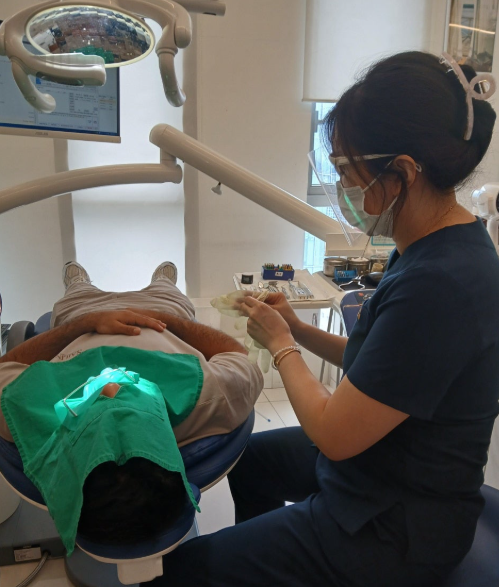
If you are getting an implant in your 20s, check the timing first.
Jawbone growth is generally known to continue into the early to mid-20s. If an implant is placed before growth is completely finished, there is a possibility that the bone and implant may become misaligned later.
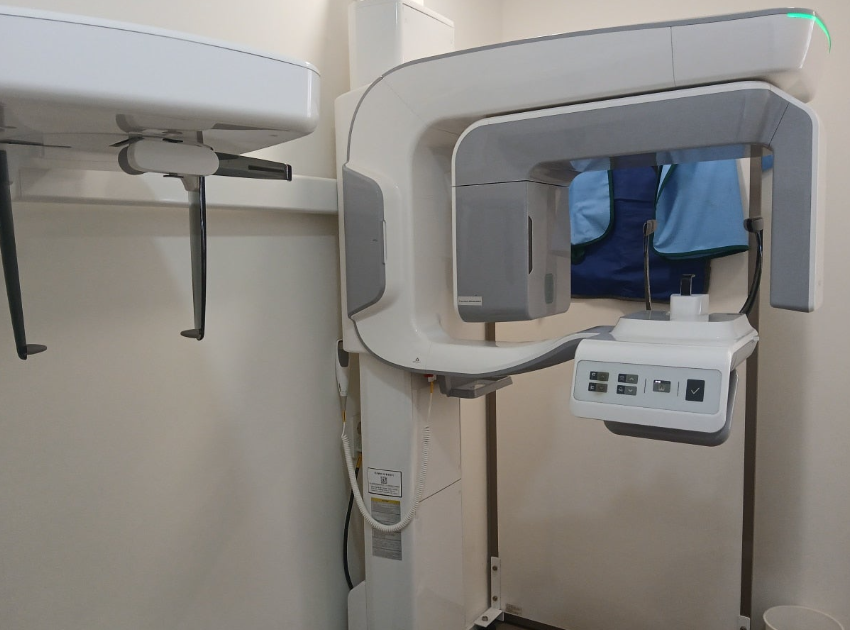
Checking whether the growth plates in the jaw have closed with an X-ray or CT scan provides a much more accurate basis for judgment than age alone.
If growth is still ongoing, a more stable sequence is to use another method temporarily and reconsider the timing of implant placement once growth is complete.
It is similar to permanently fixing a support to a tree that has not finished growing: as the tree grows, the support may become misaligned with it.
If you have had a wisdom tooth extraction or orthodontic treatment, consider that as well.
Many people in their early 20s have already undergone or are currently receiving wisdom tooth extraction or orthodontic treatment, and this history may also affect their implant plan.
If the teeth are still moving due to orthodontic treatment, the site available for implant placement may also change. It is therefore more stable to plan implant placement after the orthodontic treatment is substantially complete.
If the wisdom tooth extraction site is close to the planned implant site, the condition of the bone may differ depending on how the order of the two treatments is arranged.
Just as you check whether construction next door has been completed before building a new house, it is generally more stable to plan implant placement after surrounding treatments have been addressed.
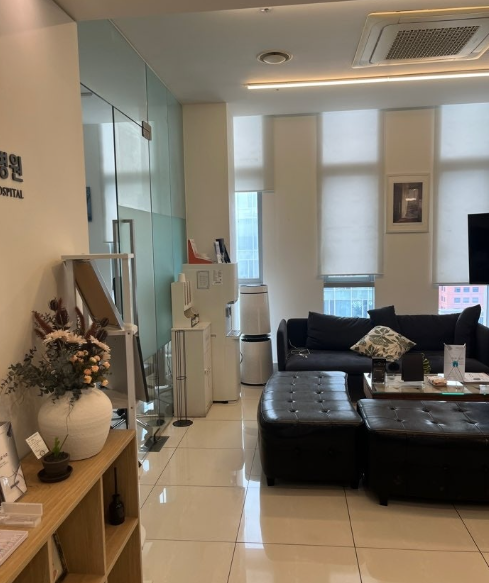
With a busy work life, check your appointment schedule in advance.
Implant treatment requires a certain period from placement until the implant bonds with the bone, and several visits are generally needed during that time.
During your consultation, it is a good idea to check in advance whether visits can be scheduled during lunch breaks or after work, and whether you can choose a period when recovery will not interfere with your work.
Swelling or pain may occur for several days immediately after placement, depending on the individual, so it can be helpful to plan treatment away from periods filled with important appointments.
I often see that when treatment appointments are forced into an already busy schedule, it becomes difficult to properly take care of both one’s health and work.
There are also points that require extra attention because you are in your 20s.
An implant placed in your 20s will need to be used for several decades afterward, so placing it in the correct position and at the correct angle from the beginning is even more important in the long term.
If you grind or clench your teeth, the forces repeated over a long period may accumulate on the implant, especially when treatment is performed at a younger age. This should also be checked.
Even after placement, developing the habit of managing inflammation around the implant in advance through regular checkups and professional cleanings can have a significant effect on how long it can be used.
Being a little more careful at the time of the initial placement is ultimately an easier path than having to make multiple corrections later.
The reasons people in their 20s consider implants vary, from accidents and congenitally missing teeth to long-standing cavities.
Rather than rushing because of your young age, the first step is to reassess the most stable timing and method for your current condition.
An implant in your 20s is not simply a treatment for filling an empty space. It is a plan for preparing a tooth that you will need to use for many years to come.
I hope this article will be helpful to office workers in their 20s who are considering implants near Banpo-dong.
< Recommended Reading >
| Sinnonhyeon Station Dental Clinic — Smileview Dental Clinic |
|---|
| Monday–Wednesday, Friday (10:00–18:30) Saturday (10:00–15:00) * Closed on Thursdays, Sundays, and public holidays |
| TEL: 0507-1398-7529 |
#BanpoDentalClinic #ImplantsInYour20s #ImplantDentalClinic #ImplantsForOfficeWorkers #ImplantPlacement #SmileviewDentalClinic