How to Avoid Overtreatment at a Dentist Near Maebong Station: If You Want to Minimize the Risk, Ask About This First.
Hello. I am Kim Han-gyeol, a specialist in integrated dentistry and the director of 스마일뷰치과. I have been responsible for my patients’ smiles for 16 years, and I am writing for those who are concerned about how to avoid overtreatment at the dentist.
You may have experienced feeling surprised by the larger-than-expected number of treatments recommended after a dental examination.
It is perfectly natural to wonder, “Do I really need to undergo all of these treatments?”
In today’s post, I would like to help ease your vague anxiety and explain how to make informed treatment decisions.
Rather than looking only at your teeth, I design a smile that looks most natural with your face. I do not insist on just one method, such as veneers or orthodontic treatment, and instead recommend only the treatment that is truly necessary.
I also understand better than anyone how frightening dental treatment can feel, so it is my principle to provide sufficient explanations throughout every step of the process.
Based on this treatment philosophy, I will now share practical advice on how to avoid overtreatment at the dentist.
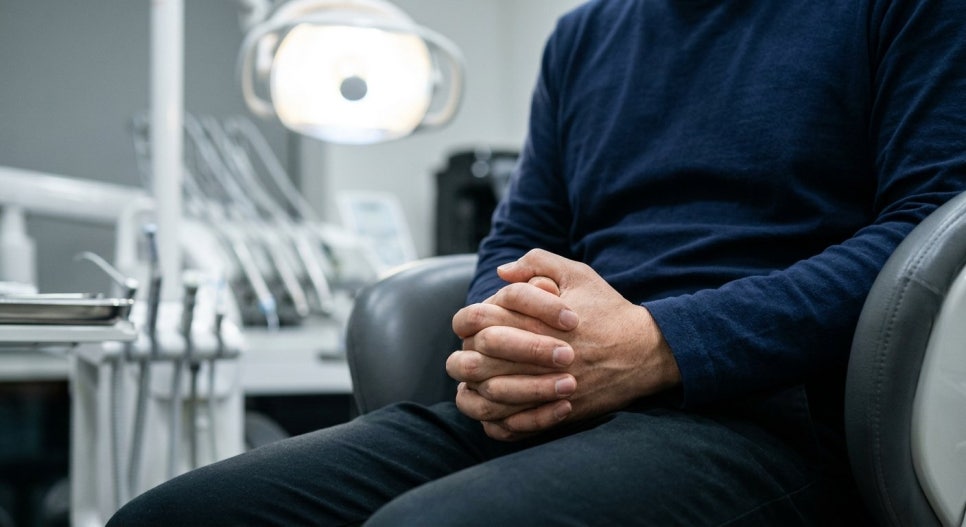
“They said I have three cavities here, but another clinic said I have eight. Which one is right? Could this be overtreatment?”
Many people feel confused in situations like this.
However, it is difficult to conclude hastily that a dentist is providing excessive treatment simply because the number of diagnoses differs from one clinic to another.
What matters is hearing an explanation of why the diagnoses differ and going through a process that allows you, as the patient, to understand and accept the reasoning.
Same Tooth, Different Diagnosis? Why It May Be “Different,” Not “Wrong”
Dental treatment plans can differ among dentists for several reasons.
Even when looking at the same X-ray, dentists may reach different conclusions about the appropriate “timing” and “method” of treatment based on their clinical experience and treatment philosophy.
For example, in the case of an early cavity, one dentist may recommend monitoring it regularly rather than treating it immediately, while another may decide that treating it before it becomes larger is preferable.
This is the result of considering various factors together, including the patient’s oral-care habits, the location of the cavity, and how quickly it is progressing.
In addition to the number of cavities, factors that cannot be seen at a glance—such as the condition of existing restorations, tiny cracks in the teeth, the bite (occlusion), and gum health—can have a significant impact on the treatment plan.
Rather than automatically suspecting overtreatment because an expensive treatment has been recommended, it is important to check the basis for that decision and understand why it was made.
Three Smart Questions to Help Reduce the Risk of Overtreatment
So, what can you do as a patient to reduce the risk of unnecessary treatment and receive treatment that is right for you?
Please remember these three questions.
- “Why is this treatment necessary now?”
This is the most important question.
Not every cavity or dental problem needs to be treated immediately.
It is important to distinguish between “a problem that can be monitored” and “a problem that needs treatment now.”
Try asking your dentist, “What will happen in the future if I do not have this treatment now?”
A trustworthy dentist will objectively explain the problems that may occur without treatment—such as pain, nerve damage, or the possibility of extraction—as well as the expected outcome if the condition is monitored.
This question is the first step in avoiding unnecessary overtreatment at the dentist.
- “Are there any other treatment options?”
There is not always only one way to address a problem.
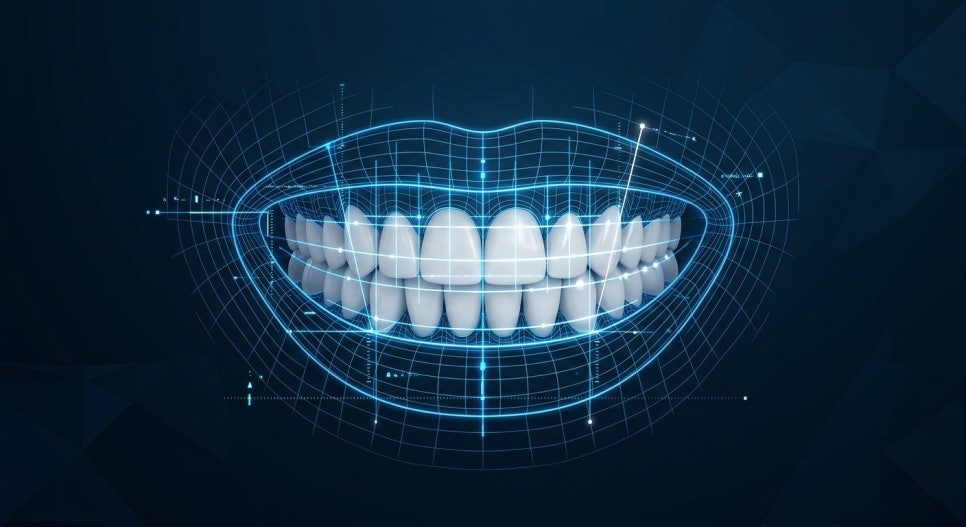
For example, if you visit a dentist considering veneers because you are unhappy with the shape of your front teeth, automatically recommending veneers may not be the right answer.
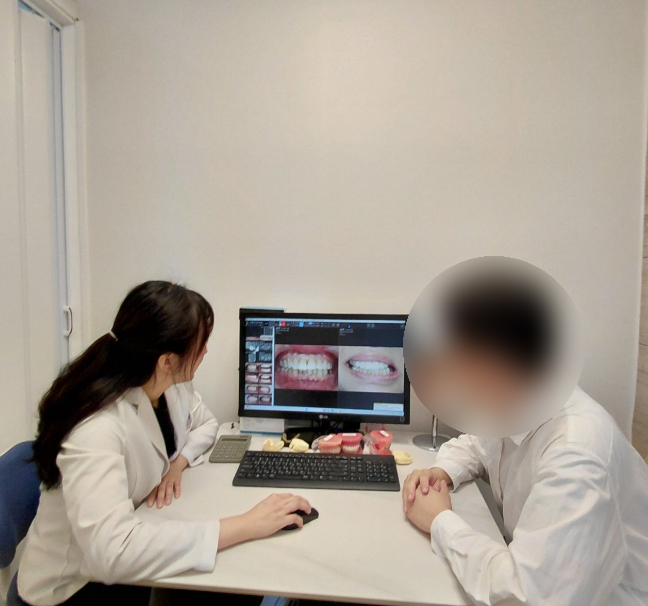
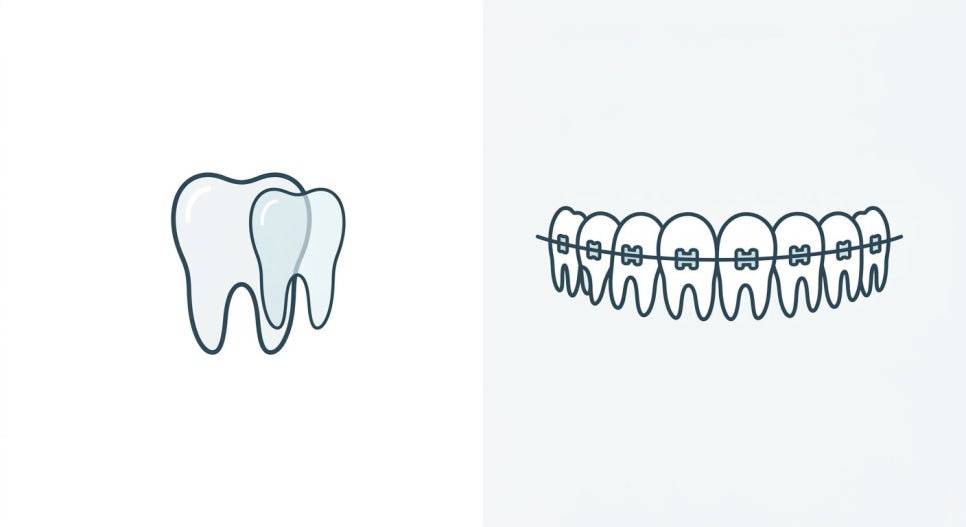
Depending on the alignment of your teeth and your bite, orthodontic treatment may be a better option, or sufficient improvement may be possible with minimal tooth reduction.
You have the right to hear a sufficient explanation of the advantages, disadvantages, prognosis, and cost of each treatment option before making your choice.
- “Could you explain the treatment plan using supporting materials?”
Explanations given only verbally can be difficult to understand and remember.
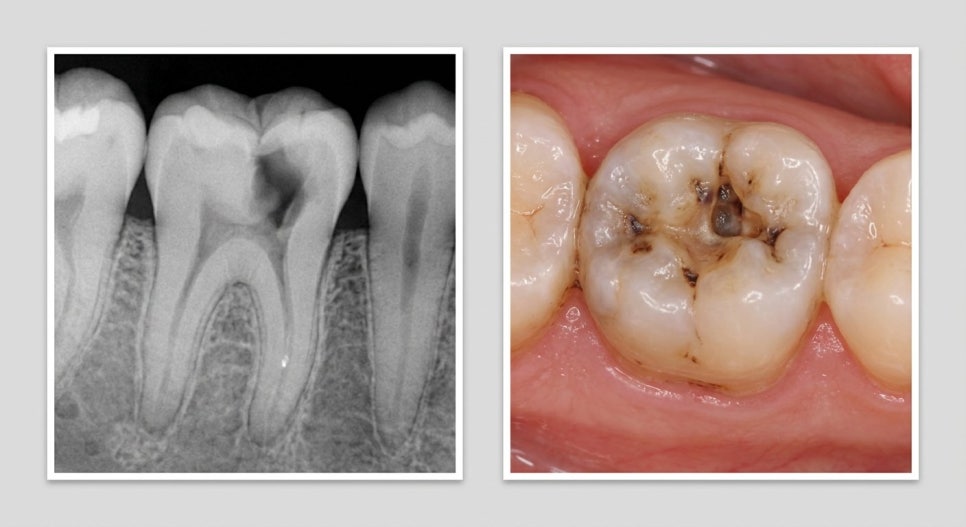
Ask your dentist to explain the plan while showing objective materials, such as your X-rays and photographs taken with an intraoral camera.
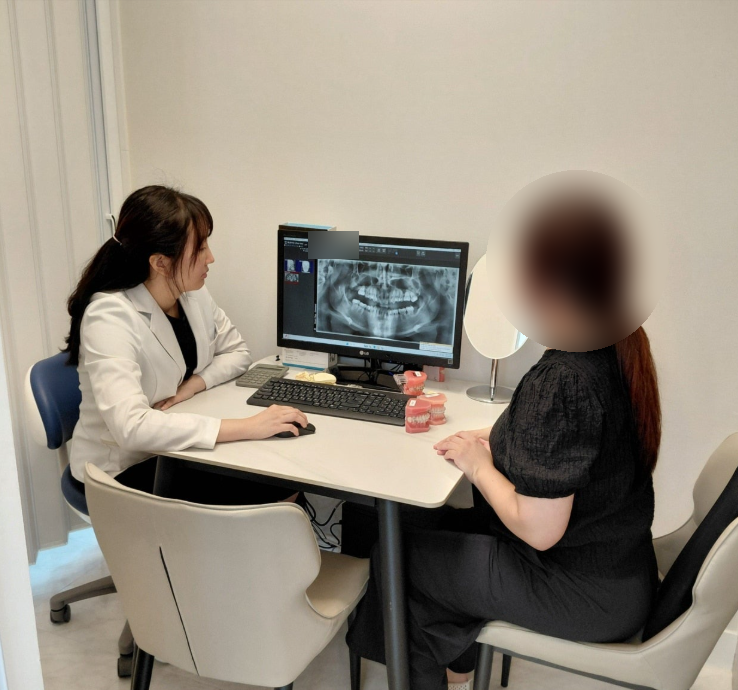
When you can accurately understand your current condition through visual materials—for example, “As you can see here, the darkened cavity has progressed this far and is close to the nerve…”—you can develop a much deeper understanding of and trust in the need for treatment.
Ultimately, It Is About “Trust”: The Treatment Philosophy of 스마일뷰치과
I believe that this process of communication and trust is at the heart of dental care.
I feel the greatest sense of fulfillment and responsibility when patients visit us through the personal recommendation of actor Donghyun Bae, rather than through advertising, and when patients living on Jeju Island continue to make the long journey to see us for orthodontic treatment.
A good clinic is not simply one that recommends fewer treatments.
The clinic you have been looking for is one that clearly distinguishes between treatment you need now and treatment that can be monitored for the time being, while helping you understand the options and decide on the treatment direction together with the dentist.
I hope today’s information helps you find ways to make informed decisions and avoid overtreatment at the dentist.
For the sake of your valuable dental health, I will always communicate with you and think from the patient’s perspective first.
< Recommended Reading >
| 신논현역치과 스마일뷰치과의원 |
|---|
| Monday–Wednesday, Friday (10:00–18:30) Saturday (10:00–15:00) * Closed Thursdays, Sundays, and public holidays |
| TEL : 0507-1398-7529 |

#MaebongStationDentist #MaebongDentist #DentalOvertreatment #HowToAvoidDentalOvertreatment #DentalOvertreatmentPrevention