
Resin Types / Insurance / Prices / Private Indemnity Coverage: 3 Things to Check Before Treatment (Jamwon-dong Dental Clinic)
Hello. I am Han-gyeol Kim, director of Smileview Dental Clinic, where we design natural-looking smiles.
Many people become curious about the different types of resin they encounter first when looking into cavity treatment.
Resin is one good treatment option that can preserve the tooth when the area affected by a cavity is not extensive.
When treating my patients, I always keep the following three principles in mind.
-
I design smiles that look the most natural and harmonious with each patient's face.
-
As a specialist in comprehensive dentistry, I recommend only the treatment that is truly necessary.
-
I understand better than anyone how frightening dental visits can feel, and I promise comfortable care.
With this mindset, I would like to give an honest explanation today about resin treatment, which many people have questions about.

"Isn't resin treatment all the same if you are just filling the tooth with something white?"
"Why do resin prices differ from one dental clinic to another?"
Many patients ask questions like these.
Many people also try to compare costs simply by asking how much one resin filling costs and then choose a dental clinic.
However, resin treatment is not as simple as it may seem.
For successful treatment, there are things you should check before looking at the price.
Before comparing the price per filling, check this about resin first.
The conclusion is that the key to resin treatment is selecting the right material and method for the condition of your teeth.
The quality and longevity of treatment can vary depending on which type of resin is used, as well as where and how it is applied.
From here, I will explain the three criteria you should обязательно check before treatment.
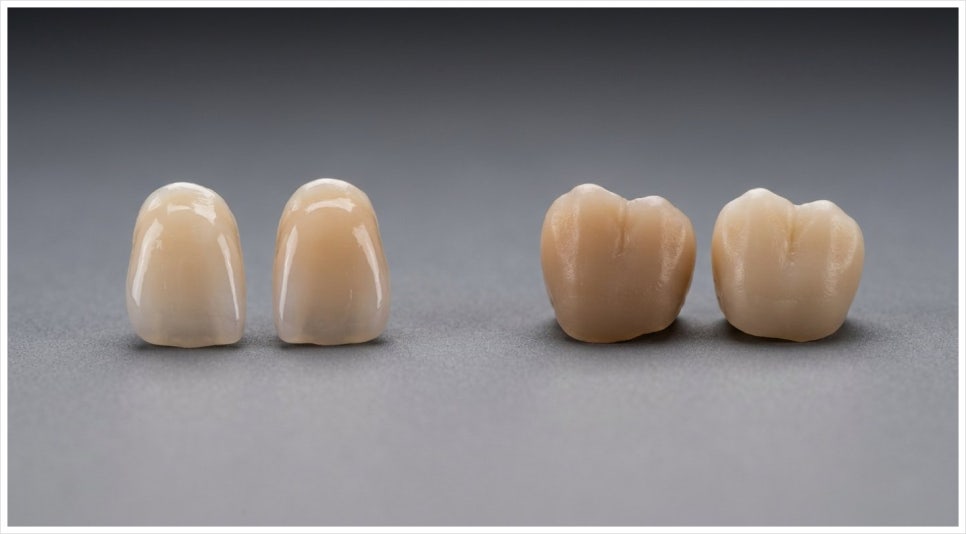
- The location and condition of your tooth: What type of resin is used?
Resin is not all made from the same material.
Resin with different properties should be used depending on the location and function of the tooth.
- Highly visible areas, such as the front teeth: Aesthetics are important.
Because the color, translucency, and gloss should blend naturally with the surrounding teeth, it is preferable to use composite resin containing nano-fillers.
Its very small particles make it easier to smooth the surface and help it harmonize with the color of the surrounding teeth.
- Areas that receive significant force, such as the molars: Rather than aesthetics, strength and durability—the ability to withstand strong chewing forces—are important.
For this reason, dentists may use packable resin, which contains larger, harder particles, or bulk-fill resin, which can fill a somewhat larger area at once.
Because the appropriate type of resin varies according to the location and role of the tooth, it is advisable to check whether the dental clinic has materials suited to a range of situations and applies them carefully.
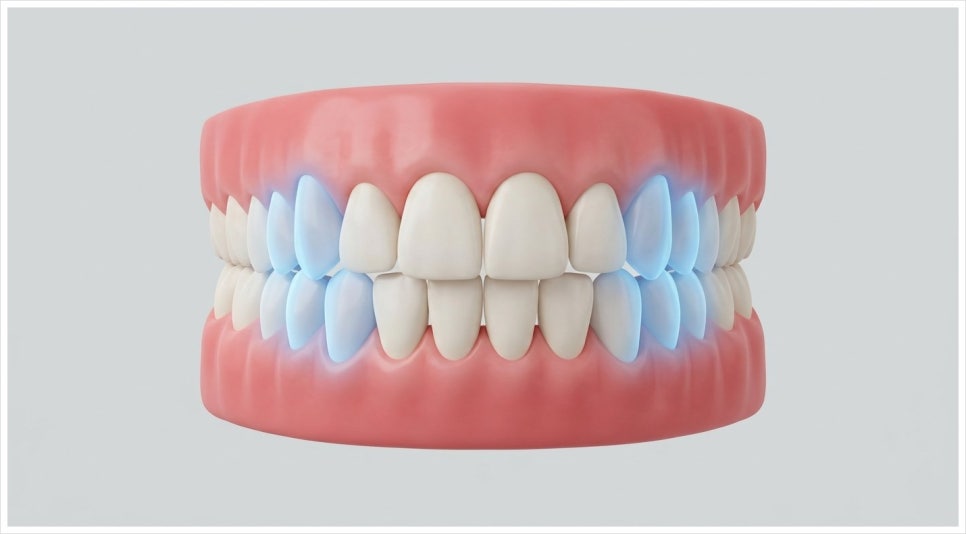
- Eligibility for national health insurance: Remember “12 or younger” and “light-cured.”
I am also frequently asked, "Is resin covered by insurance?"
Yes, it may be covered by national health insurance depending on the conditions.
-
Eligible patients: Children aged 12 or younger
-
Teeth: Permanent teeth with cavities, including both molars and front teeth
-
Material: Light-cured composite resin
When these conditions are met, resin treatment is available with a 30% copayment.
However, cavity treatment for adults and treatment to restore chipped or fractured teeth are generally non-covered services.
In addition, coverage under private indemnity insurance varies depending on the terms of your policy, when you enrolled, and the purpose of treatment (treatment versus cosmetic care).
Therefore, the most accurate approach is to contact your private indemnity insurer before treatment and confirm the coverage details directly.
- The purpose and extent of treatment: How far can resin go?
Resin is an excellent treatment material, but it is not suitable for every situation.
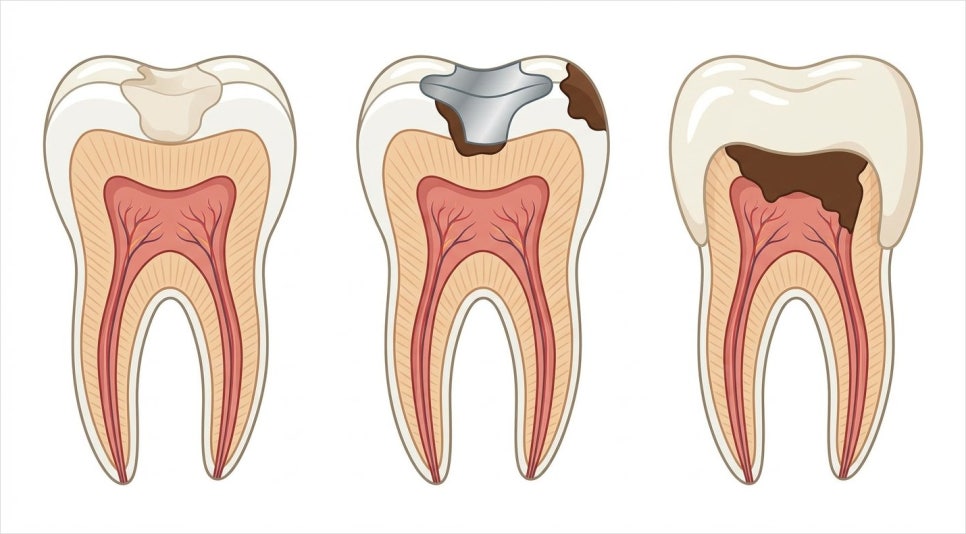
If a cavity is too extensive or deep, simply filling it with resin may leave the tooth unable to withstand chewing forces, creating a risk of fracture.
-
When the cavity is extensive: An inlay or onlay, which is stronger than resin, may be considered.
-
When the nerve has been damaged or very little of the tooth remains: A crown covering the entire tooth after root canal treatment may be necessary.
As a specialist in comprehensive dentistry, I make an overall diagnosis that considers the patient's tooth condition, bite, and harmony with the face.
Rather than automatically recommending veneers or resin, I also explain when orthodontic treatment may be the better option.
This is because I take a long-term view of the patient's oral health and beautiful smile, rather than simply filling a cavity.

Instead of asking, “Which resin is best?” ask, “What treatment is right for me?”
I hope this article has helped answer some of your questions about resin types, insurance, and prices.
What matters is not relying on fragmentary information such as “which material is best” or “which clinic is cheapest,” but finding a dental professional who can accurately diagnose the condition of your teeth and create the optimal treatment plan for you.
Because I personally experienced various dental treatments from childhood, I understand dental anxiety well.
That is why I make it a principle to explain everything thoroughly to each patient and begin treatment only after the patient understands and agrees with the plan.
Through this blog, I will continue working to help readers find a healthy smile that suits them best.
Thank you.
<Recommended reading>
| Sinnonhyeon Station Smileview Dental Clinic |
|---|
| Monday–Wednesday, Friday (10:00–18:30) Saturday (10:00–15:00) * Closed Thursday, Sunday, and public holidays |
| TEL: 0507-1398-7529 |

#JamwonDongDentalClinic #JamwonDentalClinic #JamwonDongDentalClinicPrices #JamwonDentalClinicPrices #ResinTypes #ResinPrices #DentalResinPrices #ResinInsurance #DentalResinInsurance #ResinPrivateIndemnityInsurance