Sinsa Cavity Treatment: Comparing Insurance vs. Non-Insurance Options? If You Don’t Know ‘This,’ You May End Up Paying More.
Hello. I’m Han-gyeol Kim, the director of Smile View Dental Clinic and a specialist in comprehensive dentistry with 16 years of experience.
I’ll explain in detail the differences between insurance-covered and non-insurance cavity treatments, which many people are curious about.
If you have been diagnosed with a cavity and are unsure which treatment to choose, please pay close attention to today’s article.
“Isn’t it always better to receive insurance-covered cavity treatment?”
Many people think this way.
It may seem like a reasonable choice because it can reduce the financial burden.
However, rather than deciding on cavity treatment simply based on whether it is covered by insurance, it is important to first consider which material is most suitable for the condition of your teeth.
From now on, I will clearly organize the information by comparing insurance-covered and non-insurance cavity treatments through the questions patients ask most often.

Q1. Which materials are covered by insurance, and what are their characteristics?
Materials commonly covered by health insurance include amalgam and glass ionomer (GI).
- Amalgam: A silver-colored metal material. Its advantages include high strength and a relatively low cost.
However, its color is not aesthetically pleasing, and gaps may form around the material over time or minor corrosion may occur.
- Glass ionomer (GI): Similar in color to teeth, and it releases fluoride, which may provide some help in preventing cavities.
However, it has relatively low strength, so its use is limited in molars that receive significant chewing forces, and it tends to wear easily.
These two materials are less financially burdensome, but they have limitations in terms of aesthetics and strength, so their use tends to be restricted to certain situations.
Q2. Then why are non-insurance treatment materials needed?
The greatest advantages of non-insurance materials are their natural appearance and excellent durability.
Common examples include composite resin and inlays, such as ceramic and gold inlays.
-
Composite resin: Its color is very similar to that of natural teeth, giving it excellent aesthetics. Since only the decayed area needs to be removed and the material can be placed immediately, it is often used for relatively simple, early-stage cavities.
-
Inlay (ceramic/gold): When the cavity is extensive, an impression is taken and a restoration that precisely fits the shape of the tooth is fabricated and bonded in place.
-
Ceramic inlay: It offers both strength and aesthetics and looks so natural that it can be difficult to distinguish from a natural tooth.
-
Gold inlay: It is biocompatible and highly durable, making it suitable for molars that receive strong chewing forces.
For these reasons, many people choose non-insurance materials because they can improve both functional and aesthetic satisfaction.
The most important difference between insurance-covered and non-insurance cavity treatments is the difference in the characteristics of these materials.
Q3. Why can the cost difference be so large even when the cavity is the same?
Some people ask, “The person next to me paid 50,000 won. Why am I paying 300,000 won?”
This is because the scope and method of treatment vary not only according to the material used but also according to the stage of cavity progression.
-
Early-stage cavity (enamel): A cavity that has developed only slightly on the tooth surface. It may be completed with a simple resin treatment.
-
Moderate-stage cavity (dentin): A cavity that has progressed into the dentin inside the tooth. If the affected area is extensive, inlay treatment may be necessary.
-
Advanced-stage cavity (pulp involvement): A stage in which the cavity has reached the nerve, or pulp, and pain has become severe.
At this point, after root canal treatment, a crown must be placed to protect the entire weakened tooth.
As you can see, the longer a cavity is left untreated, the more complex the treatment becomes, the more tooth structure must be removed, and the greater the financial burden may be.
Q4. How should I decide which treatment is right for me?
The best treatment is the one that is most suitable for the condition of your teeth.
For this, a comprehensive diagnosis must come first.
I assess each patient individually, taking into account the location, depth, and extent of the cavity; the amount of remaining tooth structure; chewing habits; and aesthetic preferences, then present the most reasonable treatment plan.
It is not advisable to recommend expensive materials unconditionally or, conversely, to insist only on less expensive materials.
My treatment philosophy is to communicate thoroughly with patients, clearly explain the advantages and disadvantages of each material, and find the best approach together.
Cavity treatment is ultimately like finding clothes that fit you.
Creating a treatment plan tailored precisely to you through an accurate diagnosis is the wisest way to save time and money.
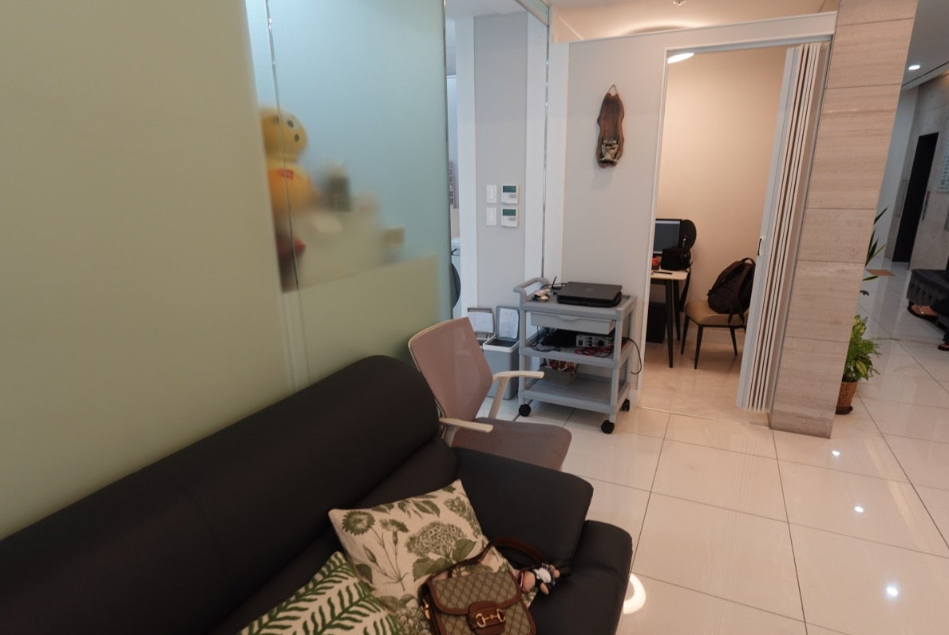
The Treatment Philosophy of Smile View Dental Clinic, Demonstrated Through Results
I understand fear of the dentist better than most because I have personally experienced various dental treatments.
That is why I listen carefully to each patient’s situation and provide care based on trust.
I continue to approach every treatment with a strong sense of responsibility, without forgetting this commitment.
If you suspect that you have a cavity, please do not put it off any longer. Visit a dental clinic where the treating dentist provides responsible care and have your condition accurately examined.
< Recommended Reading >
| Sinsa Nonhyeon Station Smile View Dental Clinic |
|---|
| Monday–Wednesday, Friday (10:00–18:30) Saturday (10:00–15:00) * Closed Thursdays, Sundays, and public holidays |
| TEL : 0507-1398-7529 |

#SinsaCavityTreatment #CavityTreatmentInsurance #CavityTreatmentInsuranceCoverage #DifferenceBetweenInsuranceAndNonInsuranceCavityTreatment #CavityTreatmentInsuranceVsNonInsurance #InsuranceCoveredCavityTreatment #SinsaCavityTreatmentCost