“Does teeth whitening at the dentist hurt?”
Hello. I’m Dr. Han-gyeol Kim, the director of Smile View Dental Clinic.
“Does teeth whitening at the dentist hurt?”
This is a common question from people who are considering teeth whitening for a brighter, more radiant smile but are hesitant to make a decision.
Many people feel a vague sense of fear because they have heard that their teeth may tingle or become sensitive during whitening.
To give you the conclusion first, the discomfort that occurs during teeth whitening varies from person to person and depending on the condition of the teeth.
As the director of Smile View Dental Clinic and a specialist in integrated dentistry with 16 years of experience, I aim to provide care that considers not only making teeth whiter but also each patient’s oral condition and harmony with their facial features.
I make comprehensive evaluations that include other treatment options, such as veneers, and recommend only the treatments that are truly necessary. Having personally experienced various dental treatments, I understand patients’ fear of treatment better than anyone and provide thorough explanations.
Today, I’ll explain teeth-whitening pain in detail to help ease your vague concerns and help you find a whitening method suited to the condition of your teeth.
“Zing! Throb!” What Does Teeth-Whitening Pain Actually Feel Like?
“My tooth suddenly tingled during whitening, and it startled me.”
“I keep feeling a throbbing sensation in my teeth.”
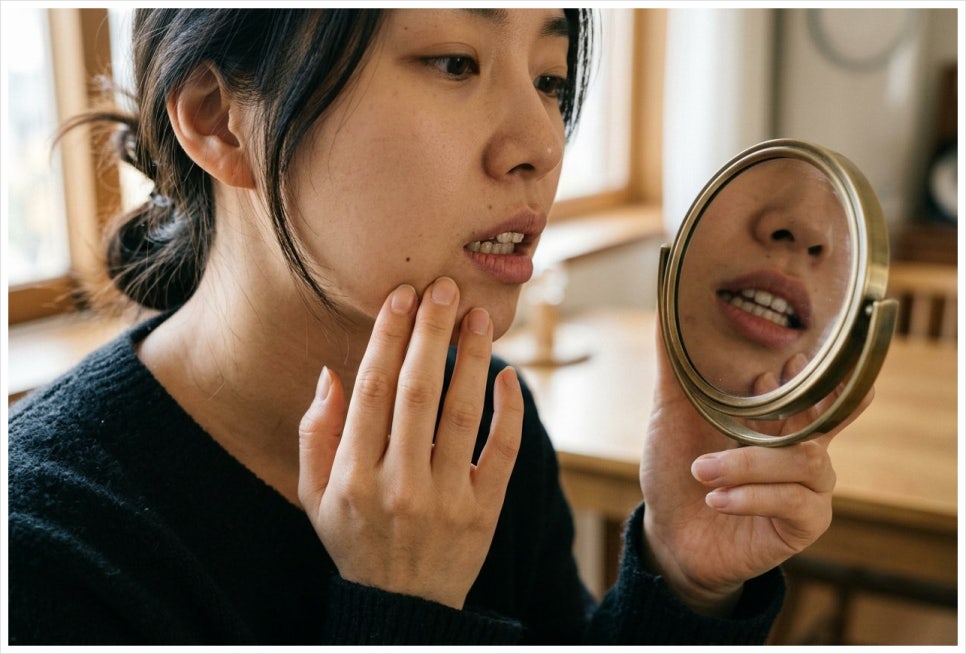
People who experience discomfort after teeth whitening usually describe it as “tingling,” “sensitivity,” or “throbbing.”
It may feel like a sudden twinge, similar to when cold ice touches a tooth, or like a dull throbbing pain throughout the teeth.
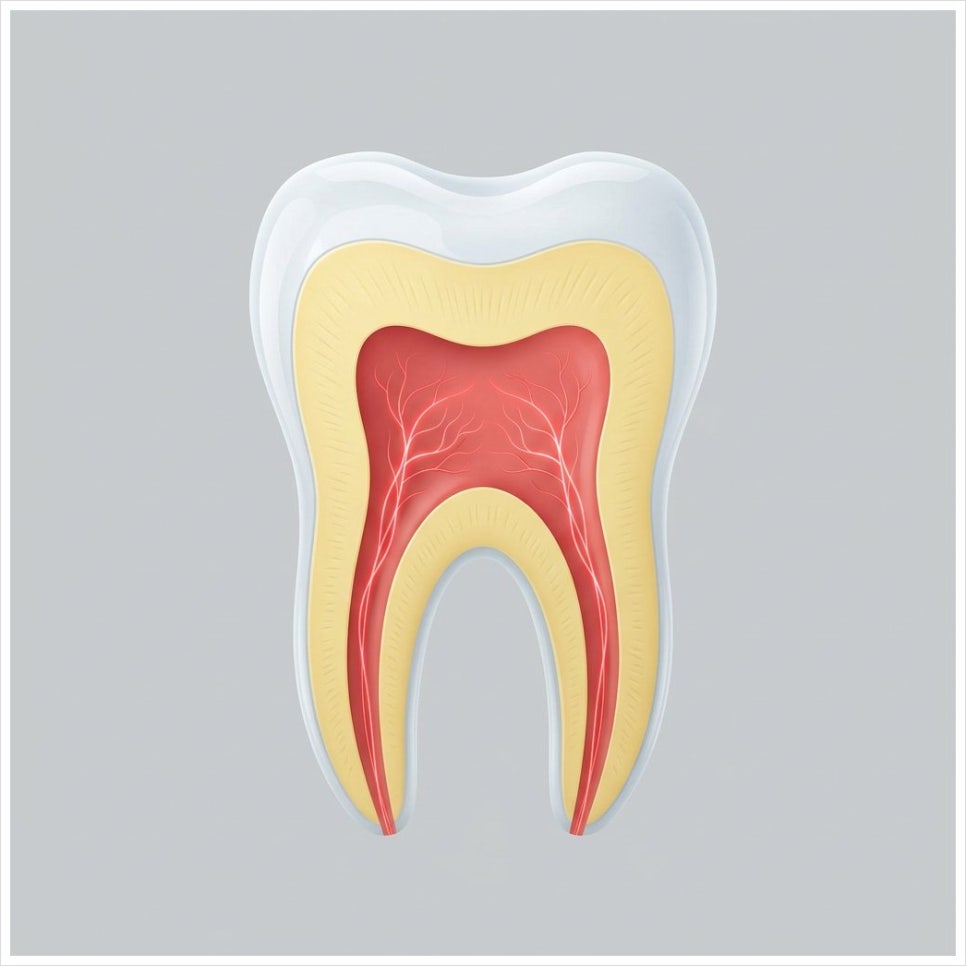
These symptoms may occur as hydrogen peroxide, the main ingredient in whitening products, penetrates into the tooth through tiny openings on the tooth surface called dentinal tubules.
Although this is how the tooth color is brightened, stimulation may reach areas close to the inner nerve during the process, temporarily causing a sensitive reaction.
In most cases, these symptoms are temporary and generally disappear naturally within 24–48 hours.
Why Are Some People Fine While Others Feel Sensitivity? The Reasons People Respond Differently
“I was fine, but my friend said the sensitivity was so severe that it was difficult. Why are our reactions so different?”
The reason people respond differently even when they receive the same whitening treatment at the same dental clinic is that each person’s dental condition is different.
The most important precaution for teeth whitening is to accurately assess your oral condition before the procedure.
- If your teeth were already sensitive
If your teeth have usually felt sensitive even when drinking cold water, the tooth surfaces may already be in a sensitive condition.
In this case, they may react more sensitively to the whitening product.
- If there are cracks in the teeth
If there are tiny cracks or fractures that are difficult to see, the whitening product may penetrate deeper through them and cause sensitivity.
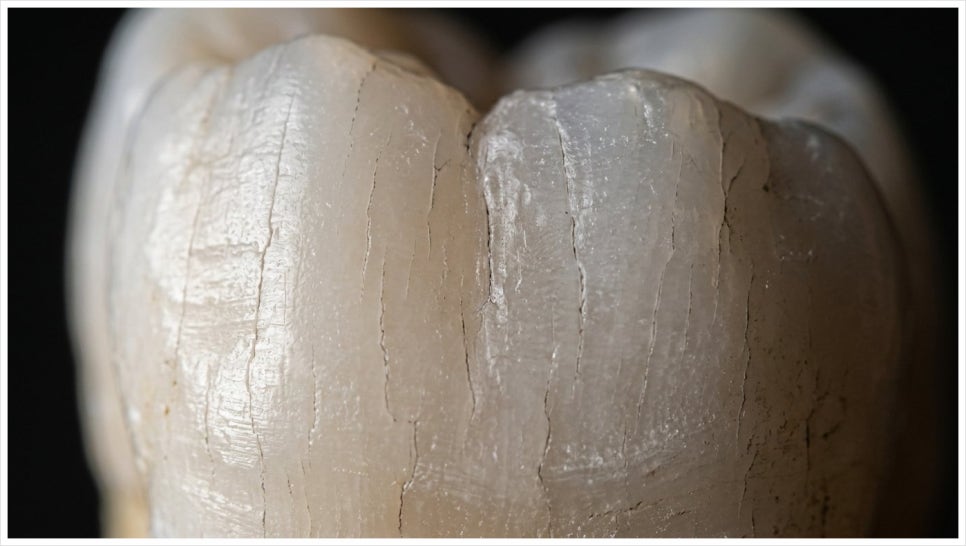
- If you have cervical abrasion or tooth decay
If the area where the teeth meet the gums has worn away due to improper brushing or another cause, exposing the inner tooth tissue, you may be more likely to experience sensitivity.
Tooth decay can also cause pain, so it must be treated before whitening.
- The concentration and application time of the whitening product
A higher concentration or longer application time may produce faster results, but it can also cause stronger stimulation and increase the likelihood of sensitivity.
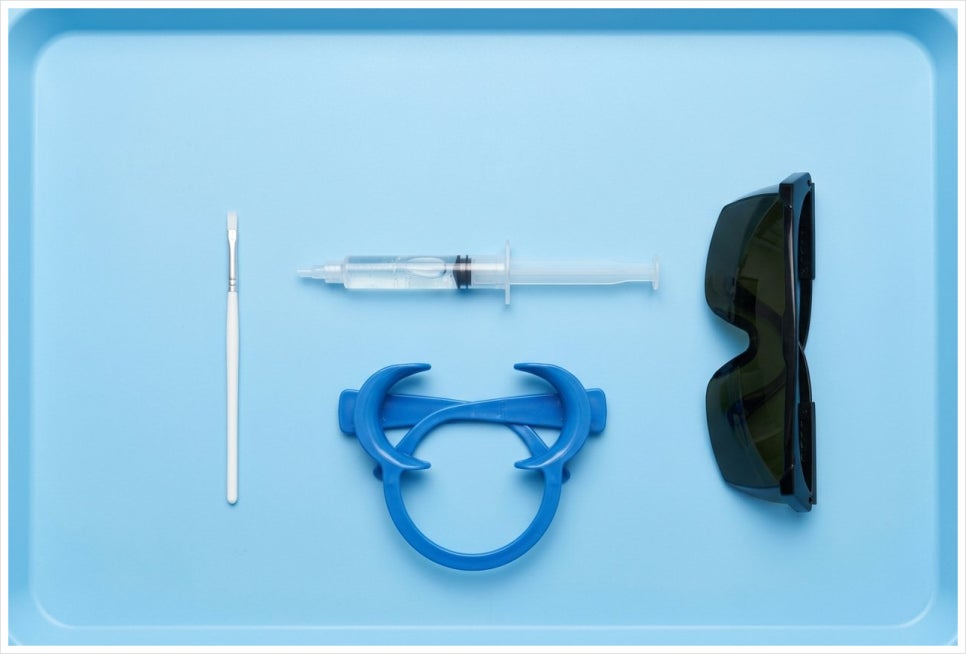
Customized Whitening for You: The Key to Easing Concerns About Pain
Ultimately, the key to reducing concerns about teeth-whitening pain is choosing a method suited to the condition of your teeth through an accurate diagnosis before the procedure.
I do not automatically start with whitening.
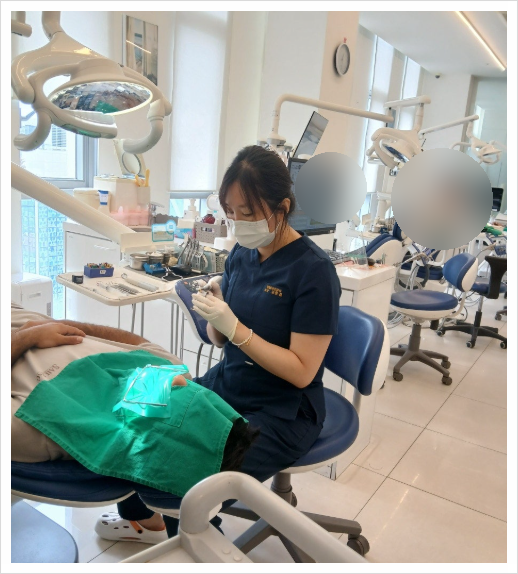
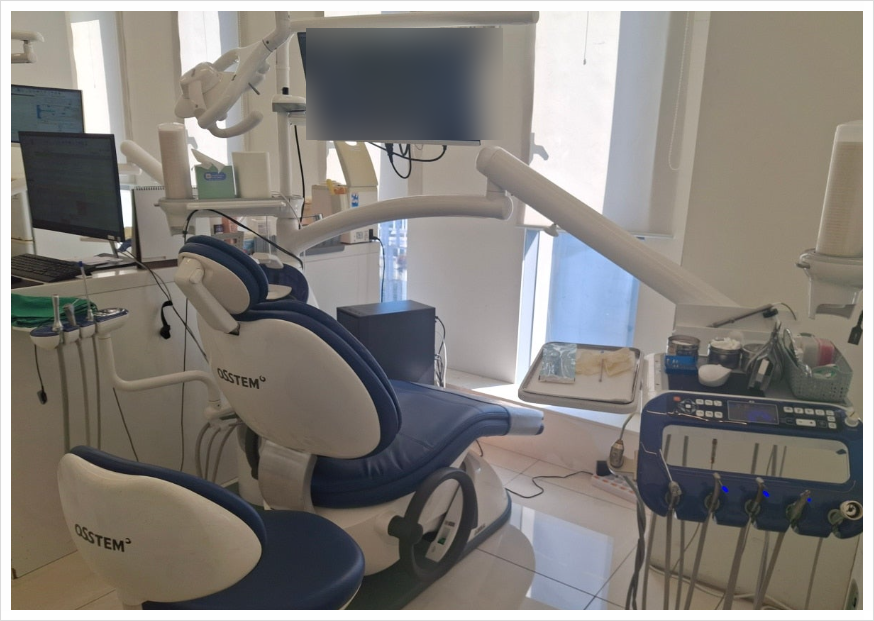
First, I carefully examine your oral condition.
As a specialist in integrated dentistry, I closely check whether your teeth have cracks, cavities, or worn areas.
If any areas require treatment, I first explain which treatments should be completed before whitening.
I believe that the reason patients continue to visit from far away and place their trust in us, like the patient who regularly traveled from Jeju Island for orthodontic treatment, is this careful approach and trust.
Second, I adjust the whitening plan according to the patient’s sensitivity.
Depending on the patient’s tooth sensitivity, I adjust the concentration or application time of the whitening product and create an individualized plan, such as applying ingredients that may help ease sensitivity.
Because I understand how people who are afraid of the dentist feel, I explain every step thoroughly and help you receive treatment comfortably.
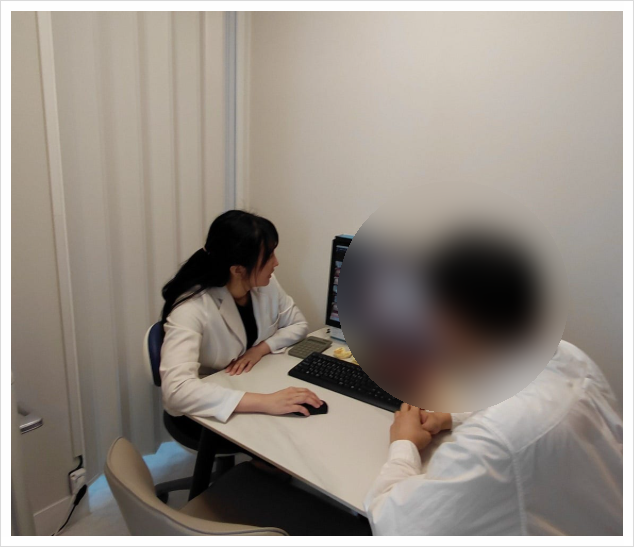
My answer to the question, “Does teeth whitening at the dentist hurt?” is: “With an accurate diagnosis and a customized plan, your concerns can be greatly reduced.”
If you want to find a healthy smile that looks natural and suits your face—not simply whiter teeth—please feel free to leave a comment at any time.
Just as I recommended orthodontic treatment to someone who came in considering veneers and helped them achieve a satisfying result with only the treatment they needed, I will work with you to consider the best approach for you.
< Related Articles >
| Sinnonhyeon Station Smile View Dental Clinic |
|---|
| Monday–Wednesday, Friday (10:00–18:30), Saturday (10:00–15:00) * Closed Thursdays, Sundays, and public holidays |
| TEL : 0507-1398-7529 |
#SinnonhyeonStationDentalClinic #SinnonhyeonDentalClinic #GangnamDentalClinic #TeethWhiteningPain #DoesTeethWhiteningHurt #GangnamTeethWhitening #SinnonhyeonTeethWhitening #SinnonhyeonStationTeethWhitening