
Hello.
Just enough to make you look better!
I’m Lee Mira, chief director of Banni Skin Clinic.
From when I first started performing dermatology procedures to now, I still believe the most important virtue for medical professionals is honesty. Because of that, we do not even carry procedures that I would not confidently recommend to myself or my family.
With that principle in mind, there are actually a few procedures I have not recommended very often. One of them was under-eye filler. You may have heard of it before, but under-eye filler has long been associated with issues such as lumping and the Tyndall effect (a bluish appearance of the filler).
But recently?
Yes. Things are different now.
Not only have various products dedicated to under-eye filler been developed, but the procedure methods have also been reorganized, making it possible to improve results while minimizing side effects. That is why under-eye filler has become one of the procedures I personally like.
The problem is that many people still think information from “years ago” about under-eye filler is still true.
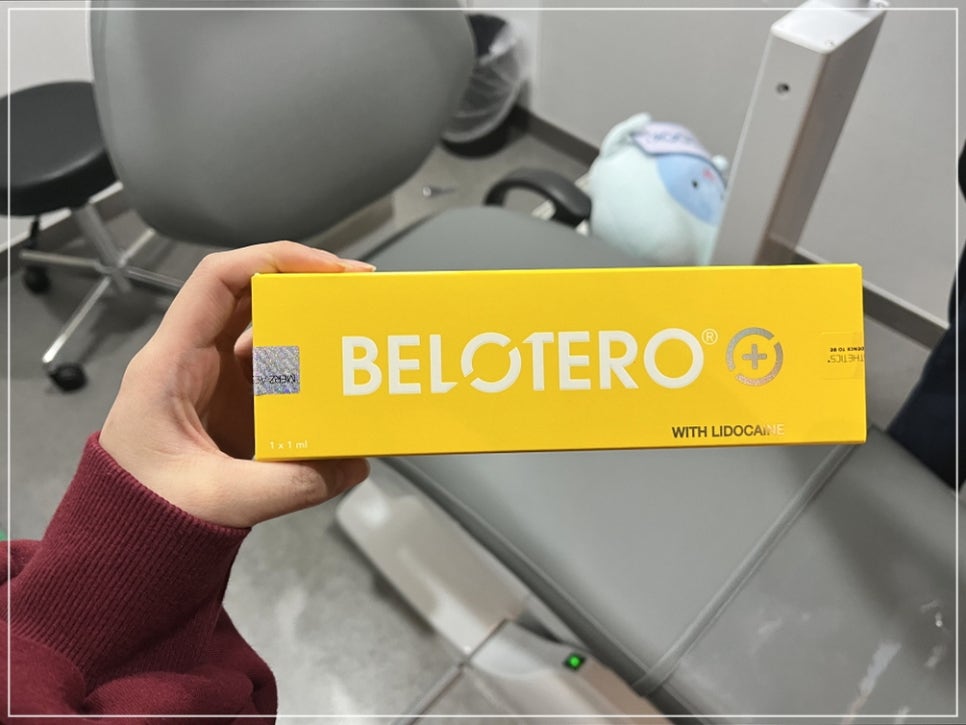
So today, I’d like to take some time to correct misconceptions about under-eye filler, which brightens hollow under-eyes that can make a face look tired and worn out.
Of course, because the skin under the eyes is the thinnest on our body, side effects can occur if the procedure technique is not adequate. In other words, since a lot depends on the medical professional’s skill, I’ll also share my honest opinion on the conditions needed to achieve both safety and good results with under-eye filler.
Under-Eye Filler: Fact Check
1) Under-eye filler can look unnatural or clump.
In the past, when there were problems with under-eye filler, there were no fillers specifically made for the under-eye area. As a result, high-viscosity fillers originally used for adding volume were used as they were. That was exactly the problem.
Because those fillers did not blend well with the skin layers, they could clump over time or create an uneven surface.
But now, things are different.
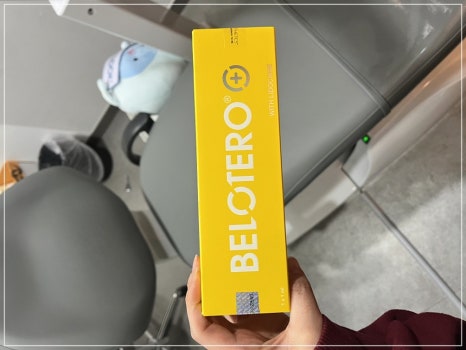
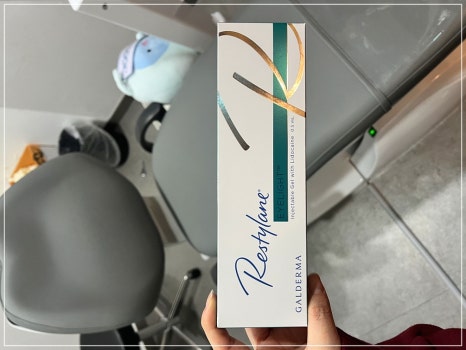
With the development of dedicated under-eye fillers such as Belotero Soft and EyeLight, there is no longer a need to use highly viscous fillers.
Under-eye-specific fillers have lower viscoelasticity than conventional fillers and blend smoothly with skin tissue, allowing them to settle naturally.
In other words, what matters is which filler is used.
Now that we can choose a product that spreads naturally without clumping, a smooth and bright result is possible.
2) Under-eye filler turns blue over time. (Tyndall effect)
When the area under the eyes appears bluish after filler treatment, this is called the Tyndall effect.
It happens when the filler is injected into a layer that is too shallow, closer to the skin surface than where it should originally be placed, causing light to pass through the filler and make it appear bluish.
Because the skin under the eyes is thin, this effect can be more noticeable if the filler is placed incorrectly.
In the past, because highly viscous products rather than under-eye-specific fillers were used, it was difficult to properly control injection depth, and the Tyndall effect occurred frequently. But now, things are different.
First, as mentioned earlier, under-eye-specific fillers blend naturally with the skin tissue, which minimizes the Tyndall effect. Also, when injecting filler, if it is placed at the proper depth rather than too superficially, this effect can be prevented.
3) Under-eye filler spreads or moves over time.
In the past, because fillers had lower viscoelasticity, there were many cases where they spread downward under the influence of gravity or shifted to one side over time.
In particular, since the under-eye area has thin skin and moves frequently, the filler could move away from its original position and spread irregularly.
However, under-eye-specific fillers are products with improved density, molecular structure, and tissue adhesion compared to conventional fillers, so these problems are very unlikely to occur. Because under-eye-specific fillers have low viscoelasticity, they blend smoothly with the skin tissue while having little to no chance of spreading or moving.
In addition, because injection techniques have become more refined, if the filler is distributed evenly at the correct depth, it can remain stable in its original position over time.
Of course, even when using the same under-eye-specific filler product, problems such as clumping or a swollen appearance can still occur if the injection method is not correct. That is why there are several key points you must check when getting under-eye filler.
Under-Eye Filler Checklist
1. Check the filler product
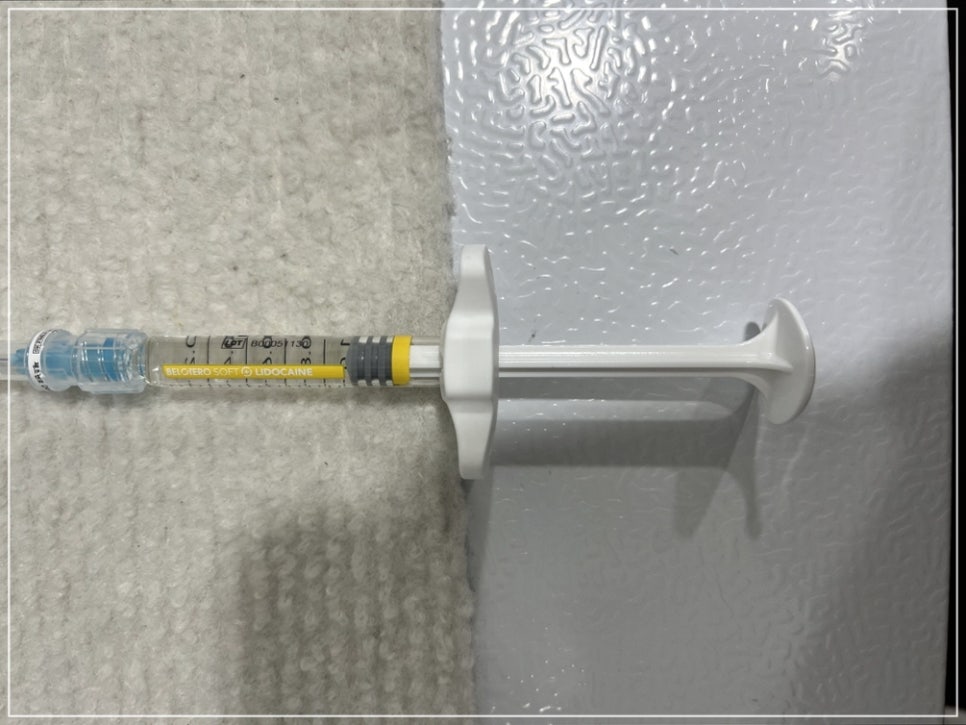
Because the under-eye area has thin skin and many blood vessels, using a regular filler as-is can cause the clumping and Tyndall effect mentioned above.
Therefore, before the procedure, be sure to check whether under-eye-specific fillers such as Belotero Soft or EyeLight are being used.
2. Injection technique
No matter how low-viscosity the under-eye-specific filler is, if the injection depth is too shallow? Yes, that’s right. The Tyndall effect can occur.
On the other hand, if it is injected too deeply, the filler cannot create volume in the intended area, which may lead to unnatural results.
Therefore, when injecting under-eye filler, it must be done precisely in multiple layers. Only then can side effects be minimized and results improved.
3. Appropriate amount
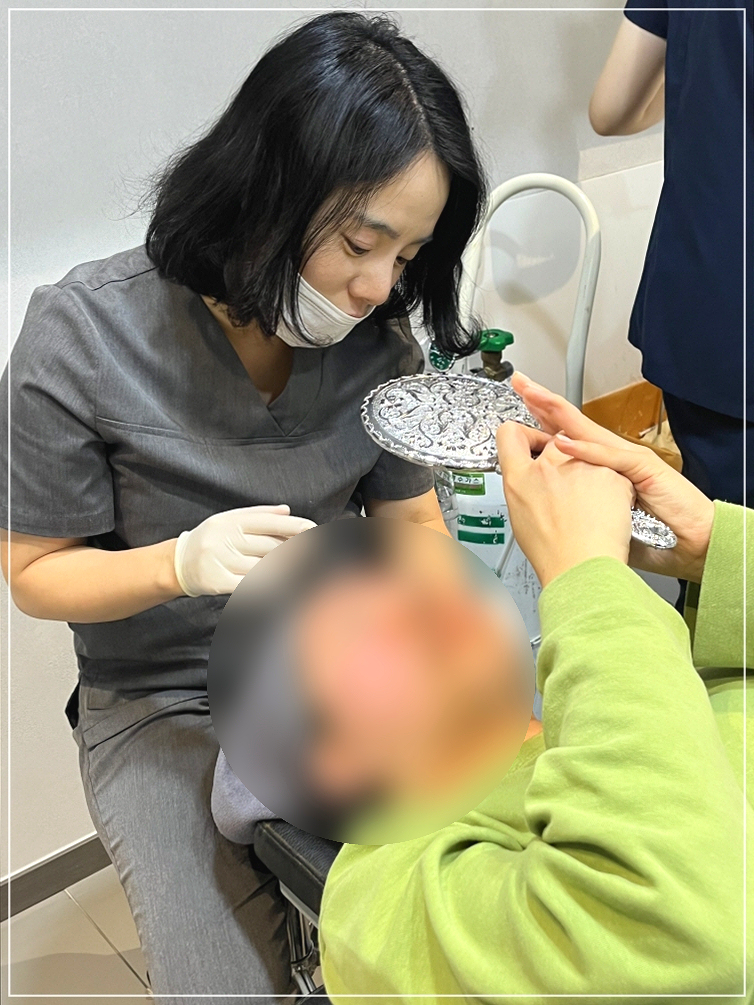
The under-eye area is a place where even a very small amount of filler can make a noticeable difference. In fact, if too much is used, the result may look unnatural. It can also become swollen over time.
Therefore, it is best to keep the amount of under-eye filler within an appropriate range of 3 cc or less. Only when the proper amount is injected can a natural and stable result be achieved.
4. A design that harmonizes with the face
Under-eye filler is not simply a procedure that fills in hollow areas.
The overall harmony of the face shape must be carefully considered. Only by designing with the volume from the under-eye groove to the front cheekbone in mind can you achieve a natural result that harmonizes with the whole face.

5. Inject slowly in small amounts
Because the under-eye area is a sensitive skin region, injecting a large amount at once can cause the filler to clump in one spot and create an uneven result. Therefore, it should be injected slowly in small amounts over several sessions so that it spreads evenly.
The injection speed is also important.
If the product is injected too quickly, the pressure coming out of the needle tip increases, making it more likely to push aside or damage blood vessels.
In other words, under-eye filler should be injected slowly and at a steady speed to achieve a soft, smooth result.
6. Combination treatment depending on the case
If the cause of dark circles is hollowing under the eyes, under-eye filler can improve the area to look brighter and more refreshed.
But what if the case includes issues beyond under-eye hollowness? Yes, that’s right. Under-eye filler alone may not be enough to deliver sufficient improvement.
If we organize the appropriate combination treatments by case:
If under-eye fat protrusion is causing severe hollowness under the eyes? Under-eye fat laser
If the under-eye area has lost elasticity and looks uneven: Oligio or Eye Shurink
If there are many fine wrinkles under the eyes? Oligio or Eye Rejuran
If dark circles are caused by pigmentation, toning laser treatment should be combined.
| Checklist | Description |
|---|
| Under-eye-specific filler | Do not use regular high-viscosity filler; use under-eye-specific fillers such as EyeLight and Belotero Soft |
| Proper injection depth | If the injection is too shallow, the Tyndall effect can occur; if too deep, it is difficult to create volume; injecting in multiple layers is important! |
| Appropriate amount | Even a small amount of 3 cc or less can be effective under the eyes; too much can cause swelling or an unnatural look |
| Design | Pre-procedure design that balances the entire face by considering not only under-eye hollowness but also front cheekbone volume |
| Small amounts, slowly | Inject slowly in multiple small doses to minimize blood vessel damage and filler clumping |
| Combination treatment by case | Combine procedures that can create synergy depending on the case (under-eye fat laser, Oligio, Eye Shurink, Eye Rejuran, toning laser) |
Under-Eye Filler, Approach It Carefully
But there is no need to be afraid.
Now, you can set aside worries about risk and unnatural results when it comes to under-eye filler.
With the development of under-eye-specific products and more refined procedures, it is possible to achieve a safe and natural, youthful-looking impression.
Of course, no matter how safe a filler is, how it is performed still matters, right?
When an individual’s facial structure and condition are carefully analyzed and the appropriate combination treatment is performed according to the case, the expected result—or even better—can be achieved.
I always meet patients with the standard of, “Would I recommend this procedure to my own family?”
That is because I believe the real role of medical professionals is to think carefully, study, and approach treatment cautiously in order to solve the patient’s concerns while also achieving a natural result that harmonizes with the face.
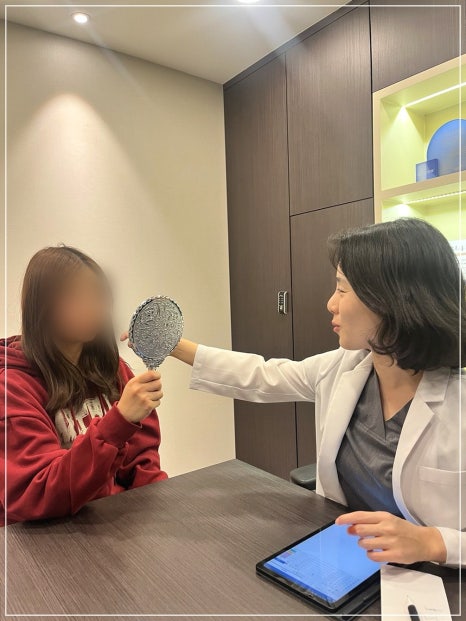

Therefore, if you are considering under-eye filler, think about, “Which dermatology clinic should I receive it from, and what principles do they follow?”
If it is a dermatology clinic with medical professionals who genuinely care about patients, you can achieve safe, natural, and beautiful changes.
To you, who are already dazzlingly beautiful.
I’m Lee Mira, a natural beauty designer who brings out your original charm.
Thank you. 😊
[This is a helpful post for those who are tired of moving from one dermatology clinic to another.]
https://blog.naver.com/rush_724/223722705096