Hello.
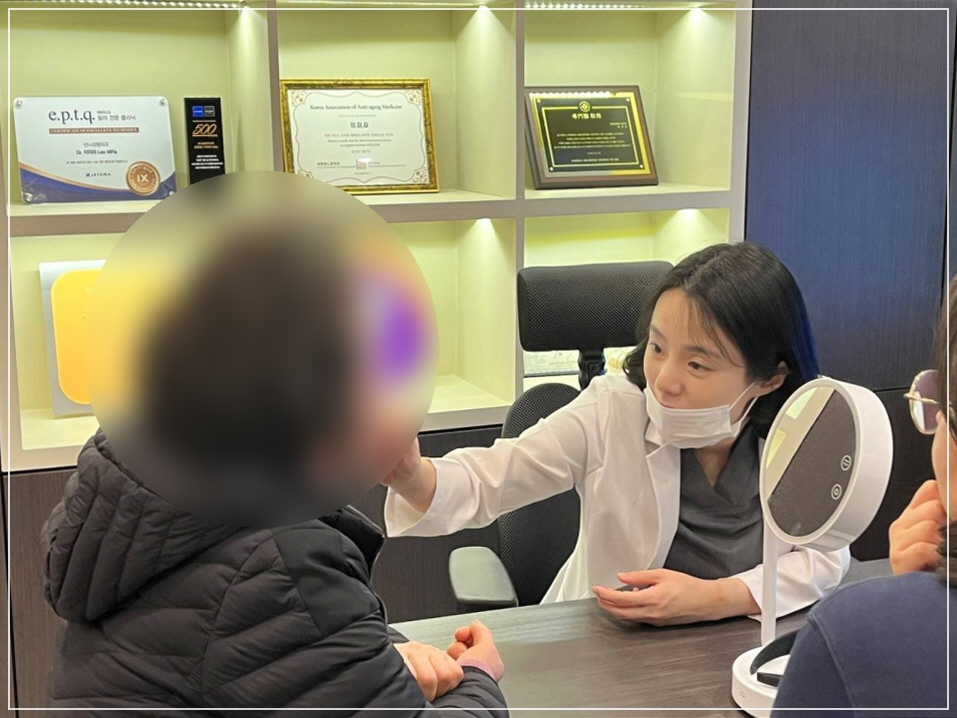
I’m Mira Lee, the head doctor of Vanni Skin Clinic in Gangnam,
and I recommend only the procedures that are truly necessary, and only those that are safe and ones I can confidently perform.
When I’ve focused on skin procedures for a long time, there are two things I always pay close attention to. (I leave out effectiveness because that goes without saying.) Those are pain and safety.
I have a relatively low pain threshold myself, so when I see patients struggling with pain during procedures, I feel like I understand what they’re going through.
When I see patients in a lot of pain during treatment, I often feel sorry because I know what that pain is like. That’s why, three days a week, we provide sleep sedation during skin booster procedures for those who want it. (Please check the website for details.)
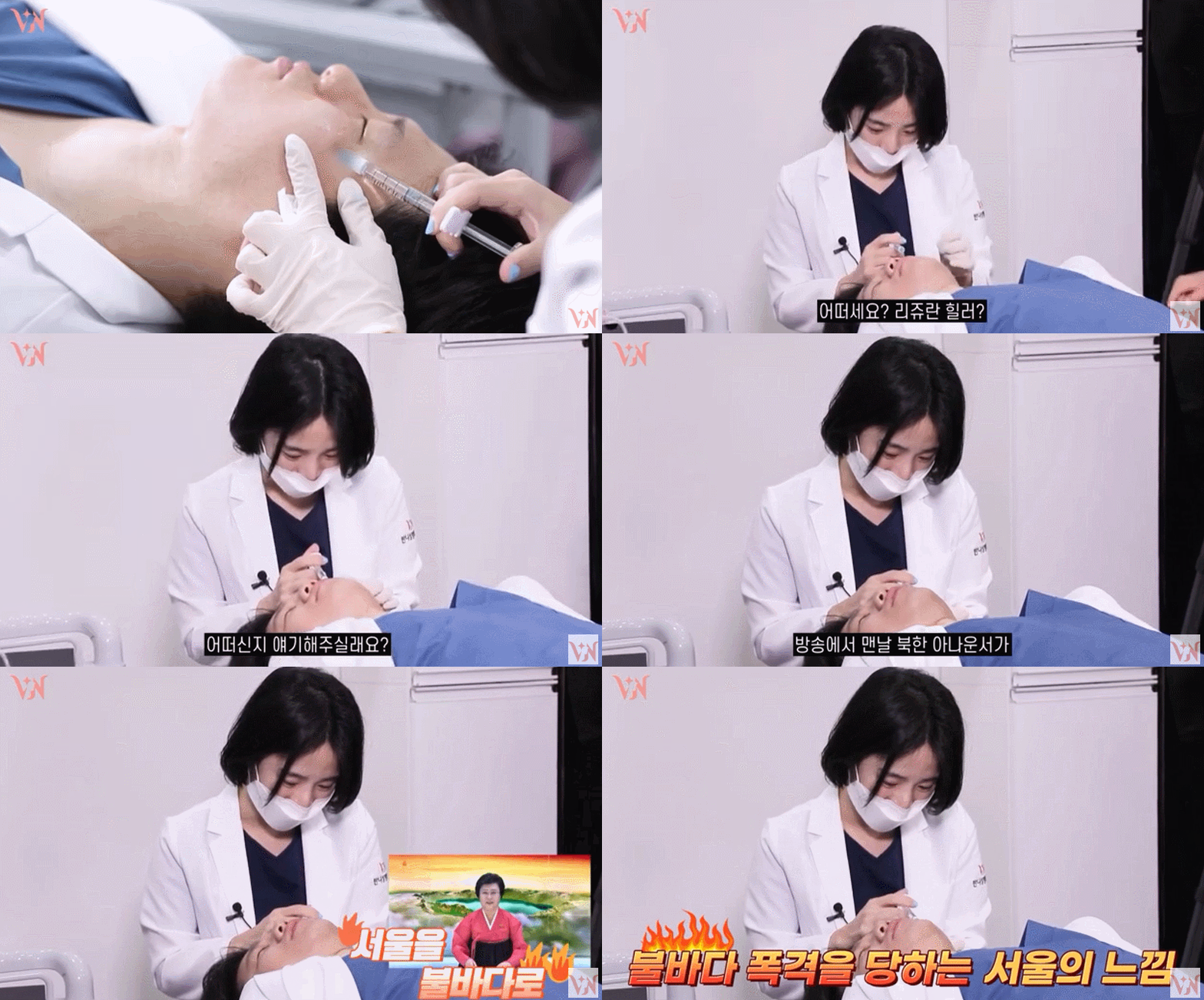
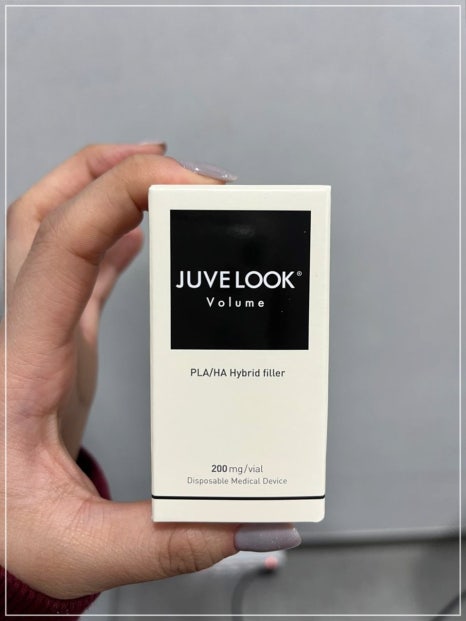
Because our clinic performs both procedures and surgeries, we are able to provide a systematic anesthesia process, which allowed us to make this decision. Above all, since Rejuran, Juvelook, Lizne, and thread lifting can all be done comfortably under sleep sedation, I can focus more on the procedure itself, which also helps me deliver better results.
That said, for people who are trying sleep sedation for the first time, it’s natural to have many concerns.
So today, I’d like to talk about the pros and cons of sleep sedation procedures, things to keep in mind, and the features of other anesthesia options.
If you’ve never even considered skin booster procedures like Rejuran Healer or Juvelook because of pain, this article may offer an alternative.
What are the characteristics of sleep sedation?
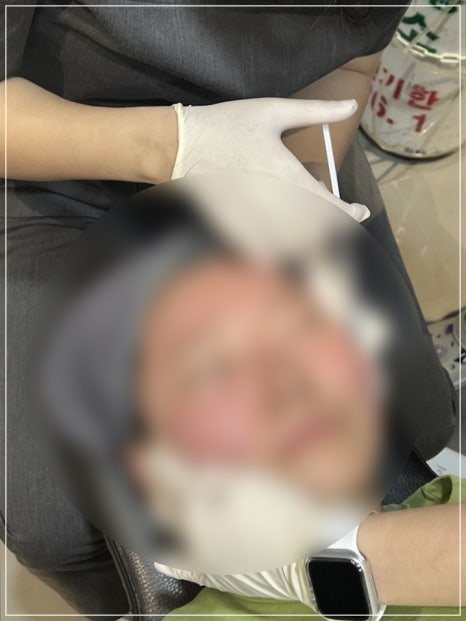
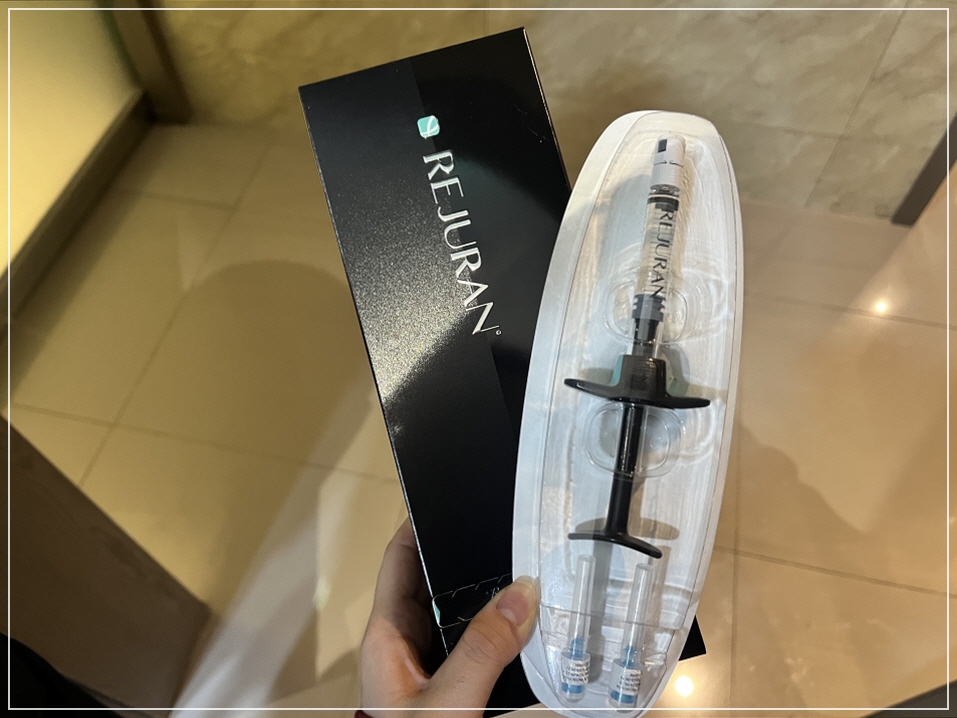
Skin booster procedures require medication to be injected deep into the skin, so many people hesitate because of needle anxiety or pain. For these patients, sleep sedation can be one option.
Sleep sedation is exactly what it sounds like: a method in which you receive the procedure while comfortably asleep.
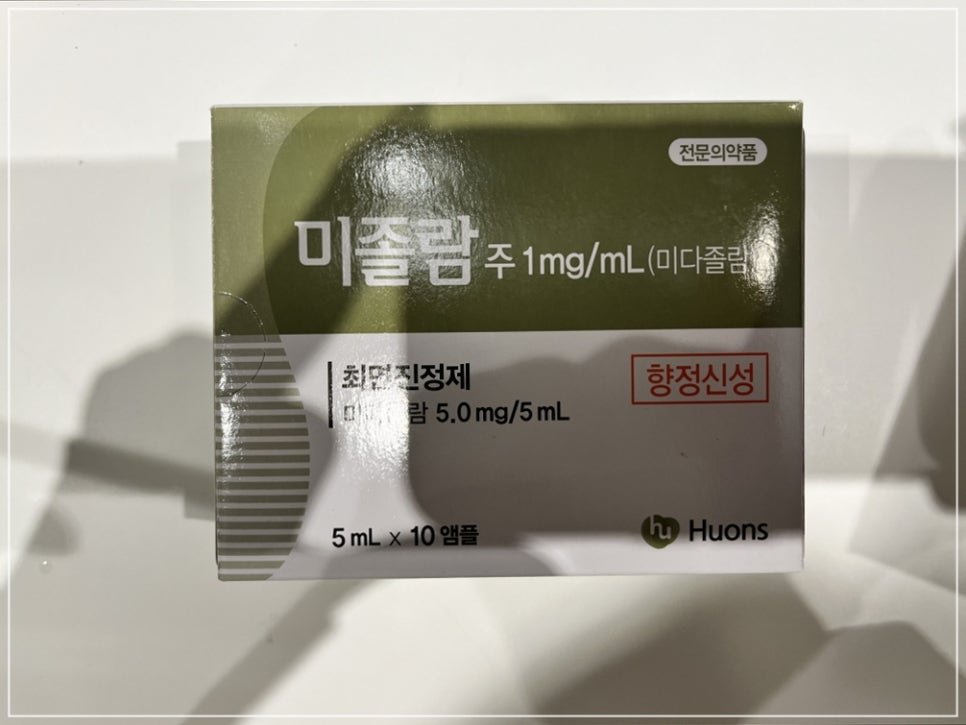
Medical anesthetics such as propofol, midazolam, and ketamine are administered through an intravenous line. After about 5 to 10 minutes, your body and mind relax and you gently fall asleep.
Because the procedure is performed while you are asleep, you do not feel any discomfort or pain during the treatment.
And once the procedure is finished, you wake up from the anesthesia. It’s easy to understand if you think of it like having a sleep endoscopy: you close your eyes briefly, then open them, and it’s already over.
Advantages of sleep sedation: comfortable, with no pain and no memory of it
The biggest advantage of sleep sedation is definitely that it reduces concerns about pain.
- You feel no sensation during the procedure, so there is no burden.
Because you do not feel sensations such as needle stimulation, stinging, or itching, even people who are sensitive to pain or anxious about the procedure itself can receive treatment comfortably.
- Because you do not remember the procedure, there is no psychological stress.
This can be thought of as a kind of memory-erasing effect. Since you have no memory of painful or uncomfortable moments, future procedures become much easier to face.
- Since you do not move during the procedure, unnecessary stimulation is reduced.
When people feel pain during treatment, they instinctively flinch or tense up. This is a reflexive response, so even if you try to endure it, it often doesn’t go as intended.
In particular, during procedures like skin boosters that require multiple injections into the skin, even a small movement can cause the needle to go deeper or shallower than intended, which may create unnecessary irritation.
This kind of irritation can easily lead to tissue damage.
In the end, it can cause bruising or prolonged swelling after the procedure. Furthermore, it can affect the treatment result, so this is also a very important issue from a doctor’s perspective.
However, in a state of sleep sedation, the body remains comfortably relaxed, so there is no need to worry about the patient moving. The procedure can be performed accurately and steadily on the target area, so the needle is far less likely to irritate the skin unexpectedly.
As a result, discomfort such as bruising and swelling is reduced, and recovery is faster.
In short, it creates an environment where the provider can focus more carefully on the procedure and the patient can recover comfortably without worrying about unnecessary side effects.
Disadvantages of sleep sedation: precautions and schedule adjustments are needed
Of course, there are also things to consider with sleep sedation. It will be helpful to check the points below carefully before deciding.
- Fasting is essential.
You must not eat or drink anything, including water, for at least 4 to 6 hours before anesthesia. If food or water remains in the stomach, it can be dangerous during anesthesia, so fasting must be strictly observed.
- Recovery time is needed.
It takes about 30 minutes to 1 hour to wake up from the anesthesia after the procedure, and even after waking, you may feel mild dizziness or drowsiness.
- You cannot drive on the same day.
After anesthesia, your reflexes are dulled, which increases the risk of accidents, so you should avoid driving. We recommend using public transportation or visiting with a companion.
- It’s better to keep your schedule clear for the day.
Considering the recovery time, it may be difficult to go straight back to work or handle other appointments after the procedure. We recommend booking on a day when you have room in your schedule.
What if sleep sedation is difficult because of schedule adjustments or other reasons?
Sleep sedation can be very helpful for people who are sensitive to pain, but there are certainly cases where it is difficult to choose because of fasting requirements or schedule coordination. In those cases, there is no need to worry. In addition to sleep sedation, we provide various anesthesia methods tailored to the situation and individual preference.
- Local anesthesia: precisely numbing only the necessary area
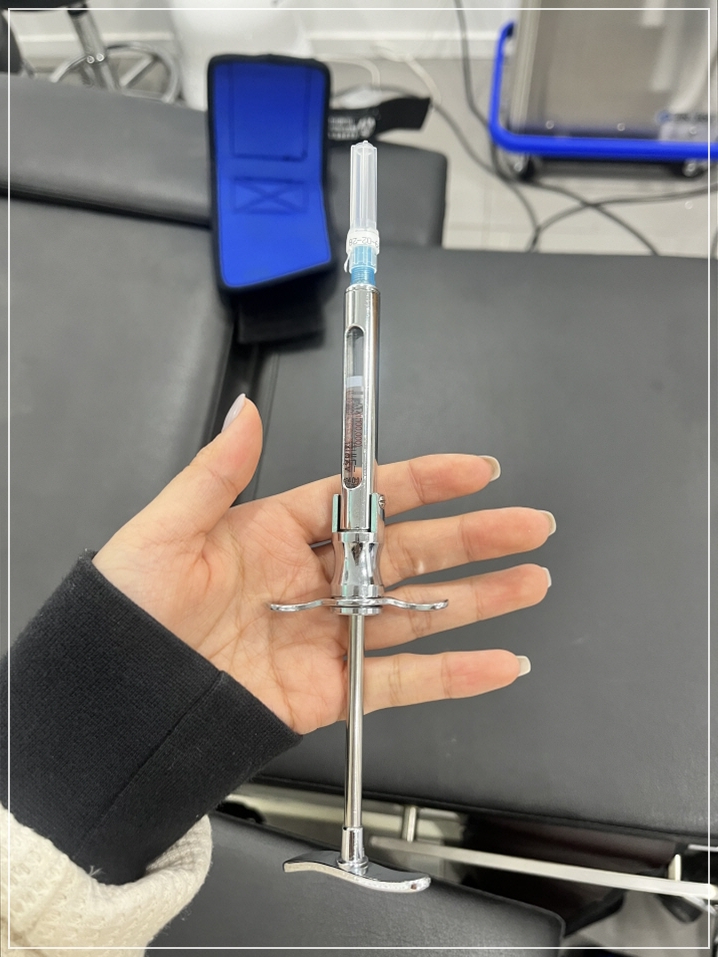
If a procedure like Rejuran Healer feels insufficient with anesthetic cream alone, but sleep sedation feels burdensome, local anesthesia can be a good alternative. It is a method in which a small amount of anesthetic such as lidocaine is injected at the point where the nerves pass to induce an anesthetic effect.
Unlike anesthetic cream, which only numbs the surface of the skin for a short time, local anesthesia reaches deep into the dermis, so its pain-relieving effect is much greater.
Because you remain fully conscious during the procedure, you can receive treatment comfortably, and another major advantage is that you can return to daily life immediately after the procedure without waiting for the anesthesia to wear off.
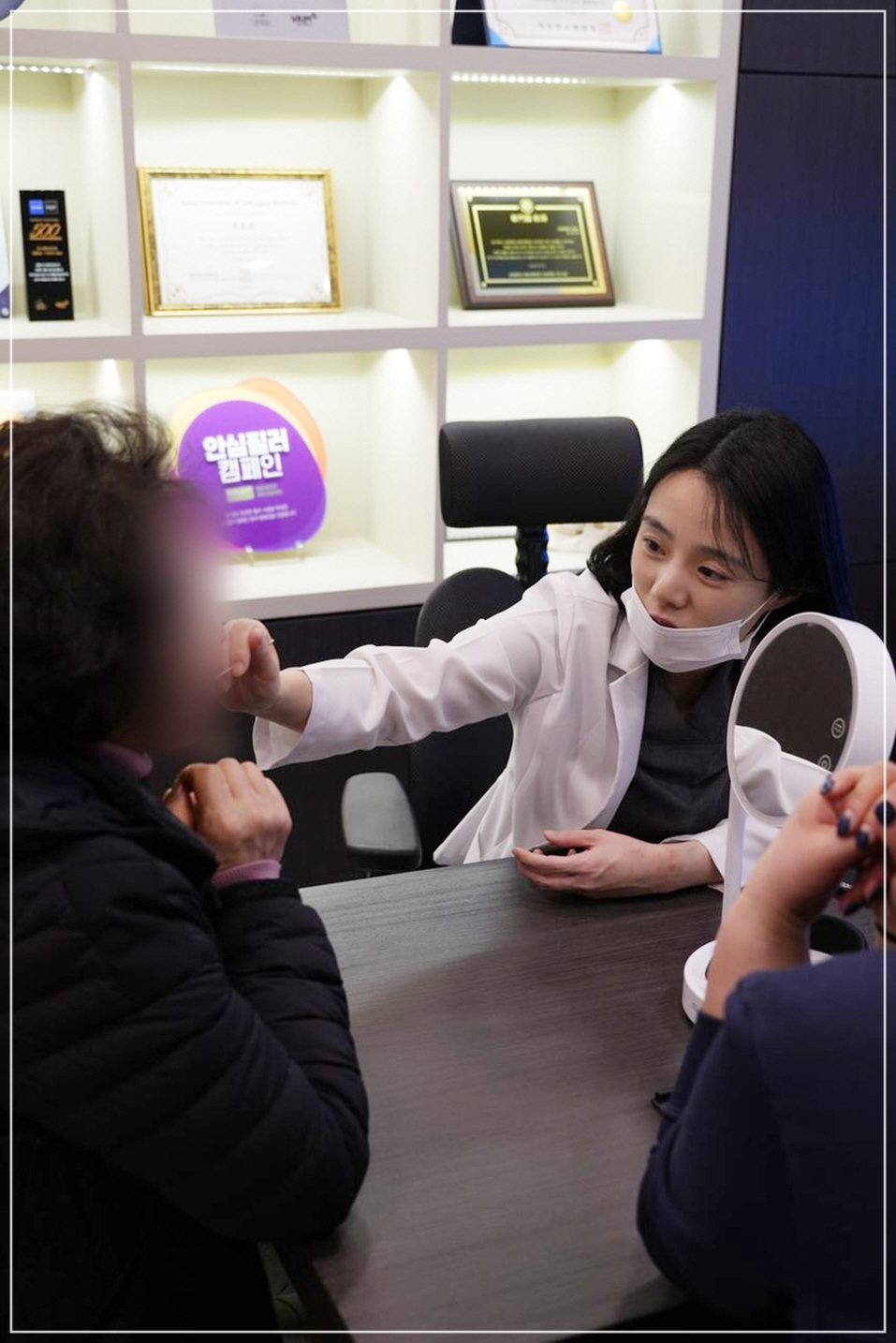
However, you may feel a slight sting when the anesthetic injection is given. And because the effectiveness of anesthesia varies from person to person, you may still feel the sensation of the needle entering, and part of the face may become numb.
Also, because the sensory nerves in the anesthetized area and even the motor nerves may be temporarily numbed, facial movement may feel uncomfortable for about 3 to 4 hours.
Considering these points, local anesthesia may be a suitable choice for people who can tolerate pain similar to dental treatment.
- Pain-relief injection: an additional pain-relief option when anesthetic cream is not enough
Another method is to apply anesthetic cream before the procedure and then receive an additional pain reliever by IV infusion or intramuscular injection. Rather than being used alone, it works best when combined with anesthetic cream to enhance pain relief.
Pain-relief injections are especially useful for people with high pain sensitivity. Compared with using anesthetic cream alone, the procedure can be much more comfortable. Above all, unlike sleep sedation, fasting is not required, and it is also easier to combine with other appointments on the day of treatment.
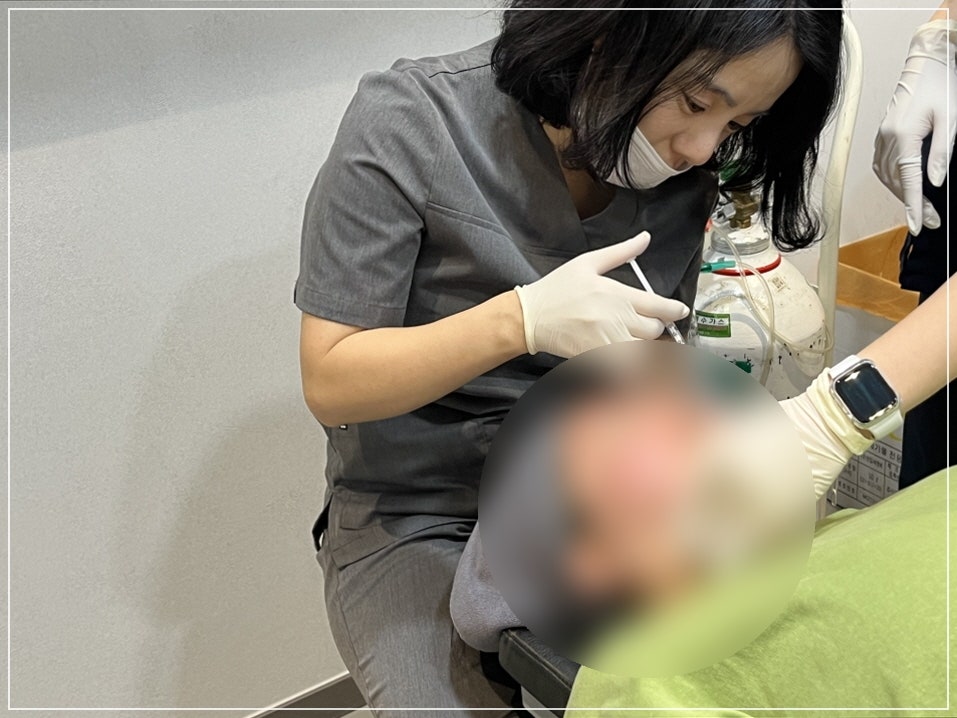
Also, because the procedure is done while you are fully awake, there is almost no recovery time after the anesthesia, and another major advantage is that you can return to daily life right away.
That said, the pain-relief effect can vary from person to person. Even with the same medication, some people feel a clear effect, while others may not experience as much pain reduction as expected. In rare cases, side effects such as dizziness or nausea may occur, so it is best to decide based on your own condition.
This is a suitable option for people who feel anesthetic cream alone is not enough but find sleep sedation too burdensome.
- Inhalation anesthesia (respiratory anesthesia): more convenient and faster
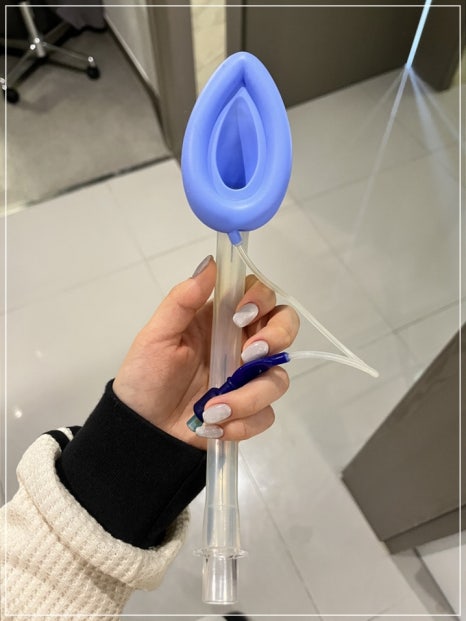
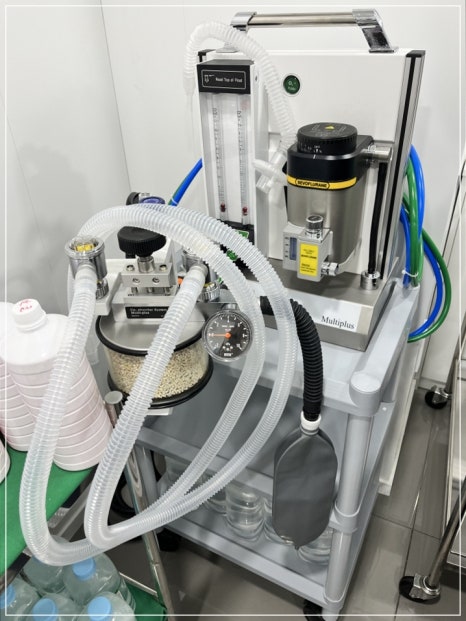
Finally, the method I’d like to introduce is one in which nitrous oxide, commonly known as laughing gas, is inhaled together with oxygen. In general, this is done after applying anesthetic cream. If necessary, a pain-relief injection may be added. When you inhale this gas, you quickly enter a light, drowsy state and your sensitivity to pain becomes dulled.
The biggest advantage of this anesthesia method is that it works very quickly.
It takes effect within seconds, and because the time needed to wake up from the anesthesia is short, you can return to daily life right after the procedure.
It also does not require fasting like sleep sedation, and it has the added benefit of reducing tension about the procedure itself.
In other words, it reduces pain and psychological 부담, so it can be a good choice for people who are afraid of procedures.
However, inhalation anesthesia is not completely pain-free.
Because the procedure is done while your consciousness is somewhat blurred, some people feel very comfortable, but there is a wide range of individual differences. Also, some people may feel dizzy after inhaling the gas, so it is best to check suitability through a pre-procedure consultation.
This is an anesthesia method suitable for people who feel sleep sedation is too burdensome but still want to reduce pain.
'Your comfort as a patient' is my biggest priority
So far, I’ve explained sleep sedation and other anesthesia methods. I hope this article has helped ease your worries or fears about pain, even a little.
The truth is, there is only one reason I talk about these things.
It is because, just as much as the treatment result, I want the patient’s mind and body to be comfortable throughout the process.
What I consider most important when performing a procedure is not simply improving the skin.
What matters most to me is helping patients finish the procedure safely, without pain or anxiety, and leave with a smile.
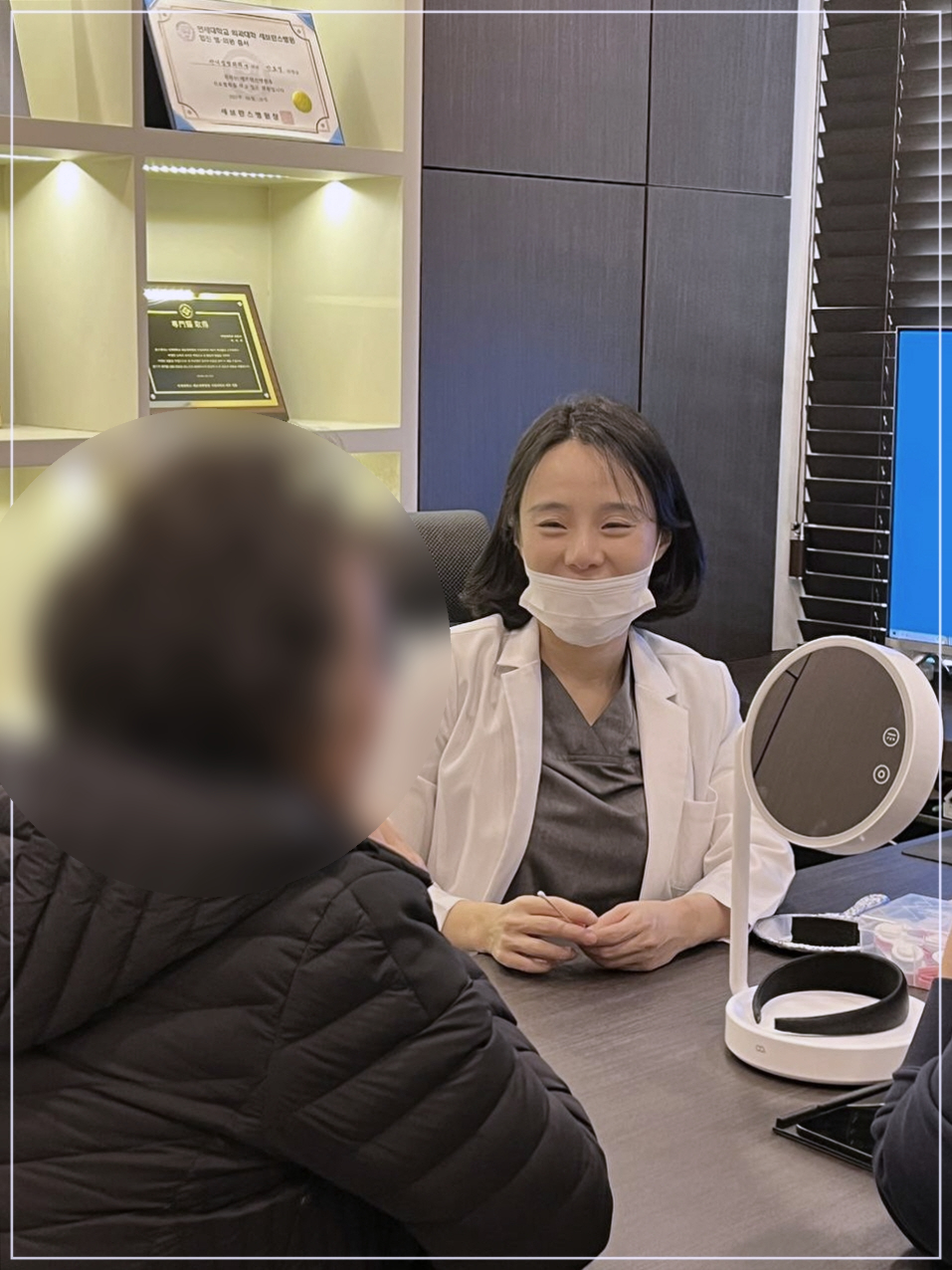
Fear of pain, dislike of needles, and worry about anesthesia
Whatever your concern may be, that’s okay.
Please don’t worry alone—feel free to contact us anytime.
With my sincerity that I want to deliver better results through a comfortable treatment experience, I will continue doing my best so that you can always trust us.
Without exaggeration, only sincerity.
This has been Dr. Mira Lee of Vanni Skin Clinic in Gangnam. Thank you.