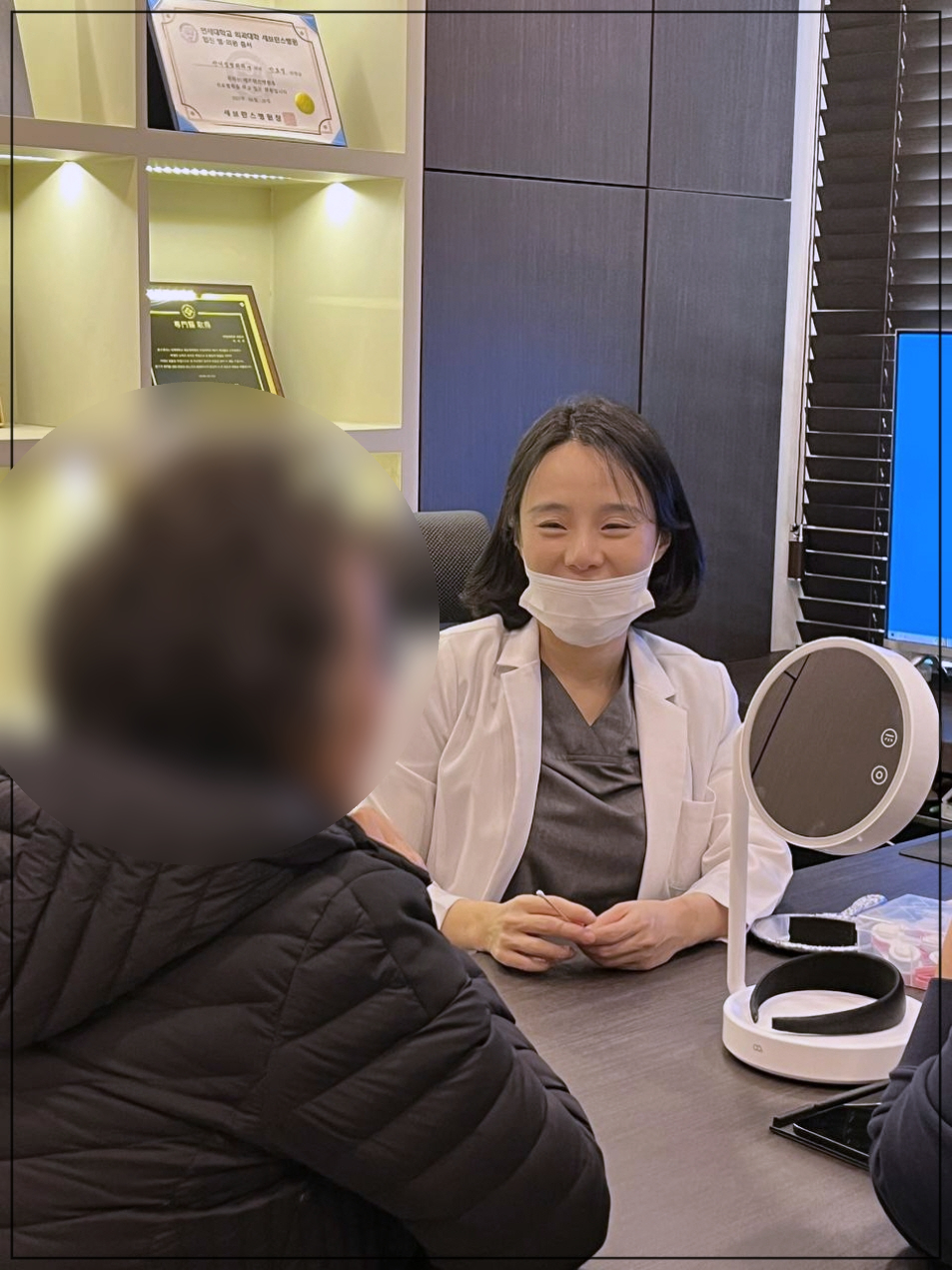
The best place for thread lifting for nasolabial folds in Gangnam looks at both hollowness and sagging.
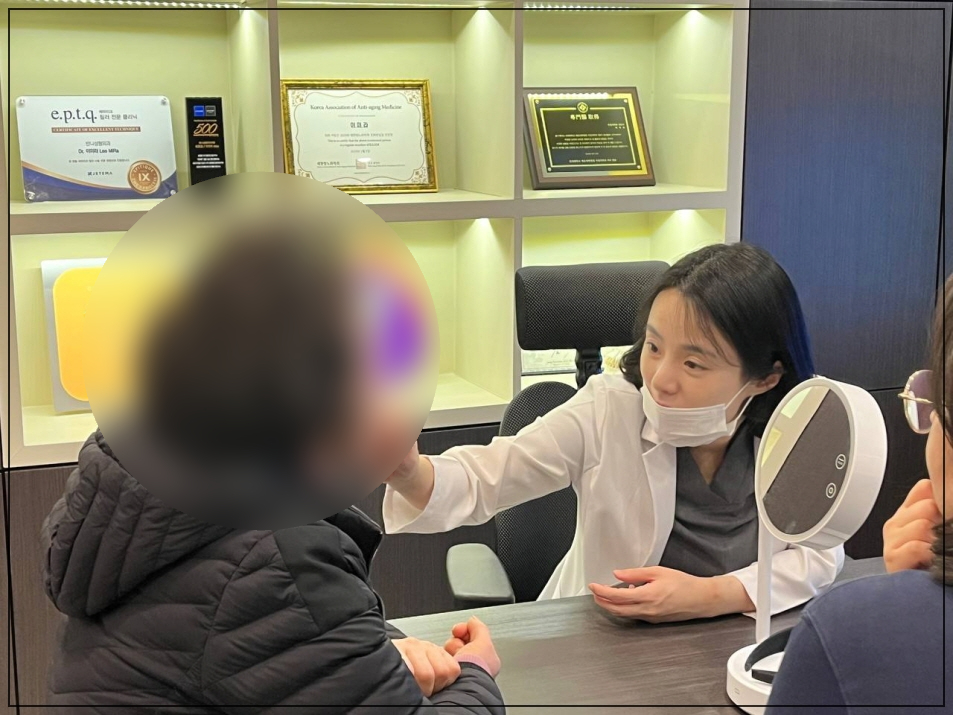
Banri Plastic Surgery Clinic, the best place for thread lifting for nasolabial folds in Gangnam
Hello.
I’m Mira Lee, Chief Director of Banri Skin Clinic,
who keeps only sincerity and leaves out exaggeration.
One of the most common concerns I hear in the exam room is, “Can’t you do something about my nasolabial folds?”
Every time they take a photo, shadows appear especially around the nasolabial area, and no matter how diligently they do self-care with gua sha, massage, and patches, the nasolabial folds just don’t budge.
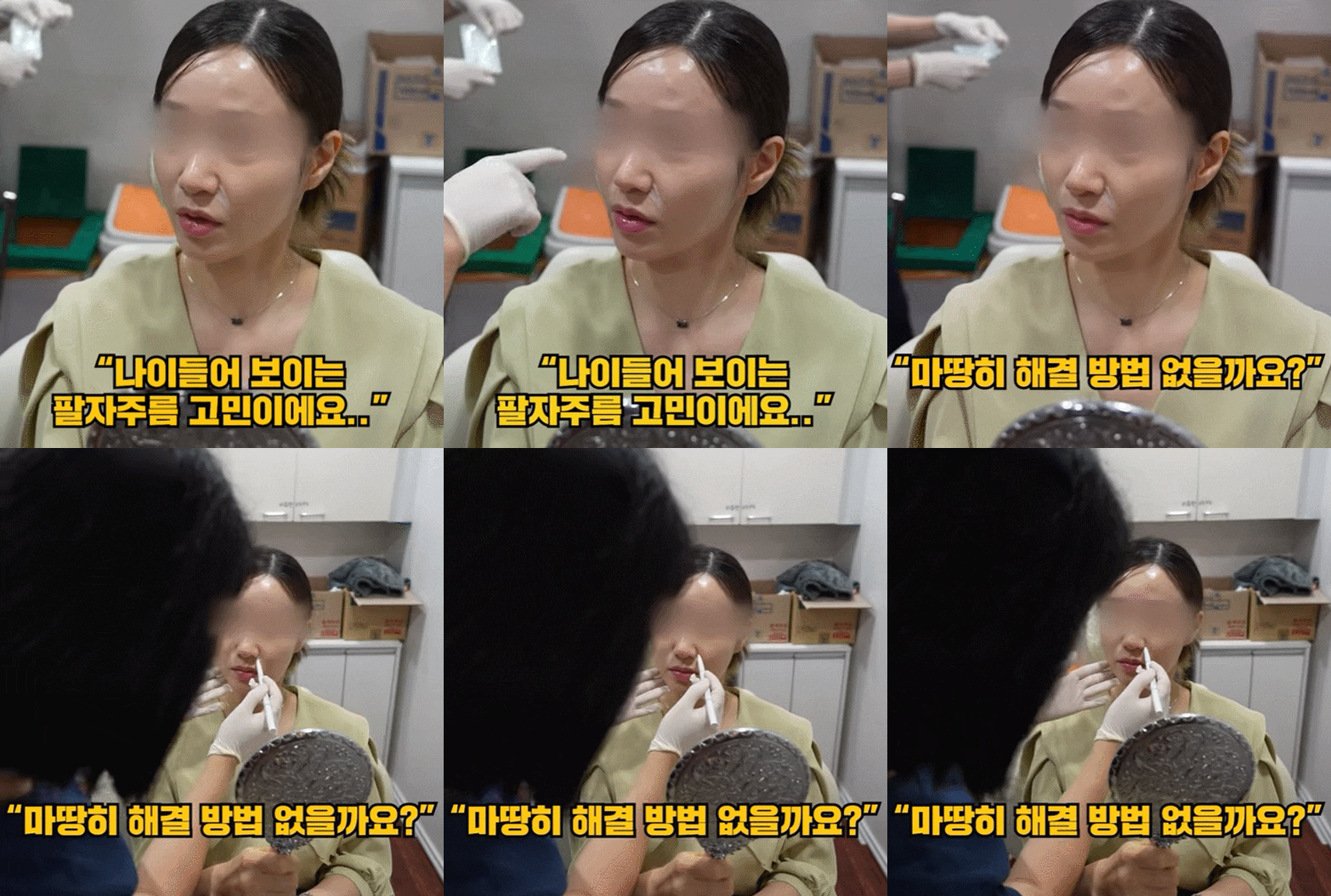
What makes the best place for thread lifting for nasolabial folds in Gangnam different?
In fact, nasolabial folds are not simply a surface-skin issue. They are caused by hollowness in the fat layer beneath the skin and by the facial structure itself descending. Because of that, home care such as massage and collagen management can help improve skin elasticity to some extent, but they cannot lift skin that has already sagged, so the effect can only be limited.
There are various procedures that can improve these nasolabial folds.
From my personal experience combining different procedures over the years, the most effective option has been the combination of thread lifting and Juvelook Volume. Patients often notice the results even more clearly than we do, so our nasolabial fold procedures have become one of the signature treatments at our clinic.
So how can thread lifting and Juvelook Volume noticeably improve the nasolabial area?
In today’s column, I’ll focus on this part and explain it in detail. If you read this article to the end, you’ll see exactly why this is such a meaningful combination.
The causes of nasolabial folds and
the meaningful combination of thread lifting + Juvelook
- If the nasolabial folds are deeply sunken, wouldn’t it be enough to just fill in the hollow area?
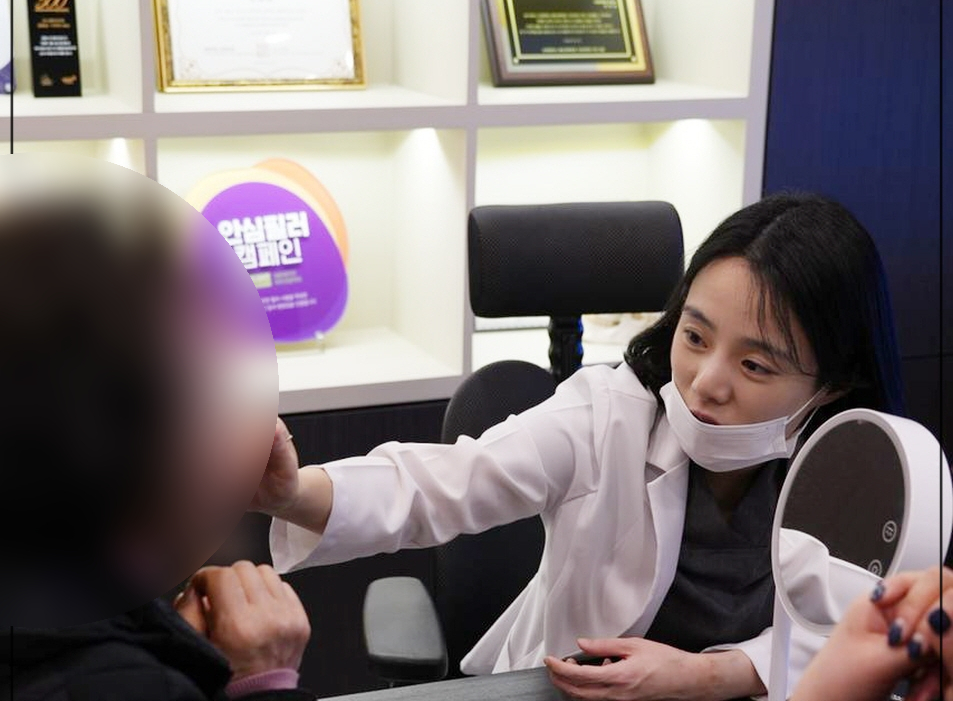
The best place for thread lifting for nasolabial folds in Gangnam
Nasolabial folds are deep wrinkles that run from the side of the mouth toward the side of the nose.
This area naturally experiences a lot of facial movement, and as we age, it becomes a place where tissues that have lost support tend to gather as they sag downward.
Especially after the mid-30s, the cheek fat beneath the cheekbones (the midface) descends, the fat layer under the skin hollows out, the supporting structure weakens, and elastic fibers in the skin such as collagen and elastin decrease. In the end, the nasolabial area folds in, and wrinkles form.
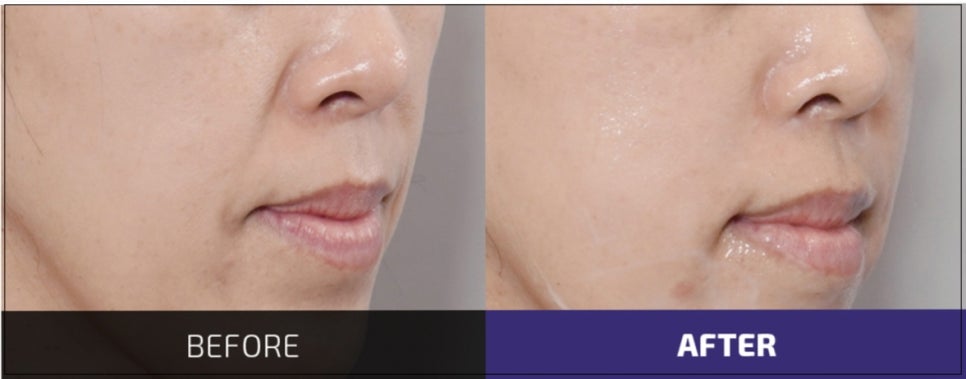
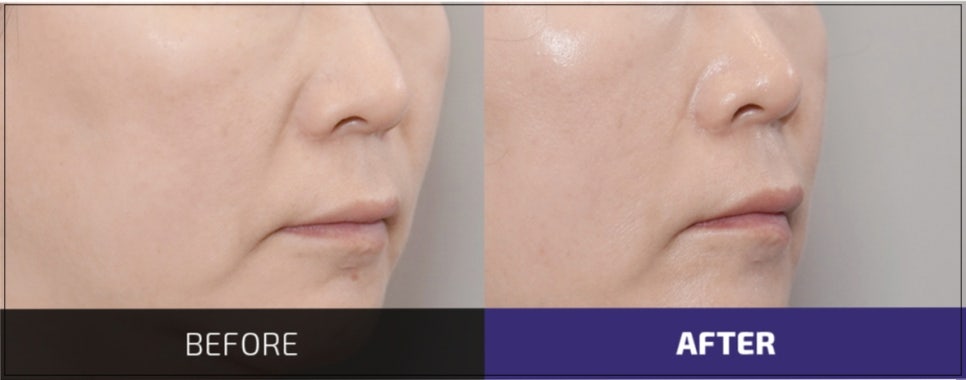
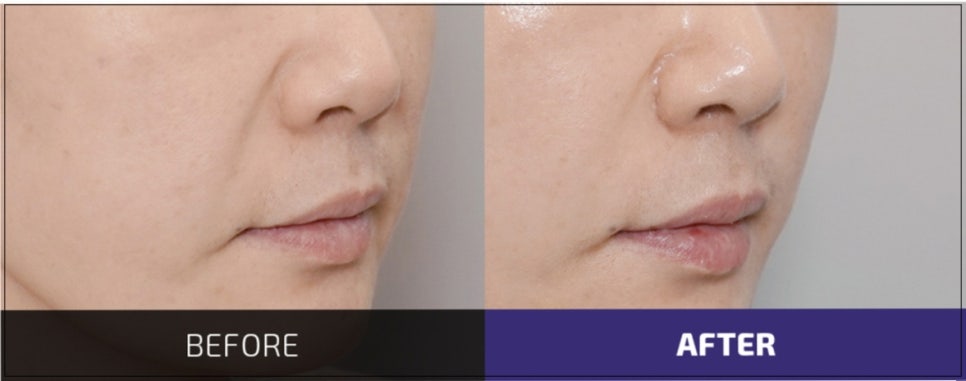
You might think very simply, “Wouldn’t it improve if we just fill in the sunken part?”
If you only fill it in?
It may look smoother temporarily, but the sagging remains, so it can actually look more unnatural or create a bulging feeling.
That’s why we first lift the sagging tissue with thread lifting, and then precisely correct the sunken area using Juvelook Volume, filler, and so on.
- How does thread lifting improve nasolabial folds?

The best place for thread lifting for nasolabial folds in Gangnam, designed as 8-shaped folds
Thread lifting is, quite literally, a lifting procedure that inserts special medical threads beneath the skin layer to physically lift sagging tissue.
However, simply inserting threads does not automatically produce satisfying results.
It is necessary to understand facial anatomy, accurately judge where sagging begins and in which direction it is moving, and determine the axes and fixation points for lifting in order to achieve a natural and long-lasting improvement.
Thread lifting for nasolabial fold improvement is usually performed not by pulling the nasolabial area itself directly, but by lifting the cheek fat beneath the cheekbones—the cause of the fold—upward.
In other words, the load concentrated in the nasolabial area is dispersed from above so that the fold does not crease as much.
A design that changes depending on face shape and structure
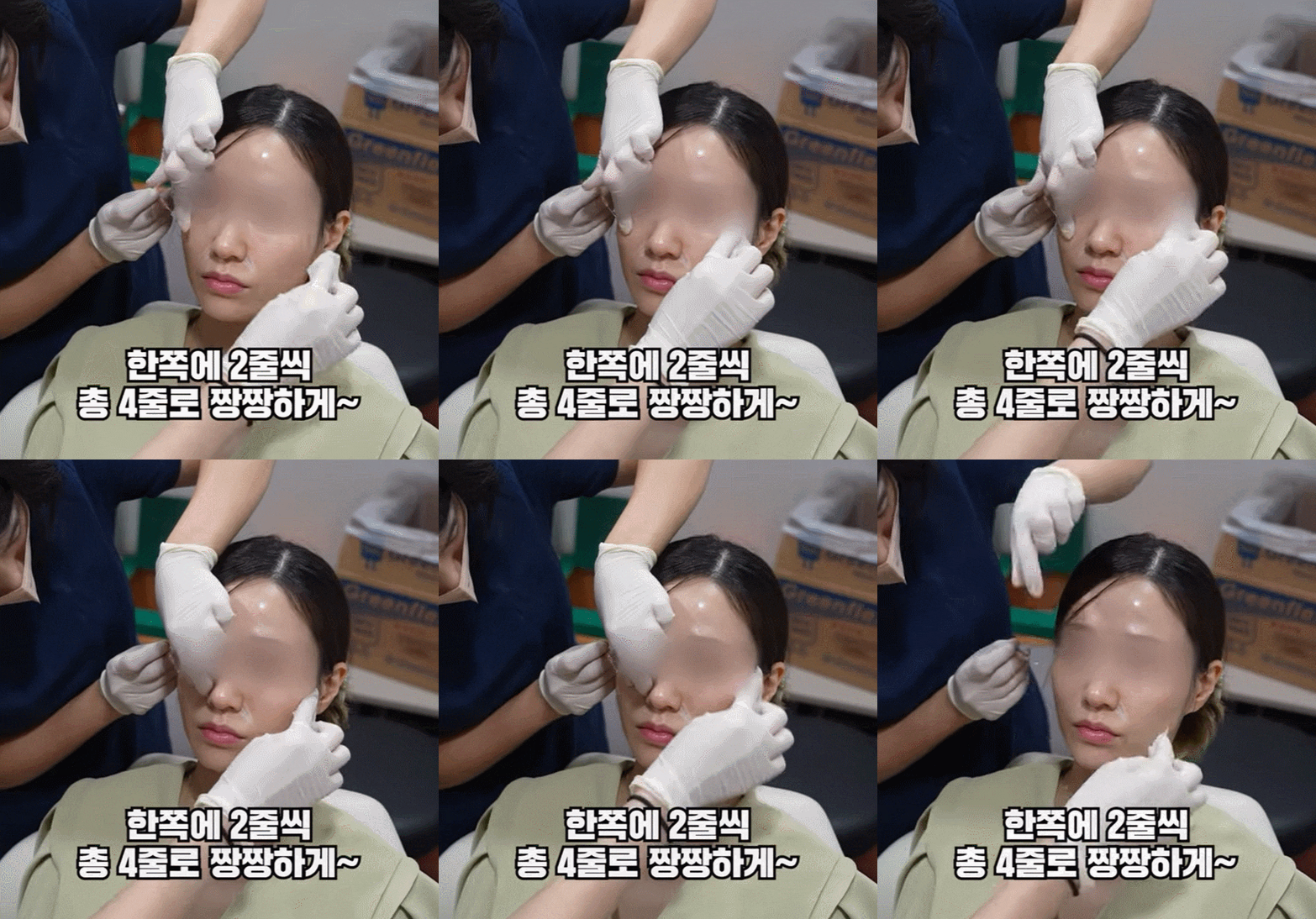
The most important point in this process is that not all nasolabial folds should be treated the same way.
Not only do the shape and depth of the folds differ, but each person’s face shape, cheekbone size, skin thickness, skin elasticity, and volume distribution are all different, so the thread length, insertion location, and lifting direction must all be adjusted according to individual characteristics.
For example, if someone has a face with prominent cheekbones and developed front cheeks, and the threads are pulled only upward?
That’s right. The cheekbone area may appear even more prominent.
In that case, the design should lift the cheek volume in a diagonal direction at about 45 degrees, as if dispersing it sideways, to create dimension in the face while naturally smoothing out the nasolabial area.
On the other hand, in cases with low cheekbones and a long face, the midface tends to look more sagged, so it is better to design the treatment to pull the central volume upward so the whole face appears shorter and more elastic.
In other words, even for the same nasolabial folds, the insertion location of the threads and the lifting direction must change depending on the facial structure.
What lifting threads are effective for nasolabial folds?
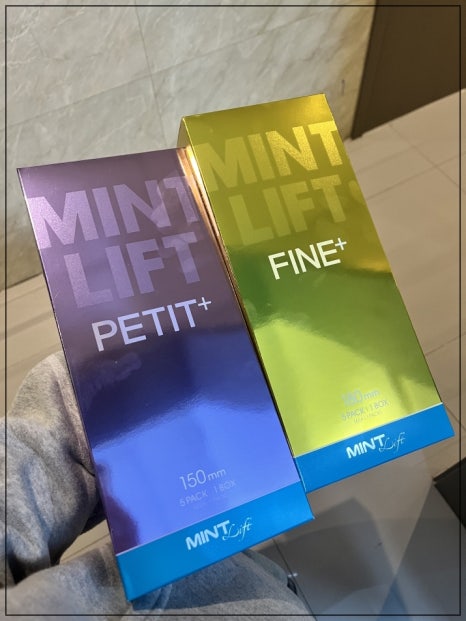
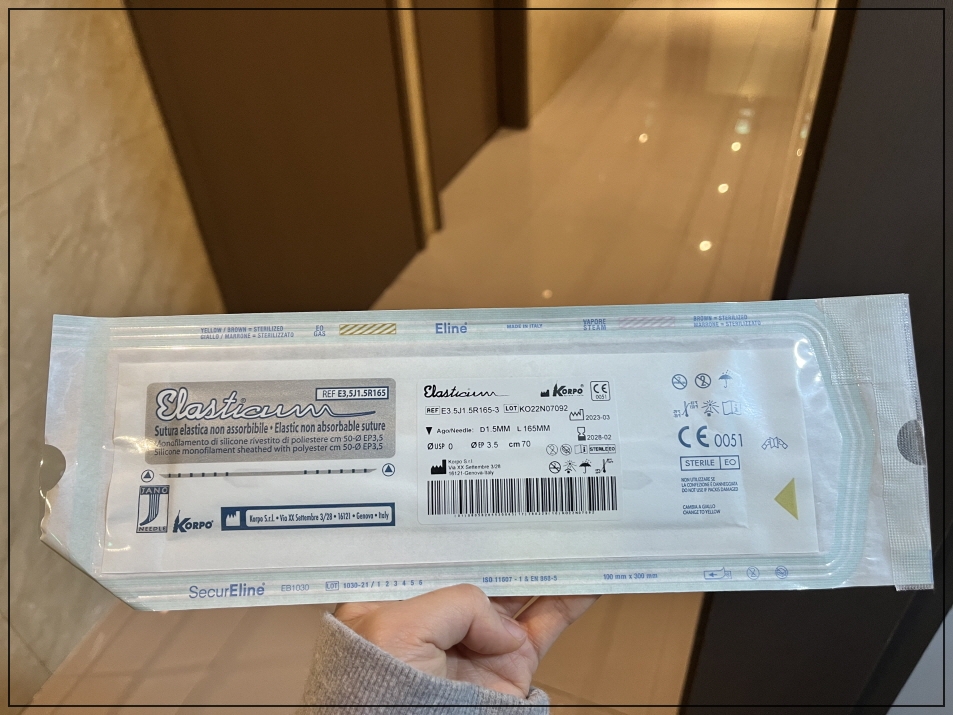
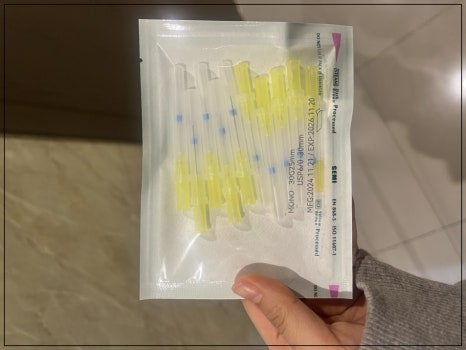
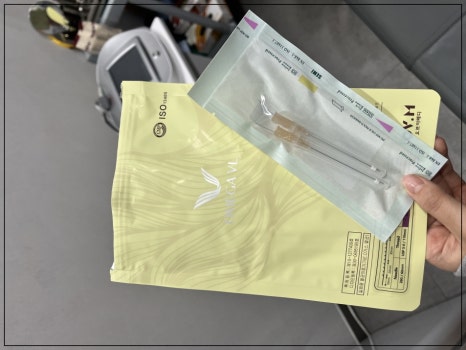
The lifting threads mainly used to improve nasolabial folds are Mint threads and Omega threads.
As mentioned earlier, nasolabial folds are not simply wrinkles caused by facial expressions; they are structural wrinkles formed as the midface (from the cheekbones to the area below the cheeks) descends.
Especially when the area below the cheekbones and the front cheek area hollow out or sag, the nasolabial line becomes deeper.
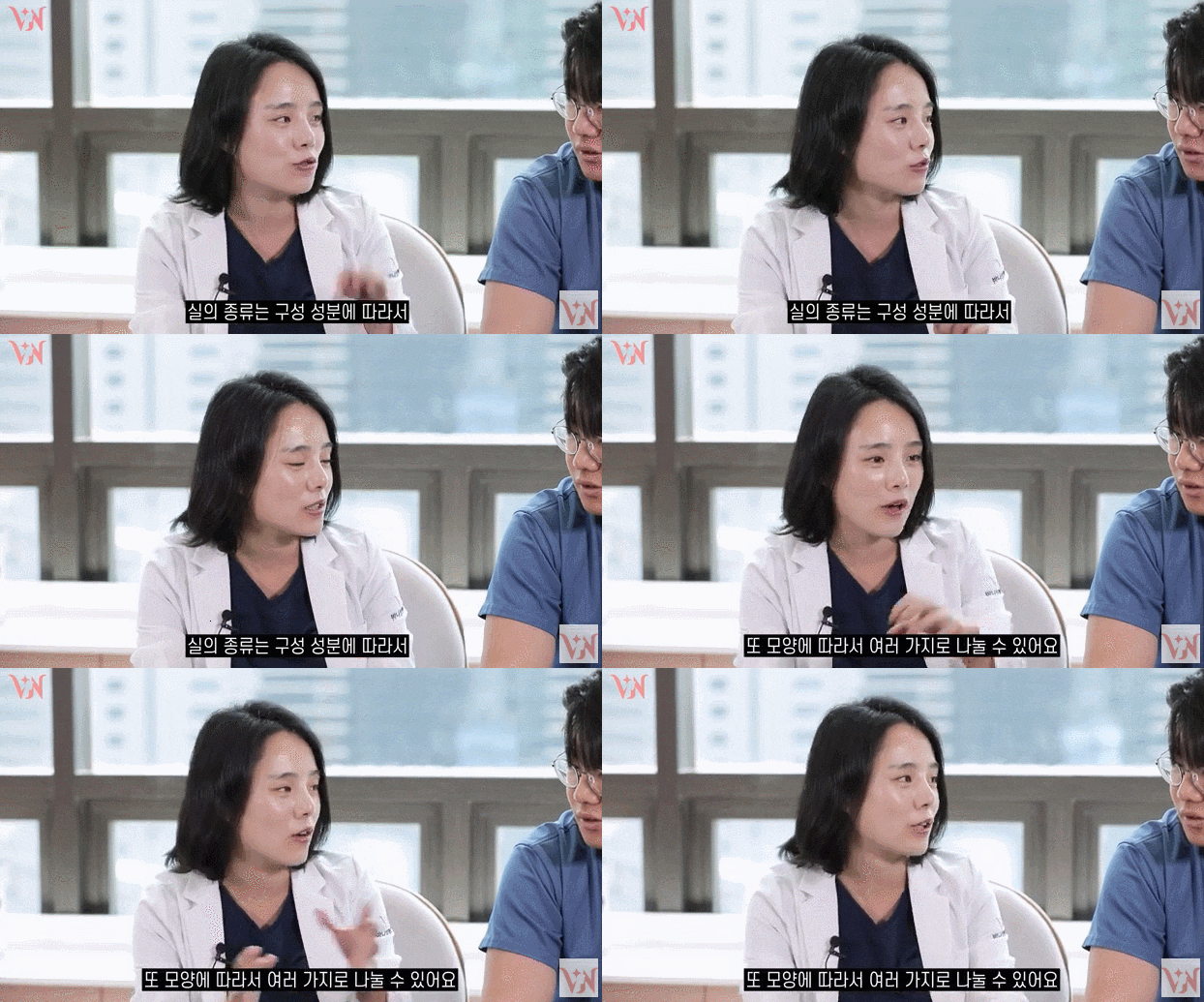
Mint threads use a special molding system with 360-degree barbs, offering excellent fixation and durability.
For the sunken area above the nasolabial folds, we lift upward with Mint threads. Mint threads are effective, but they can be somewhat painful, so we often recommend sedation anesthesia. For those who do not like sedation, as you may know from a previous blog, there are options such as respiratory anesthesia and painless injections.^^
https://blog.naver.com/rush_724/223760426410
For people who do not like anesthesia, there are often times when they want a simpler and easier option.
In those cases, Omega threads can be used. Omega threads have hook-shaped barbs that directly pull and lift, and they are shorter than Mint threads, so the procedure can be done simply without anesthesia.
Because Mint threads and Omega threads are made of PDO, they not only provide a lifting effect but are also absorbed into the body after the procedure and help induce collagen production. In addition to the immediate physical lifting effect, you can also expect firmer skin over time.
- Once the sagging area has been lifted, it is time to fill the remaining hollow area
If the loosened tissue has been pulled upward with thread lifting, the next step is to naturally fill the remaining hollow area in the nasolabial region.
At this point, options include hyaluronic acid fillers, Juvelook, and Radiesse. Since many people are reluctant to use hyaluronic acid fillers, our clinic uses Juvelook most often.
Juvelook is not a procedure that instantly adds volume like a filler. It is a collagen stimulator that induces collagen production within the skin so that, over time, the sunken area gradually fills in naturally. It stimulates fibroblasts and encourages the body to produce collagen on its own.
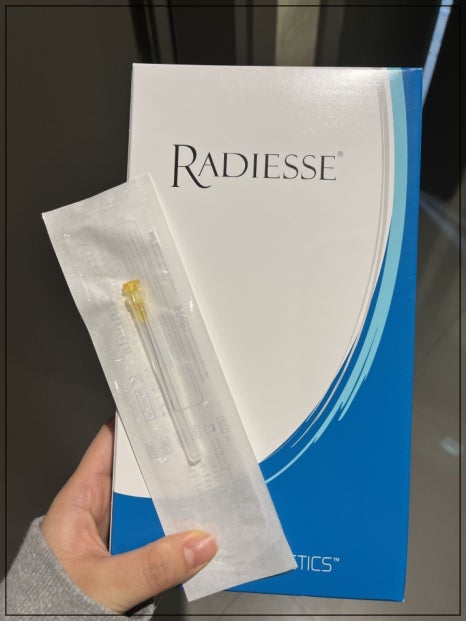
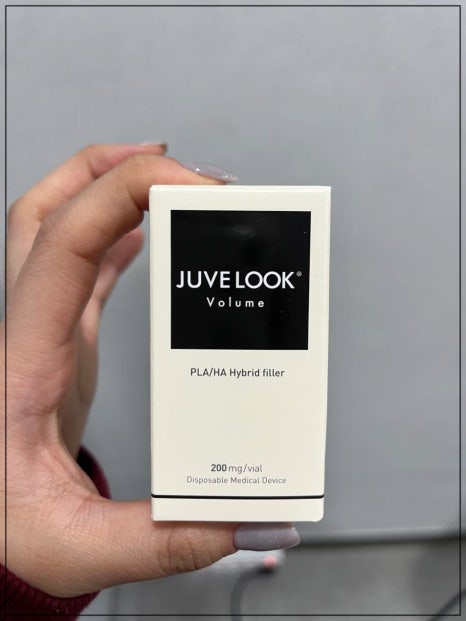
So there may not seem to be a big change right after the procedure, but it gradually begins to fill in from around 3 to 4 weeks, and the most natural and elastic change appears between 1 and 2 months. That is usually when people think, “When did it get this much better?”
For areas with a lot of facial movement, such as the nasolabial area, Juvelook Volume—where changes occur slowly within the skin—is much more natural than a filler with a strong dimensional effect. Even when you touch it, it feels smoothly blended without a distinct boundary from the tissue.
In addition, Juvelook Volume does not simply fill hollow areas; it also makes the skin itself look more elastic and healthy, so you can expect not only improvement in nasolabial folds but also an overall rejuvenated appearance of the skin.
However, Juvelook Volume is still Juvelook Volume, right?
There are quite a few precautions during the procedure. Three things must absolutely be followed.
- Not too much, and not too little
As mentioned earlier, Juvelook does not suddenly fill with volume immediately after the procedure, so the dose must be determined by predicting the future volume. If too much is injected, the volume will be excessive and may even create fullness in unwanted areas; on the other hand, if too little is injected, the visible change will be insufficient.
That is why it is important to calculate the amount accurately. The appropriate amount should be planned by considering skin thickness, the degree of hollowness, elasticity, and so on.
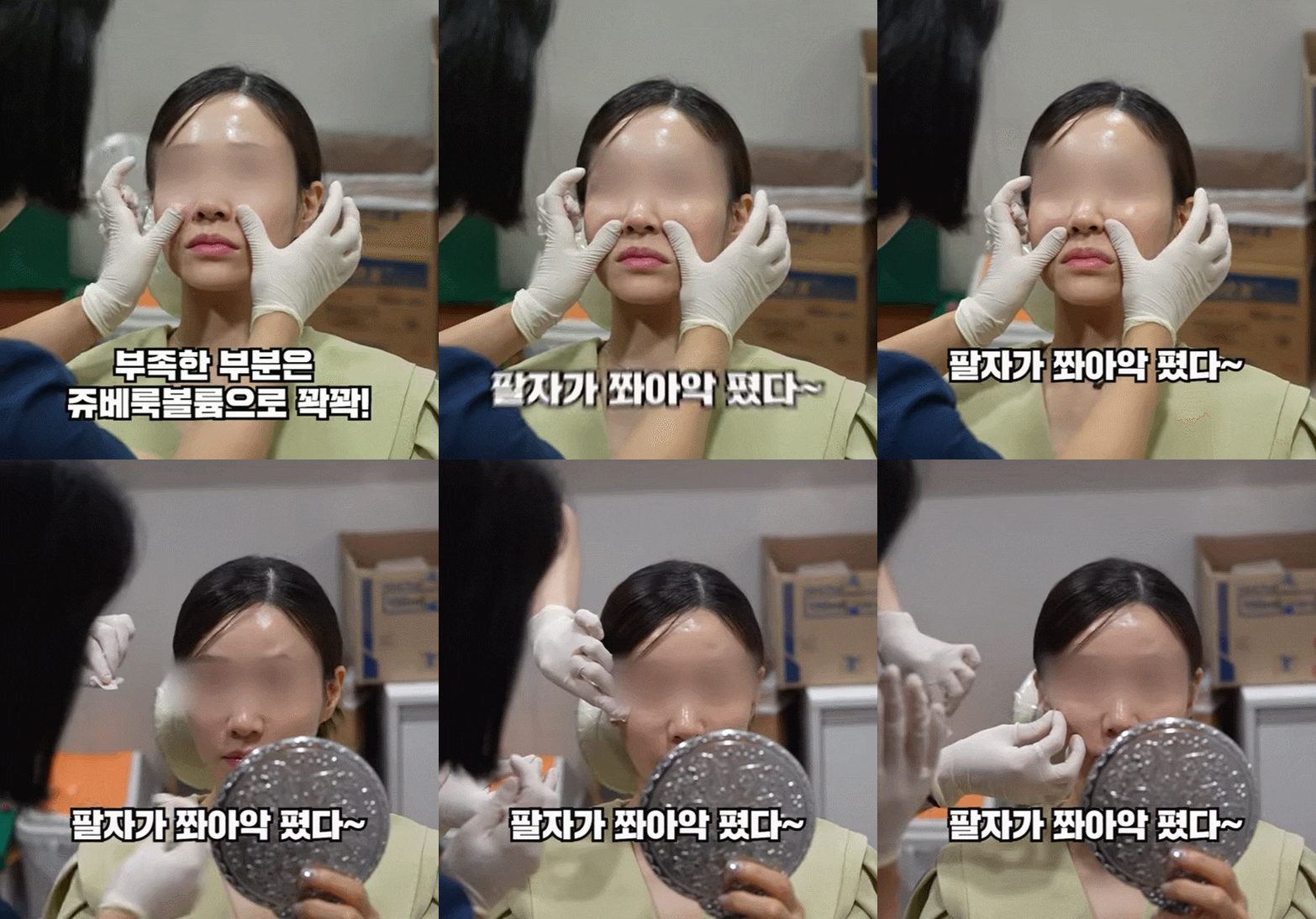 The best place for thread lifting for nasolabial folds in Gangnam, with delicate Juvelook treatment as well
- Injection depth appropriate for the wrinkle pattern
Nasolabial folds often have thick skin, with well-developed mimic muscles and fat tissue underneath, so the volume is often deeply sunken.
If the area beside the nostril is hollowed out, injecting into the SMAS layer can be effective because it supports the area from within.
On the other hand, if the wrinkle extends long toward the lower area, a small amount may also be injected at a shallow depth in the subdermal layer. In other words, even for the same nasolabial fold, the injection depth should vary depending on the wrinkle pattern.
- Small amounts divided up, with point-by-point injection being important
With Juvelook, the basic method is not to inject a large amount into one spot, but to divide it into very small amounts and inject from multiple directions. This allows the product to spread evenly without lumpiness and produces a more natural result.
Even if the procedure takes more time, careful dispersion is what leads to a good outcome.
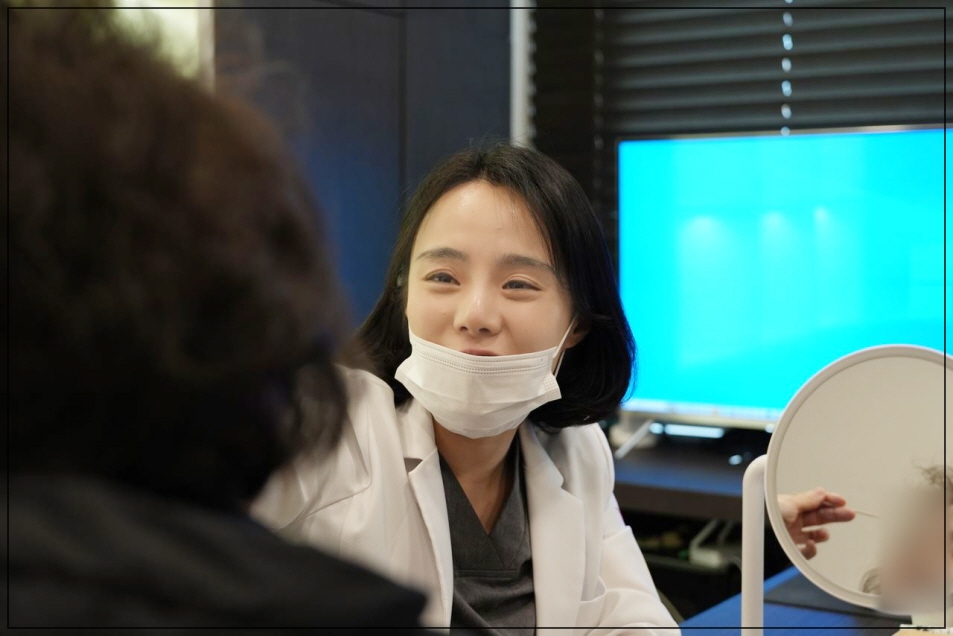 The best place for thread lifting for nasolabial folds in Gangnam
Nasolabial folds are not just lines on the skin’s surface. They are a problem caused by changes in the internal facial structure together with aging. That is why surface-level filling alone cannot fundamentally improve them.
Thread lifting and Juvelook Volume each have a clear role.
Thread lifting lifts sagging tissue back into place, while Juvelook helps the sunken area gradually fill in naturally from within the skin. Each can be effective on its own, but when the two procedures are appropriately combined, you can expect more natural and effective results.
However, not all nasolabial folds are the same!
Each patient’s face shape, fold depth, fat distribution, and skin thickness must all be considered when designing and performing the procedure!
An uniform approach can never produce natural and effective results!
Please keep this in mind.
This was Mira Lee, leaving out exaggeration and filling only sincerity.
Thank you.
(Also, a nasolabial fold thread lifting event is currently being held, so please check the website for details.)
https://blog.naver.com/rush_724/223809386558