Hello.
Without looking like you had a procedure done, only looking prettier,
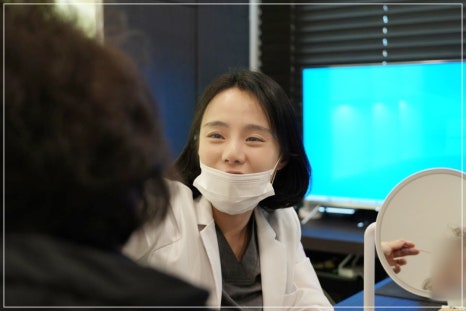
I’m Lee Mira, CEO Director of Banri Plastic Surgery | Skin Clinic.

When you look at Ulthera lifting before-and-after photos or reviews, there is one major reason you might still hesitate even if you want to just close your eyes and get the procedure done.
Yes, that’s right. Pain.
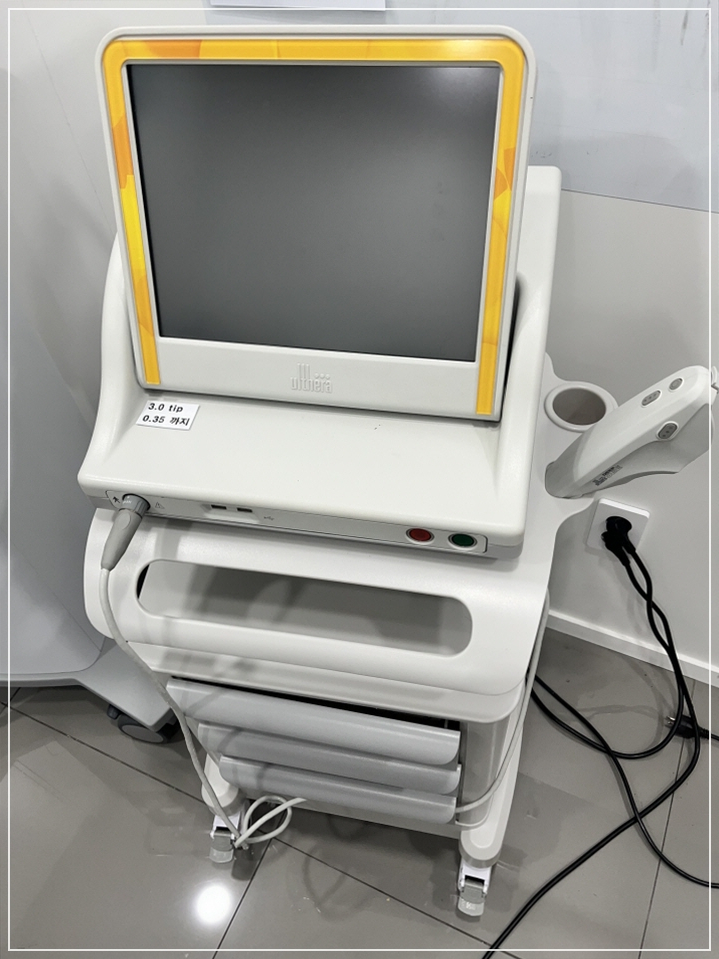
How painful is Ulthera pain at Gangnam Station?
Among various lifting procedures, Ulthera is well known for being painful.
Personally, I have a low pain threshold, so I found it difficult to get through it while fully awake. (Even with Thermage, which is a bit less painful than Ulthera, I had a very hard time.)
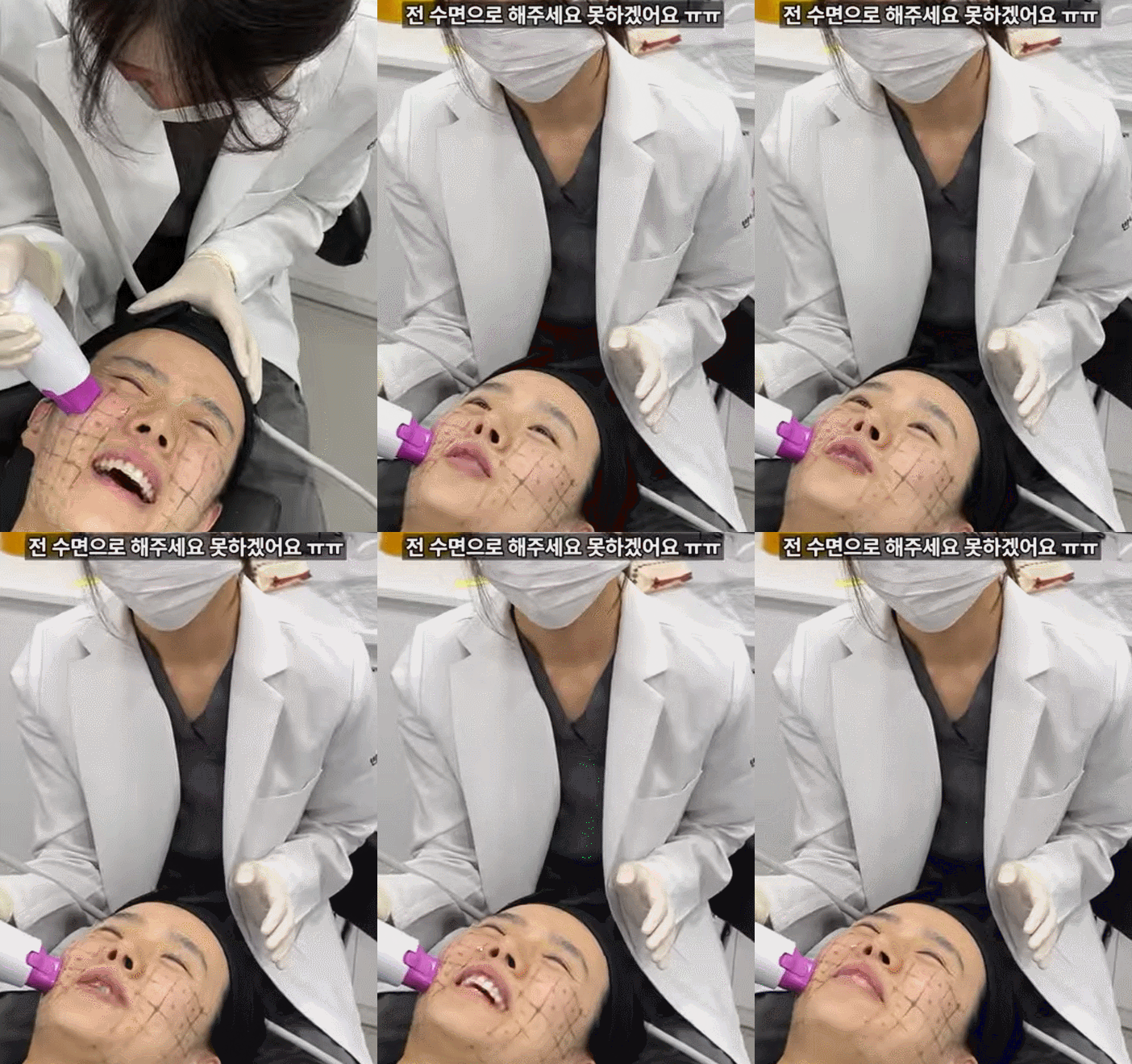
So for people with a low pain threshold, or those who feel pain even from stimulation that others say does not hurt, I tend to recommend sedation. You may think, “Why would you need sedation for a lifting procedure?”
People who have had Ulthera under sedation only look for sedation afterward.
Because I fully understand patients with low pain thresholds like myself, I have been running a sedation event every Tuesday, Wednesday, and Thursday.
If this is your first time getting Ulthera, you may be wondering how painful it could possibly be that I’m scaring you from the beginning of the post.
That is why I prepared this post.
There are many people who thought, “How painful could it really be?” and ended up getting a rude awakening. I was one of them.
I’ll go over why Ulthera can’t help but hurt,
how painful it actually is, and the key things first-time Ulthera patients should definitely know.
[Table of Contents]
-
Why does Ulthera hurt?
-
How painful is Ulthera?
-
Sedation options to reduce Ulthera pain
(+Why I recommend sedation)
-
Ulthera treatment interval
-
Why does Ulthera hurt?
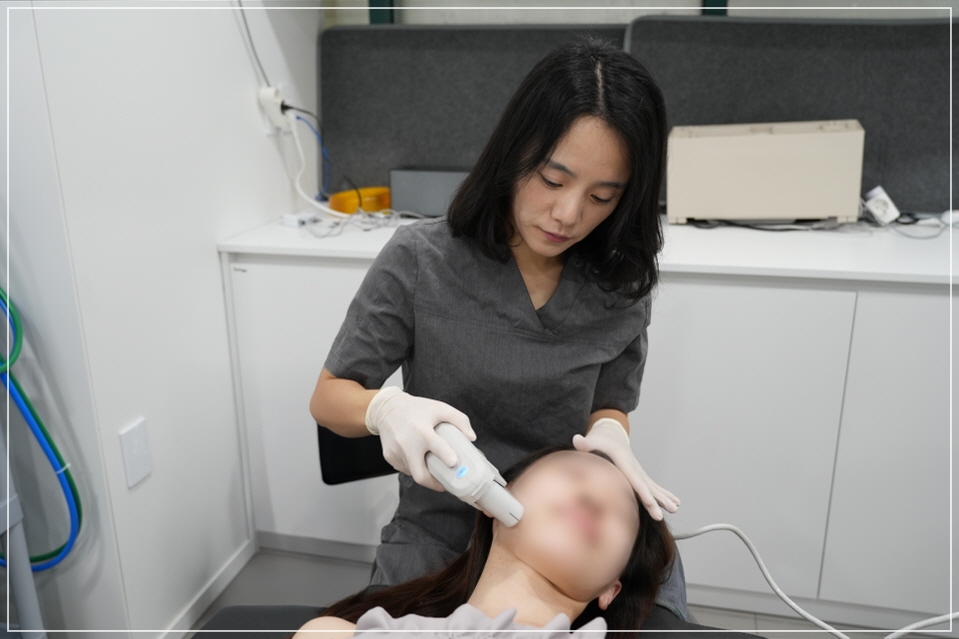
Why is there pain with Ulthera at Gangnam Station?
To understand why Ulthera hurts, you first need to understand how Ulthera works.
Ulthera is a procedure that uses high-intensity focused ultrasound, or HIFU, to deliver energy deep into the skin’s SMAS layer, which is the fascia layer. In this process, high-temperature thermal energy of 60–70°C builds up inside the skin and induces collagen regeneration and tissue contraction.
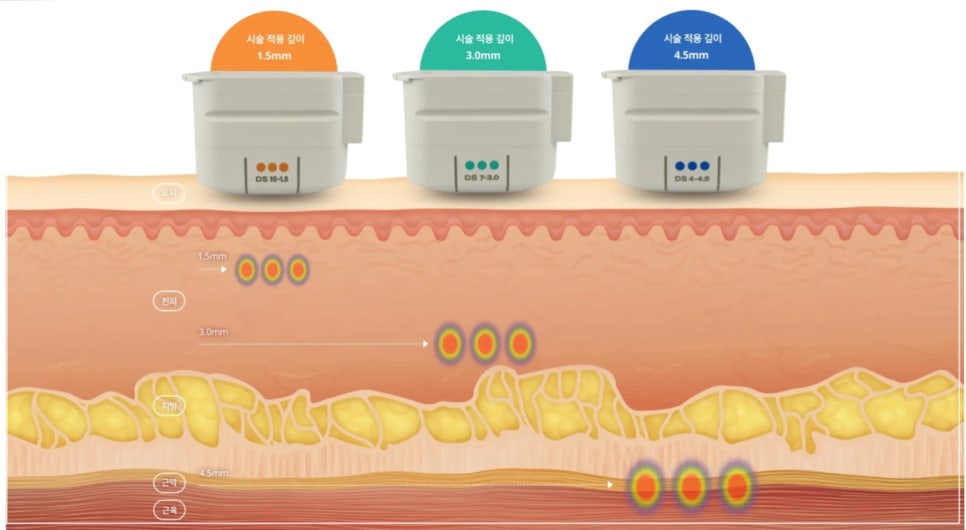
The issue is the depth that this thermal energy reaches.
Ulthera delivers energy at three depths: 1.5 mm, 3.0 mm, and 4.5 mm. In particular, 4.5 mm is almost the depth that reaches the fascia layer. Since heat is applied from the skin surface all the way down to the fascia layer, literally the deepest part of the skin, it has to hurt.
Moreover, pain feels more intense in areas close to the bone.
Typical examples are around the cheekbones, the jawline, and the forehead. As the thermal energy reaches the bone, it adds a vibrating sensation as well. Even when I personally received it, I couldn’t help but let out an “ouch” in those areas.
- How painful is Ulthera?
It’s not easy to express pain numerically, but I’ll explain it by comparing it with other procedures.
If we rate pain as 7 out of 10 for Ulthera, Thermage is about 5–6, Potenza is 5–7, and Oligio is about 3. So you can think of Ulthera as definitely a painful procedure.
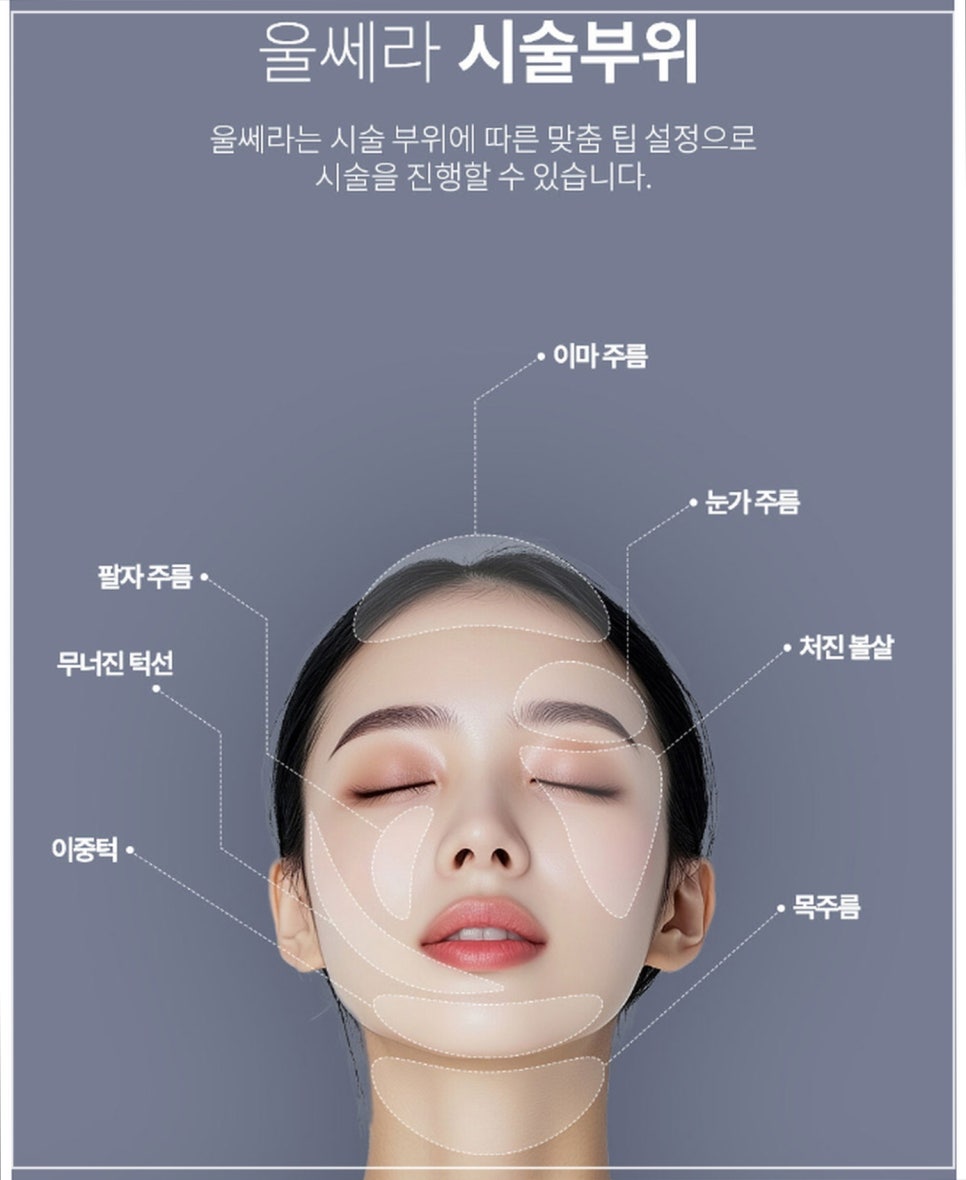
If I point out the most painful areas, the cheekbones and jawline hurt the most because they are close to the bone.
It feels as if the pain is resonating deep inside the bone. The forehead has thin skin and many nerves, so the tingling sensation is strong, and the lower jaw area feels like the energy is being delivered very directly because the fat layer is thin.
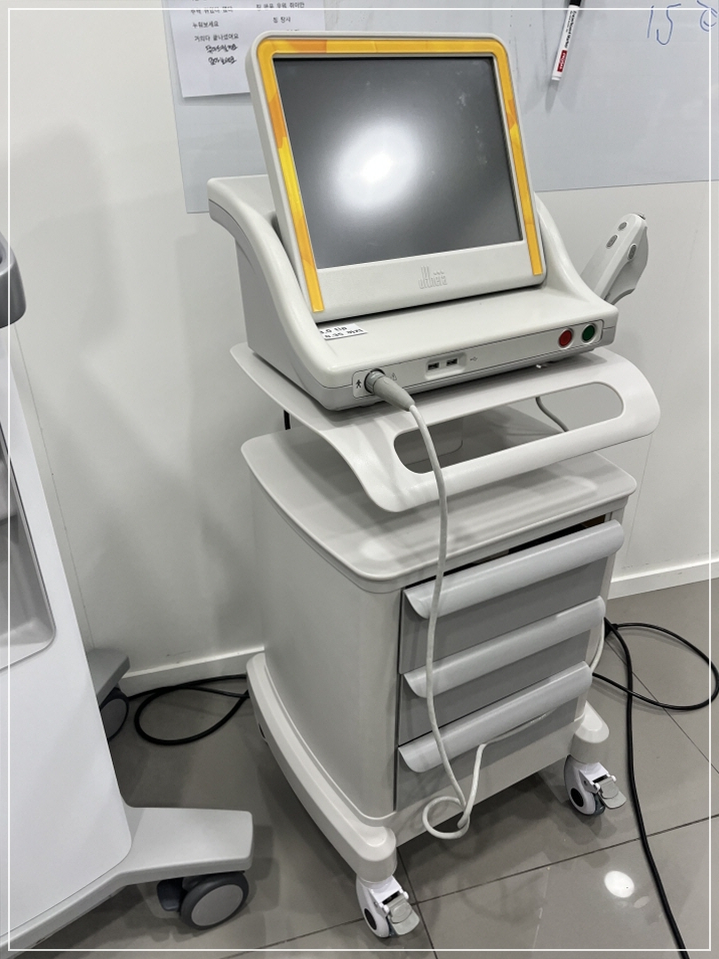
Gangnam Station Ulthera pain sedation Banri Plastic Surgery
The good news, however, is that this pain does not continue constantly; it is only felt briefly when each shot is delivered.
After one shot, a slight stinging sensation remains for a moment, but it quickly disappears.
Still, since there are about 300 to 600 shots, those moments can add up and become quite difficult.
Individual differences are also significant.
Even with the same energy and the same area, some people say, “This is fine,” while others struggle a lot. For people like me with a low pain threshold, it can be truly hard to tolerate.
- Sedation options to reduce Ulthera pain (+Why I recommend sedation)
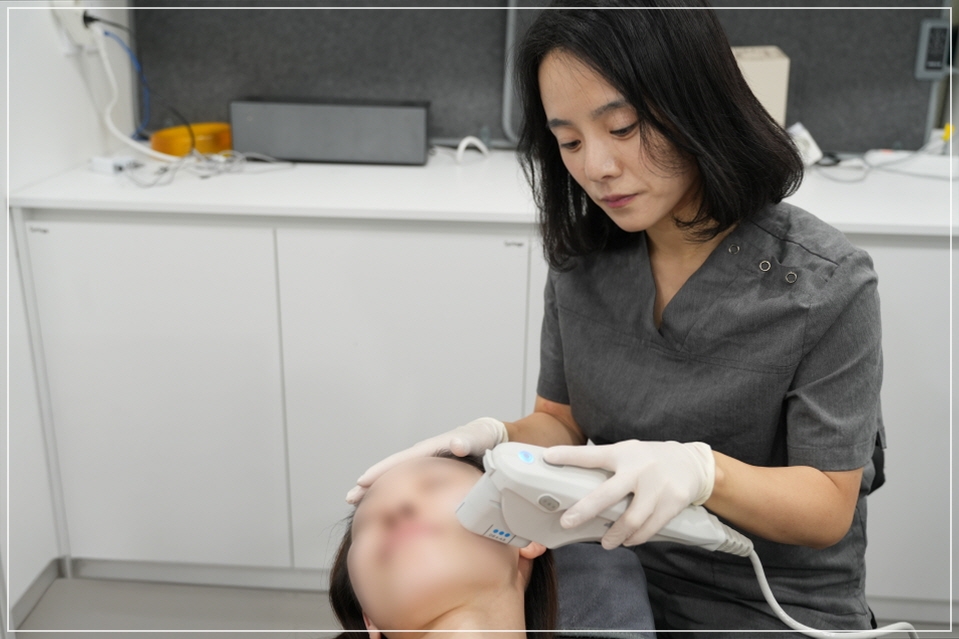
The benefits of sedation for Ulthera pain at Gangnam Station
If you’re hesitating because of Ulthera pain, you should know that there are various anesthesia options.
The most basic method is applying anesthetic cream.
Additional anesthesia options include inhalation sedation, pain-relief injections, and local anesthesia.
But to be honest, these methods cannot completely eliminate Ulthera pain.
They only reduce it to some extent. That’s because Ulthera is a procedure that delivers energy very deeply, so surface anesthesia has its limits.
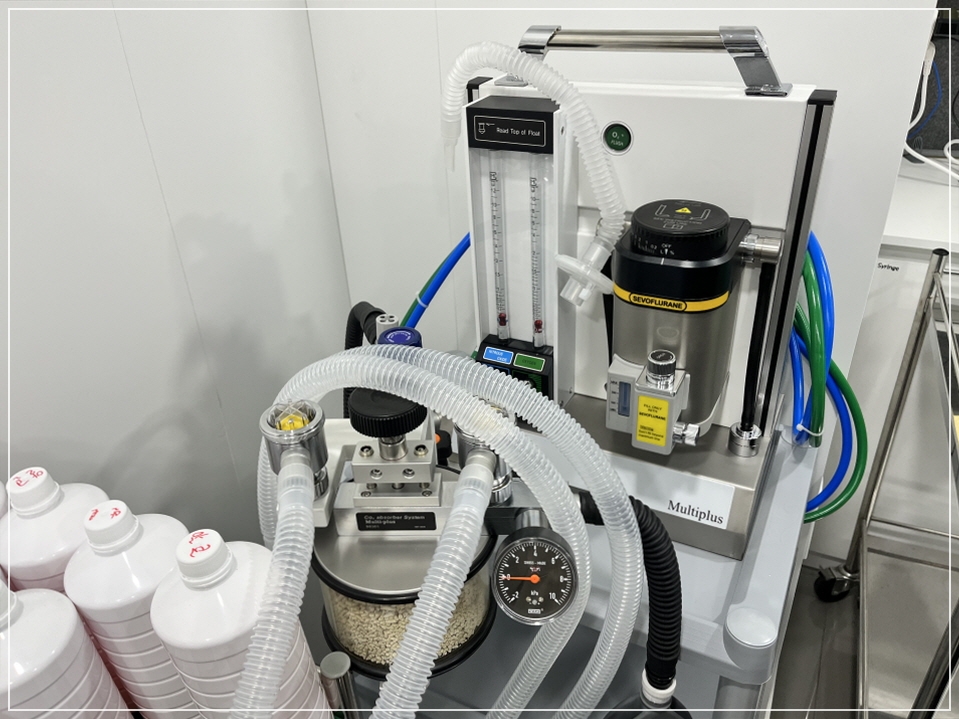
Gangnam Station Ulthera pain sedation Banri Plastic Surgery
That is why I actively recommend sedation for people who are sensitive to pain.
At first, some people say, “Sedation for a lifting procedure...?” but once they try it, they say they will definitely choose sedation next time.
The biggest reason I recommend sedation is not only that you do not feel pain at all, but also because of the procedure’s precision and comfort.
If the patient moves or tenses up because of pain, it becomes difficult to proceed with the procedure.
Ulthera is a procedure that delivers energy to the exact depth and location under ultrasound guidance, and if the patient keeps moving, it may become difficult for the practitioner to target the correct area precisely.
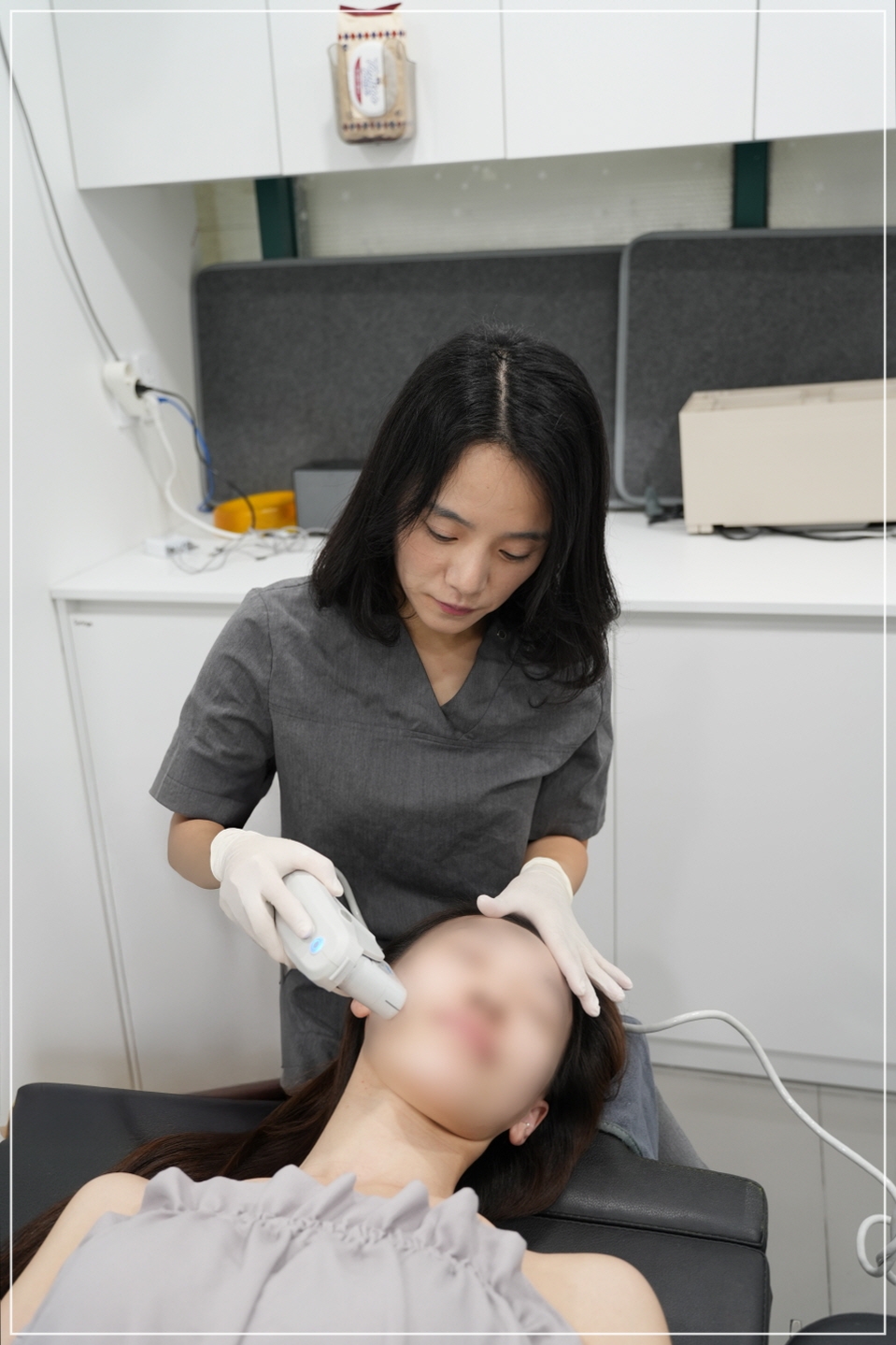
Gangnam Station Ulthera pain sedation Banri Plastic Surgery
Also, if you shrink away because of pain, the degree of skin tension changes, which can affect the depth of energy delivery.
Under sedation, the procedure is completed while you sleep comfortably, so you can receive an effective treatment with sufficient energy delivered to the correct location.
Because I see sedation as an option that greatly affects procedural accuracy, I actively run these events.
If you’re going to go through the trouble of getting Ulthera, you should get the best possible results.
For reference, we have a board-certified anesthesiologist safely administering sedation, so we can minimize concerns about side effects. (+On Tuesdays, Wednesdays, and Thursdays, we provide sedation at no additional cost as part of the sedation event.)
- Ulthera treatment interval
The usual recommended interval for Ulthera is between 6 months and 1 year.
But this can vary depending on several factors.
Age and skin condition are the most important factors. For younger people with better elasticity, the effects last longer, so the interval can be extended.
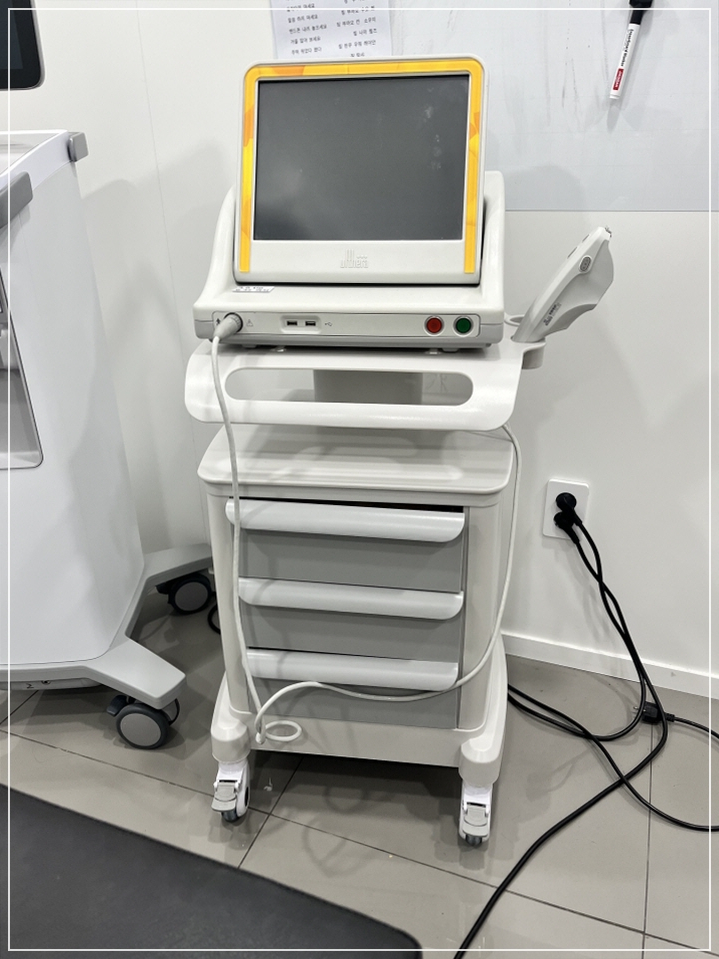
The number of shots matters as well.
If you received the procedure properly with enough shots from the beginning, the effect lasts longer. The duration is clearly different between someone who received 300 shots and someone who received 600 shots.
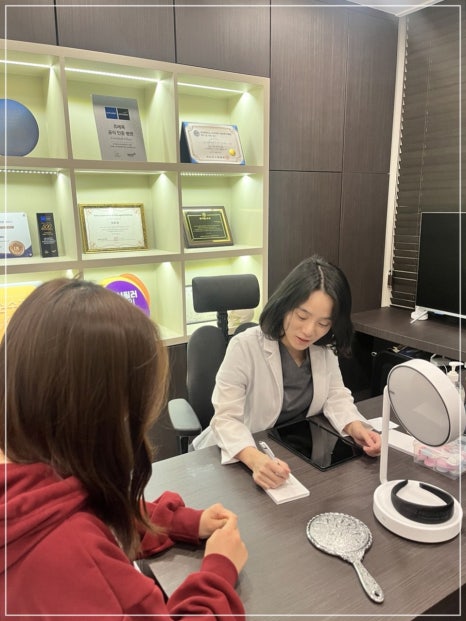

Gangnam Station Ulthera pain, interval
Some people say they want to get it every 3 to 4 months, but Ulthera is a procedure whose effects appear gradually over 3 to 6 months after treatment.
If you get it too frequently, you may be repeating the procedure before the effects of the previous one have fully appeared, which can be inefficient. So depending on your skin condition, an interval of 6 months to 1 year is sufficient.
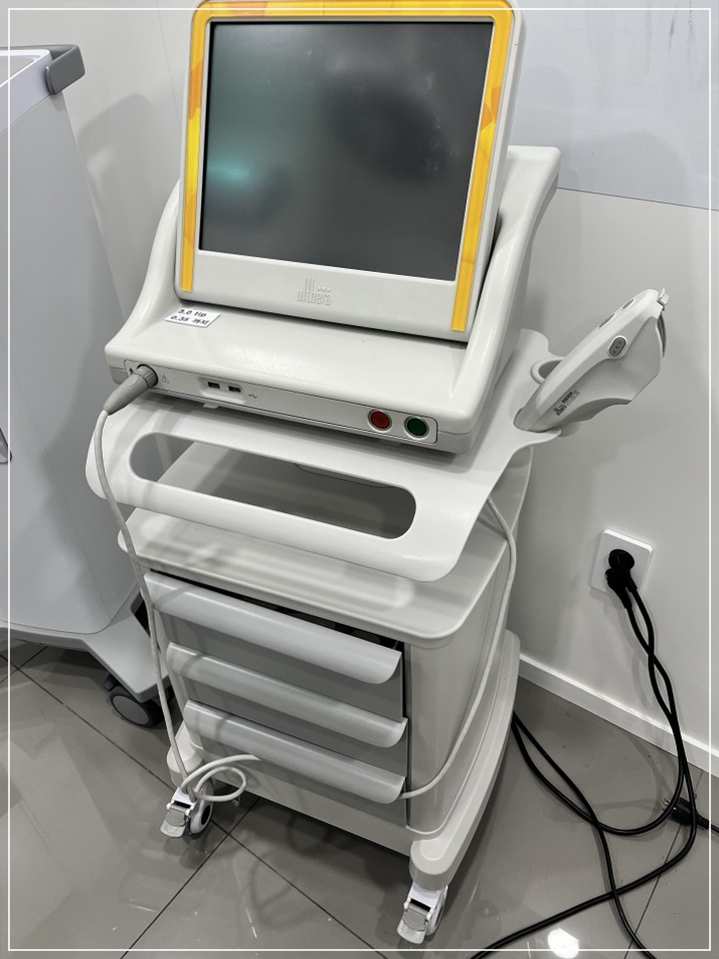
Gangnam Station Ulthera pain sedation Banri Plastic Surgery
Ulthera is definitely a painful procedure.
I have no intention of denying or dressing that up. I was one of the people who had a hard time because of the pain as well.
But it is too good a procedure to give up just because of the pain. The lifting effect is truly clear. So I think all you need to do is choose the smartest way to receive the procedure.
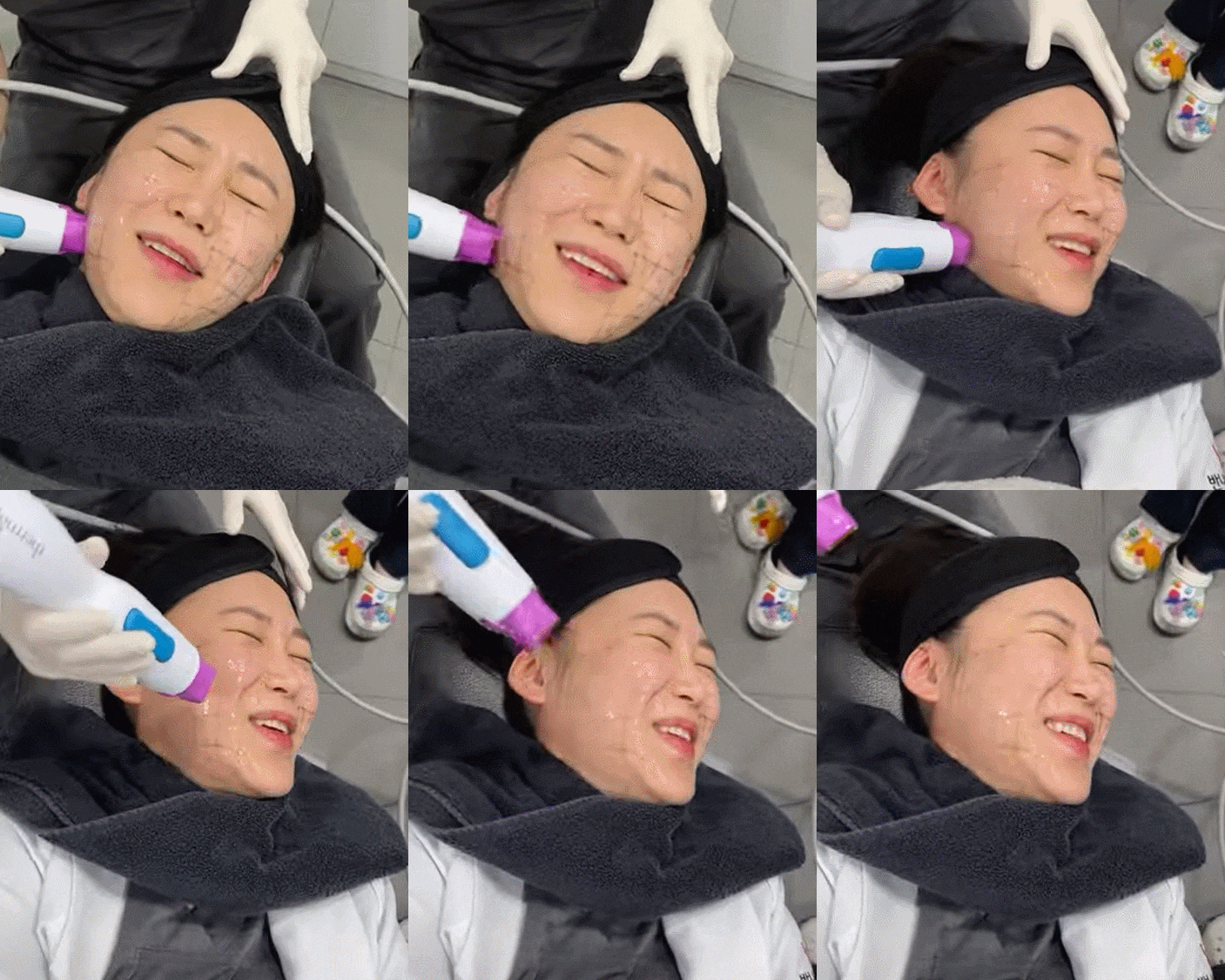
This is our vice director receiving Thermage.
If you are sensitive to pain, do not hesitate to choose sedation.
You may think, “Why would you need sedation for a procedure?” but once you try it, you’ll understand why I recommend it so strongly.
And checking for a genuine tip is absolutely essential.
This is an expensive procedure that you endure pain for, so there’s no reason to take risks and miss out on results because of counterfeit products. Feel free to ask for verification confidently. That is the patient’s rightful request.
This was Lee Mira,
who leaves out exaggeration and fills in only sincerity.