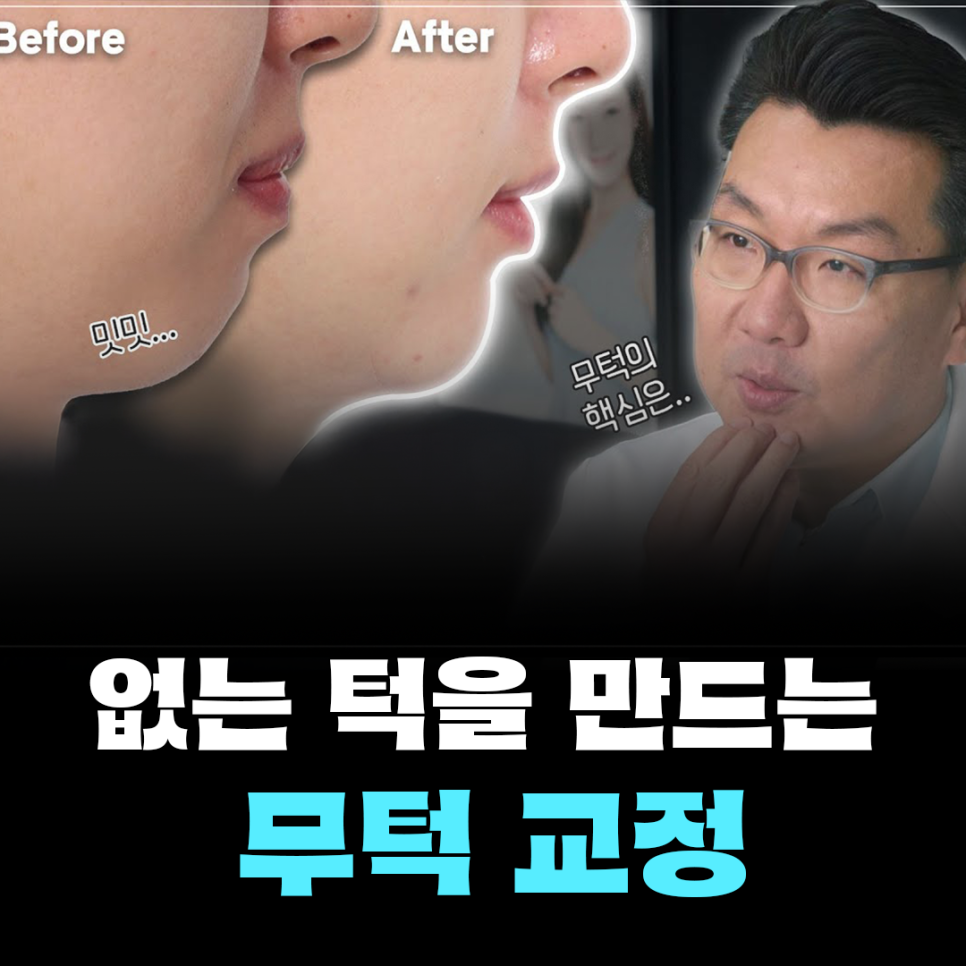
Hello!
This is Ceramic Dental Clinic, an orthodontic clinic near Hakdong Station.
When people hear "orthodontic treatment," what image usually comes to mind?
In the past, it was often thought of simply as treatment to align teeth neatly.
Recently, however, it has become an integrated medical field that considers not only functional aspects but also facial shape, especially the jawline and overall facial balance.
Among these cases, today we are going to talk about "chin retraction correction," which is a concern for many people.
I’ll explain in detail how much improvement is possible through orthodontics and how the treatment is carried out.
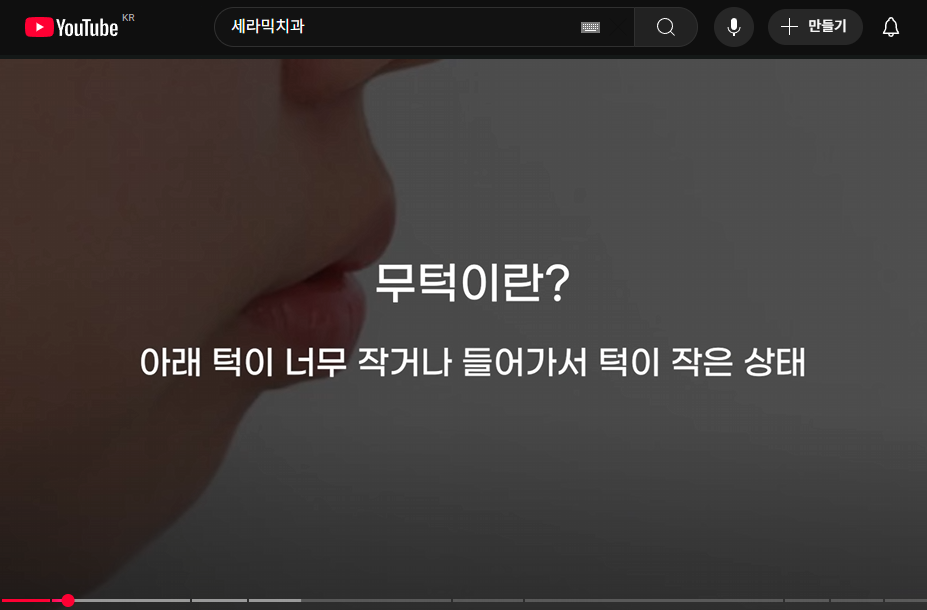
What is "chin retraction"?
"Chin retraction" generally refers to a state in which the lower jaw is positioned behind its normal location or the chin itself appears small.
From the front, the jawline is not clearly defined, and from the side, the chin is barely visible, often making the boundary between the neck and chin unclear.
So, let me share a simple self-check method to see whether you might have chin retraction.
[ Self-check for chin retraction ]
- Can you feel a "firm bone" at the tip of the chin?
First, stand in front of a mirror and lightly touch the tip of your chin with your hand.
In some cases, the boundary between the chin and neck line is not clear because of weight gain, but to judge whether it is truly chin retraction, it is important to check whether a firm bone can be felt at the chin tip.
▶️ If the lower jaw is in the proper position:
When you touch the chin tip with your hand, a firm bone can be felt clearly
▶️ If chin retraction is suspected:
The bone is barely felt, or the chin appears to be pulled backward without a defined jawline
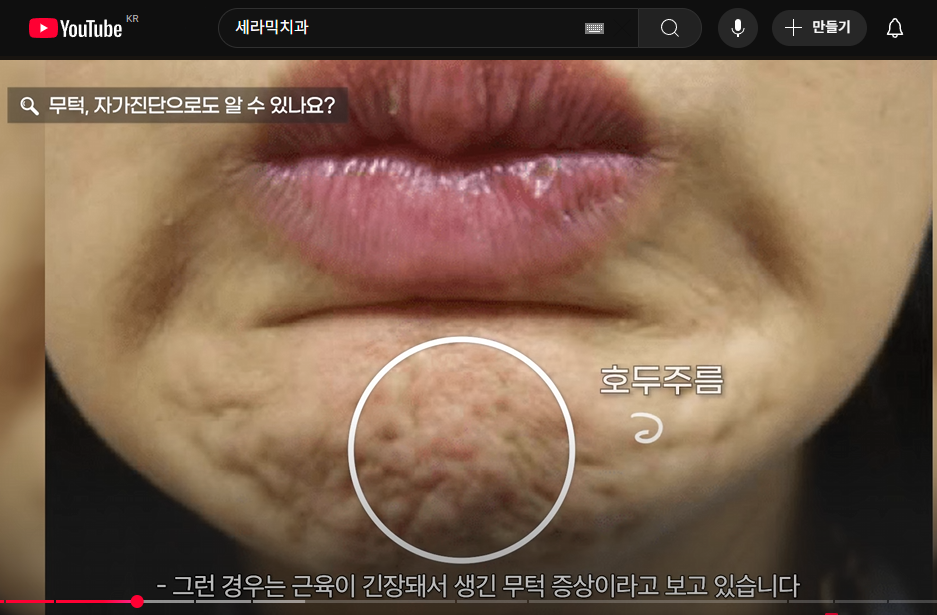
- When the lips are closed, do wrinkles like a walnut appear?
Look in the mirror and observe your chin while firmly closing your lips.
If bumpy wrinkles like a walnut form at the chin tip, it is a sign that the muscles around the chin are overly tense.
✅ This tension means that the chin is not in its normal position and has been pushed backward, causing the chin muscles to contract excessively to compensate, and it can be considered one of the typical signs of chin retraction.
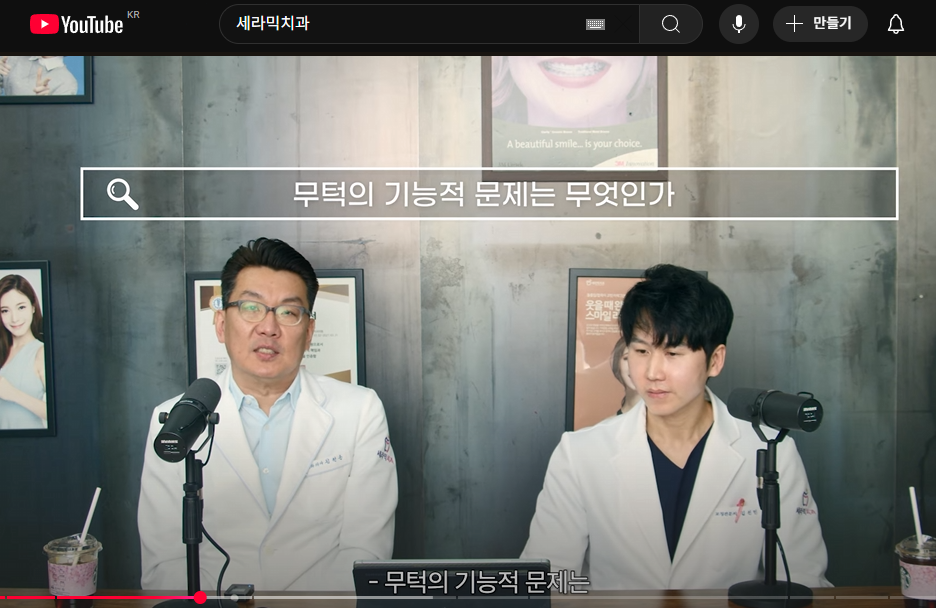 Problems caused by chin retraction
(1) Bite problems
(2) Temporomandibular joint problems
(3) Breathing problems
The position of the jaw can lead not only to appearance-related issues but also to various functional problems.
(1) Bite problems
As the jaw moves backward, the lower teeth become harder to fit into their normal position, and malocclusion can occur.
This can make chewing food properly difficult and may also place a burden on digestion.
(2) Temporomandibular joint problems
An imbalance in jaw position can place unnecessary stress on the joint, which may cause joint pain, clicking sounds, or in severe cases, joint dysfunction.
▶ Clicking sounds from the joint
▶ Pain when opening the mouth
▶ In severe cases, joint dysfunction such as difficulty opening the jaw or jaw deviation
Over time, these temporomandibular joint problems can lead to secondary oral problems such as tooth wear or gum disease.
(3) Breathing problems
When the lower jaw is pushed back from its normal position, the tongue also shifts backward, narrowing the airway.
This can make breathing less smooth, and in particular, it increases the risk of snoring and sleep apnea during sleep.
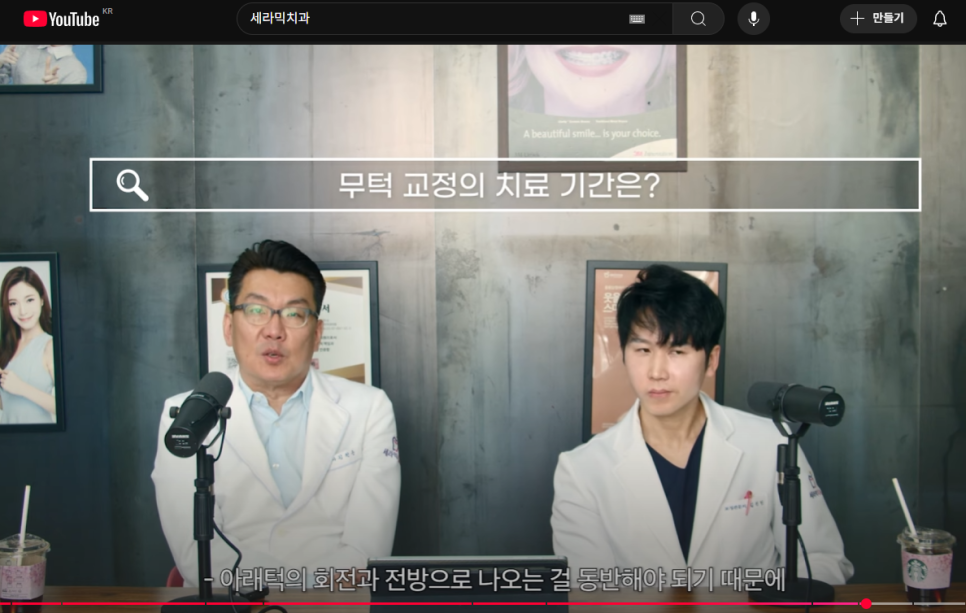 Then how is chin retraction correction performed?
Chin retraction correction is not simply about straightening the teeth.
Then how is chin retraction correction performed?
Chin retraction correction is not simply about straightening the teeth.
Treatment must also be carried out to move the lower jaw forward and rotate it.
Such treatment is performed based on a precise analysis and plan.
In general, treatment takes about a year and a half to two years,
and during the orthodontic process, care is needed in daily life so as not to place excessive stress on the lower jaw.
Lifestyle habits to be careful about during chin retraction correction
▶ Choose soft meals rather than hard foods.
▶ It is better to avoid the habit of resting your chin on one side.
▶ Please refrain from opening your mouth excessively wide.
The jaw plays a key role in the overall balance of the face and oral health.
If you are concerned about chin retraction, we recommend consulting an orthodontic specialist to establish an accurate diagnosis and a personalized treatment plan.
We will always be with you for a healthy smile and confidence.👍
 Click to go to the consultation request page.




 Previous image
Next image
Previous image
Next image
 Previous image
Next image
Previous image
Next image