Hello, this is Ceramic Dental Clinic.
Today, I want to talk about something that may feel a little burdensome, but is something I really need to share.
It is about implant re-surgery.
"I already had an implant, and now I need another one?"
"Was something done wrong the first time? I feel wronged..."
I completely understand how you feel.
It was already a difficult decision the first time, so hearing that you have to go through it again can feel overwhelming.
Today, I want to talk about it with a little courage, in the hope of easing that sense of uncertainty even a little.
When implant re-surgery is necessary
First, let me explain what implant re-surgery means in simple terms.
An implant is a structure in which a screw (fixture) is placed into the jawbone, and a crown-shaped prosthetic is placed on top of it.
It is similar to driving a stake into the ground and building a house on top of it.
But what happens if that stake becomes loose, or the ground (bone) settles?
You have to rebuild the house.
Here is a summary of the typical cases where re-surgery is needed.
-
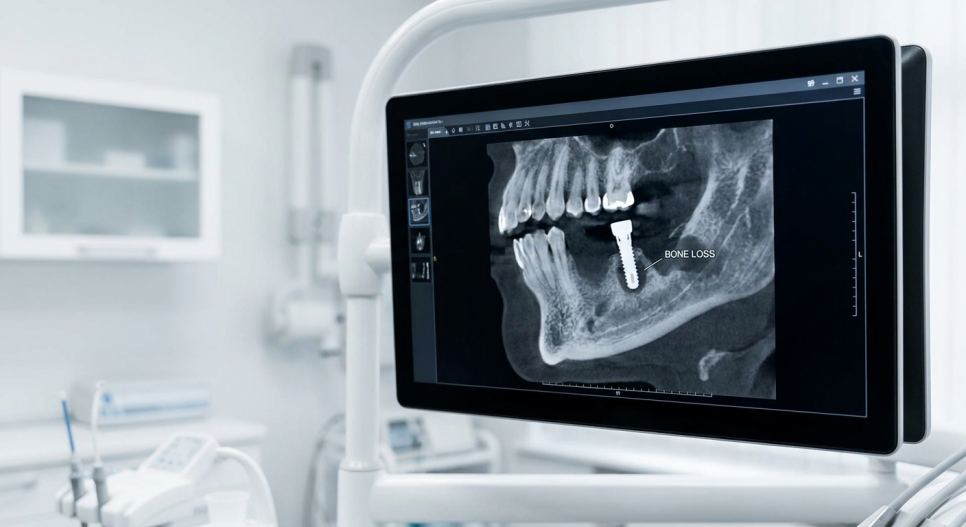
When bone has been lost due to peri-implantitis
-
When the fixture (screw) has not integrated with the jawbone
-
When the prosthetic repeatedly fractures
-
When the initial placement angle or position was not appropriate
"Isn’t it because it wasn’t cared for properly?"
That is both true and untrue.
Although poor maintenance is actually a more common cause, there are definitely cases where the bone condition was poor from the beginning or there were problems with the placement plan.
What is different between the first implant and re-surgery?
Here is an important point.
Re-surgery is more difficult than the first surgery.
That is because work must be done again on bone that has already been damaged once.
First surgery vs. re-surgery comparison
| Category | First implant | Re-surgery |
|---|
| Bone condition | Relatively healthy | Often lost or damaged |
| Additional procedures | Rarely needed | Bone grafting often needed |
| Difficulty | Moderate | High |
| Treatment period | 2–4 months | Up to 6 months or longer |
If the first surgery is like building a house on empty land, re-surgery is like demolishing a collapsed building, reinforcing the ground, and rebuilding it.
That is why where you receive re-surgery makes a big difference in the outcome.

Let me address one common misconception
"Can’t you just remove it and place a new one?"
Many people think this way.
In reality, it is not as simple as removing it and placing it again.
When the existing implant is removed, a vacant space (defect) is left behind.
If you leave it like that and place a new implant? It is like driving a stake into thin air.
That is why, in most re-surgeries, a bone grafting process comes first.
Only after the bone has sufficiently healed can a new implant be safely placed.
The statement, "We can re-place it on the same day no matter what"
If a clinic says something like this, it would be wise to think twice.
Promising same-day re-placement without even checking the bone condition can be risky from the patient’s perspective.
These are the people who may need re-surgery
-
People whose gums around the implant swell and bleed frequently
-
People who feel the implant is loose
-
People who repeatedly experience pain when chewing
-
People whose gums have receded long after getting an implant
-
People who were advised by another clinic to undergo re-surgery
However, in the following cases, another treatment may be needed first.
-
When there is severe gum inflammation in the acute phase
-
When systemic conditions such as diabetes are not well controlled
-
When bone loss is so extensive that treatment must begin step by step with grafting
How we perform re-surgery
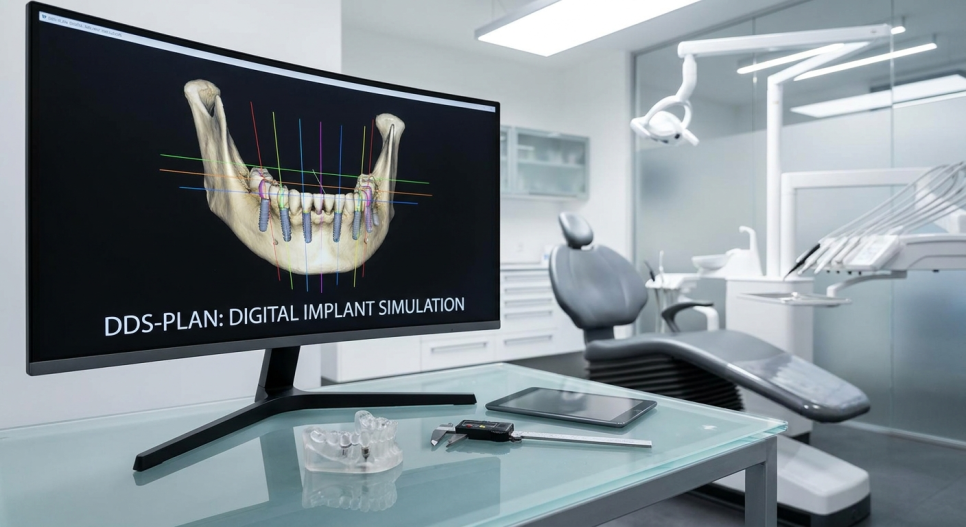
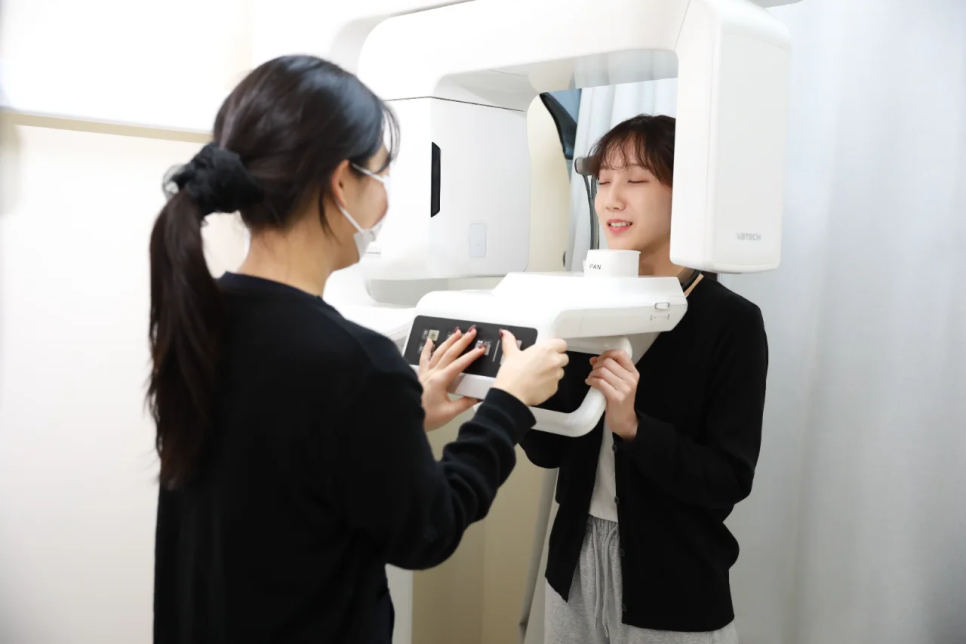
At Ceramic Dental Clinic, we always begin with a detailed 3D CT analysis before re-surgery.
We check the amount, height, and thickness of the remaining bone, and first design where, at what angle, and with what length the implant should be placed.
We believe it is our role to make sure there is no "regret after surgery."
After more than 10 years of doing implants, what I have learned is that the second time must be approached more carefully than the first.
These are people who once experienced failure and gathered the courage to come back.
I do not think that feeling should be taken lightly.
If you want it to last, please remember this
Care after re-surgery is also very important.
-
Be sure to have regular checkups every 3 to 6 months
-
Use an implant-specific toothbrush or interdental brush
-
If you grind your teeth, we recommend wearing a night guard
-
Avoid excessive force (hard foods)
Unlike natural teeth, implants have no nerves, so problems can occur without pain being felt.
To use an analogy with a car, it is like a car whose engine warning light does not turn on.
That is why regular checkups are even more important.
About the courage to begin again
I hope this post has been of some help to those who are considering implant re-surgery.
Since you have already had a painful experience once, you may be more cautious and more anxious.
I understand that you are not postponing it just because you want to.
However, the longer it is left untreated, the more the bone can decrease, and in the end, your options may become more limited.
Now is the earliest timing.
Please feel free to ask any questions at any time.
Thank you for reading today as well.
Sincerely, Ceramic Dental Clinic.