Have you started to notice a gap reappearing between your front teeth? Ten or even 20 years after finishing orthodontic treatment, discovering this change in the mirror may make you wonder, “Do I need treatment again?” Orthodontic retreatment is not uncommon. Even in your 50s, treatment can be started again if your gums and alveolar bone (the bone that supports the teeth) are sufficiently healthy.
If your teeth have started to spread again, these may be signs that retreatment is needed
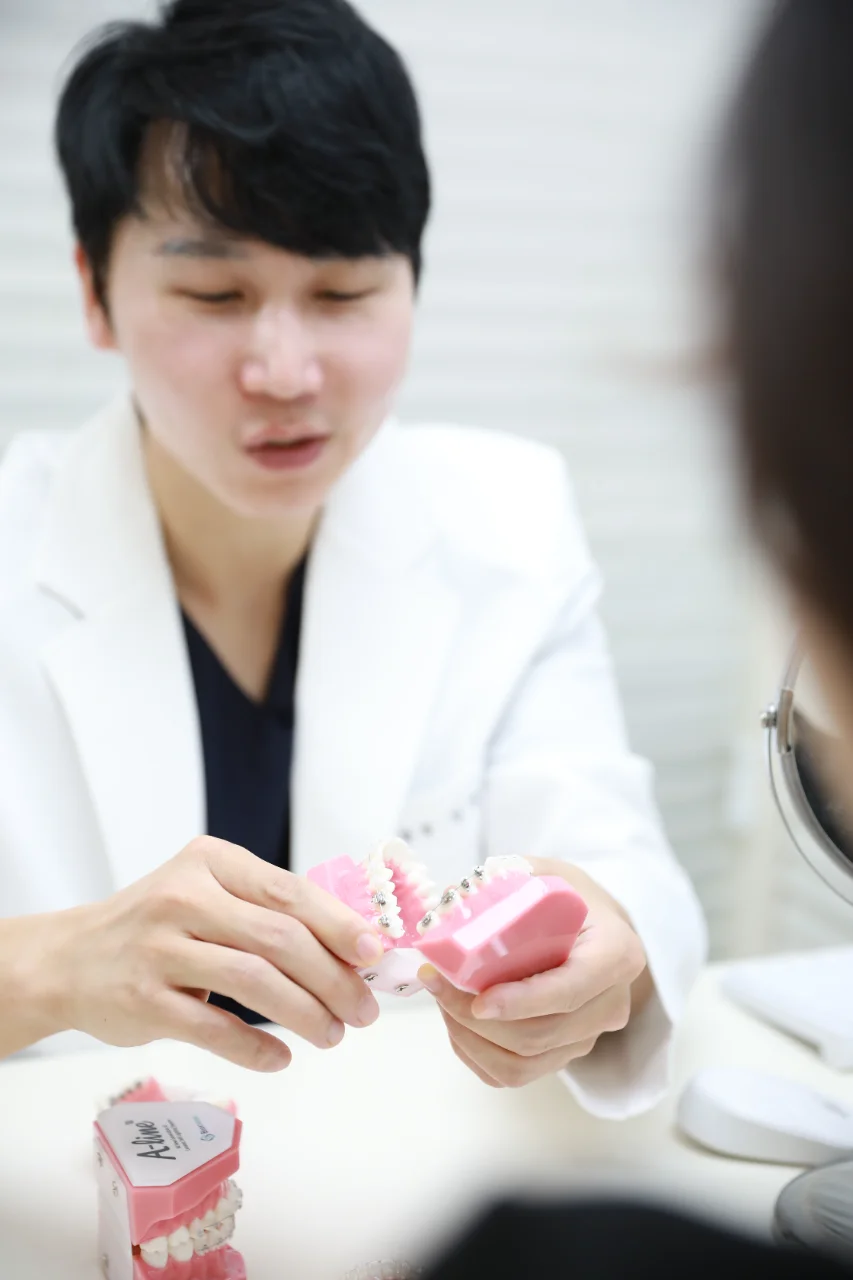
Signs that retreatment may be needed often appear quietly in everyday life. If a slight gap has formed between your front teeth or your lower teeth have started to overlap little by little, that may be the first sign.
Teeth may also be pushed forward or gradually become misaligned as gum disease progresses. When a molar is extracted or preparations are made for an implant, the surrounding teeth may sometimes tilt toward the empty space. When one tooth tilts, neighboring teeth are affected as well, so once changes begin, the affected area may expand over time.
Considering retreatment does not mean that your first orthodontic treatment was done incorrectly.
Teeth are living structures that move gradually throughout life,
and these changes are a response to the oral environment changing over time.
Changes in tooth alignment are often difficult to notice in a mirror you look at every day. Taking front-facing photos with your phone at intervals of several months and comparing them can make the extent of the changes more apparent.
Why do teeth move back after the first orthodontic treatment is complete?
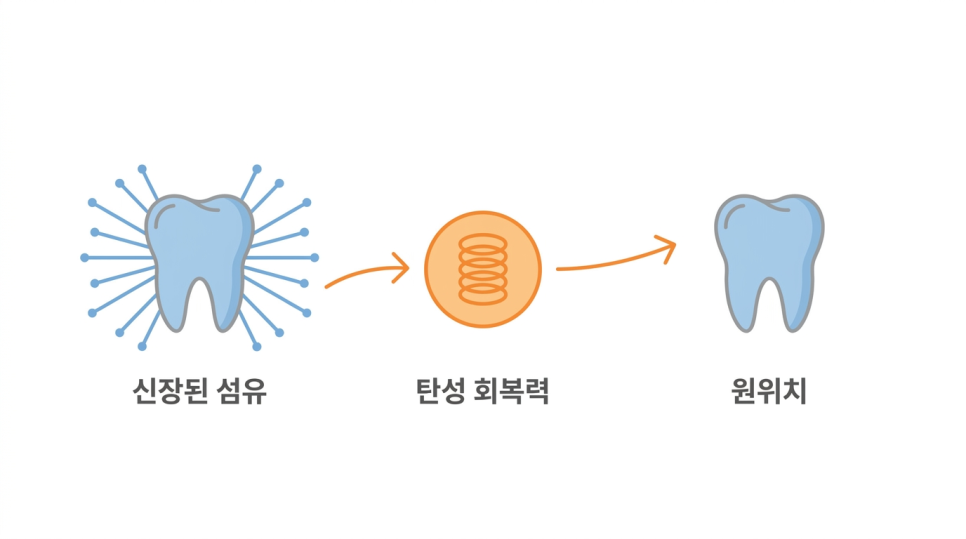
There is a biological reason teeth tend to return toward their pre-treatment positions. A thin layer of fibrous tissue called the periodontal ligament surrounds the roots of the teeth. Tension remains in the collagen fibers that were stretched during orthodontic treatment, and over time, their elastic restoring force pulls the teeth back toward their original positions. The process is similar to how a stretched rubber band contracts again when released.
That is why wearing retainers after orthodontic treatment is important. Neglecting retainer use is the most common cause of relapse. The longer retainers are left out, the stronger the restoring force of the fibrous tissue becomes, pulling the teeth back toward their original positions.
The situation may be somewhat different if you stopped wearing your retainers only recently. Generally, if it has been within a few months of stopping, the teeth may not have moved significantly, and partial orthodontic treatment may often be sufficient instead of full treatment. However, this varies greatly from person to person, and the exact timing can only be estimated by directly comparing your previous dental models with your current condition.
Do you need to give up on orthodontic treatment because of your age?
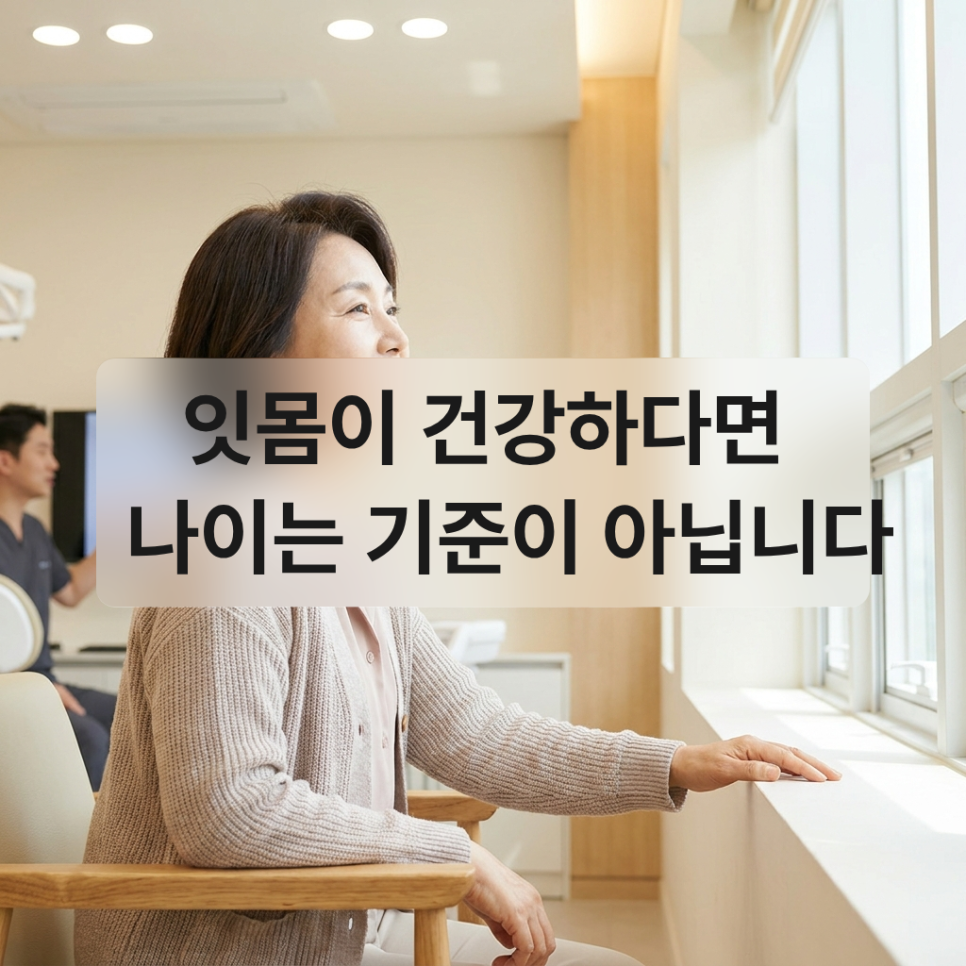
You may have heard that “orthodontic treatment is not possible when you get older because the bones become too hard.” This belief became widespread because orthodontic treatment has traditionally developed with a focus on adolescents. In practice, the key factors are the health of the gums and alveolar bone.
Even in your 50s, orthodontic treatment is possible if your gums are healthy and sufficient alveolar bone remains.
Some people in their 50s who are considering retreatment feel embarrassed that they may appear to be doing it only for their looks at this age. However, the purpose of orthodontic treatment is not limited to improving appearance. When tooth alignment breaks down, chewing function may decline, and excessive force may be placed on certain teeth, potentially accelerating wear or cracks. Viewing it as treatment to restore function can make the psychological burden much lighter.
However, people in their 50s are in an age group with a high prevalence of gum disease. Gum health must be checked before starting orthodontic treatment. If active gum disease (periodontitis) is in progress, the proper sequence is to complete gum treatment first and then begin orthodontic treatment. Applying orthodontic forces while inflammation remains may cause the alveolar bone to become damaged more quickly.
Orthodontic retreatment in your 50s: How is it different from treatment in your 20s?
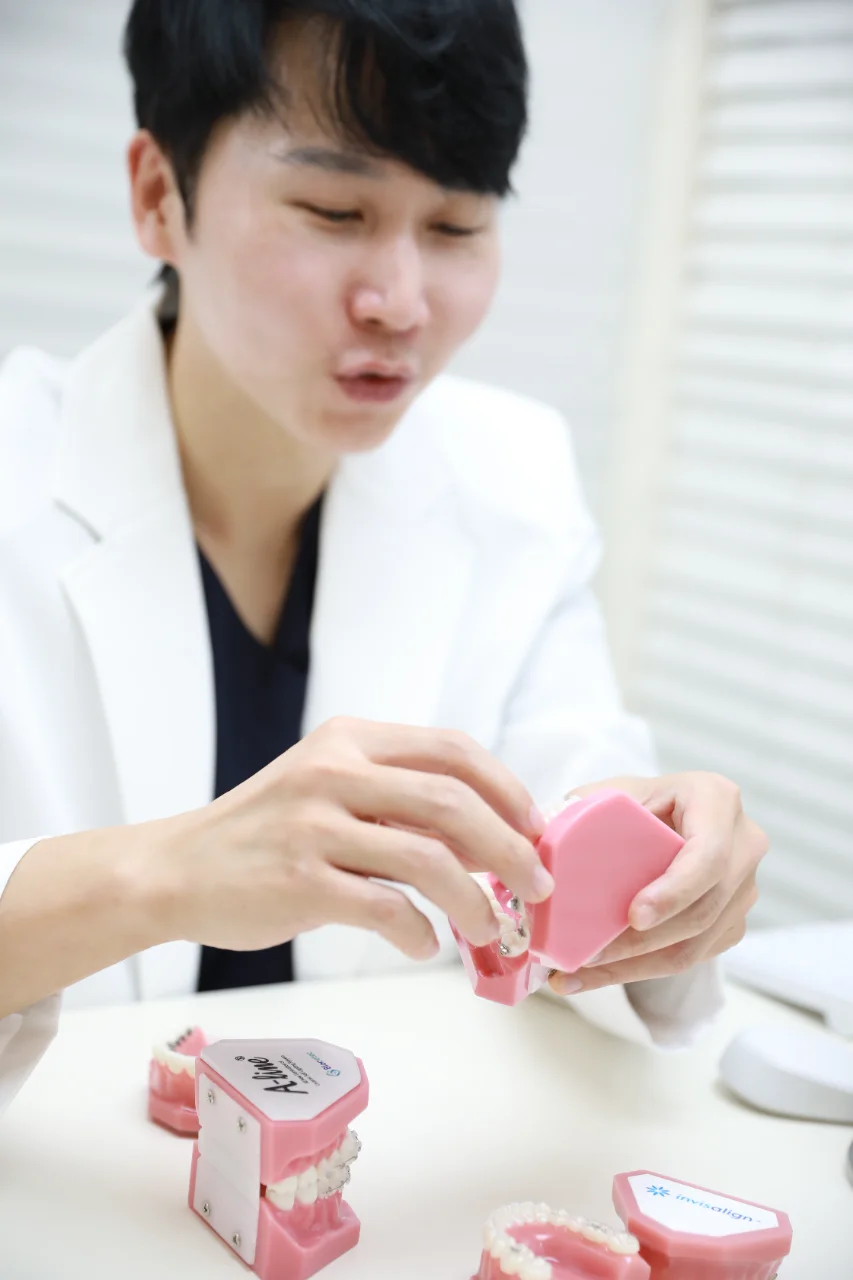
To be honest, orthodontic treatment in your 50s takes a little longer than it does in your 20s. Bone metabolism slows with age, which means that the surrounding bone is remodeled more slowly as the teeth move. As a result, treatment often takes longer than it does for adolescents.
There are also differences during the detailed examination stage. In addition to analyzing tooth alignment, patients in their 50s need periodontal examinations to assess gum pocket depth and the amount of alveolar bone remaining. The treatment plan itself may change depending on the examination results.
If you have existing dental restorations such as crowns (artificial coverings) or bridges (prostheses that connect several teeth), they need to be checked in advance. The way orthodontic forces are applied differs for teeth covered by restorations. A simple comparison is shown below.
| Comparison item | 20s | 50s |
|---|
| Bone metabolism | Fast | Slow |
| Periodontal examination | Selective | Essential |
| Existing restorations | Rare | Common in some cases |
| Preferred appliance | Combination of braces | Preference for clear aligners |
People who are active in their professional and social lives tend to prefer removable clear aligners. They are less noticeable and can be briefly removed for important occasions, so they generally cause less inconvenience in everyday life.
To prevent the teeth from spreading again, retainers make up half of the treatment
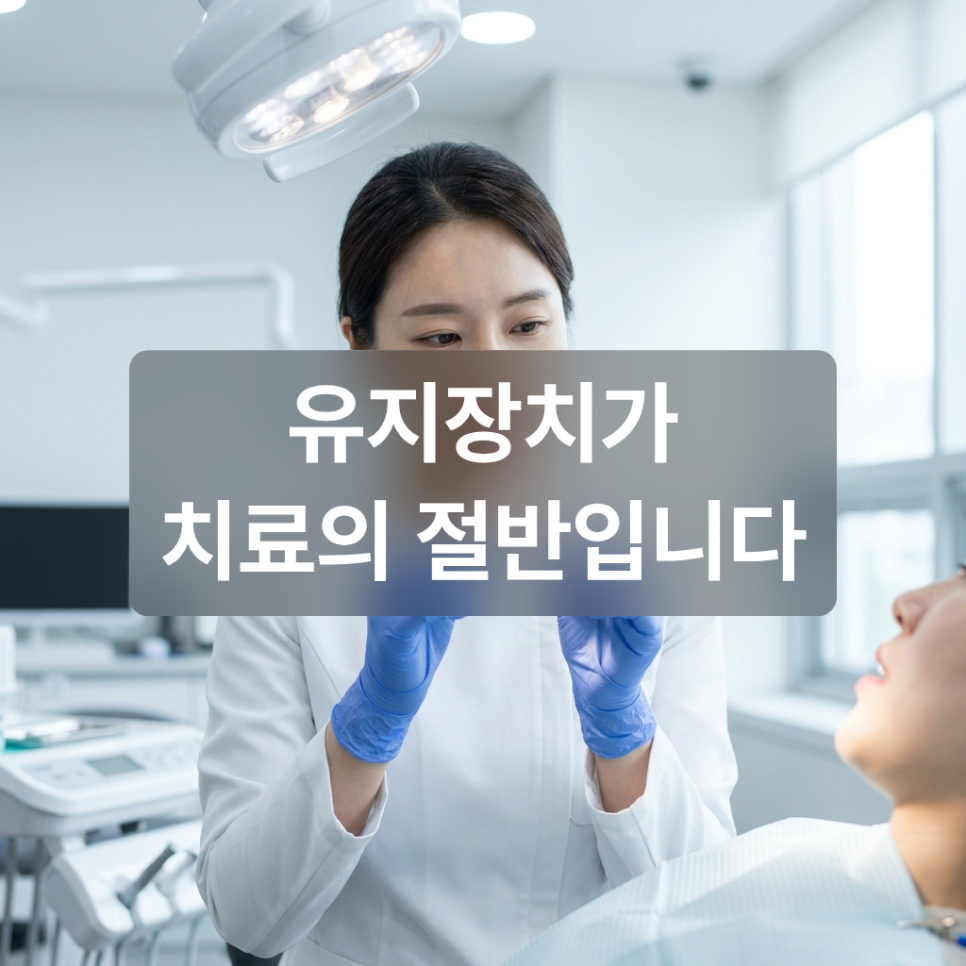
Retainers are the most important step in preventing relapse after orthodontic retreatment. Since the greatest fear for people who have decided to undergo retreatment is “What if it happens again?”, the retention phase should be taken as seriously as the treatment itself.
Using two types of retainers together is recommended.
-
Fixed retainer wire: A thin wire is attached and fixed to the inner surfaces of the teeth. There is no need to worry about forgetting to wear it, and it works 24 hours a day.
-
Removable clear retainer: This type is put on and taken off by the patient. Because it allows you to brush thoroughly in every area, it is helpful for maintaining oral hygiene.
The reason for using both types is that they serve different roles. Fixed retainers help keep the front teeth from spreading again, while removable retainers help maintain the alignment of all the teeth and the way the upper and lower teeth come together. Using only one type may leave the other area insufficiently supported.
In the beginning, removable retainers are worn for most of the day, including while sleeping,
and once the condition has stabilized, wearing time is gradually reduced, with a focus on nighttime use, according to the dentist’s instructions.
The key is to continue wearing them consistently over the long term.
Even during the retention phase, it is a good idea to visit the dentist every 3–6 months to check your tooth alignment and gum condition. During regular checkups, the dentist does not only examine the gums. They also look for early signs of relapse and check whether the fixed wire attached to the inner surfaces has come loose or shifted. If you do not realize that the wire has detached and several months pass, the teeth may begin moving again during that time.
If you have been putting off a consultation, here are a few things to consider first
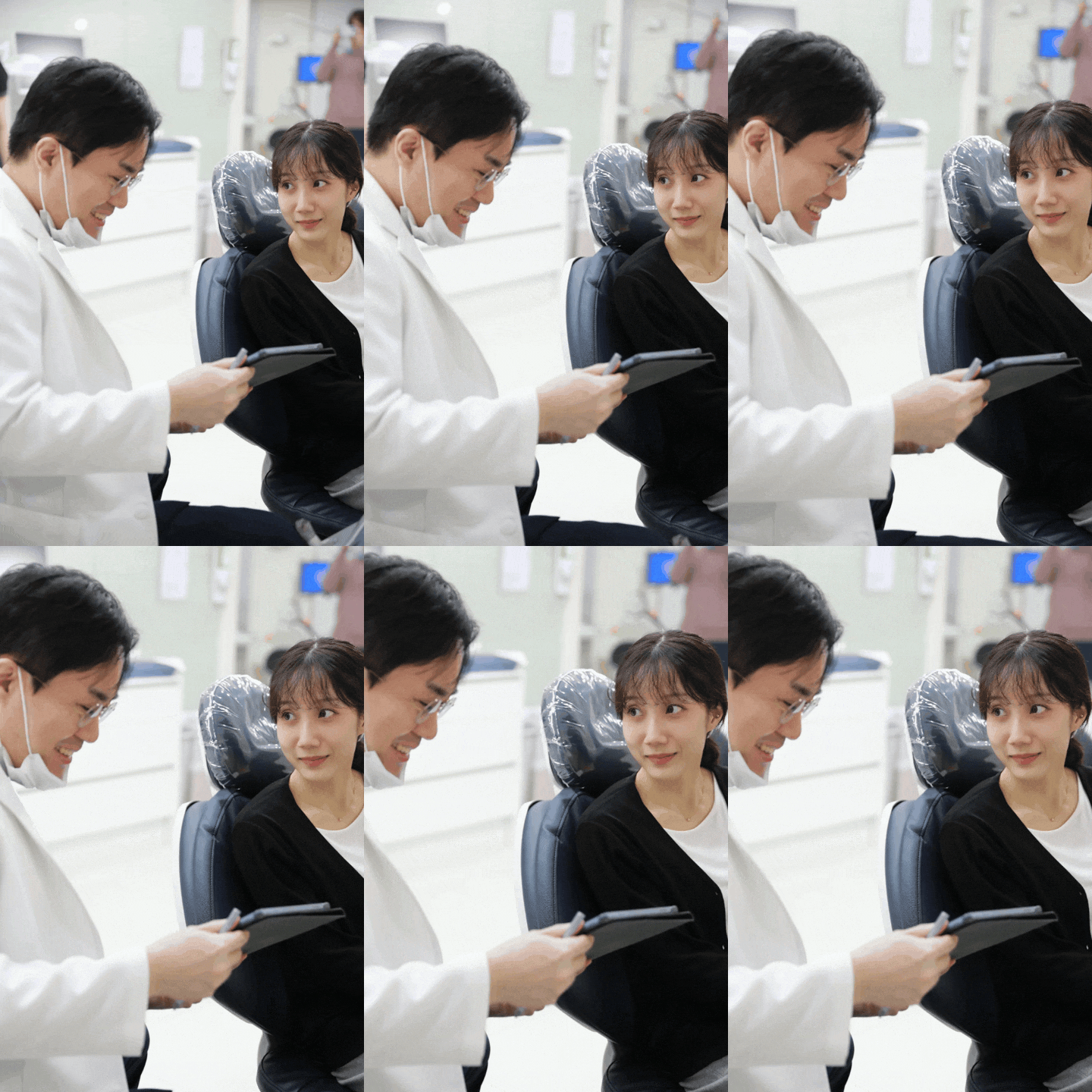
The first step in determining whether orthodontic treatment is possible is not far away. You can start simply by having your gum and alveolar bone condition checked at a nearby dental clinic, and an initial evaluation can be performed at a general dental clinic regardless of your location. If you have X-rays or dental models from your previous orthodontic treatment, it is a good idea to bring them with you. They make comparison with your current condition easier and can help reduce the time and cost of the evaluation.
When choosing a clinic for a consultation, it is a good idea to ask directly about the dental professionals’ experience and the post-treatment care system. Checking how gum care is managed during treatment and how often visits are scheduled during the retention phase can help you determine whether the treatment approach suits your situation. For orthodontic retreatment in your 50s, how you manage your teeth afterward is just as important as the treatment itself.
A consultation does not mean that you have decided to undergo treatment. If your gums are healthy and sufficient alveolar bone remains, orthodontic retreatment is still an option in your 50s. The first step is simply to check the current condition of your gums. If you feel that a gap is forming between your front teeth or that a molar is tilting, visiting a nearby dental clinic to have your gum condition examined may make the process feel much less burdensome.