When looking at a child’s teeth, you may notice that one baby tooth looks unusually lower than the others, or that it remains in place even though it seems past the time when it should have fallen out.
“Could it just be falling out a little late?”
One of the conditions dentists check for in this situation is tooth ankylosis. In English, it is called ankylosis. Although the name may be unfamiliar, the underlying principle is not difficult to understand. Today, we will explain step by step what tooth ankylosis is, when it may be suspected, and how treatment decisions are made at Ceramic Dental Clinic.
Teeth Are Not Firmly Attached to the Bone
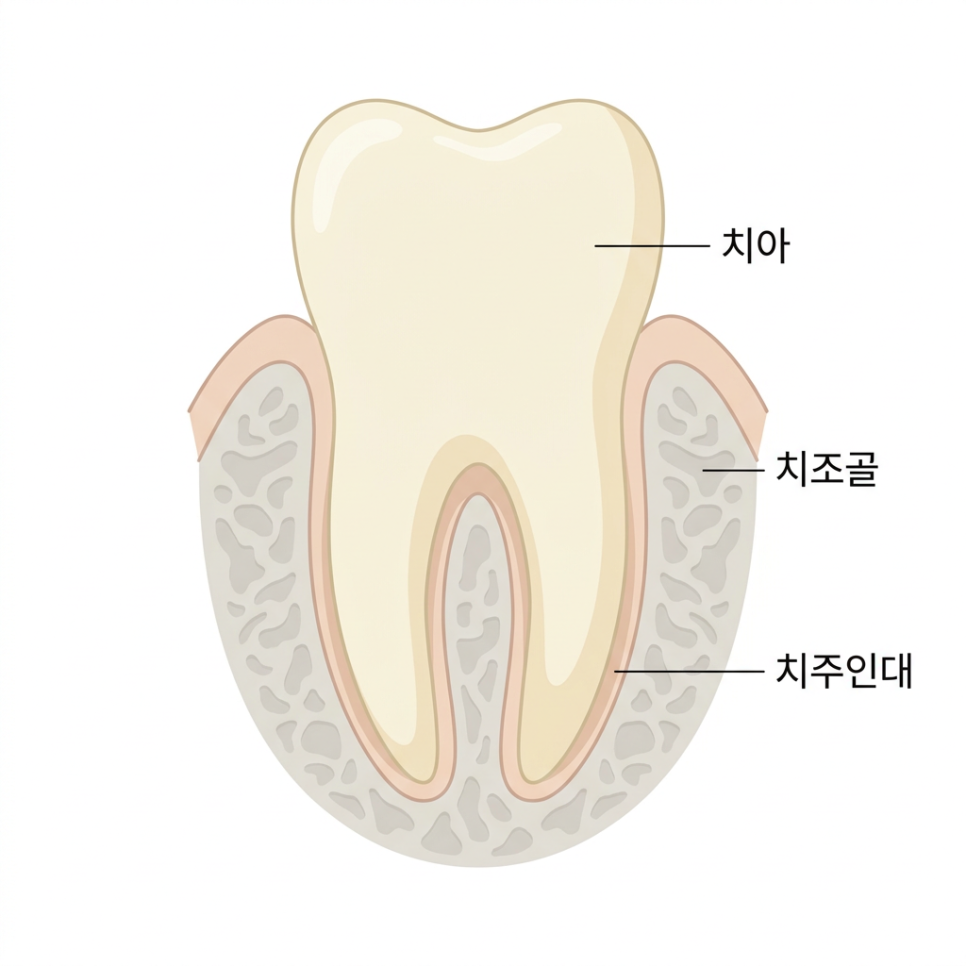
Many people think that teeth are firmly embedded in the jawbone. Of course, teeth should not be loose or shake easily.
However, healthy teeth are not completely fused to the bone. Between the tooth root and the jawbone is a very thin tissue called the periodontal ligament.
The periodontal ligament acts as a cushioning system for the tooth. It absorbs the forces generated when chewing and allows the tooth to move very slightly. Teeth can gradually move during orthodontic treatment because the periodontal ligament and the surrounding bone respond to these forces.
What Is Tooth Ankylosis?
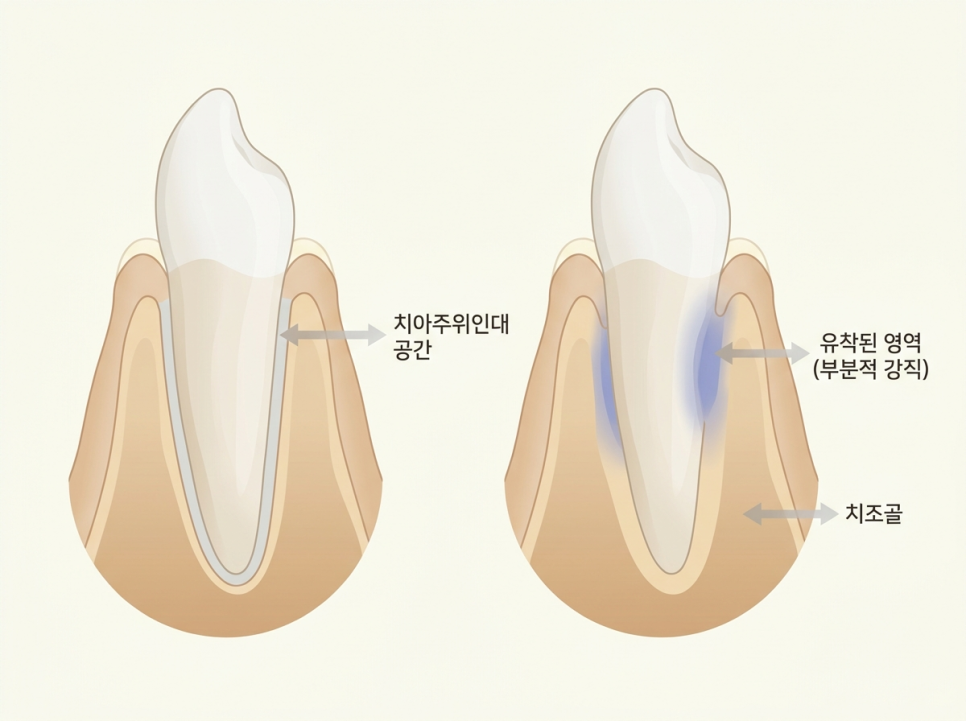
Tooth ankylosis refers to a condition in which part of the periodontal ligament space that should exist between the tooth root and the jawbone disappears, causing the tooth and bone to become directly attached. In simple terms, the tooth and bone, which should normally be separated by a thin cushion, become connected like a single unit.
When this happens, the tooth may have difficulty erupting or moving naturally like the surrounding teeth. This is especially noticeable in growing children. While the surrounding teeth and jawbone continue to grow, the ankylosed tooth may not keep up with these changes and may therefore appear relatively lower.
These Signs Should Be Checked
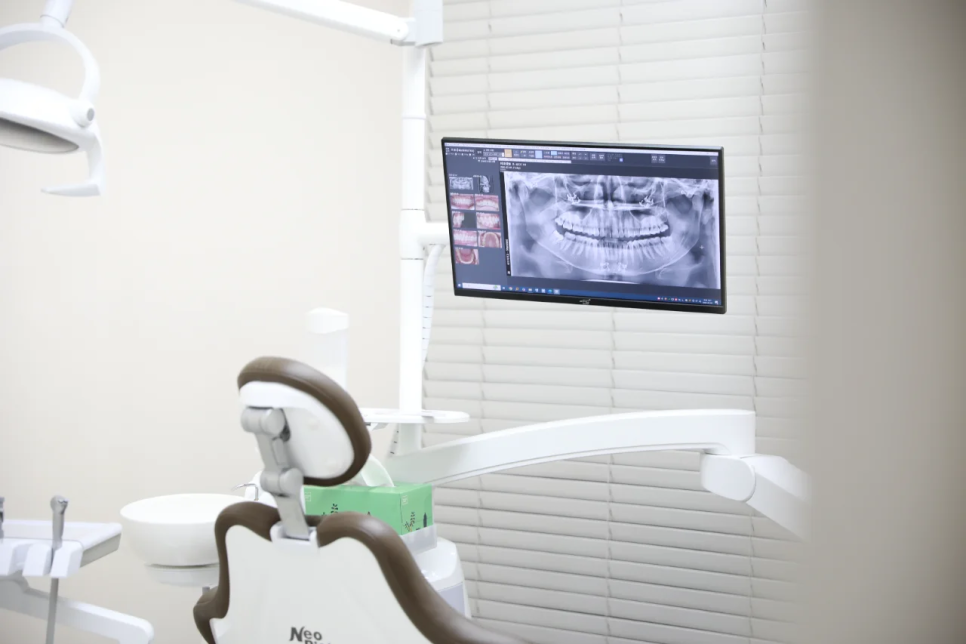
Tooth ankylosis does not always cause pain. In fact, it may be discovered during a routine examination or orthodontic consultation even when there is no discomfort. If any of the following situations apply, it is a good idea to have the child examined by a dentist.
-
One baby tooth appears unusually low or submerged
-
A baby tooth remains for a long time even though it seems past the expected time to fall out
-
The chewing surfaces on one side do not line up properly
-
A particular tooth does not move well during orthodontic treatment
-
The child has previously taken a hard blow to a front tooth
-
The child is being monitored long-term after a tooth was replanted
Of course, these signs do not necessarily mean that the child has tooth ankylosis. Other causes may include delayed eruption, insufficient space, or an abnormal position of the permanent tooth. From a parent’s perspective, the phrase “looks low” can also be ambiguous. It is helpful to make a note if, when the child closes their mouth, one tooth does not make contact, its chewing surface appears lower than those of the teeth in the same row, or its height barely changes over time.
Why Does It Occur?
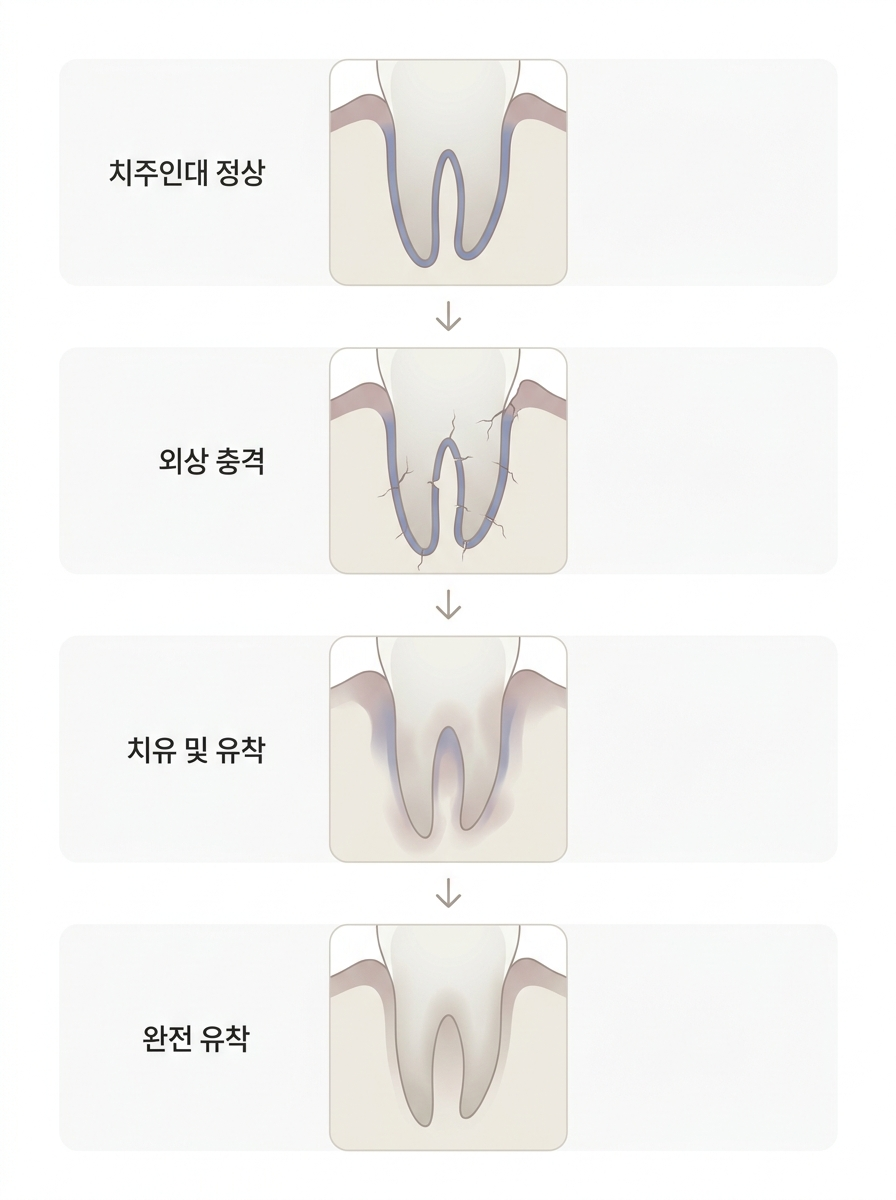
The cause of tooth ankylosis cannot always be attributed to a single factor. Dental trauma may be involved in some cases. A hard blow to a tooth or the replantation of a tooth after it has been knocked out can damage the periodontal ligament around the tooth root. If the boundary between the tooth root and the bone becomes unclear during the healing process, ankylosis may develop.
Tooth ankylosis can also be observed in baby teeth. Ankylosis of a baby tooth may be discovered without any known history of trauma. Because children may not report any discomfort, parents often notice it because of a difference in tooth height, or it is identified during a dental examination.
Tooth ankylosis is also not a problem that necessarily produces an obvious hole, as with tooth decay. The tooth may appear normal in color, and the gums may not be significantly swollen. This makes it easy to think, “It does not hurt, so it must be fine.” However, if the tooth has become attached to the bone and lost its ability to move, it may affect the alignment of the surrounding teeth or the eruption of the permanent tooth over time.
Why It Matters More for Growing Children

During growth, the teeth and jawbone continue to change. The surrounding teeth erupt, the jawbone grows, baby teeth fall out, and permanent teeth settle into position. However, an ankylosed tooth is attached to the bone and may not adapt well to these changes. As a result, the affected tooth may gradually appear lower, creating an infraocclusion. The neighboring teeth may tilt, or the available space for the permanent tooth may be affected. For this reason, tooth ankylosis in a child should not be viewed simply as a problem of a “late-falling baby tooth.”
What matters is not only whether the child is in pain right now, but also how the condition may affect the alignment of the teeth and growth in the future.
For example, if an ankylosed baby tooth remains in a lowered position for a long time, the teeth on either side may tilt toward it. A tooth on the opposite side may also descend or erupt further toward the empty space. As these changes accumulate, future orthodontic or prosthetic treatment planning may become more complicated. Therefore, during growth, even a small difference in tooth height is not merely a cosmetic issue; it can provide a clue about future changes in the dental alignment.
How Is It Diagnosed?
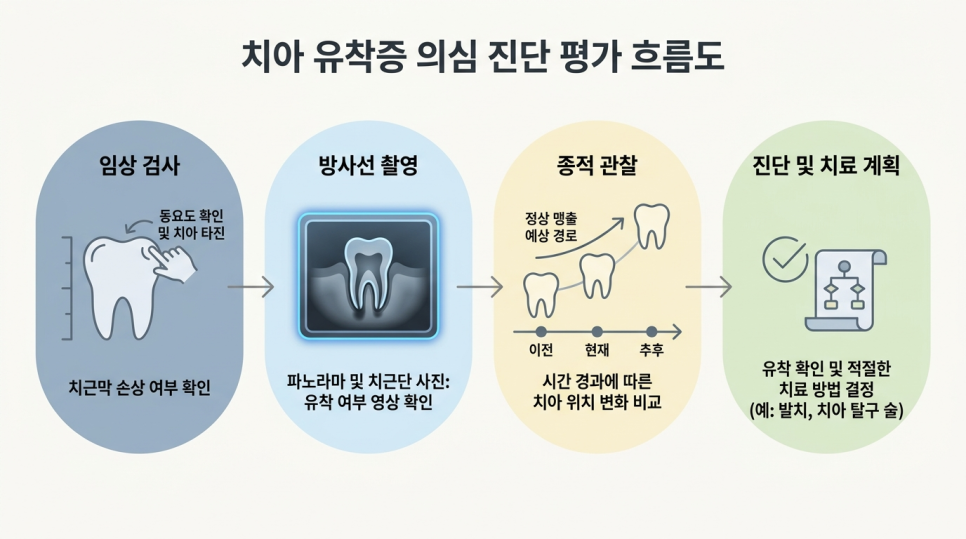
Tooth ankylosis is difficult to assess accurately at home.
At the dental clinic, the tooth’s height, mobility, bite relationship, sound when tapped, and radiographs are evaluated together. An ankylosed tooth is known to produce a different sound from the surrounding teeth when tapped, but this finding alone cannot confirm the diagnosis. In particular, early or partial ankylosis may not be clearly visible on an image.
For this reason, it may sometimes be important to observe changes over a certain period rather than relying on a single examination. If previous radiographs are available, the dentist will often compare them with newer images. This helps assess whether the tooth is erupting normally, whether the space around the root is being maintained, and in which direction the succeeding permanent tooth is moving. The scope of the examination also varies depending on the child’s age and the level of suspicion.
Treatment Is Not the Same in Every Case
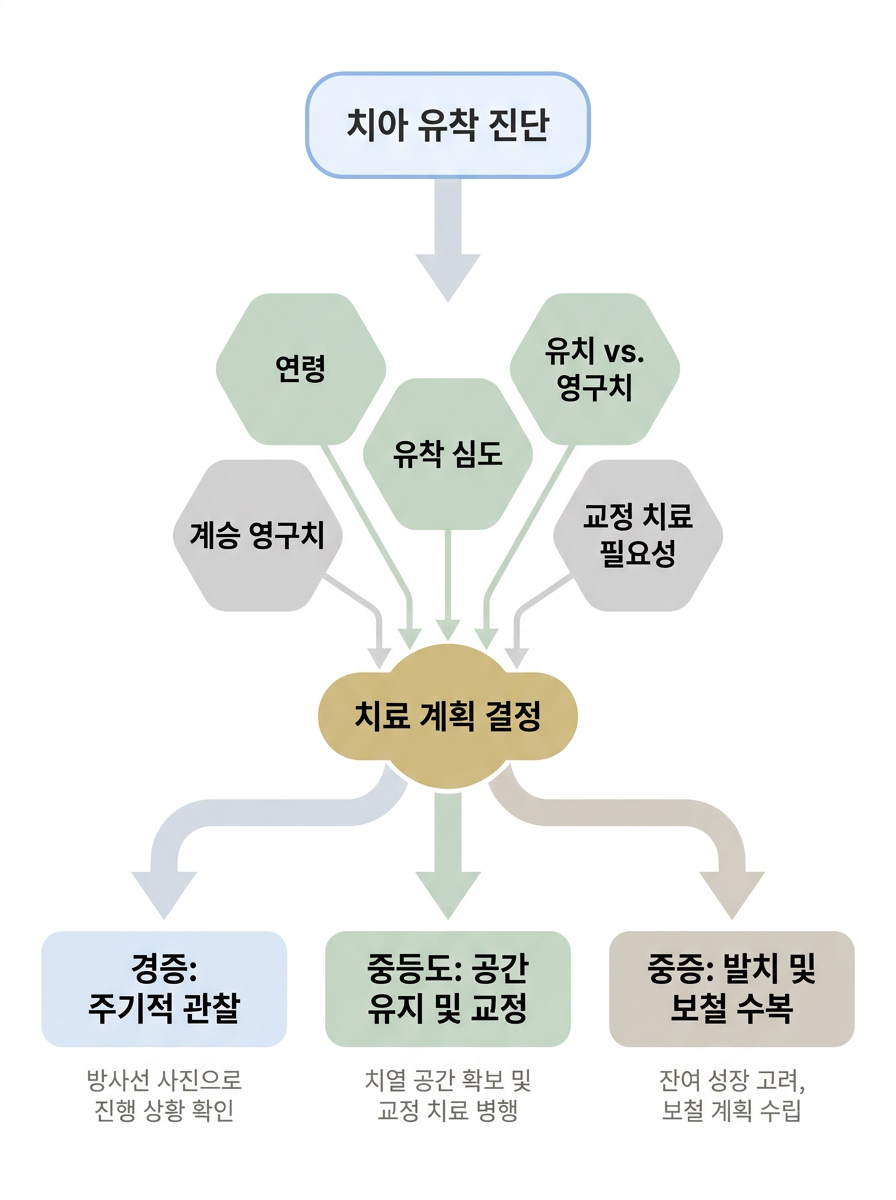
A diagnosis of tooth ankylosis does not automatically mean that the tooth must be extracted immediately or that extensive treatment is necessary. The treatment approach depends on the child’s age, whether the tooth is a baby tooth or a permanent tooth, the extent of ankylosis, the tooth’s position, the degree of infraocclusion, the condition of the succeeding permanent tooth, and the orthodontic plan.
In mild cases, regular observation may be sufficient to monitor changes. On the other hand, if the tooth has become significantly lower or is interfering with the alignment of the neighboring teeth, extraction, a space maintainer, orthodontic treatment, or prosthetic treatment may be considered.
When ankylosis of a permanent tooth is suspected after trauma, long-term appearance, bone growth, and future prosthetic planning must also be considered. Careful judgment is especially important when the affected area is highly visible, such as the front teeth.
During growth, treatments such as dental implants may not be immediately appropriate, and preserving the growth of the alveolar bone must also be taken into account.
Therefore, the goal of treatment is not simply to remove the problem tooth. It is to balance current function, future growth, and the esthetic outcome.
Points for Parents to Remember

A baby tooth falling out a little late does not necessarily indicate a problem. However, if one tooth is noticeably lower than the others, its position does not change over time, or a particular tooth does not move at all during orthodontic treatment, it should be checked.
Tooth ankylosis is often discovered because the tooth does not move, rather than because it causes pain.
During a routine examination, you may be told, “Let’s observe it for a little longer.” This does not usually mean that the condition should simply be ignored. It often means that the child’s growth rate and changes in the tooth’s position should be monitored.
Conversely, if the changes are progressing quickly or affecting the surrounding teeth, a more active treatment plan may be needed. This is why the conclusion can differ from child to child even when the condition is the same.
Therefore, if your child’s tooth appears to be at a different height or you are concerned about its condition after trauma, it is safer to have the child examined by a dentist rather than relying on internet information alone. If necessary, the treatment plan can be determined in consultation with the relevant departments, such as pediatric dentistry, orthodontics, or restorative dentistry.
In Summary,
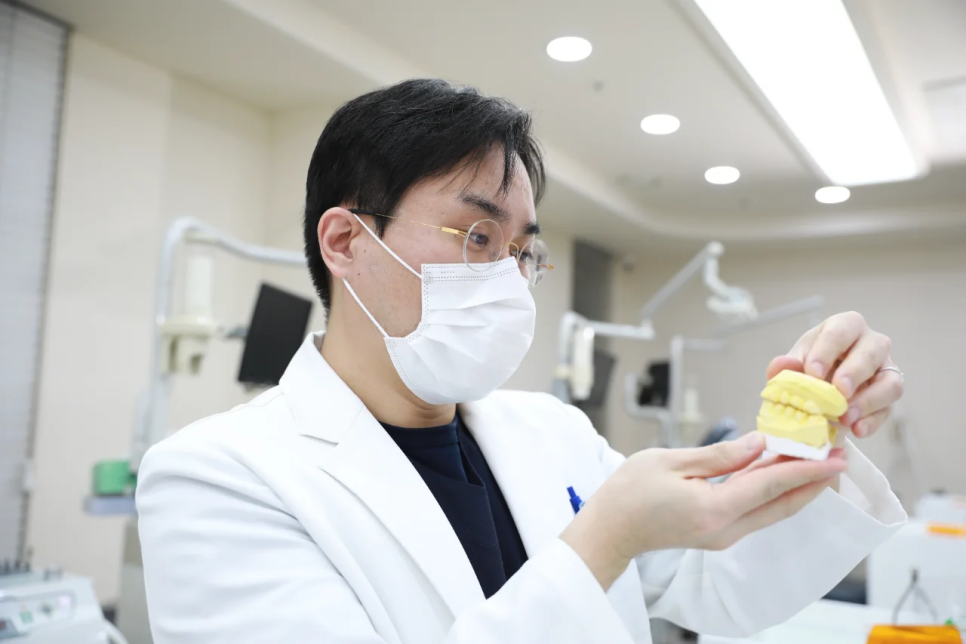
Teeth should be firm, but they should not be completely immobile.
Healthy teeth absorb forces through the small space provided by the periodontal ligament, respond to growth and treatment, and maintain balance with the surrounding teeth.
Tooth ankylosis can be understood as a condition in which this small degree of flexibility has disappeared. Even without pain, a tooth that appears low, a baby tooth that remains for a long time, or changes suspected after trauma should not be dismissed.
Early evaluation can reduce unnecessary concerns and, when needed, allow an appropriate treatment plan to be made at the right time.