There is one surprising fact that many people do not know about ceramic braces.
Ceramic braces are not “better braces than metal braces.” The principle behind moving the teeth and the results that can be achieved are almost the same as with metal braces.
There is only one difference—whether they are noticeable or less noticeable. But with adult orthodontic treatment, this “one difference” often determines whether someone starts treatment or puts it off indefinitely.
In fact, you have probably known for a long time that you needed orthodontic treatment. The reason you kept postponing it was not your teeth themselves. It was the metal appliances that would be visible every time you opened your mouth—in meetings, in front of business partners, or on a blind date.
That is probably why you searched for “inconspicuous braces” and ended up here. Today, I will organize what is factual and what is exaggerated, as well as what you should check before focusing on the appliance itself.
Ceramic Braces—The Principle Is the Same; Only the Appearance Is Different
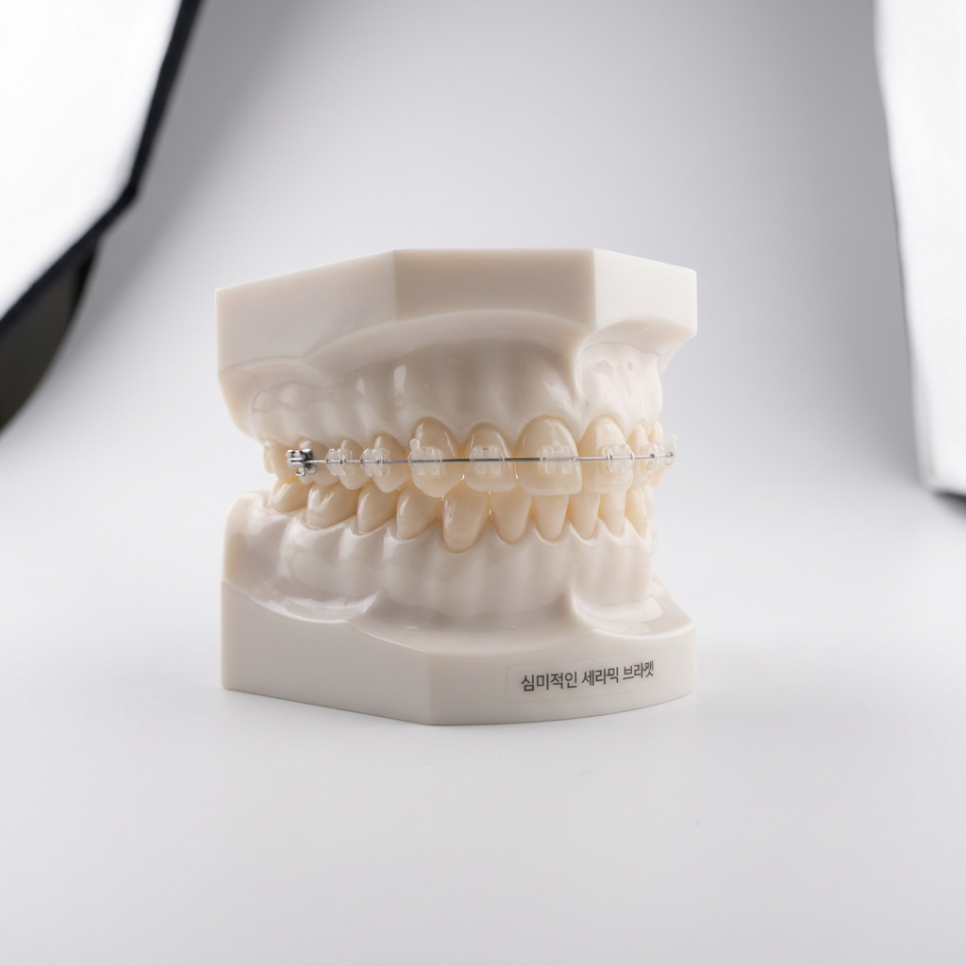
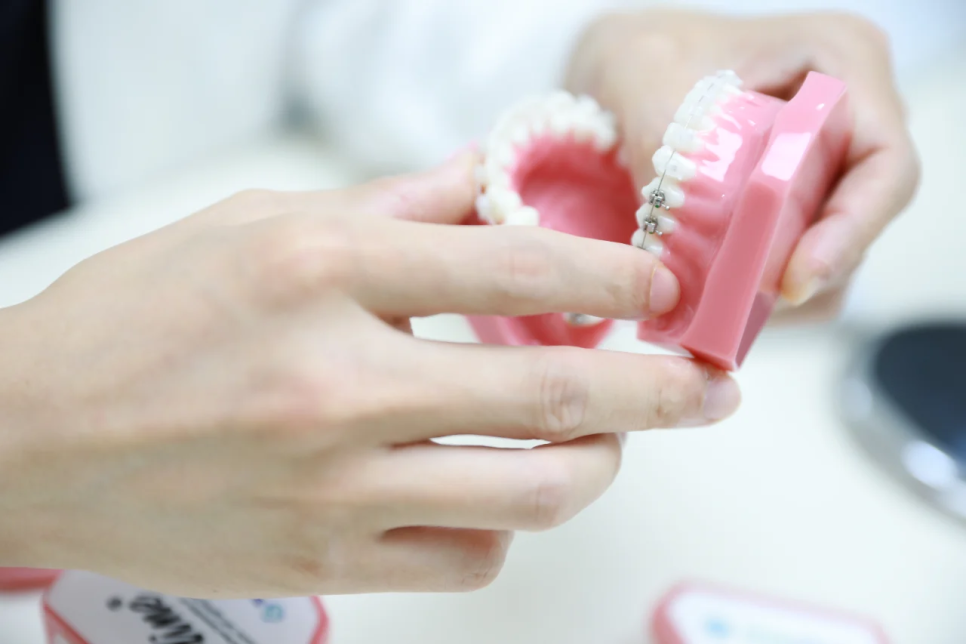
Ceramic braces are an orthodontic treatment method that uses brackets made of ceramic, a tooth-colored material similar to porcelain, instead of metal.
The principle is the same as with metal braces: wires are connected to the brackets to move the teeth in the planned direction.
The fact that the principle is the same is more important than you might think. The bracket-and-wire method has been validated over a long period, and it is known to allow precise tooth movement to be planned for complex tooth alignment and various types of malocclusion.
Ceramic braces are not a “new orthodontic method.”
They are an option that adds aesthetics to orthodontic treatment based on the same fundamentals.
The appliances are not completely invisible when viewed up close. However, because the material is close to the color of the teeth, they tend to be less noticeable than metal appliances at ordinary conversational distances.
The Disadvantages of Ceramic Braces, Explained Honestly

If you make a decision based only on the advantages, you may regret it during treatment. These are things you should know in advance.
| Item | Metal braces | Ceramic braces |
|---|
| Treatment principle | Brackets + wires | Same |
| Aesthetics | Noticeable because of the metallic color | Less noticeable because of the tooth-colored appearance |
| Strength | Relatively strong | Weaker than metal, so care is needed to prevent breakage |
| Cost | Standard | Generally higher |
First, they can break. Due to the characteristics of the material, ceramic is less strong than metal, so the brackets may fracture when you eat hard foods. Reattaching a new appliance can resolve the issue, but it is true that extra care is needed if visiting the dental clinic is difficult.
Second, discoloration of the elastic ligatures is more noticeable. In fact, the elastic ligatures on metal appliances also become discolored in the same way. However, because metal appliances are already quite noticeable, people often do not notice the difference. With ceramic appliances, discoloration of the elastics can stand out. If this bothers you, avoiding foods that cause significant staining, such as curry, may help.
Third, they cost slightly more than metal braces. This is unavoidable to some extent because the appliances themselves cost more to produce. Based on the total orthodontic treatment cost, a difference of around 10–15% is common.
These disadvantages are not reasons to give up on treatment. However, what each person is willing to accept differs, and that judgment leads to the next question.
What You May Wonder About Once You Actually Start—Daily Care and the Treatment Process

These are questions frequently asked during consultations by people undergoing treatment while working. Here is a summary in advance.
How do I eat? For a few days immediately after the appliances are attached, your teeth may feel sore, so soft foods are more comfortable. After that, most foods are possible, but it is better to cut up or avoid hard foods such as ice, scorched rice, and dried squid (to prevent breakage). Simply rinsing your mouth with water after drinking coffee can also help manage discoloration. Because food can easily remain around the brackets, brushing is much easier if you also use an interdental brush.
Will my pronunciation or meetings be affected? Ceramic braces are attached to the outer surfaces of the teeth and do not directly touch the tongue, so they are generally known to have less impact on pronunciation than lingual braces. You may feel something inside your lips at first, but protective wax and similar measures can help you adjust.
What is the treatment sequence? ① Comprehensive examination (radiographs, an oral scan, and facial analysis) → ② Consultation on diagnosis and treatment planning → ③ Appliance placement → ④ Regular visits every 4–6 weeks → ⑤ Appliance removal followed by wearing retainers. Retainers are especially important because they help control the tendency of the teeth to return to their original positions and help preserve the orthodontic results.
And one thing runs through this entire process: the “diagnosis” at the very first stage.
Why the Cost of Ceramic Braces Differs from Clinic to Clinic
As you may have seen in your search, the cost of ceramic braces varies significantly from one dental clinic to another. This is because the actual treatment details can differ even when they are all called “ceramic braces.” When comparing estimates, do not look only at the total amount. Check these three points:
-
What is included in the estimate? Some clinics quote only the appliance fee and charge a separate monthly adjustment fee, while retainers may also be billed separately. Even if the initial estimate looks inexpensive, the total may be similar or higher.
-
The scope of the examination and diagnosis. The cost structure varies depending on how extensively radiographs and analyses are performed.
-
The difficulty of the case. The amount of treatment differs for the same appliance depending on whether extractions are needed, the severity of the malocclusion, and whether the treatment is partial or comprehensive.
In other words, differences in cost are often due less to “overcharging” versus “integrity” than to differences in what is included and how the treatment is designed. That is why cost comparisons are meaningful only after receiving a diagnosis.
The Question to Ask Before “Which Appliance Is Better?”
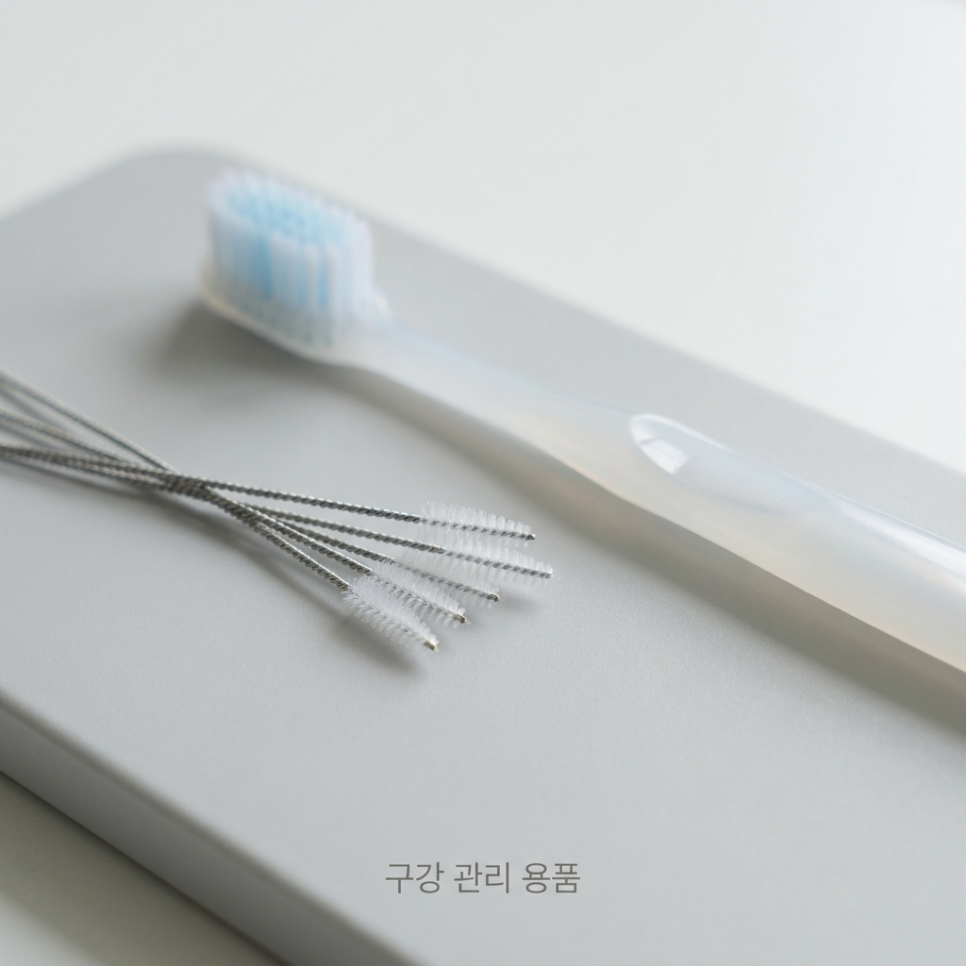
The question asked most often during orthodontic consultations is, “Are ceramic braces or metal braces better?” But in fact, the order of the questions is backwards.
An appliance is merely a “tool” for moving the teeth. Diagnosis and treatment planning determine where, in what order, and how far the teeth should be moved.
Even with the same ceramic brackets, the treatment period and results can differ depending on whether extractions are performed and which teeth are moved first. The treatment design is entirely different for someone with protruding teeth and someone whose teeth are simply crooked, even if they use the same appliance. If the decision about extractions changes, even the appearance of the face may be affected. Orthodontic treatment typically lasts from a year and a half to two years or longer, and once it begins, it is difficult to reverse.
Choosing a dental clinic based only on the name of the appliance
is essentially the same as not comparing your options at all.
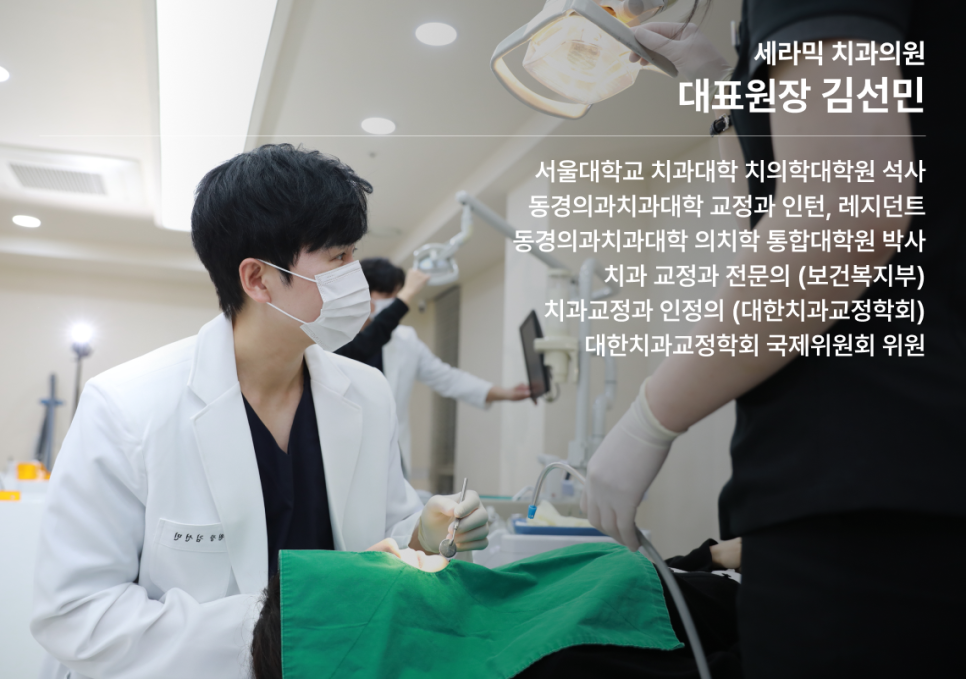
For reference, an orthodontic specialist is a dentist who completes six years of dental school, one year of internship, and three years of orthodontic residency before passing the national specialist examination. Such specialists are known to represent a small proportion of all dentists. This also means that it takes that much time to receive dedicated training in orthodontics as a separate field.
General Criteria for Choosing a Good Orthodontic Clinic

Whichever dental clinic you choose, we recommend checking these three points:
-
Whether a doctor who has undergone in-depth training focused specifically on orthodontics directly oversees the process from the initial diagnosis through final retention. Because treatment takes several years, consistency in the treating doctor is important.
-
Whether the clinic transparently discloses the doctor’s training and qualifications.
-
Whether the clinic explains the treatment plan after conducting a comprehensive examination and analysis, rather than recommending an appliance first.
Of course, this does not mean that a dentist who is not an orthodontic specialist cannot provide orthodontic treatment. However, there is clearly a difference between helping patients understand this information and make an informed decision and not doing so.
“Is It Okay to Start at My Age?”
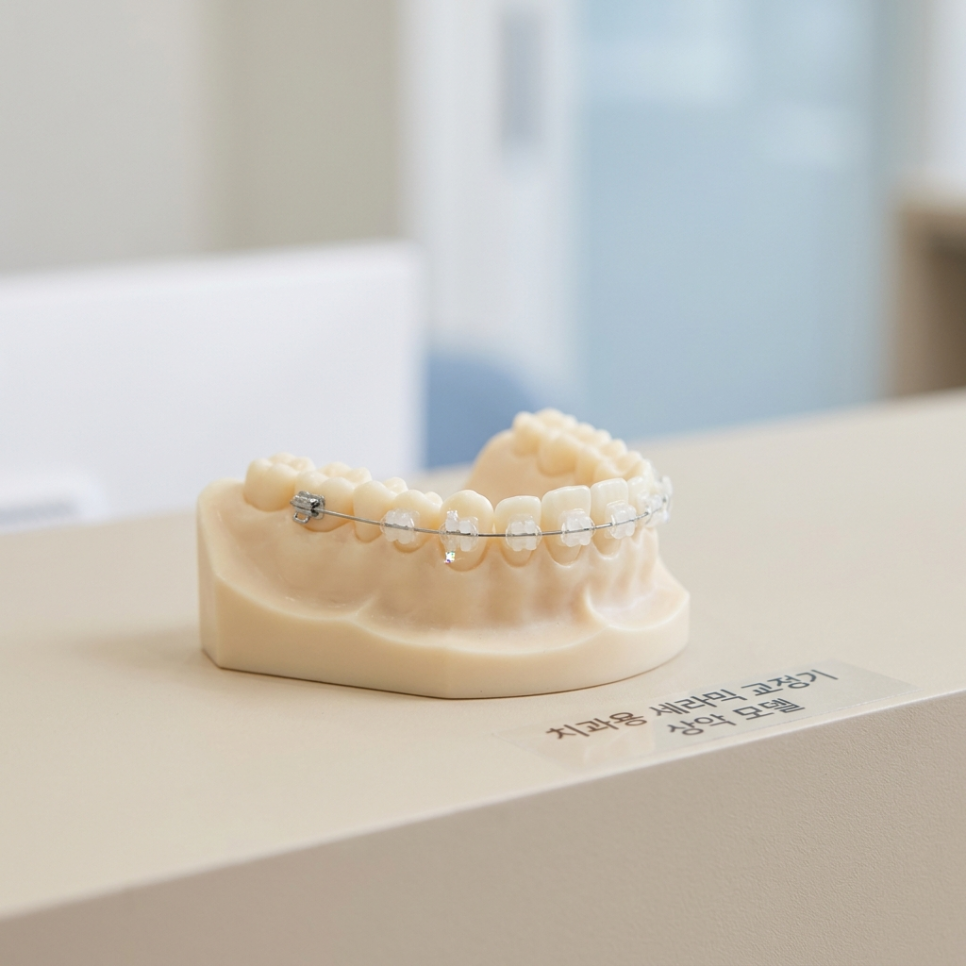
This is a question that frequently comes up in adult orthodontic treatment. Teeth are known to move when appropriate force is applied even after adulthood, so age itself is not an absolute barrier to orthodontic treatment.
However, unlike during growth, adults cannot make use of jaw growth, and gum condition also affects treatment. Therefore, it is even more important to evaluate periodontal condition before starting.
Whether it is “too late” or not is ultimately
a question that diagnosis can answer.
First Check Whether Ceramic Braces Suit “Your Case”
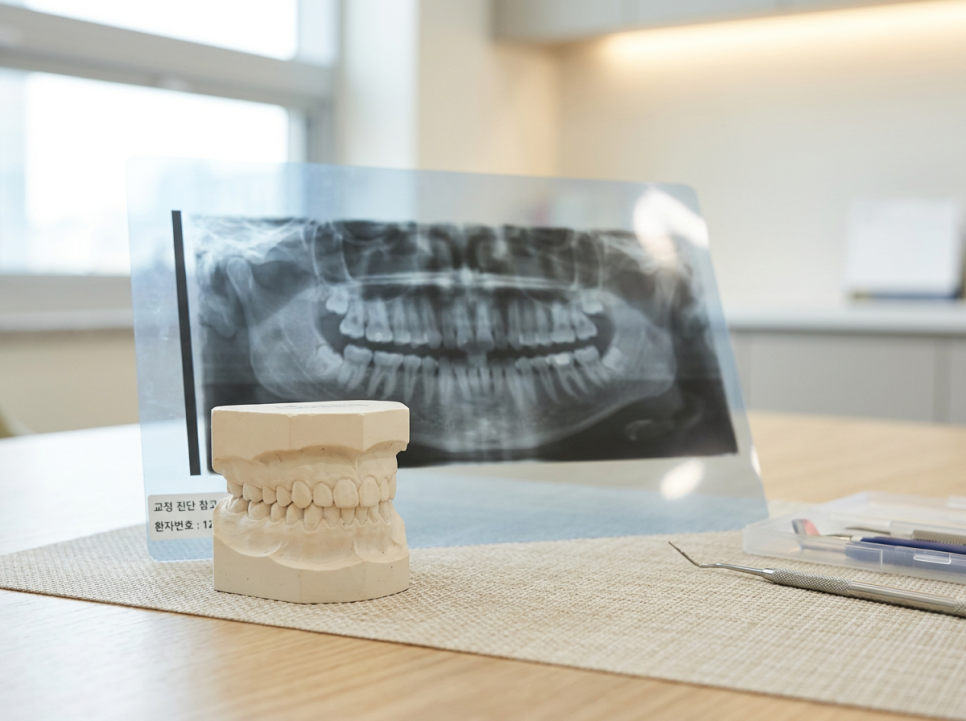
Ceramic braces are a good option, but they are not the right answer for everyone. Depending on the bite, another type of appliance may be more suitable for some people, while ceramic braces are sufficient for many others.
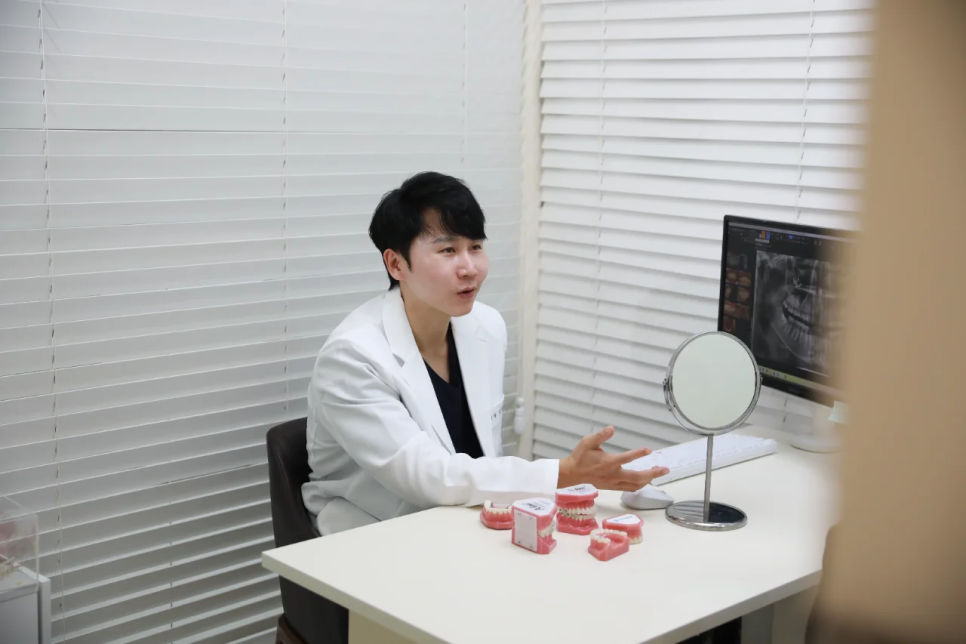
What you need right now is not a decision but confirmation. Only an examination and diagnosis can determine the condition of your teeth, whether your case requires extractions, and whether treatment can be planned with ceramic braces.
If you work near Hakdong Station, you may wish to stop by during your lunch break or on your way home simply to receive an initial diagnosis. Since this is treatment you will undergo for several years, we hope you start easily and make your decision based on accurate information.