You may have come back from an orthodontic consultation after being told by the clinic coordinator, “If you choose self-ligating braces, it will hurt less and take less time.”
And the estimate probably showed a price several hundred thousand won higher than that of conventional brackets.
I can guess why you came home and searched for “self-ligating braces.” You wanted to find out somewhere other than the clinic whether that statement was true—or whether it was simply an explanation designed to sell you a more expensive appliance.
That suspicion is not strange. In fact, it is a perfectly reasonable reaction.
Let me say this upfront: the explanation commonly heard in consultation rooms contains a mixture of points that do and do not align with research findings. Today, I’ll distinguish them one by one.
How true is the claim that they “hurt less and work faster”?
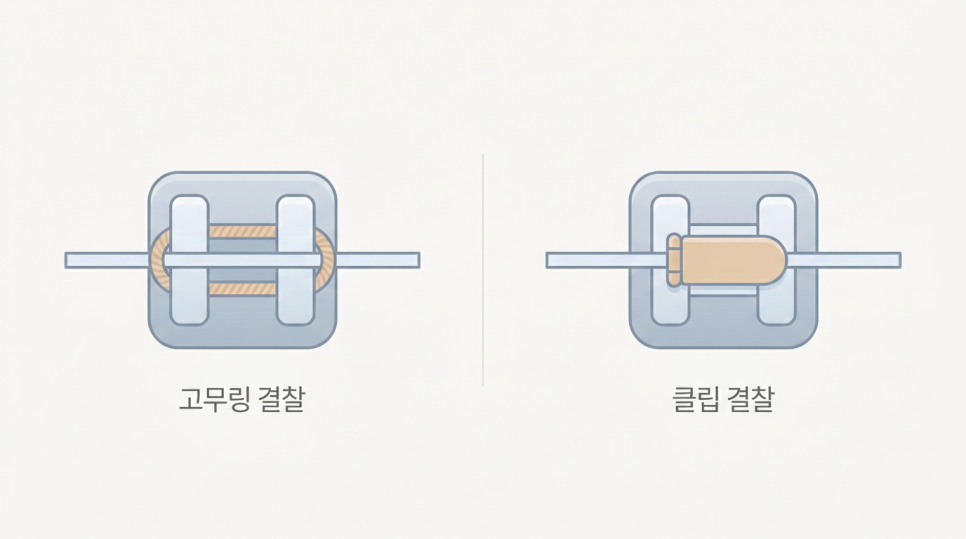
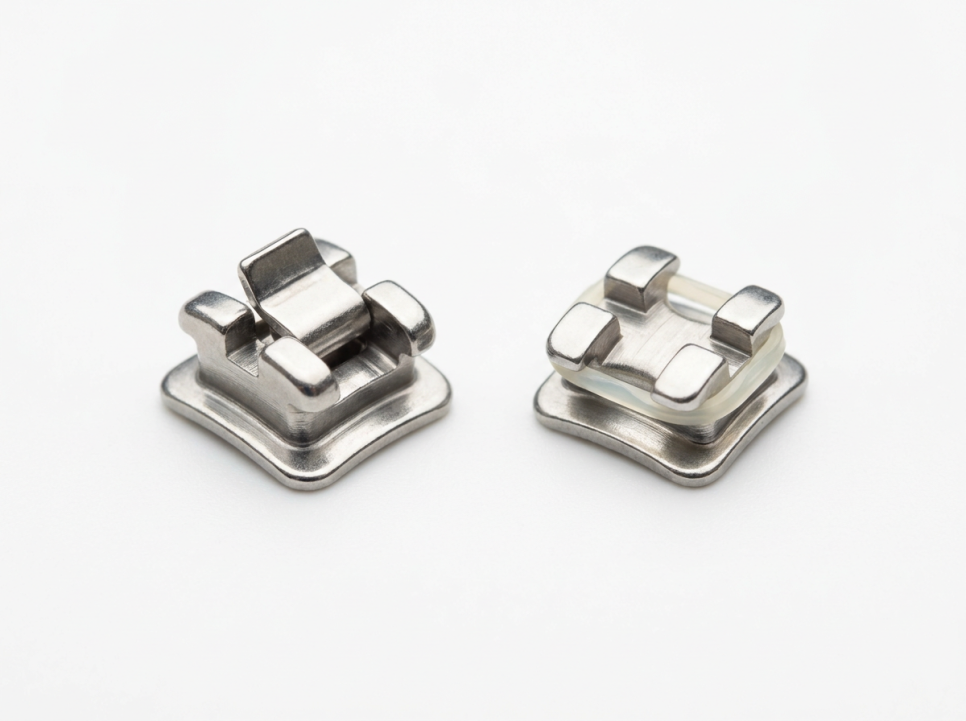
Instead of tying the wire with elastic rings or wire, self-ligating brackets use clips—or doors—built into the appliance to hold the wire in place.
“The wire isn’t tied down, so friction is reduced; when friction is reduced, it hurts less and works faster.” This is usually the logic behind the explanation given during consultations.
However, studies that have tested this logic in actual patients tell a somewhat different story.
Systematic reviews analyzing multiple clinical trials have found no significant differences between self-ligating and conventional brackets in overall treatment duration, number of visits, or pain experience. Randomized clinical trials directly comparing pain during the tooth-alignment stage have shown similar results.
“So does that mean self-ligating braces were just exaggerated advertising?”
It is too early to draw that conclusion. The benefits actually confirmed in research are found elsewhere.
| Common belief heard in consultation rooms | Findings confirmed by research |
|---|
| They hurt less | No significant difference was found in pain experience |
| Treatment takes less time | No significant difference was found in overall treatment duration |
| Fewer visits are needed | No significant difference was found in the number of visits |
| (Less commonly discussed) | The treatment time required for wire changes and ligation has been reported to be shorter |
| (Less commonly discussed) | The absence of ligation elastics has been reported to make plaque and gum care easier |
In summary:
The value of self-ligating braces is supported more by evidence showing shorter chair time and easier hygiene management than by claims that they “hurt less and work faster.” The appliance itself is not necessarily bad; rather, its actual advantages lie somewhere different from the explanation commonly heard.
The real question is not “Is the appliance good?”
But doesn’t that seem odd? If friction is genuinely reduced, why doesn’t that lead to a difference in treatment duration?
Reduced friction is primarily a finding confirmed in laboratory studies. In the actual mouth, however, many more variables come into play, such as the type of wire, the angles at which the teeth are tilted, and the degree of crowding. As a result, differences in laboratory performance do not necessarily translate directly into differences in clinical outcomes.
This means that the value of the same appliance can vary depending on the circumstances.
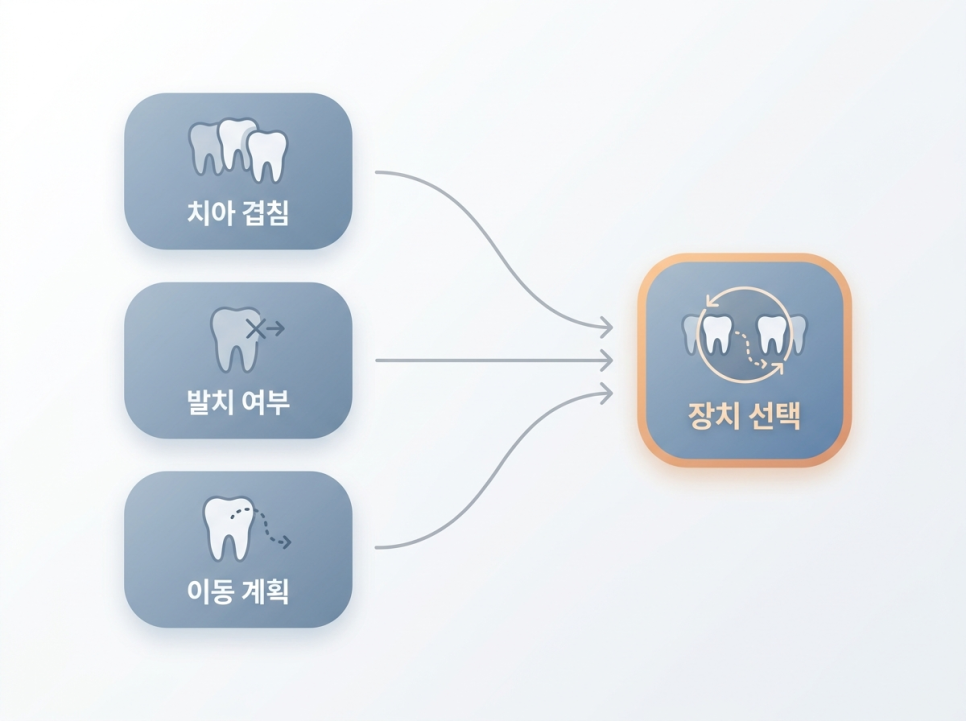
For example, whether the treatment involves extractions, how crowded the teeth are, and the planned sequence of tooth movement can all affect how much difference the same self-ligating bracket makes. In some cases, the additional cost may provide sufficient value; in others, it may not be necessary.
So what matters more right now is not this question:
“Is self-ligating orthodontic treatment a good option?”
It is this:
“Given the condition of my teeth, does this appliance provide enough value to justify the additional cost?”
This is a question that cannot be answered no matter how much you search for appliance specifications. The answer lies not in the appliance itself, but in your specific case.
Who can make that judgment?
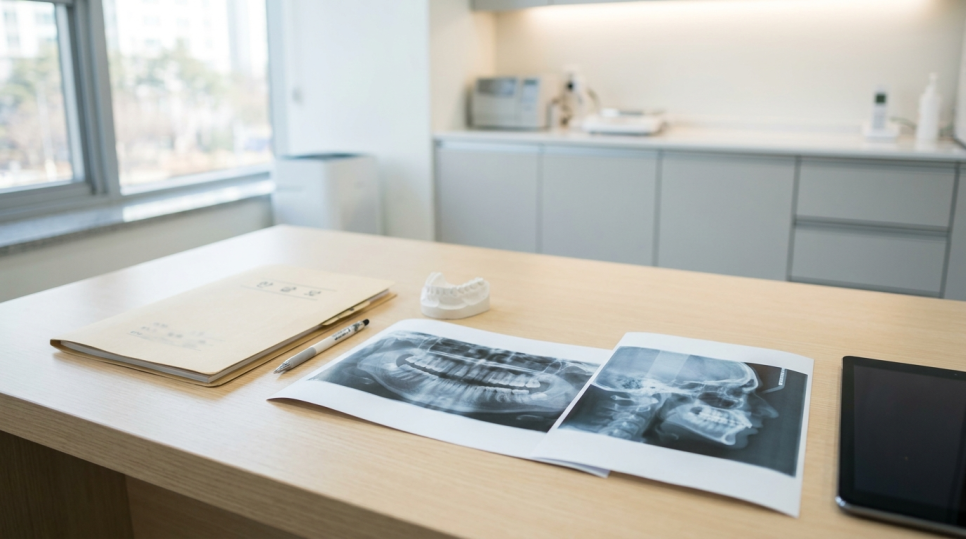
Assessing a case is only possible after reviewing diagnostic materials such as panoramic and lateral cephalometric radiographs and developing a treatment plan that includes whether extractions are needed and how the teeth will be moved. This is not something that can be determined through online searches; it is a matter of diagnosis.
For reference, an orthodontic specialist is a qualification established by law. Under the 「Regulations on the Training and Recognition of Qualifications for Dental Specialists」, candidates must complete one year of internship training and three years of residency training after graduating from dental school, and then pass a qualification examination.
When you have a consultation, it may be helpful to check these two things:
-
Whether they explain the treatment plan rather than simply naming an appliance, and whether the person developing that plan is an orthodontic specialist
-
Since this is a long-term treatment costing several million won, whether the system avoids relying on the judgment of just one person—whether multiple medical professionals review the diagnosis together
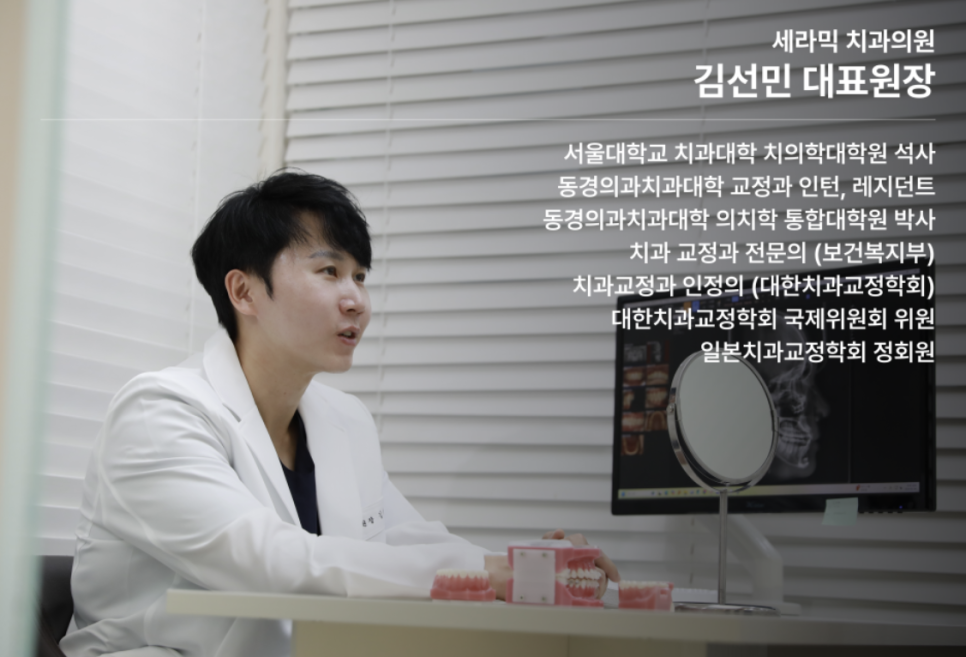
세라믹치과, where this article is being written, also provides care according to these standards. An orthodontic specialist makes the diagnosis, and three directors review each case together. Rather than something to boast about, we see this as a safeguard to ensure that our recommendations do not become merely “one person’s advice.”
It is not a loss to check once more before signing the contract
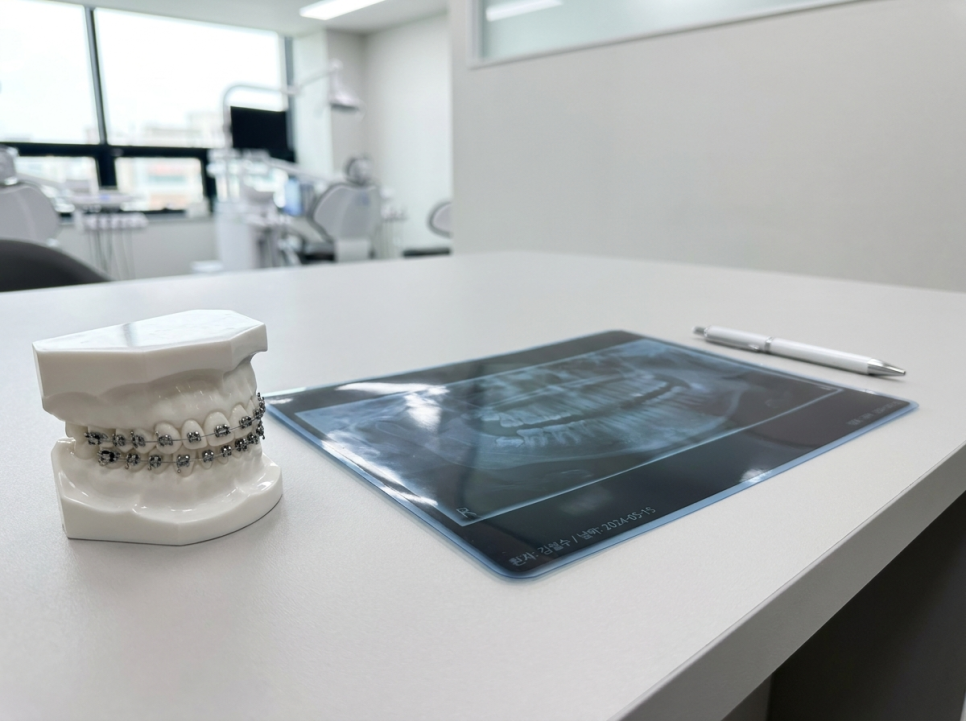
This does not mean that the estimate you received is wrong. The treatment plan at that clinic may be exactly right for your case.
However, orthodontic treatment is a decision that may take one to two years or longer and cost several million won. For a decision of this magnitude, hearing the diagnosis of another specialist once more before signing the contract is prudence, not waste.
You probably already felt that way to some extent—that is why you searched this far.
If the diagnoses from the two clinics are the same, you can proceed with confidence. If they differ, you can ask why. Either way, you have nothing to lose.
세라믹치과 is located one minute from Hakdong Station, so you can stop by conveniently on your way home from work or during your lunch break with your diagnostic materials. Because we view orthodontic treatment as care undertaken together over several years, we do not pressure patients to make a decision during the first consultation.
Let’s first check together whether the additional cost on that estimate provides enough value for your teeth.