Have you ever visited a dentist because your front teeth were crooked, only to feel confused when one clinic recommended veneers while another recommended orthodontic treatment? When every clinic gives you a different answer, consultations can leave you even more confused. Eventually, you may even start wondering, “Could the clinic be recommending the treatment that is most convenient for them?”
The reason diagnoses differ like this is that each clinic uses a different “standard” when evaluating a patient’s teeth. Before deciding which treatment to choose, let’s first look at why such different answers arise.
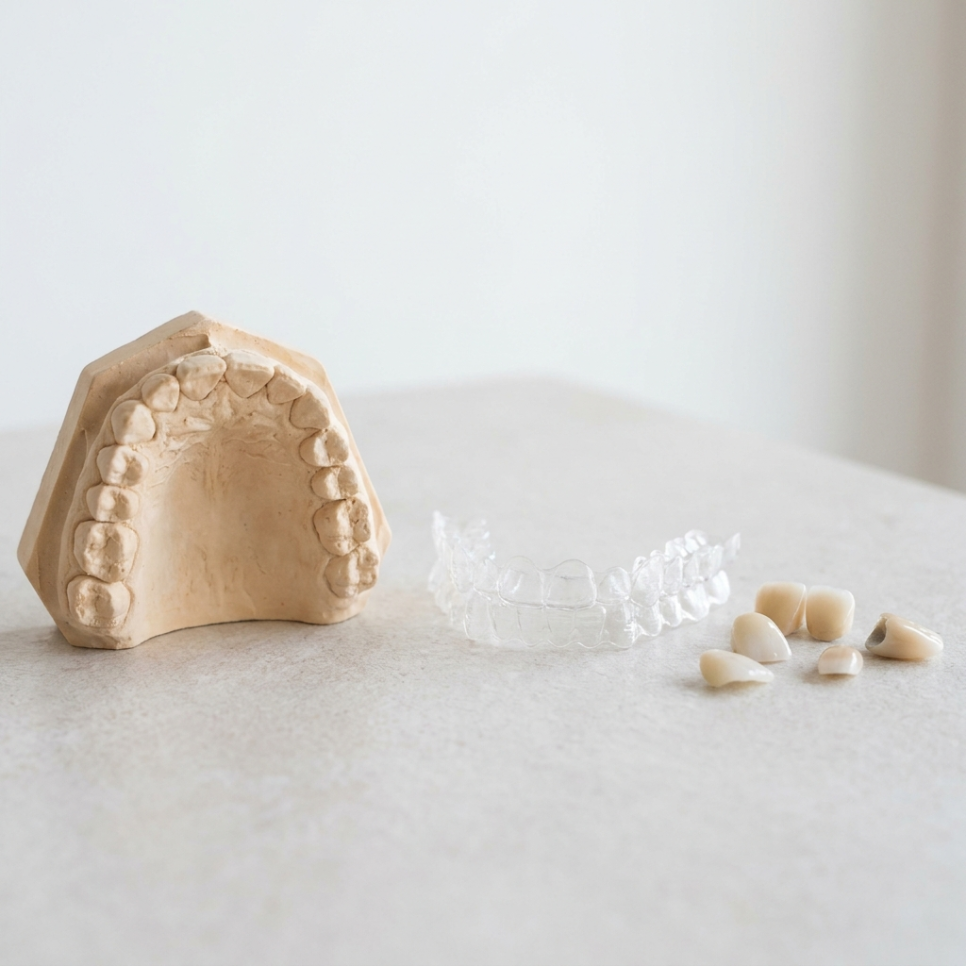
“Get veneers” vs. “Start with orthodontics”—you’re not the only one experiencing this
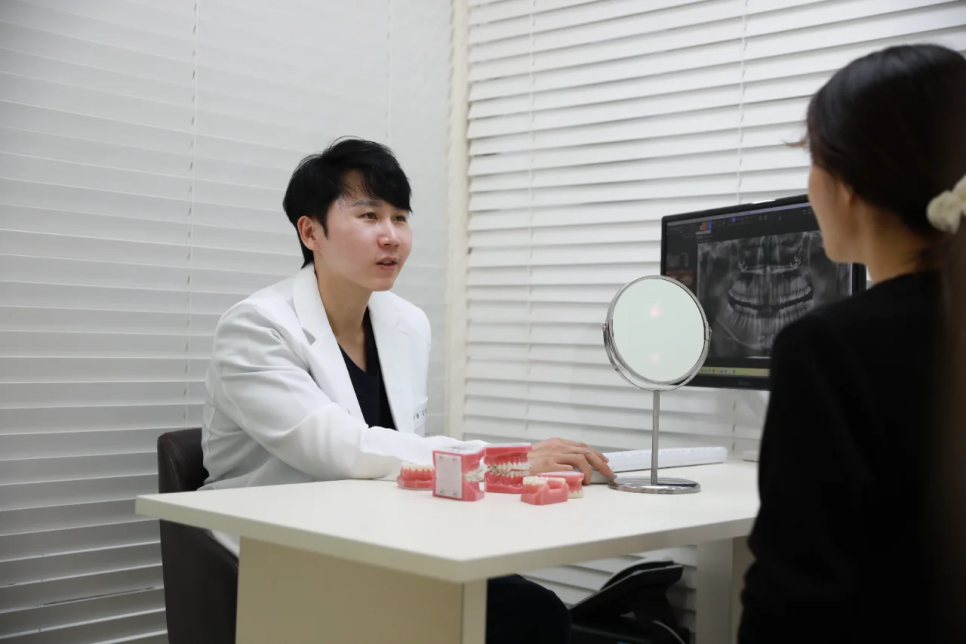
If you have visited several dental clinics because of an alignment problem with your front teeth, you have probably experienced the confusion of receiving different treatment recommendations from each clinic.
In actual clinical practice, it is quite common for treatment plans to differ completely even when clinics are looking at photographs of the same front teeth. One clinic may suggest refining the shape and color of the front teeth, while another may recommend moving the teeth themselves. Hearing such opposing consultations can be confusing for patients and may even create some distrust toward the clinics.
However, this is less a matter of one clinic having made an incorrect diagnosis than of the clinics starting from different perspectives when evaluating the front teeth.
The real reason clinics give different answers—because their “basis for judgment” differs
Although veneers and orthodontics may both address the same front teeth, they are treatments that correct completely different aspects.
First, veneers improve the “shape” of the teeth. The dental section of Seoul National University Hospital’s medical information describes them as a prosthetic treatment in which thin porcelain is bonded to the front surface of the front teeth to create a new shape and color. It may be easy to understand if you think of it as applying a nail tip over a fingernail. More recently, depending on the patient’s circumstances, no-preparation veneers that do not require the teeth to be reshaped may also be possible, offering a fairly broad range of options.
Orthodontics, on the other hand, aims to correct the “position” of the teeth. The natural teeth are preserved without being filed down and gradually moved to where they are meant to be. This does not simply align the front teeth; it also adjusts the overall bite, including how the upper and lower teeth come together. Because orthodontics improves not only appearance but also the structure involved in chewing, it is a much more fundamental solution when the cause of crooked front teeth lies in their “position.”
In this way, clinics that prioritize the appearance of the front teeth focus on their “shape,” while clinics that emphasize function, such as the bite and alignment, focus on their “position.” This is the main reason diagnoses can differ even for the same teeth.
Which category does my case fall into?—The factors that determine the direction
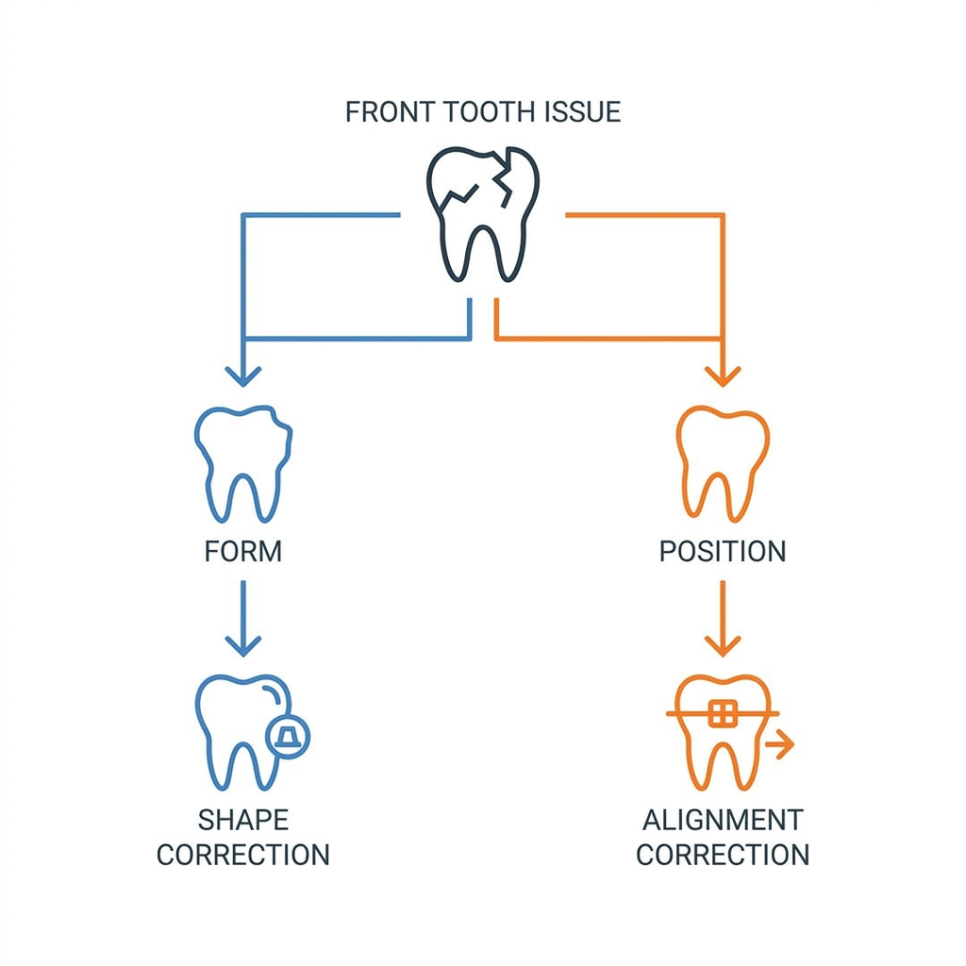
So, which category do my front teeth actually fall into? Before deciding on a procedure, it may help to ask yourself one question:
“Is the fundamental reason my front teeth look crooked
the shape or size of the teeth themselves,
or is it the position in which the teeth stand and the way they bite together?”
If the shape of the teeth themselves is unusual, there is severe discoloration that cannot be resolved through whitening, there are gaps between the front teeth, or a chipped area needs to be restored, veneers may be worth considering. In these cases, the greatest advantage is that the color and shape of the teeth can be improved as desired in a relatively short period. If the conditions allow for a no-preparation procedure, it may also be possible to proceed while preserving the natural teeth completely.
By contrast, orthodontics is appropriate when the position of the teeth or the way the upper and lower teeth come together is misaligned. Its core purpose is to find the correct position for the teeth without removing tooth structure and to correct the underlying cause of the disrupted alignment. However, treatment duration can vary significantly depending on the type of malocclusion, the patient’s age, and the appliance used, so an accurate plan can only be determined after a thorough examination. You should also keep in mind in advance that retainers must be managed consistently even after treatment is complete.
Comparing the characteristics of the two treatments in a table makes the differences easier to understand at a glance.
| Category | Veneers | Orthodontics |
|---|
| What is treated | The shape and color of the front teeth | The position and bite of the front teeth |
| Situations where it is well suited | Discoloration, tooth-shape problems, gaps between the front teeth, restoration of chipped areas | Cases in which the alignment and bite themselves are misaligned |
| Natural teeth | A no-preparation approach may be possible depending on the circumstances | Preserved as they are without being filed down |
| Ongoing care | Monitoring through regular checkups | Wearing retainers and attending regular checkups |
To be honest, this article alone cannot provide the answer

Even if you have gained a general understanding from the explanation so far, the actual diagnosis may often turn out differently once you visit a dentist. This is because of hidden factors in the mouth that cannot be seen with the naked eye.
-
Gum condition: If the gums are inflamed, the impression-taking process may become inaccurate, which can weaken the bonding of the prosthesis. Therefore, rather than starting treatment indiscriminately, the gums should be examined and treated first.
-
Bite relationship (occlusion): It is difficult to determine how the upper and lower teeth meet simply by looking at their appearance. An accurate assessment requires a detailed examination.
-
Multiple causes of the crookedness: A detailed diagnosis is also needed to determine whether the issue is simply a problem with shape, a misalignment of position, or a combination of both.
Of these factors, the one where patients’ assumptions most often differ from the actual examination results is the second one: the “bite.” In the mirror, it may appear that only one or two front teeth are slightly out of alignment, but when an actual model is made and the bite is assessed, the chewing forces around the molars may be heavily concentrated on one side. In other words, the crooked front teeth may be only the “result,” while the real “cause” is hidden in the posterior bite around the molars. If only the visible appearance of the front teeth is refined in this situation, it may leave open the possibility that the teeth will shift again over time.
Ultimately, whether to address concerns about the front teeth with cosmetic dental treatment or orthodontics is not simply a matter of personal preference; it is a clinical decision that should be made based on accurate examination results.
The most reliable way to evaluate conflicting recommendations
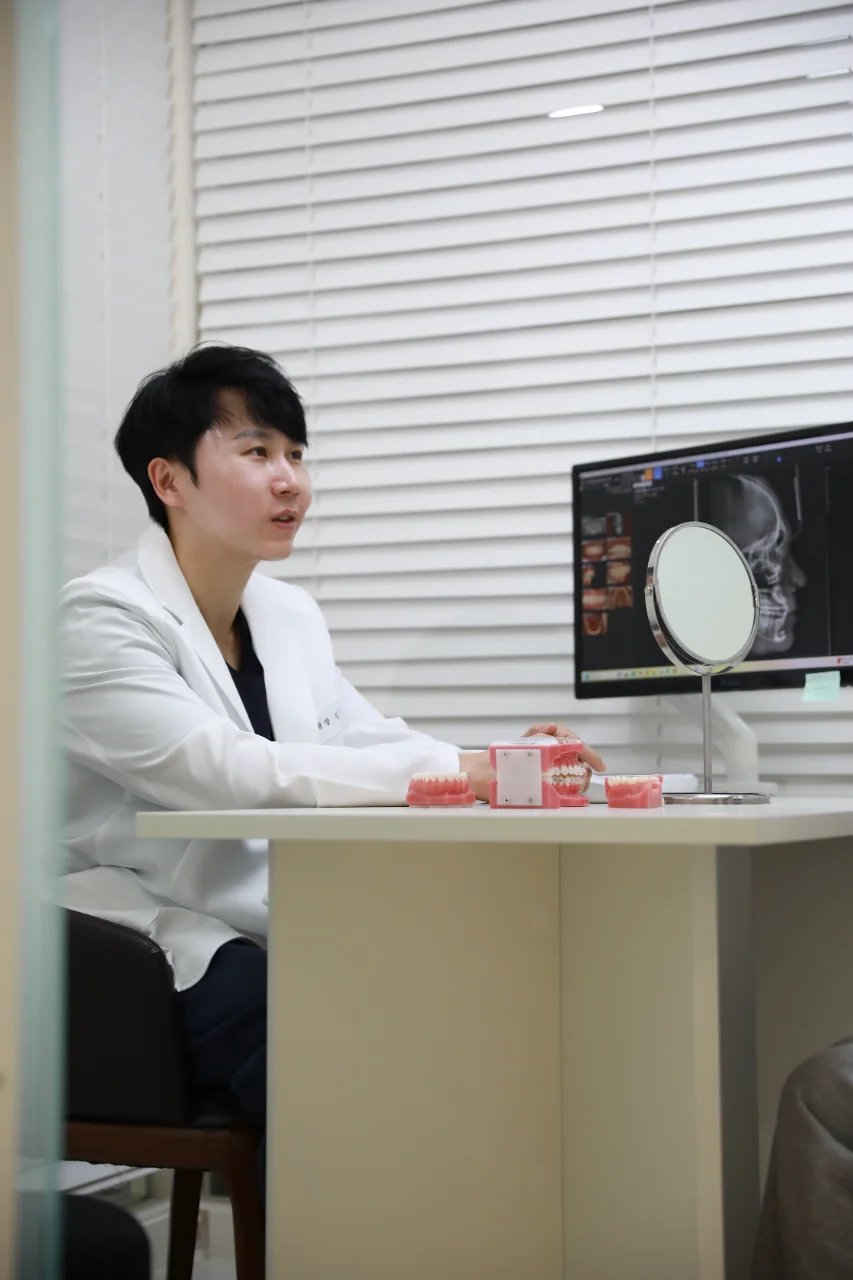
If you feel confused after receiving completely different answers from two dental clinics, rather than simply seeking the opinion of a third clinic, it can be much more practical to receive a comprehensive evaluation of the “shape” and “position” of your teeth in one place. To objectively answer the basic question—“Is this a problem with the shape or with the position?”—examination materials that reflect both perspectives are needed.
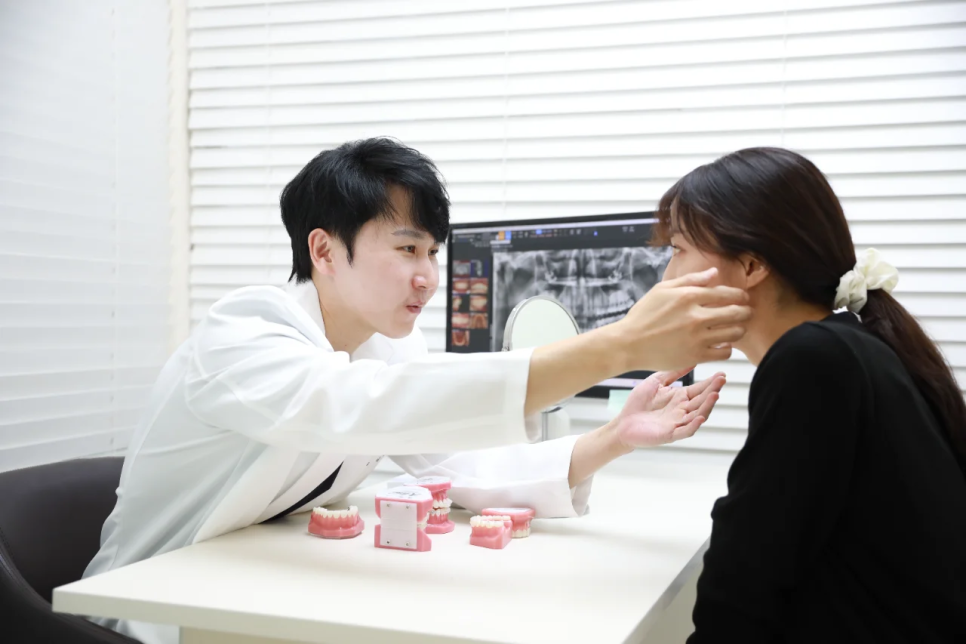
At a dental clinic where veneer and orthodontic treatments are coordinated, this three-dimensional comparison can be carried out more easily. Using panoramic and lateral cephalometric radiographs, which are essential for orthodontic diagnosis, along with dental models, the clinic first carefully checks for problems with the teeth’s position or the underlying skeletal structure. If the results show that the issue is simply one of tooth shape, the treatment can then be directed toward cosmetic options, including no-preparation procedures where appropriate. Another reassuring advantage of a clinic where medical professionals from multiple departments collaborate on diagnosis is that the basis for the treatment plan can be cross-checked.
One additional point I would like to emphasize is that once you decide on treatment for your front teeth, you will have to live with the result for a long time. Therefore, during your initial consultation, it is important to receive a sufficient explanation of the evidence and reasoning behind the recommended treatment, both for your present understanding and for the future.
Which is more appropriate—cosmetic dental treatment or orthodontics—ultimately depends on whether the primary cause of the misaligned front teeth lies in their “shape” or their “position.” The answer becomes clear only after the gum condition and the overall bite have been examined transparently. If you are feeling increasingly uncertain because each clinic you visit suggests a different approach, we recommend starting with a thorough examination that includes radiographs and dental model analysis. By discussing your options in depth based on the objective information in front of you, you will be able to make the right decision with greater peace of mind.