Hello, this is Hakdong Station Ceramic Dental Clinic. Today, I would like to talk about the cost of laminate veneers.
Laminate veneer prices are determined by the number of teeth, the materials used, and the design approach tailored to each individual’s dental condition.
If you have seen estimates from different clinics that vary by nearly twofold and wondered whether you were being overcharged, I would say that this is only partly a misunderstanding.
Laminate veneers are non-covered treatments not included under National Health Insurance, so there is no fixed price to begin with.
Therefore, when reviewing an estimate, it is important to first check “what items are included in this price” rather than focusing only on the number.
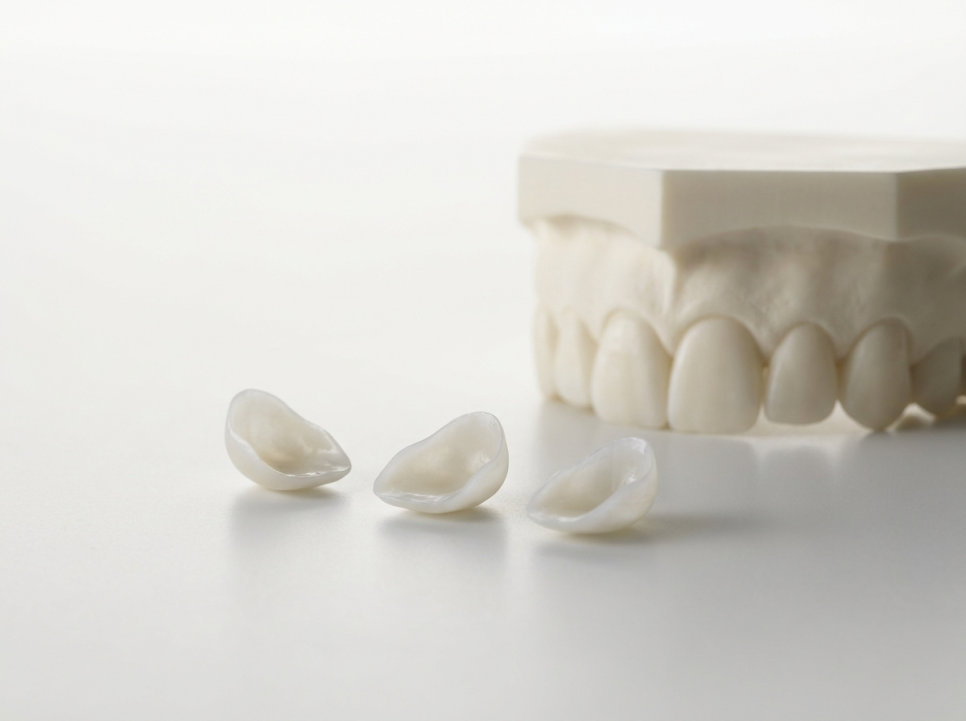
The reason prices vary is not “overcharging,” but the many “variables” involved
Because laminate veneers are non-covered treatments that do not receive National Health Insurance benefits, each clinic sets its own treatment fees.
In other words, it is not unusual at all for estimates to differ from one clinic to another.
The main variables that create these price differences can be divided into three broad categories.
Once you understand these three factors, you will be able to assess for yourself why estimates from two different clinics may differ. Let us look at each one in detail.
Variable ① Number of teeth — The calculation is different for 1–2 teeth and the entire front-teeth area
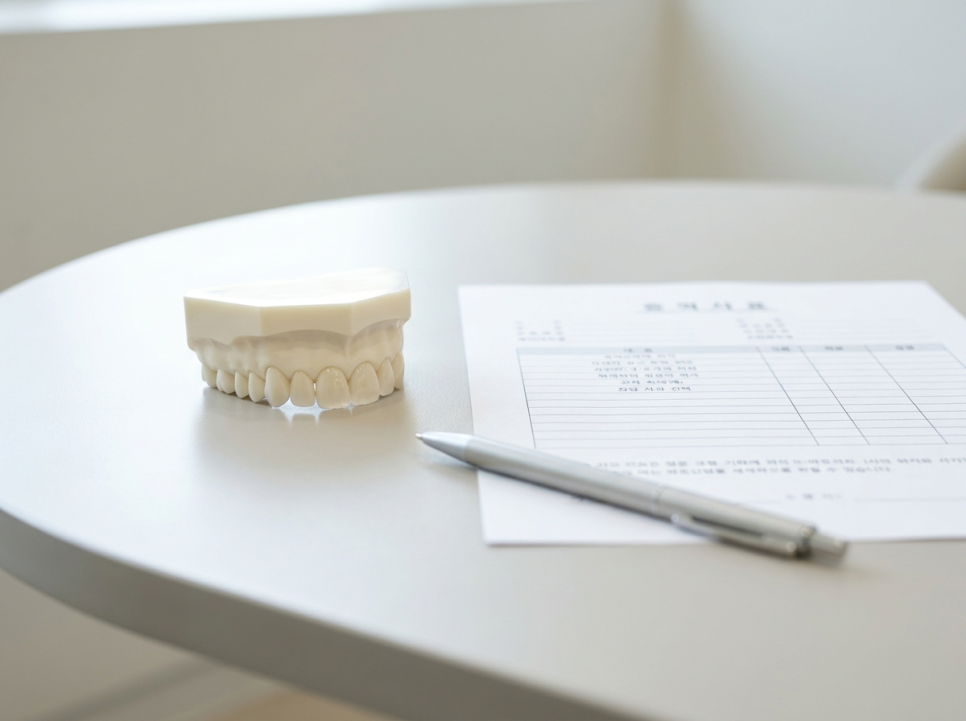
Laminate veneers are generally performed on the upper front teeth that are noticeable when you smile.
It may be easy to understand if you think of the process of applying a nail tip. Even for the same procedure, the number of teeth required can vary completely depending on the treatment goal.
| Category | 대상 | Cost structure |
|---|
| Partial restoration | 1–2 problem teeth, such as chipped or discolored teeth | Unit price per tooth × a small number of teeth |
| Full esthetic treatment | 6–8 front teeth visible when smiling | Based mainly on the total price |
The total cost is bound to differ between restoring just one chipped front tooth and evenly aligning the entire front-teeth area before a wedding or job interview.
Therefore, if you receive consultations from several clinics and find a large difference between the estimates, the first thing to check is whether each clinic based its estimate on the same number of teeth.
If one clinic used two teeth as the basis and another used six, the estimates cannot be meaningfully compared in the first place.
In addition, if you are concerned because your front teeth are crooked, the treatment plan will be completely different depending on whether you address the issue with laminate veneers alone or first correct the alignment through orthodontic treatment.
Since fundamentally correcting the alignment of your teeth may be more beneficial from a long-term perspective, we recommend asking about both options when receiving a diagnosis.
Variable ② Materials — Not all ceramics are the same
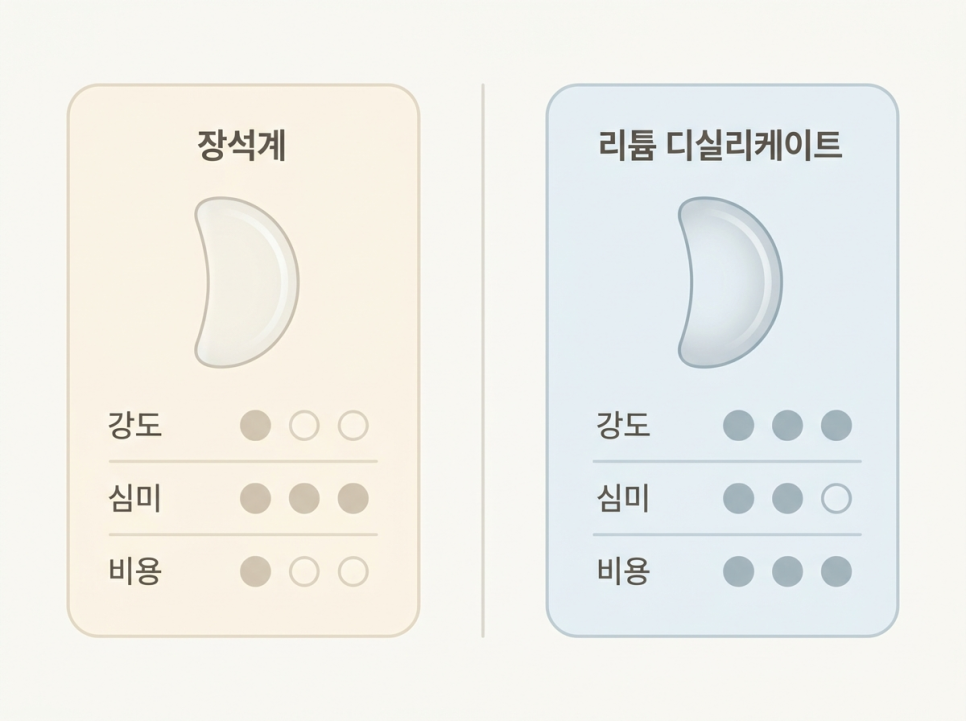
The unfamiliar material names written on an estimate are the second key factor behind differences in laminate veneer prices.
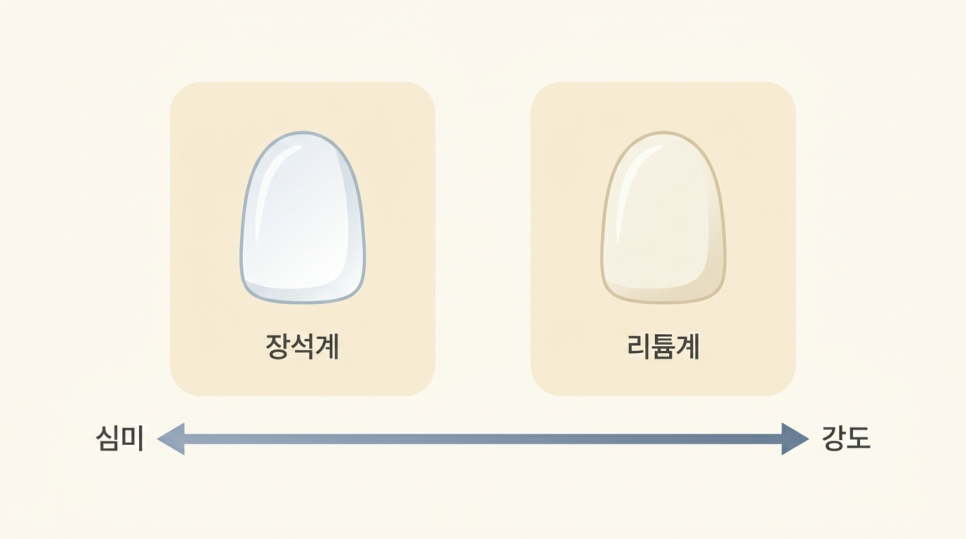
The ceramics used for laminate veneers can be broadly divided into several categories. Representative examples include traditional feldspathic (porcelain) ceramics and lithium disilicate ceramics.
| Category | Feldspathic ceramics | Lithium disilicate |
|---|
| Strength | Generally known to be relatively lower | Generally known to be relatively higher |
| Esthetics | Strong in expressing translucency | Balanced strength and esthetics |
| Cost | Relatively lower | Relatively higher |
One important point is that this does not mean one material is always better than another.
The most appropriate material varies depending on the individual’s dental condition and treatment goals, and the cost also differs accordingly.
If the estimates differ despite being based on the same number of teeth, the second thing to check is whether the materials specified on the estimates are the same.
Costs Not Visible on the Estimate — What to Check When You See an Unusually Low Price
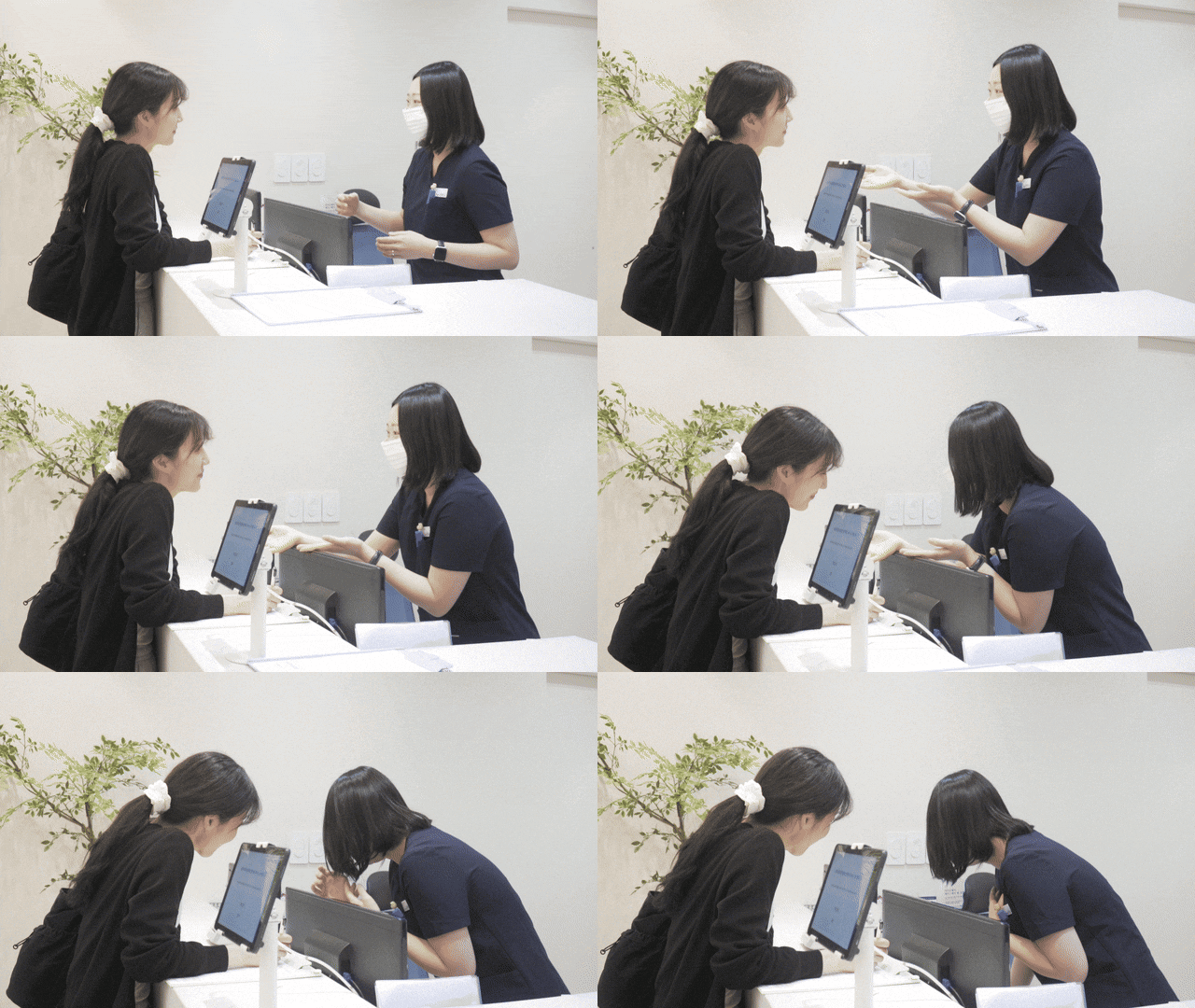
The third variable is the diagnosis, design, and laboratory work that may not be clearly shown as separate items on the estimate.
Laminate veneers are a precise procedure in which ceramic thinner than an eggshell is bonded to the surface of a tooth. In recent years, there have also been more cases in which they can be performed using a no-preparation approach, with little to no alteration of the teeth.
However, whether a no-preparation approach is possible can only be accurately determined through a direct examination of your dental condition, because each person’s tooth alignment and bite are different.
The precision of this diagnostic and design process, as well as the laboratory process used to make the ceramic restorations, cannot be assessed from the number on an estimate alone. However, these are considered decisive factors that create differences in the final result.
For this reason, if you receive an unusually low estimate, you need to carefully check how much of these less visible processes is included in the price.
If You Have a Set Date, Work Backward from the Deadline Before Focusing on Cost
If you have a fixed schedule, such as a wedding or an important job interview, there is one more thing you need to consider.
Laminate veneer treatment does not usually finish in a single day. It generally involves the following steps: diagnosis → tooth preparation and impressions → final bonding, and requires approximately 2–3 visits. Including the laboratory time needed to make the restorations, the process usually takes several weeks.
Additional steps may be needed to make fine adjustments to the color or shape of the teeth. If cavities are found, they must be treated first. Cavity treatment not only involves the burden of removing part of the tooth, but may also extend the overall treatment period.
Therefore, it is best to calculate the treatment schedule as follows.
Schedule your consultation by working backward at least one or two months from the date of the important event. During the consultation, be sure to check not only the cost but also whether all treatment can be completed within your desired timeframe.
Estimating the treatment period in advance can help prevent a situation in which you give up comparing estimates from multiple clinics simply because your schedule is tight.
Accurate Costs Ultimately Require Examining “Your Teeth”
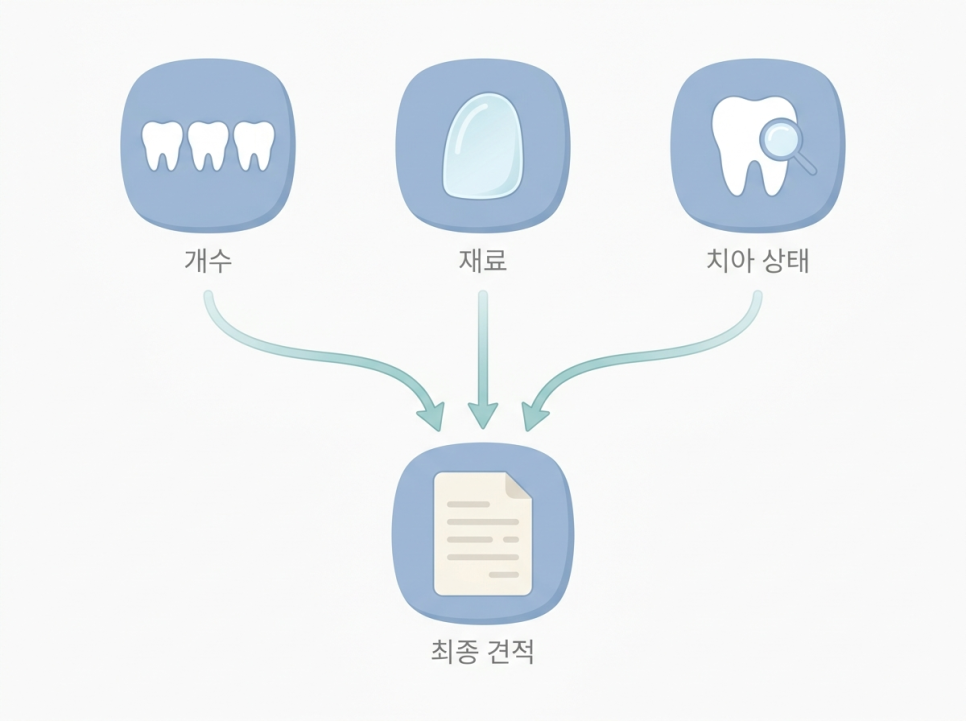
As we have seen, laminate veneer prices are determined by a combination of three factors: the number of teeth × the materials used × the design tailored to the individual’s dental condition.
Because all three variables differ from person to person, the information available through online searches is limited to a general “way to interpret prices.” To find an accurate estimate suited to you, you must visit a dental clinic and receive a direct examination.
When you go for a dental consultation, be sure to ask the following four questions.
-
How many teeth is the estimate based on?
-
What material is the estimate based on?
-
Does the price include the diagnosis, temporary teeth, and adjustment process?
-
Can the treatment be completed within my schedule?
If you carefully note the answers to these questions next to each estimate, you will have a clear basis for understanding why estimates differ between clinics and comparing them reasonably.
The condition of the patient’s enamel, whether a no-preparation procedure is possible, and whether orthodontic treatment needs to be performed at the same time are all specialized matters that can only be accurately determined by a dental professional directly examining the teeth.
If you have a set date by which treatment must be completed, we recommend scheduling a detailed examination first rather than simply arranging a consultation, so that you can confirm an accurate estimate and the required treatment period based on your dental condition at one time.