To get straight to the point,
Whether only a few front teeth can be slightly adjusted or all the teeth need to be moved is determined by looking at the way the molars come together—not the front teeth.
Have you ever gone for a consultation thinking, “My front teeth are only slightly crooked, so I probably just need treatment on those teeth,” only to feel flustered when you were told, “You need full orthodontic treatment”? As you left the treatment room, you may have wondered:
'Could they be recommending more expensive treatment?'
That is a natural concern. However, if you understand in advance the criteria used to determine the treatment approach, the dentist’s explanation will be much easier to understand. Today, we will go through those criteria one by one.

Why different clinics give different answers — the underlying cause, not the appearance, is different
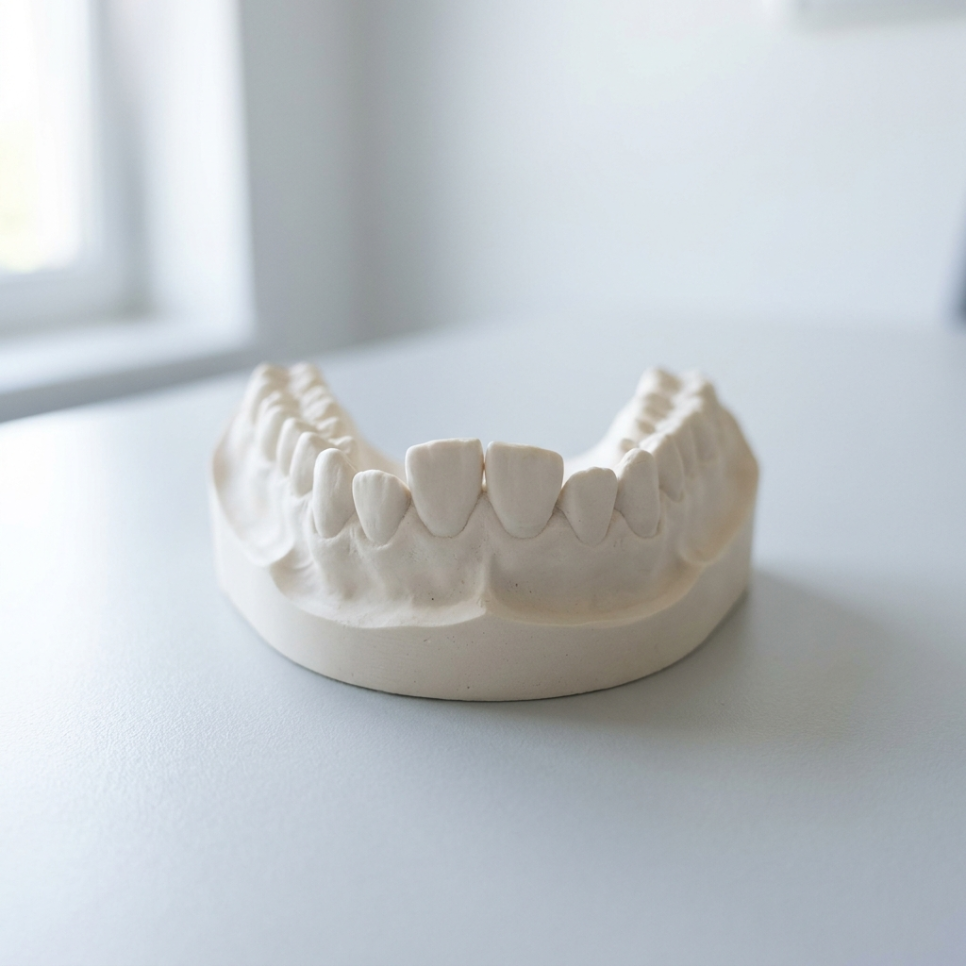
When looking into partial orthodontic treatment for the front teeth, you may find that different dental clinics give different answers. One says it is possible, while another says full orthodontic treatment is necessary. Why do the answers differ when they are looking at the same front teeth?
When you look in the mirror, it may simply appear that “the front teeth are crooked,” but the actual causes can be divided into several types. The types of malocclusion described in the Health Encyclopedia of Hanyang University Hospital are classified as follows:
-
Crowding, in which teeth overlap because there is not enough room for them to erupt
-
Spacing between the teeth
-
An open bite, in which the upper and lower front teeth do not touch each other
-
A deep bite, in which the upper front teeth cover the lower front teeth too deeply
-
A crossbite, in which the lower front teeth protrude farther forward than the upper front teeth
-
Maxillary prognathism, in which the upper teeth as a whole extend forward
Even when the condition looks the same on the surface—“the front teeth are slightly misaligned”—the scope of treatment can differ completely depending on the actual underlying cause.
This is also generally why different dental clinics recommend different treatments. Different answers can be given for the same front teeth depending on which underlying causes have been identified and included in the diagnosis.
Cases Where Partial Orthodontics Is Possible vs. Cases Requiring Full Orthodontic Treatment
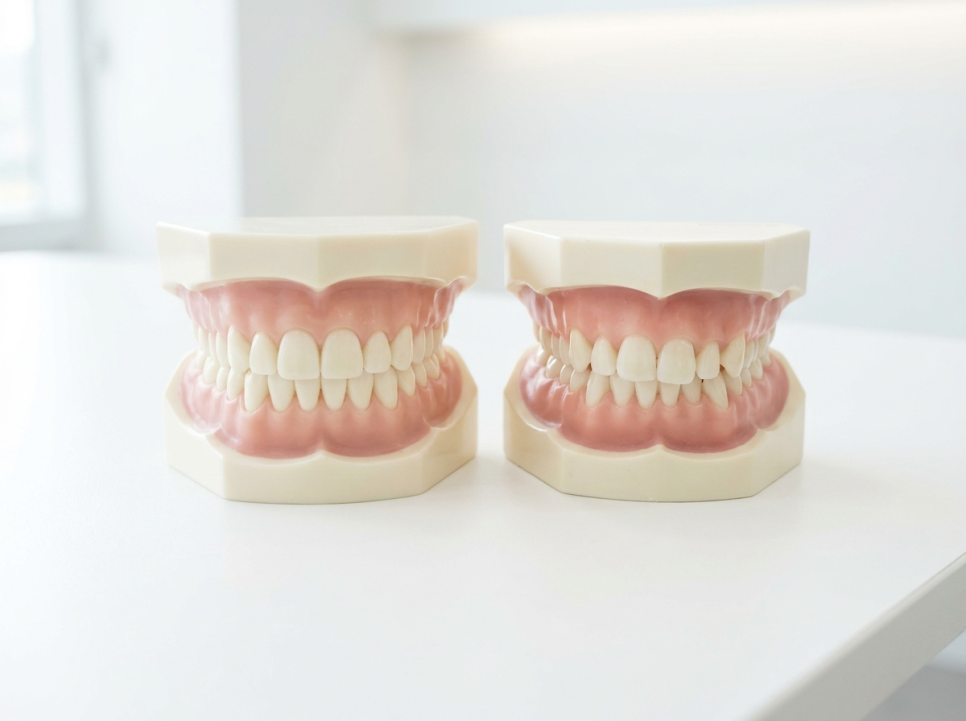
According to orthodontic guidance materials for the general public published by the Korean Association of Orthodontists, the “favorable conditions for partial orthodontic treatment of the front teeth” can broadly be divided into three points:
-
Both sides of the molars should fit together properly
-
The upper and lower front teeth should have a normal shape
-
The degree of overlap or crowding should not be severe
If these conditions are met, the teeth can be aligned by moving only a few front teeth. Of course, moving only the front teeth does not mean that the treatment is necessarily simple. Because the front teeth must be precisely aligned within the reference framework established by the existing molar relationship, the planning stage may actually be more demanding.
Conversely, if the following features are present, full orthodontic treatment is more likely to be necessary.
| Category | Cases in which partial orthodontics may be considered | Signs that full orthodontic treatment is necessary |
|---|
| Molar occlusion | The molars on both sides fit together properly | There is a problem with the way the upper and lower teeth come together |
| Extent of tooth movement | A small amount of movement involving only some front teeth | A broad range of movement is required |
| Space | Crowding or spacing is mild | There is a significant lack of space, making extraction necessary |
| Skeletal structure | No skeletal problem | Jaw growth or a skeletal problem is also present |
The key point to note here is that the most important criterion is the molars, not the front teeth.
If the legs of a bookcase are tilted, even books arranged perfectly straight will soon lean again. Teeth are similar. The molar relationship, which serves as a solid foundation, must be stable before an accurate reference can be established for positioning the front teeth. This is why, when you go in for a consultation about straightening your front teeth, the dentist may first display images of your molars and explain them.
If the conditions are suitable, partial orthodontics can be an excellent option. However, if they are not, correcting the molar relationship as well through full orthodontic treatment can lead to a much more stable treatment result.
What Can Happen When Partial Treatment Is Forced in an Unsuitable Case

“Treatment takes so long already—couldn’t you just adjust my front teeth a little somehow?” When thinking about the lengthy treatment period, it is natural for patients to want to ask this question.
What could happen if only the front teeth were forcibly aligned while the molar relationship remained unstable? The upper and lower teeth might not come together properly, substantial tooth reduction might be required to make them fit, and relapse could occur quickly. If the underlying foundation is unstable, it is difficult to maintain the front teeth in their aligned position for a long time, even after straightening them. Therefore, in this situation, designing treatment to include the position of the molars through full orthodontic treatment can produce a much more stable long-term result than forcibly moving only the front teeth.
This is the background behind a clinician’s decision to set a broader treatment scope when determining whether to address only the front teeth or the entire dentition. Moving teeth ultimately means repositioning the tooth roots within the jawbone. For this reason, the diagnostic stage—determining from the outset how far the teeth should be moved—is important enough to account for half of the entire treatment process.
Once you understand this structure, the consultation in which you were advised to undergo full orthodontic treatment may seem a little different.
Rather than simply aligning the front teeth,
it may have been a diagnosis
made after calculating in advance
the condition of your bite years into the future.
Of course, it cannot be ruled out that the clinic may not have adequately confirmed whether the patient’s teeth actually met the conditions for partial orthodontics. The way to determine which is the case comes in the next step.
Diagnosis Is a Matter of “Measurement”
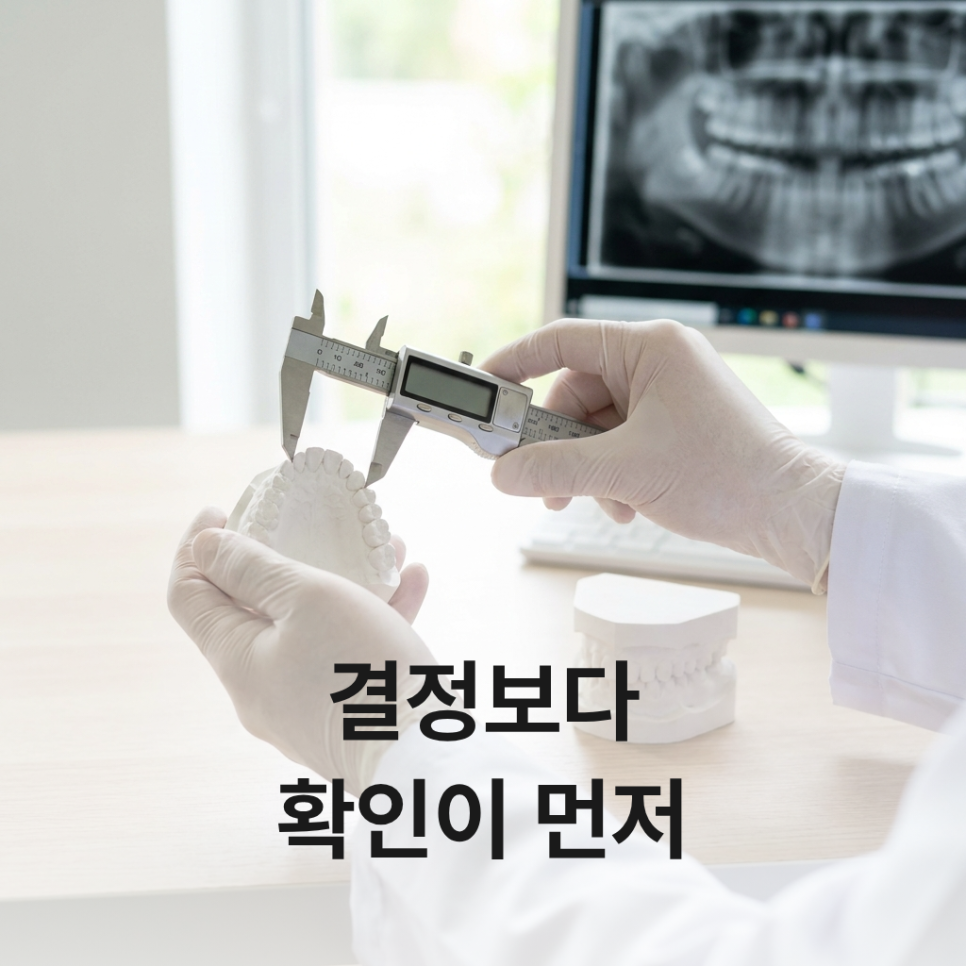
Even if you compare your own teeth with the table shown above, the answer may not be clear. This is because there are obvious limits to trying to assess these criteria visually and diagnose yourself.
Whether the molars “fit together properly” and exactly how much space is “lacking” can often differ substantially from subjective impressions based on looking in a mirror and the actual measurements obtained through detailed analysis. This is why dental clinics may refrain from giving a definitive answer based only on the visible condition of the front teeth and explain a specific treatment plan only after the results of detailed imaging are available. According to orthodontic diagnostic guidance from the Korean Association of Orthodontists, the following examination materials are collected for an accurate diagnosis:
By combining these materials, the relationship between tooth size and the jawbones can be measured precisely in numerical terms. The orthodontic treatment guidelines of Seoul National University Dental Hospital also specify X-ray examinations, intraoral photographs, and dental impressions or models as essential basic examinations.
Ultimately, whether partial orthodontics is possible must be determined not by visual estimation but by objectively measured, precise numerical data. In this area, a diagnosis by a qualified dental professional is essential.
Start by Confirming the Facts
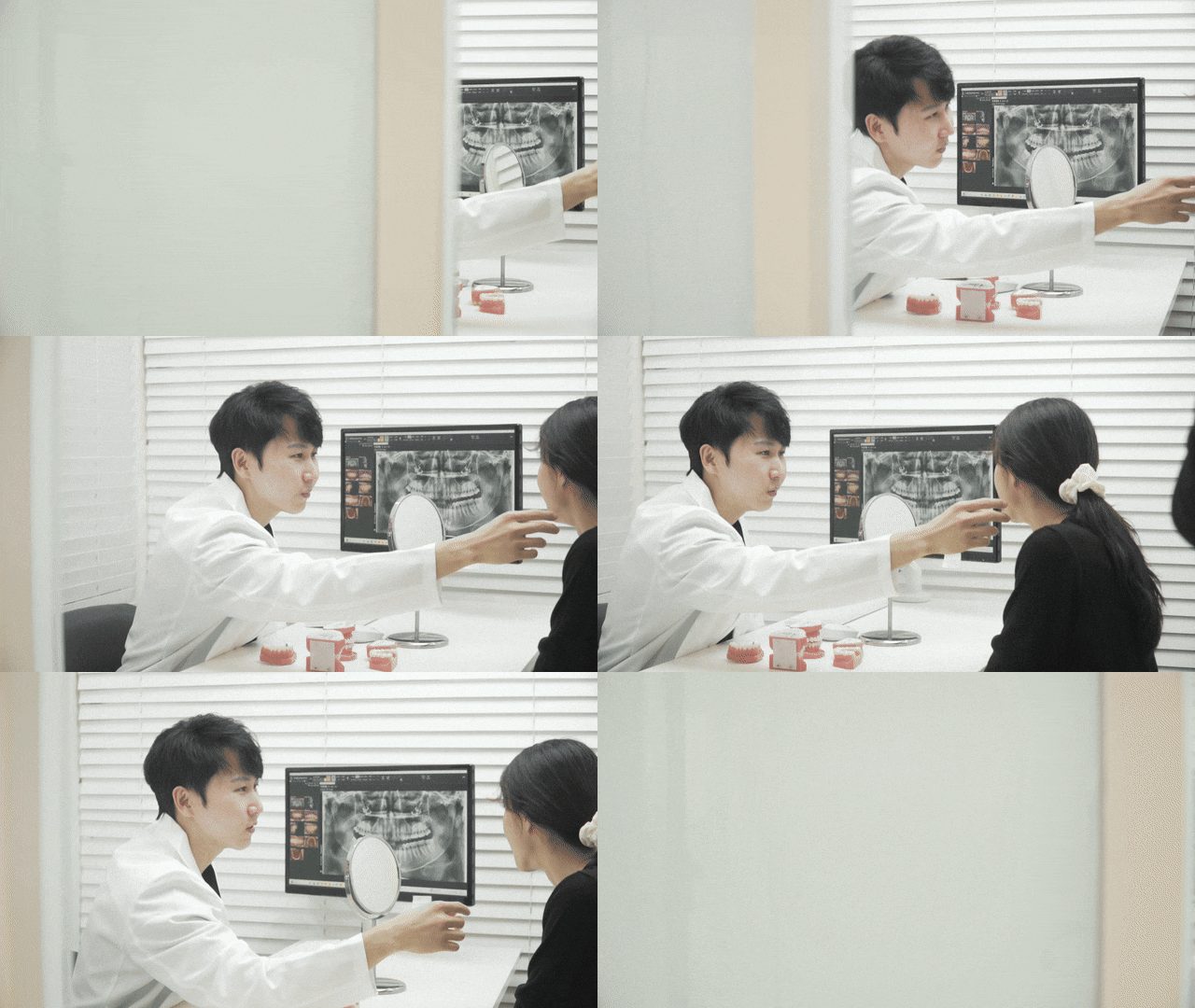
Therefore, there is no need to rush into deciding whether to undergo partial or full orthodontic treatment right now.
Instead, the first step should be to carefully review, based on the diagnostic materials, whether the treatment approach recommended by the dental clinic actually matches your own measurement results. The key points to check are the same ones discussed today:
-
Is my molar occlusion within the normal range?
-
How much lack of space was measured?
-
Are tooth extraction or skeletal problems actually present?
Ask the dentist to explain these three points in detail once again, together with the detailed imaging materials. You may also consider visiting another dental clinic for a cross-check. Seeking what is commonly called a “Second Opinion” is a very natural and recommended process in medical care. Hearing an explanation from a different perspective based on the same measurement data may help you understand a diagnosis that initially did not make sense and may also reveal new options you had not previously considered.
In summary, whether partial orthodontics for the front teeth is possible is ultimately determined by three key factors: the molar relationship, the amount of space deficiency, and the skeletal condition. Orthodontic treatment involves subtly moving the tooth roots within the firm jawbone. Since treatment is not completed in a short period, the initial treatment plan plays a decisive role in the outcome. If your crooked front teeth continue to concern you, make your first step a visit to a nearby dental clinic to have your molar relationship and available tooth space measured accurately.