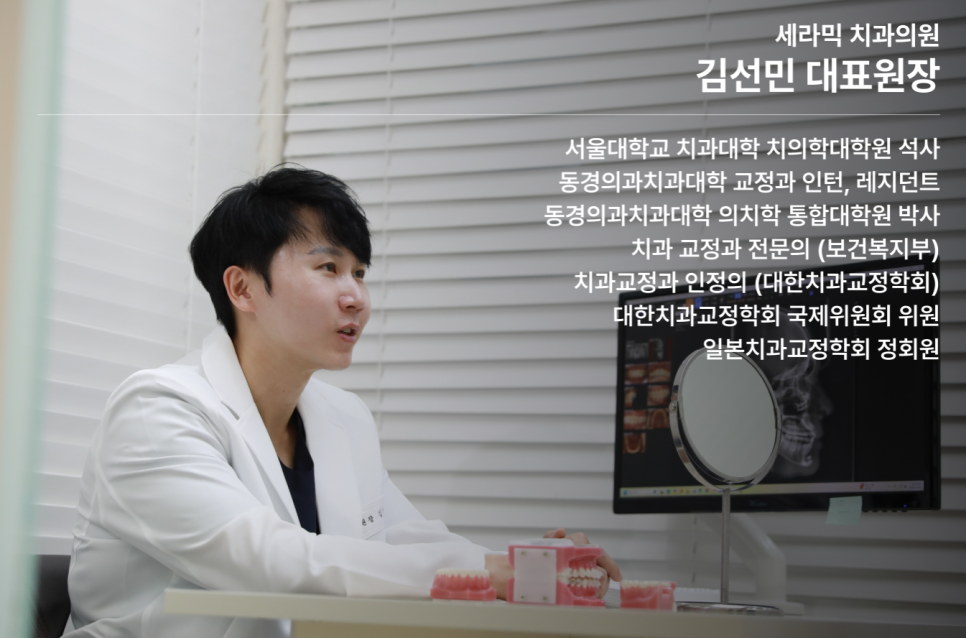
When to treat a child's underbite cannot be determined by age alone. The decision should be based on a comprehensive evaluation of where the cause lies and how much the child's jawbones have developed. If you began searching after seeing the phrase “Underbite, orthodontic consultation recommended” on a school oral health screening notice, you may have found that the more you looked, the more confusing it became.
Some articles say treatment should begin immediately, while others recommend monitoring the condition until growth is complete. When you hear that different dental clinics have different opinions, it is only natural for parents to feel uncertain about which advice to trust.
However, there are treatment methods that can only be used during a child's growth period, so postponing the examination itself would be unfortunate. This article summarizes the essential questions parents need so that, no matter which dental clinic they visit, they can establish their own criteria and take an active role in the consultation.
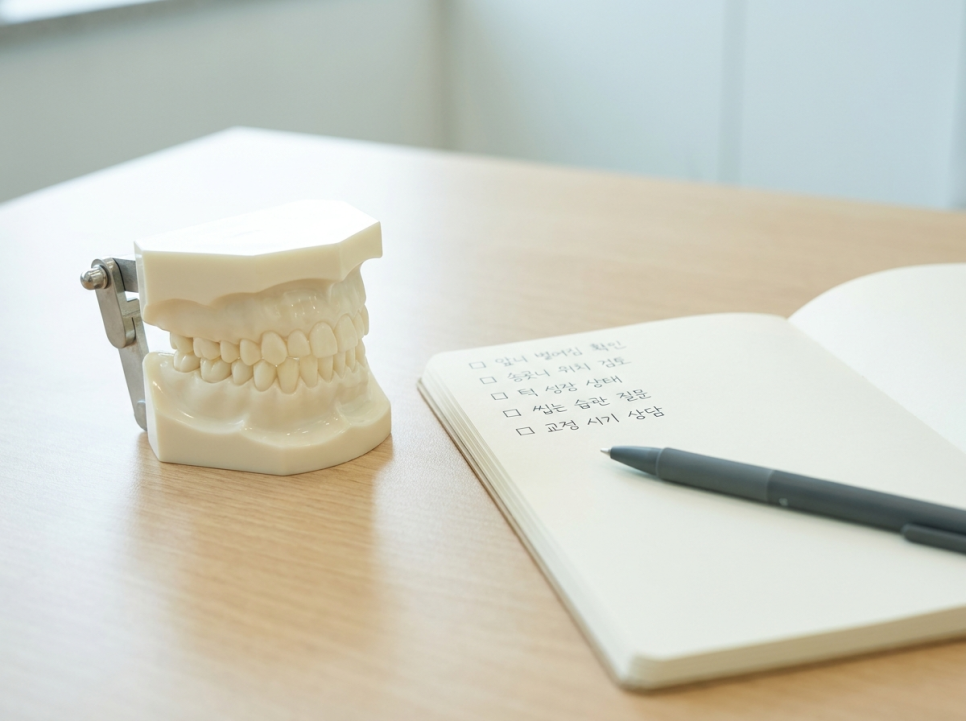
Three Causes of an Underbite

An underbite refers to a condition in which the lower teeth bite outside the upper teeth. It is the appearance commonly described as “biting like a protruding jaw.”
Although the visible symptoms may look similar, the underlying causes can be broadly divided into three categories.
| Category | Cause | Common treatment approach |
|---|
| Dental | The teeth and jaw sizes are mismatched, causing certain teeth to bite in the opposite direction | Relatively simple orthodontic treatment focused on the affected teeth |
| Skeletal | A discrepancy in the size or shape of the upper- and lower-jaw bones themselves (excessive lower-jaw growth or insufficient upper-jaw growth) | Reviewing the timing of intervention in consideration of the child's growth stage |
| Functional | Habits such as mouth breathing or tongue thrusting cause the child to hold the jaw forward when biting | Determining the treatment approach after identifying the causative habit |
“Start treatment immediately”
and
“Monitor it for a little longer”
may both be reasonable opinions,
depending on the cause.
If the cause is dental, the area requiring treatment is relatively clear. When a skeletal cause is suspected, however, clinicians may have different opinions depending on how they assess the child's growth stage. In other words, there is a genuine reason different clinics may offer different advice: the diagnoses themselves may differ.
The problem is that it is nearly impossible for parents to distinguish these three causes with the naked eye. Even if you look inside your child's mouth or take photographs at home, it is difficult to determine whether the issue is simply tilted teeth or a misalignment of the jawbones themselves. A proper treatment plan can only be established after precise imaging tests identify which type of underbite your child has.
The “Right Time for Treatment” Is Not Determined by Age Alone
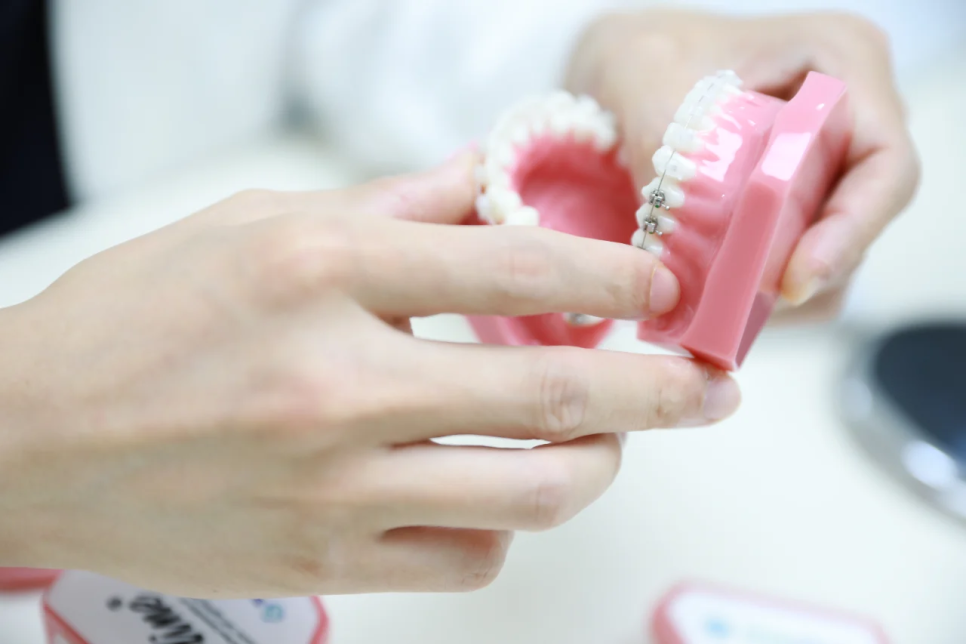
You may have encountered statements that specify a particular age, such as “It must be treated at age seven.” In reality, the timing of treatment is determined by the interaction of three factors: the cause type × growth stage × examination results.
There are, of course, useful general reference points. The Korean Association of Orthodontists and the American Association of Orthodontists (AAO) recommend an initial orthodontic examination at around age seven, when the primary and permanent teeth begin to coexist. Both organizations update their guidelines periodically, so it is a good idea to confirm with the clinician whether the most recent recommendations are being followed at the time of your consultation.
The American Academy of Pediatric Dentistry (AAPD), in its Management of the Developing Dentition and Occlusion in Pediatric Dentistry guideline, also treats anterior crossbite as an issue for which early intervention should be carefully considered. This guideline has likewise been revised regularly and is based on clinical reports that a functional underbite caused by harmful habits may become an actual skeletal problem as the child grows if it is left untreated for too long. However, the exact rate of this progression varies among studies, so it is difficult to state it definitively as a simple figure.
Above all, each child grows at a different rate and in a different direction. Therefore, it is essential to individually assess the child's current growth stage through imaging examinations such as a lateral cephalometric radiograph or hand-wrist radiograph.
The timing to begin pediatric underbite correction should be determined based on the examination results.
However, there is no reason to postpone the process of identifying the cause itself.
The examination may conclude that the condition should be “monitored for the time being.” Even then, if a plan is established for what to check and when to check it again, you are less likely to miss the necessary treatment window. By contrast, if time simply passes without a clear plan, the orthodontic appliances that can be used during the active growth period will gradually become fewer. If orthodontic treatment begins after growth has completely ended, surgery may be necessary in some cases, which would place a much greater burden on the child and require a considerably longer recovery period.
Five Questions to Ask During the Consultation
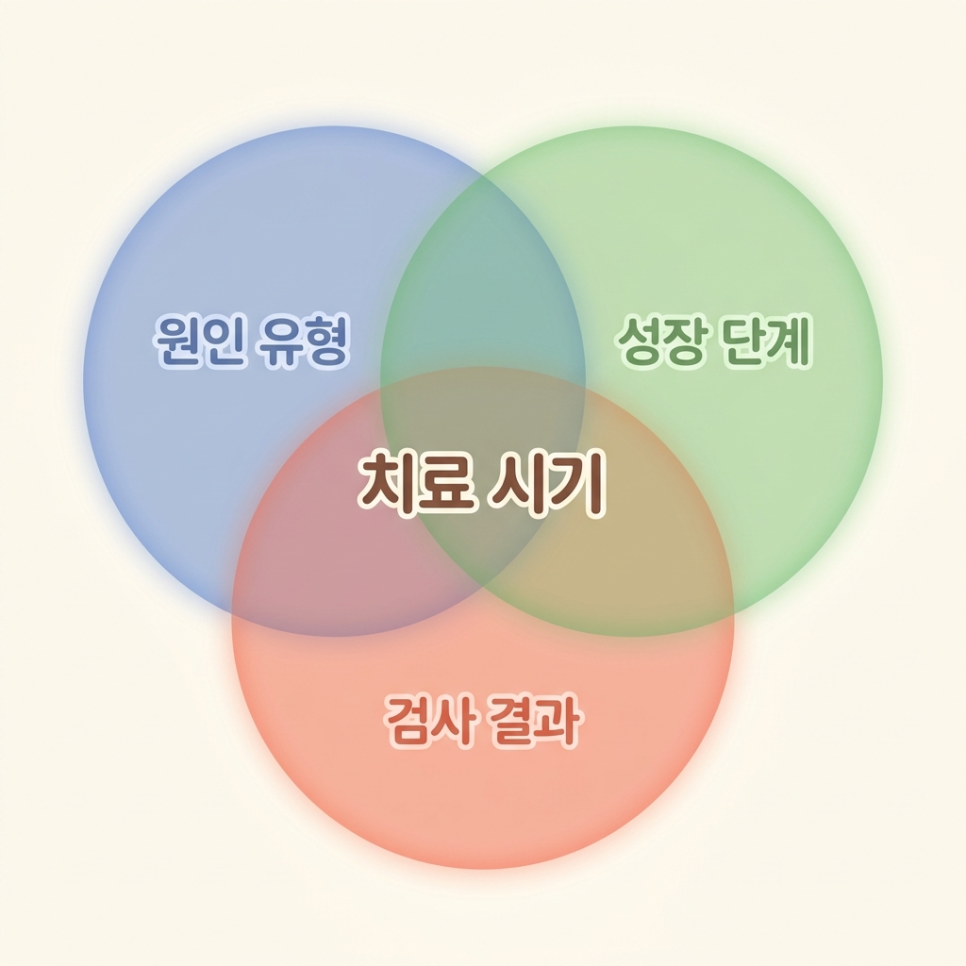
Whichever dental clinic you visit, asking the following five questions can help you assess its treatment approach and level of thoroughness.
① “Which category does our child's underbite fall into—dental, skeletal, or functional? And which examinations did you use to determine that?”
A standard orthodontic diagnosis includes a basic oral examination and medical history, as well as a panoramic X-ray and lateral and frontal cephalometric radiographs. When necessary, a hand-wrist radiograph or dental cast analysis may also be used. If a clinician determines the type after only a quick visual inspection, politely ask once more what specific evidence was used as the basis for that judgment.
② “What is the goal if we begin treatment now? Conversely, what could change in the future if we do not start now?”
A clinician who clearly explains both the benefits of early intervention and the differences that may arise if intervention is not provided can be a great help when parents are making a decision.
③ “After the first phase of treatment is complete, how likely is it that a second phase of orthodontic treatment will be needed once all the permanent teeth have erupted? When will that be determined?”
Growth-phase orthodontic treatment often involves an initial intervention during childhood, followed by a reassessment of the need for a second phase once the permanent dentition is complete. A clinic that explains these long-term possibilities in advance enables parents to envision the overall treatment timeline.
④ “If you recommend monitoring the condition for the time being, specifically what will we check, when will we check it, and which examinations will be used?”
Make sure the clinic does more than simply say, “Come back later.” Check whether it clearly explains which changes will be monitored most closely and when the next examination should take place.
⑤ “Why did you recommend the orthodontic appliance you proposed? What are its advantages and disadvantages compared with other options?”
There are various orthodontic appliances used for pediatric underbites. More important than the name of the appliance itself is understanding how well its mechanism corresponds to the cause of your child's underbite.
These few questions alone cannot provide a complete assessment of the quality of care. However, if you ask the same questions at several dental clinics, you can place the different opinions side by side and develop your own objective criteria for comparison.
Any Clinic That Answers These Questions With Examination Results Is Worth Considering

Because underbites have three possible categories of causes, there are structural reasons why diagnoses and opinions may differ from one clinic to another. The most appropriate treatment timing can only be determined through a thorough, individualized assessment of the child's cause type and growth stage. Even if you decide to postpone the start of active treatment for a little while, it is always beneficial to identify the cause accurately now.
Correcting an underbite in children is a special period in which the forces generated as the bones grow and respond can be used in treatment, providing a much broader range of treatment options than adult orthodontics. The extent of those possibilities for your child can only be determined through an individualized clinical assessment based on X-rays and precise measurement data. If a clinic lays out the examination materials and explains them in a way that parents can easily understand, you can feel more confident following the process from diagnosis through treatment.
You do not need to decide tonight whether treatment should begin immediately. Simply organizing what to ask at your next dental consultation is enough for now. Make a note of the five questions above, and at a nearby dental clinic, calmly start by confirming through imaging examinations which type of underbite your child has.