Hello,
I am Dr. Park Yeol, director of Doctor Prime Dental Clinic.
Today, I will explain in an easy and realistic way
about adult crossbite treatment, which many people worry about.
What is a crossbite?
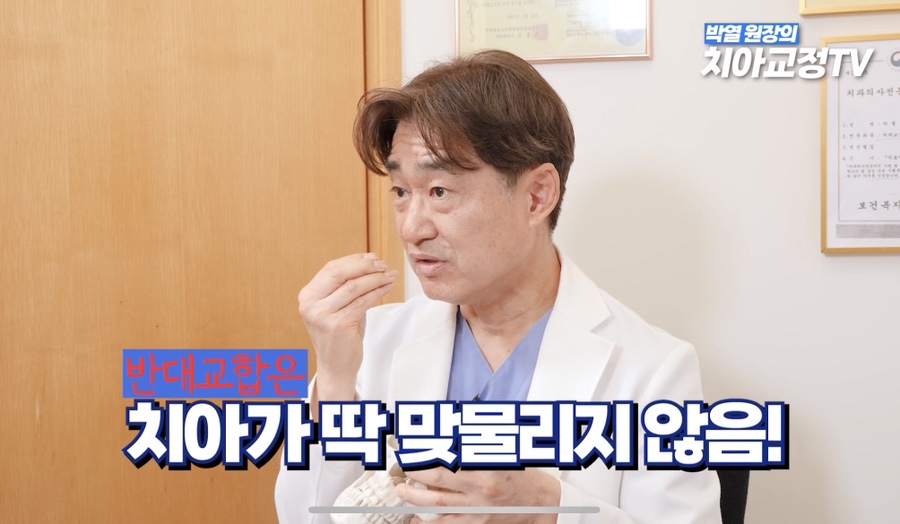
A crossbite means, quite literally, that the upper and lower teeth
bite together in a "reversed" way.
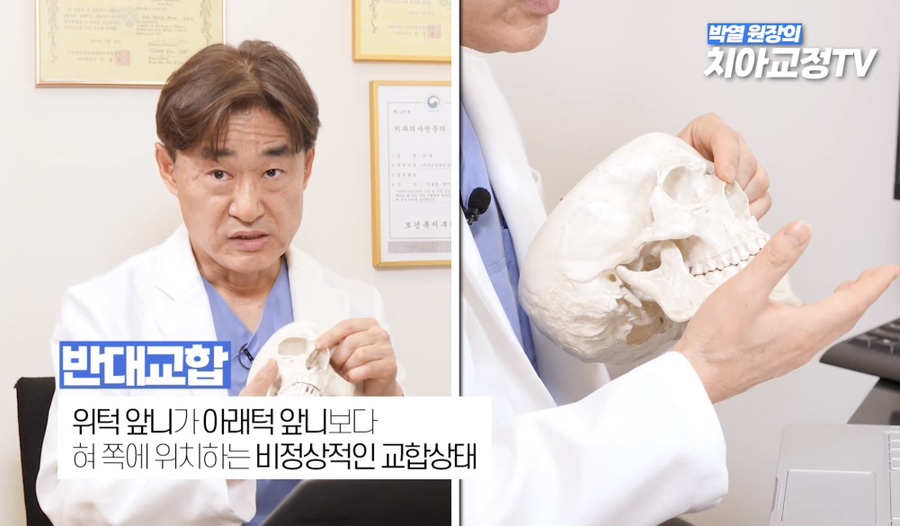
Normally, the upper front teeth
overlap the lower front teeth slightly.
In a crossbite, however,
the lower front teeth overlap the upper front teeth.
Why is this a problem?
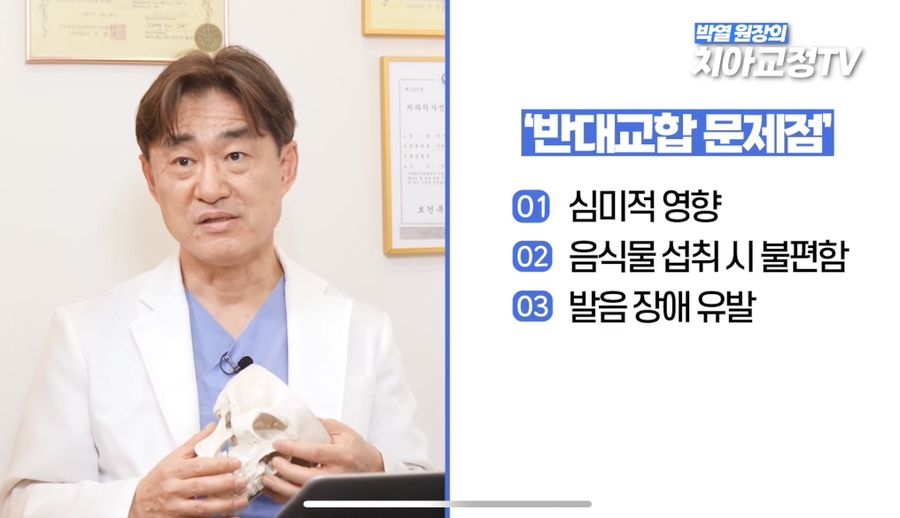
Appearance changes
As the lower jaw appears to stick out,
the balance of the face is disrupted,
and it can look like a prognathic jaw.
Because of this, many people experience stress about their appearance
or a drop in confidence.
Difficulty chewing
Because the teeth do not bite together properly,
the ability to break down food into smaller pieces decreases,
and eating becomes difficult.
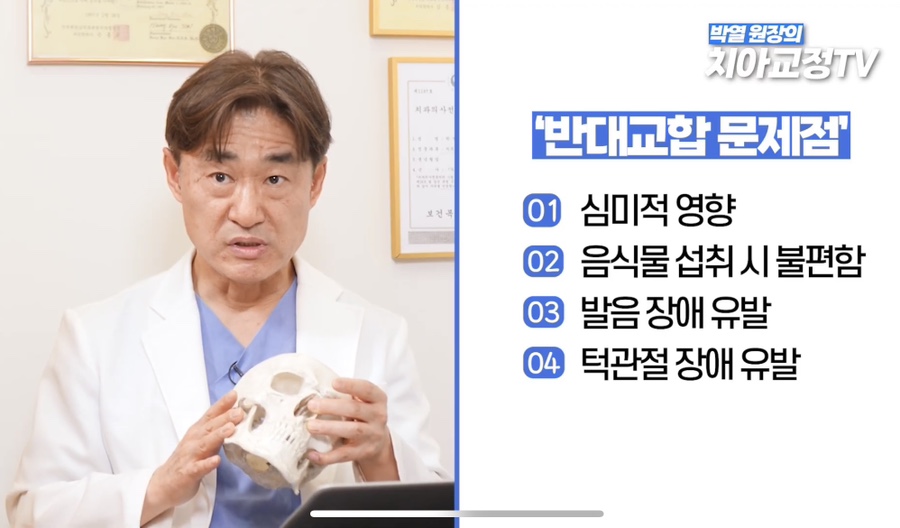
Speech problems
In particular, pronunciation of sounds such as "s," "ss," "p," and "b"
may become air-leaky or blurred,
so many people feel uncomfortable speaking.
Temporomandibular joint strain
The jaw joint and surrounding muscles
become abnormally tense,
which can lead to jaw pain, headaches,
and even neck stiffness.
Why is adult crossbite
difficult to treat?
When you are young, because the growth plates are still open,
it may be relatively easy to correct the bite
while controlling jaw growth.
But once you become an adult,
bone growth has already stopped,
so the chances for correction decrease
and the difficulty increases.
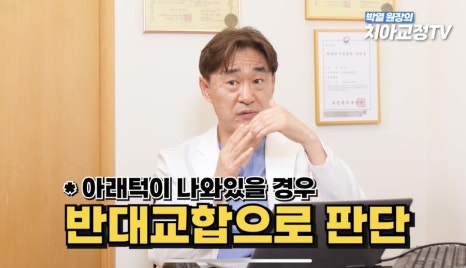
In particular, many adults do not simply want the teeth aligned;
instead, they often hope that "the lower jaw itself will move back."
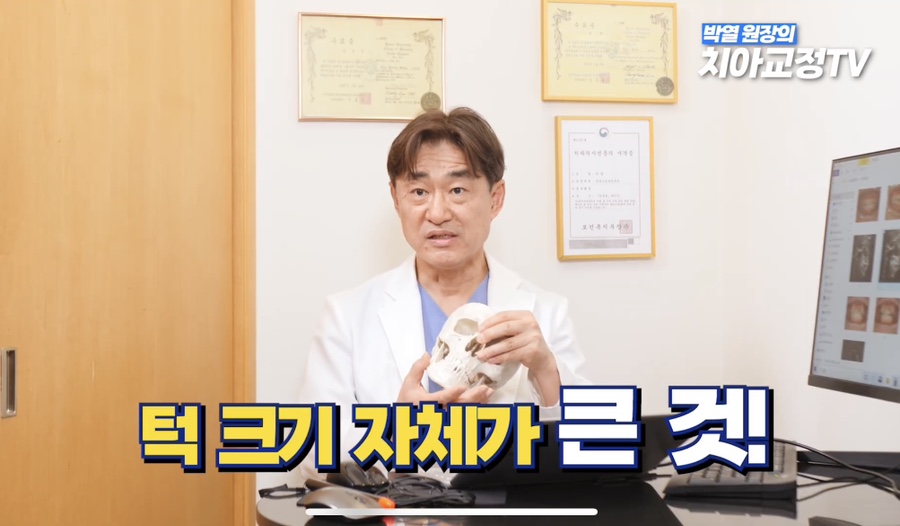
However, it is practically impossible to make the jaw bone itself smaller
or push it back using orthodontics alone.
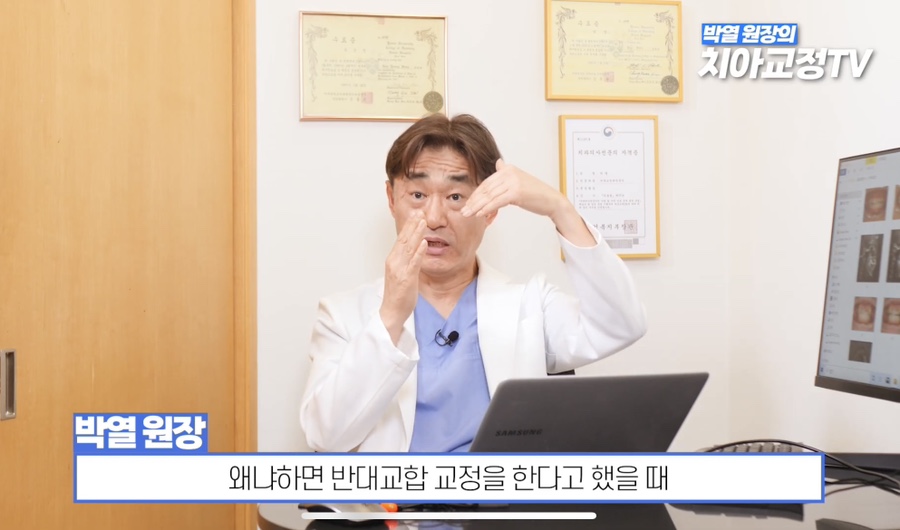
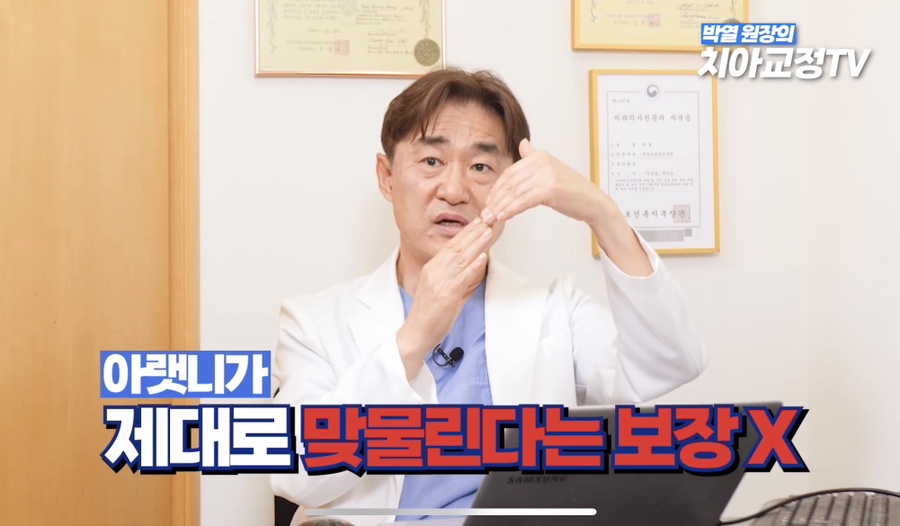
Important note!
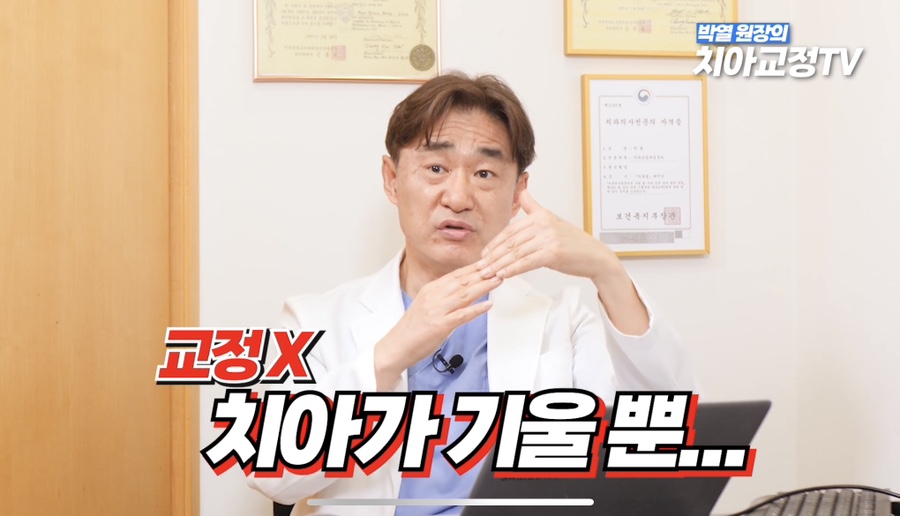
If you force only the teeth inward,
the lower front teeth may tilt too far inward,
making them look protruded,
and it can actually create a side effect that makes the jaw look longer.
So for adult crossbite,
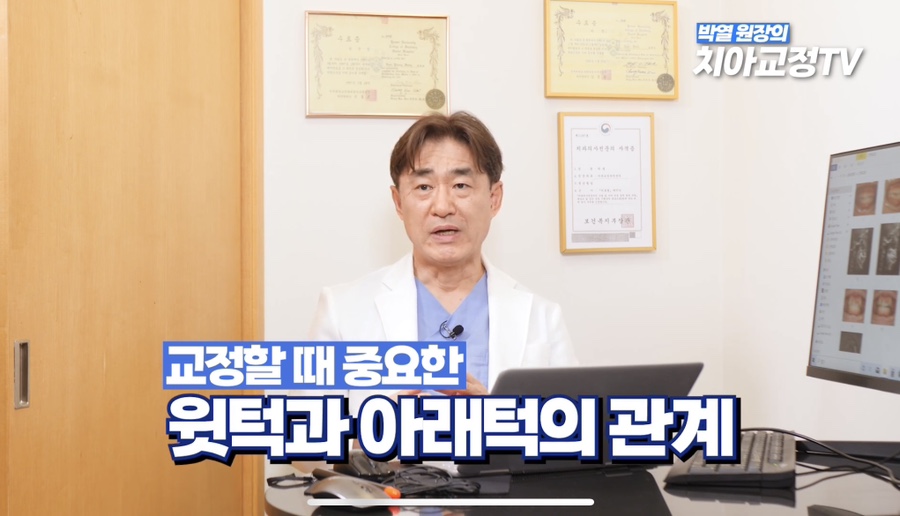
it is necessary to clearly distinguish between cases that can be corrected
n
with tooth alignment alone and cases where jaw position is also the problem.
When can it be treated with orthodontics alone?
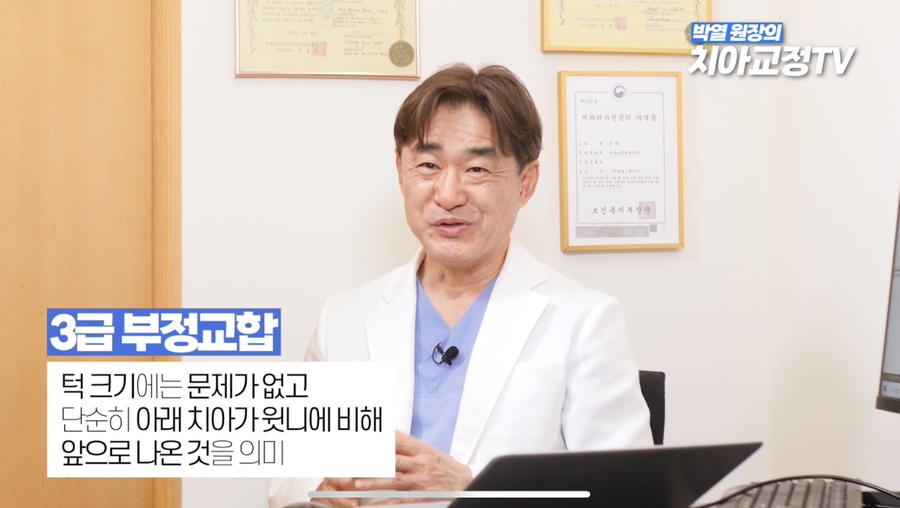
That said, there is no need to be discouraged.
Not every crossbite requires surgery.
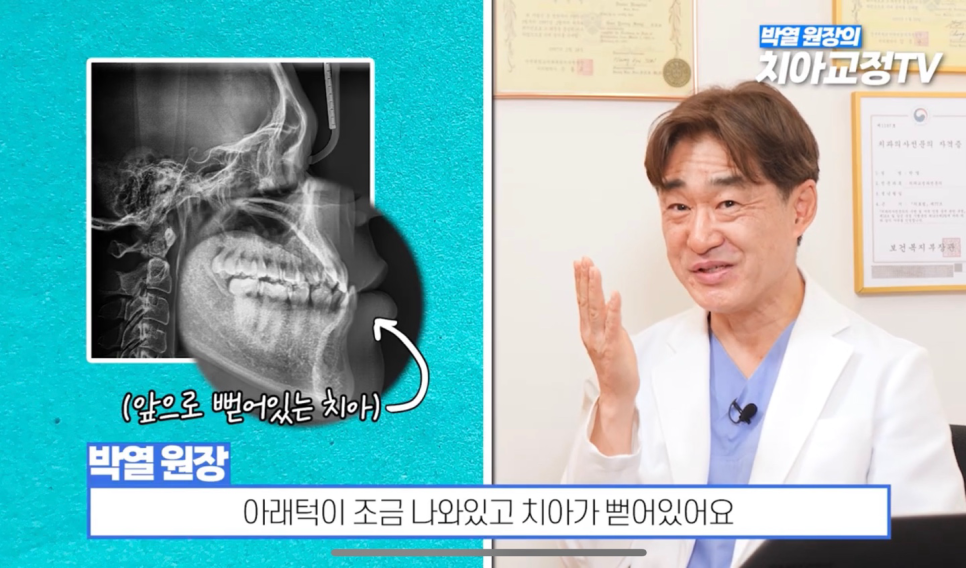
For example,
the lower front teeth may be protruding outward to some extent,
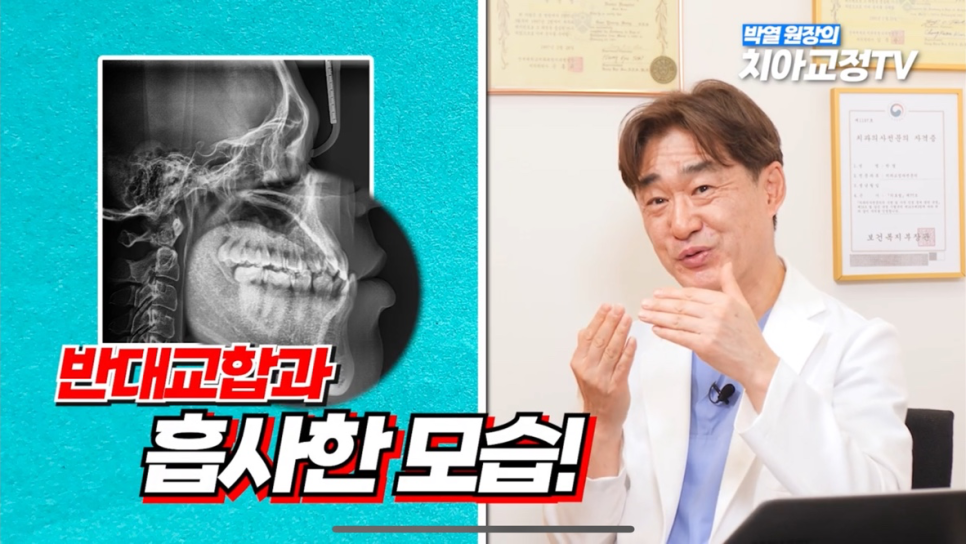
and the area around the lower lip may look protruded and cramped.
In such cases,
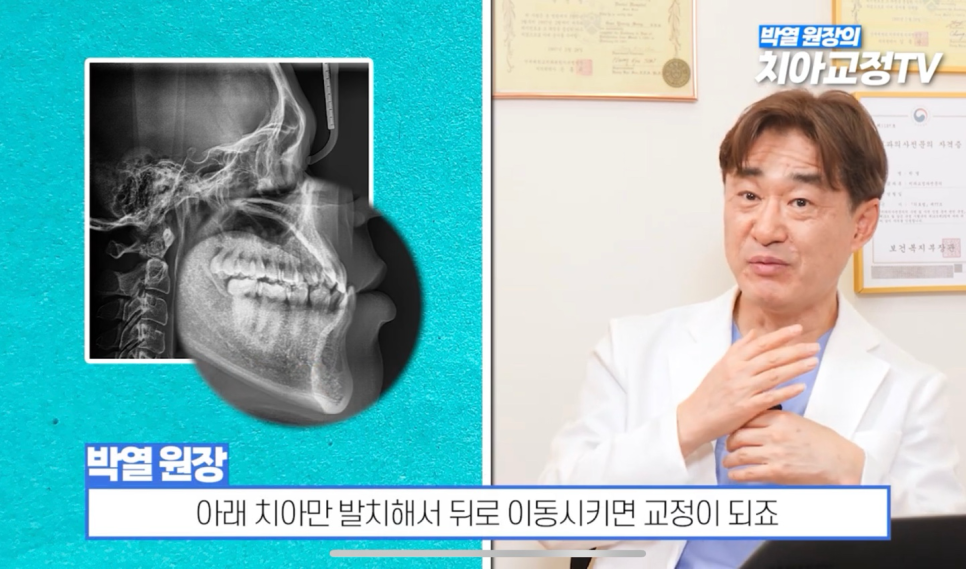
orthodontic treatment is possible by extracting premolars
and pulling the lower front teeth backward.
In this way, orthodontics alone can improve both the crossbite
and the protrusion at the same time.
In cases like this,
treatment can naturally retract the lips,
improve facial harmony,
and improve functional problems as well,
leading to good results.
How can you tell whether orthodontics alone is enough?
In actual consultations,
one clinic may say,
"Orthodontics alone is possible," while
another may say,
"Surgery is needed," giving different diagnoses.
In such cases, do not decide after hearing only one or two opinions.
I recommend getting diagnoses from at least three clinics.
If several places say it can be treated with orthodontics,
there is a high chance that orthodontics alone is enough.
If most recommend surgery,
it may be a case that requires surgery.
Depending on the treatment method, your face and function for life can change,
so please be careful, listen to several opinions,
and then decide.
And now,
let us also look at crossbite in children.
How do we check crossbite in children?
When a child aged 6 to 7 or older is eating
if the lower front teeth overlap the upper front teeth,
a crossbite can be suspected.
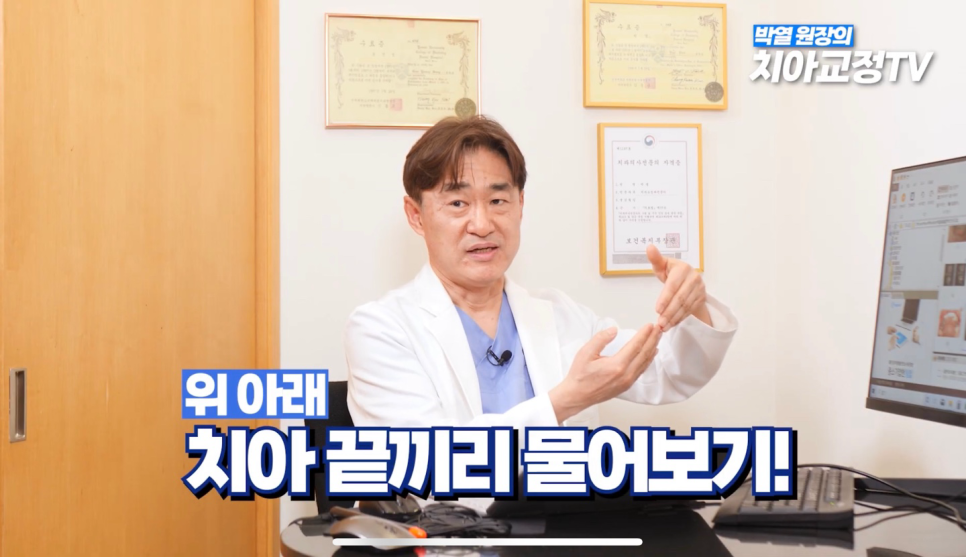
There is also a simple test method.
Ask the child, "Do not bite with your molars;
push your lower jaw back
and try to make only the upper and lower front teeth touch."
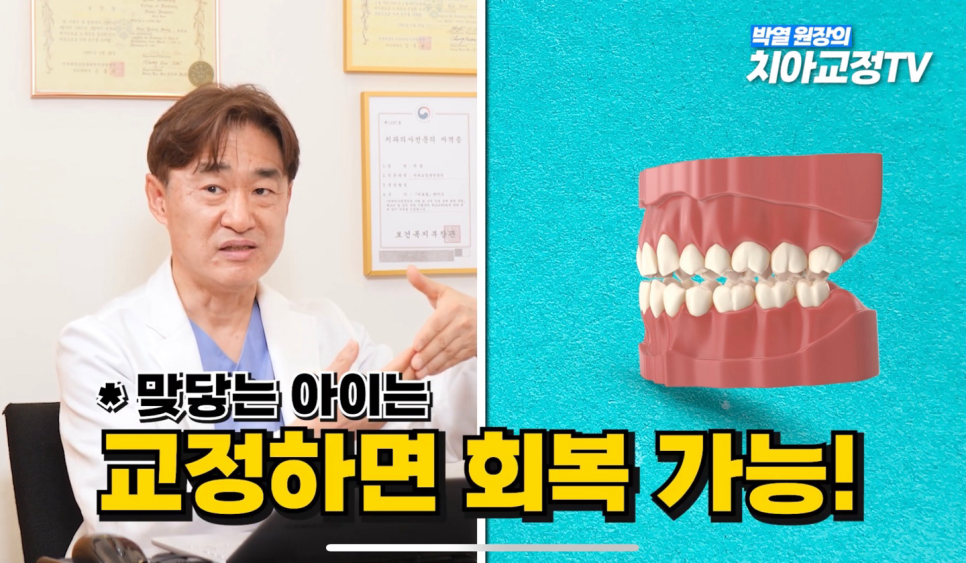
If the tips of the front teeth touch,
it can be improved easily with orthodontics alone.
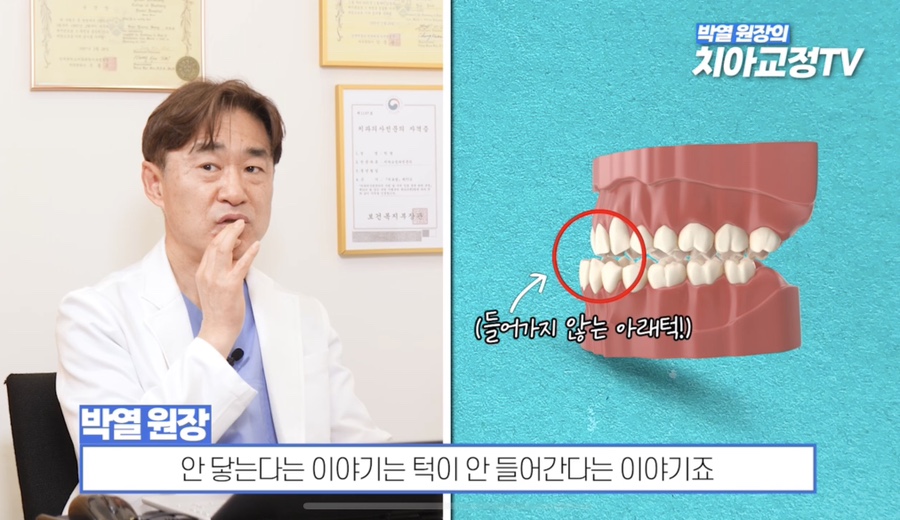
But if the front teeth still do not touch no matter how much you try,
and the upper and lower front teeth are biting in a reversed way,
there is a high possibility that the lower jaw has grown excessively
n
in a skeletal sense.
In this case, double-jaw surgery after growth may be necessary,
so rather than forcing early orthodontic treatment when the child is too young,
it is more realistic to observe the growth trend first
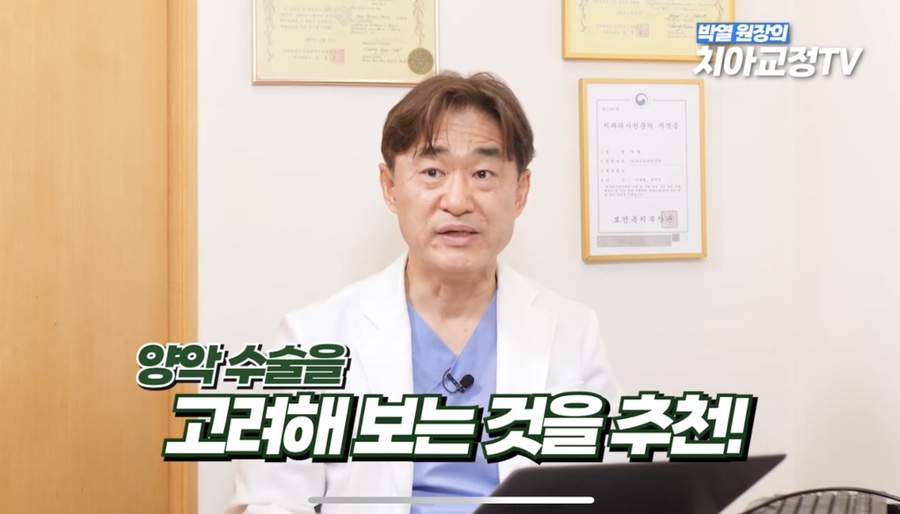
and then establish an accurate treatment plan.
Around the time of high school graduation,
or afterward, surgery may be considered.
What I especially want to tell adult patients
When treating adult crossbite,
rather than the fantasy that "everything can be fixed with orthodontics alone,"
it is important to approach the problem with the question,
"What is the most reasonable and safe method for my situation?"
If you start hastily after hearing only things like,
"Orthodontics alone will pull the jaw back!"
or "It can be done easily!"
it may actually take longer,
and the result may not be satisfying.
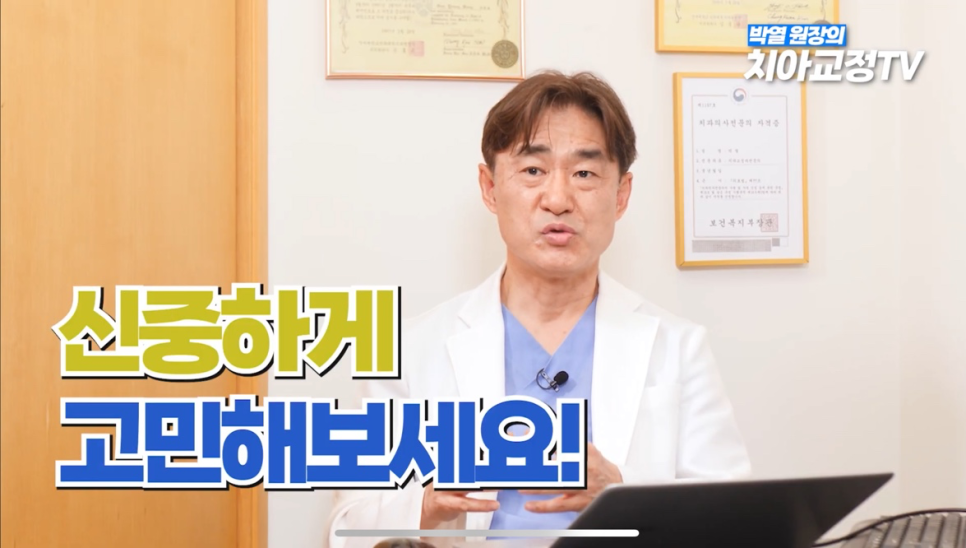
Please have realistic expectations,
listen carefully to the expert's honest explanation,
compare several options,
and then make your decision.
Crossbite is
not just a tooth problem,
but an important issue that affects appearance, function, and health.
In children, if it is found early and treated,
there are many cases where it can be resolved easily,
and in adults it is a bit more complex,
so the cases that can be treated with orthodontics alone may be limited.
Therefore, you must carefully consider whether your case falls into the category
that can be treated with orthodontics alone,
or whether double-jaw surgery should be considered.
Thank you.
Want to know more about the content below?