Hello, this is Director Park Yeol.
Shortening of the front tooth roots during orthodontic treatment is a rare side effect, but it is an issue that doctors always need to pay attention to.
The shortening of the front tooth roots is called root resorption. Root resorption is the phenomenon in which tooth roots become shorter during the orthodontic process, and it is often seen in the upper front teeth.
It does not occur in all patients, but it tends to appear more easily in people with certain factors.
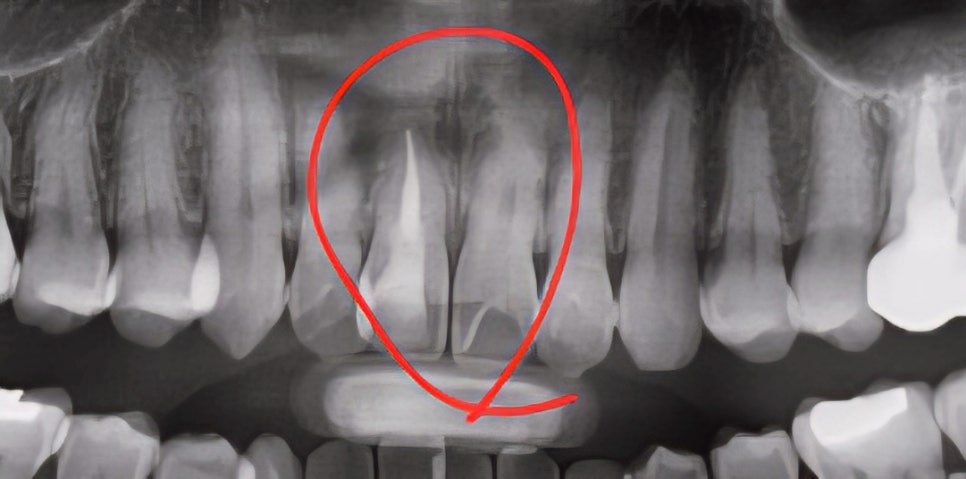
Some people naturally have front tooth roots that are short or tapered, and in such cases there is a risk that the root length may become shorter during orthodontic treatment.
If this shape is identified in advance on an X-ray before orthodontic treatment, the treatment plan can be made more carefully, and sometimes treatment may be postponed or not started at all.
Also, people who have previously hit their front teeth hard should be careful.
However, even if these factors are not present, root resorption may sometimes occur unexpectedly during orthodontic treatment.
If orthodontic force is applied too strongly and continuously, or if the force is of a normal level but the patient’s biological response is sensitive, root resorption in the front teeth can still appear.
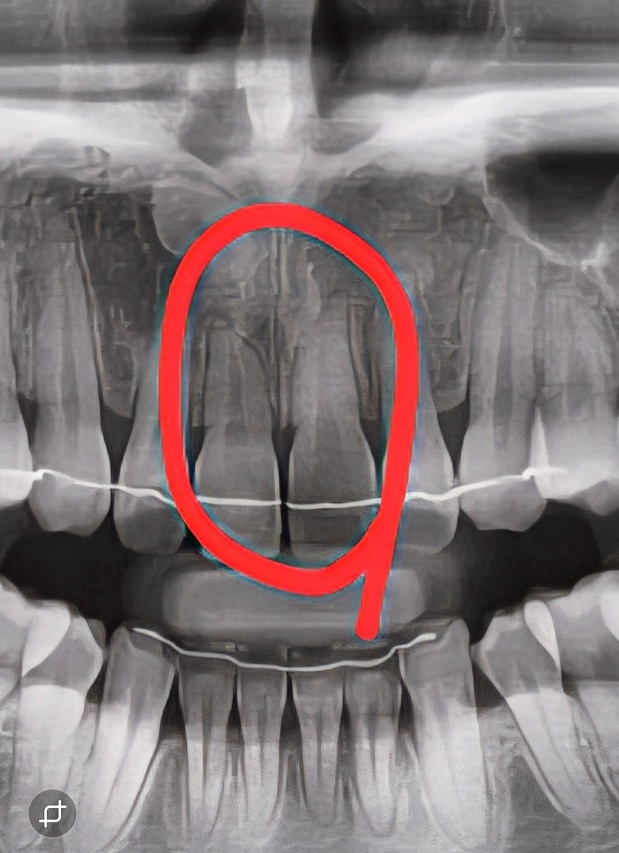
To help prevent possible root resorption during orthodontic treatment in most normal patients, there are a few points to keep in mind.
First, orthodontic force should be used gently.
If teeth are moved too quickly with strong force, the front tooth roots may become shorter, so the force should be applied using gentle wires.
Second, regular X-rays are recommended.
If an initial X-ray is taken before orthodontic treatment begins and the front tooth root length is checked every 6 to 12 months, root resorption can be detected early if it occurs, allowing for a quicker response.
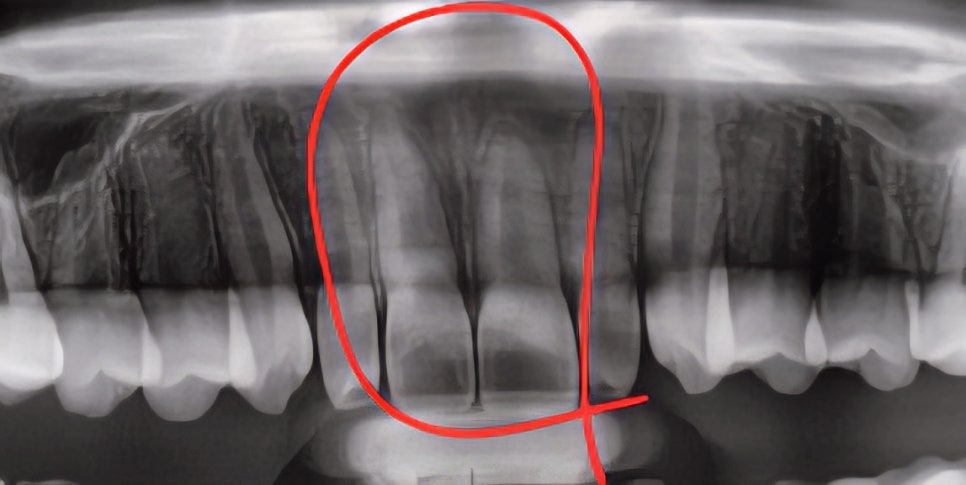
Third, gum health should be well managed.
If there is periodontitis, root resorption can worsen, so gum care is also important.
If root resorption is found, the response depends on the degree.
In mild cases, orthodontic force may be reduced and the movement speed slowed down so that treatment can be completed more gradually.
However, if the root has shortened by more than one-third or the tooth becomes loose, there are cases where orthodontic treatment must be stopped and completed using another method. (Prosthetic methods such as resin or crown treatment)
Still, when treatment is performed by an orthodontist with both expertise and sufficient experience, the likelihood of the front tooth roots becoming shorter is low, so there is no need to worry too much and you can proceed with orthodontic treatment.
However, as mentioned earlier, if the front tooth roots are already quite short even before orthodontic treatment, it is best to discuss it thoroughly and carefully decide whether to start treatment.
Go directly to the Naver reservation page for Dr. Prime Dental Clinic
↓↓↓↓↓↓↓↓↓↓↓↓↓↓↓↓↓