Hello.😁🤗
I am Park Yeol, a specialist in orthodontics who has been treating patients at Gangnam Station for over 20 years.
🦷
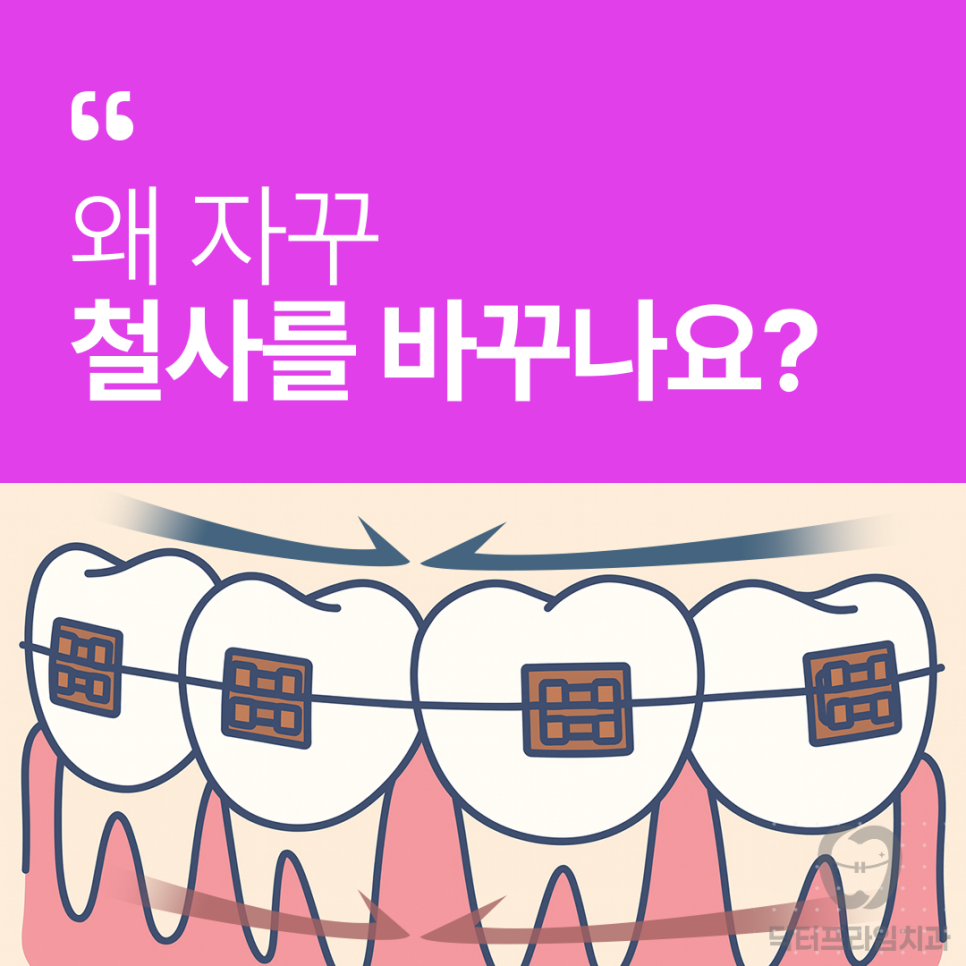
When braces are attached,
what do the wire and braces do?
When you start orthodontic treatment,
you may have seen small brackets attached to your teeth
and a wire inserted through them.
Most patients probably think this:
“Okay, they just attach something to the teeth
and connect them with a wire.”
But,
once you understand what this small device and wire do,
orthodontic treatment may feel much more interesting.😃
Today, I’ll explain this in an easy way!😊
The role of the bracket
- The orthodontic appliance (bracket) acts as a ‘handle’
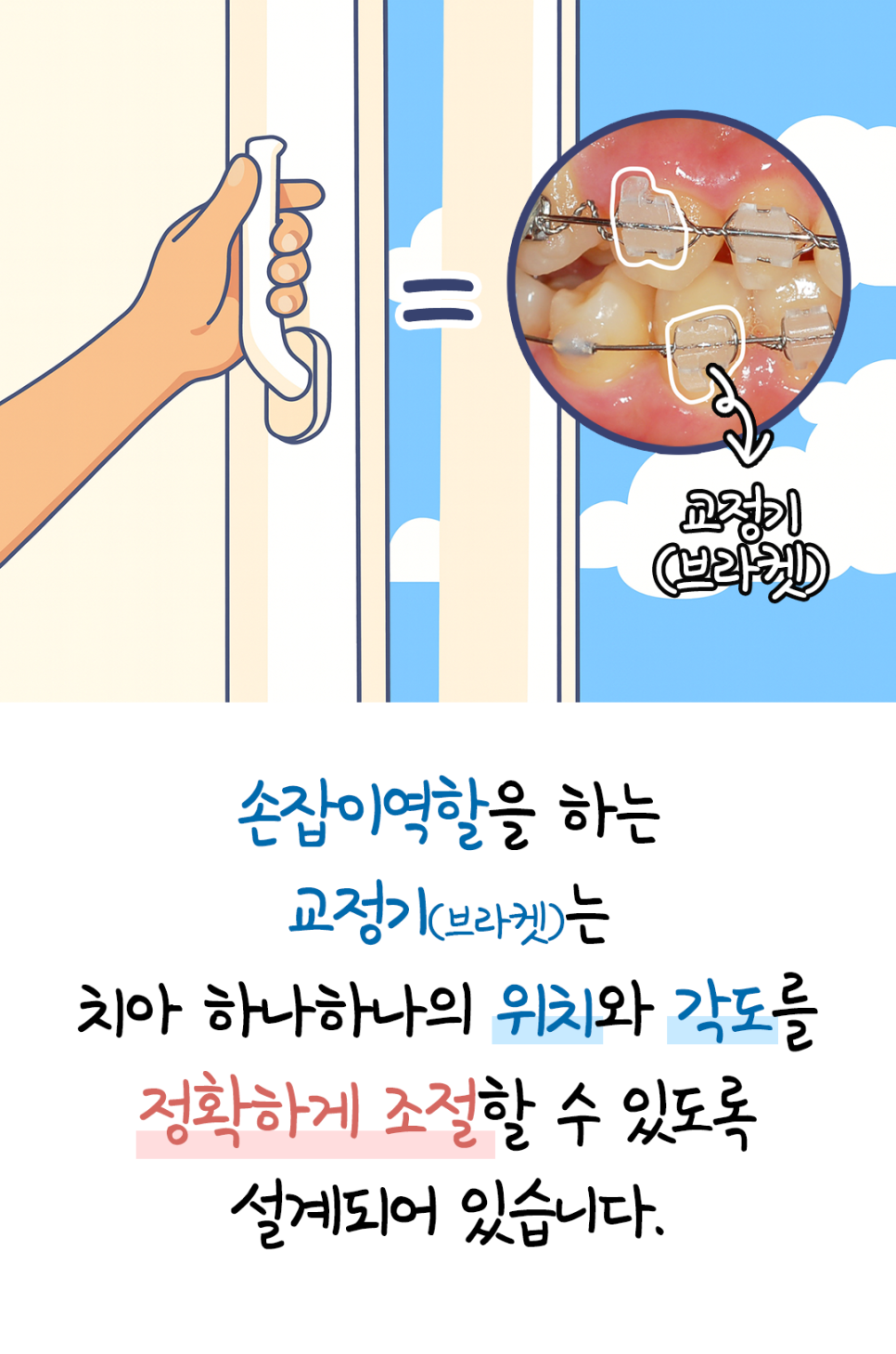
A brace or orthodontic appliance (bracket)
can be thought of as a small handle attached to the surface of the tooth.
This handle is what allows the wire to pull
or push the tooth.
Without the handle, the wire cannot be attached,
and the tooth would not be able to move.
The bracket, which serves as this handle,
is designed so that the position and angle of each tooth
can be adjusted precisely.
The role of the orthodontic wire
- The orthodontic wire (archwire) acts as a ‘guide’
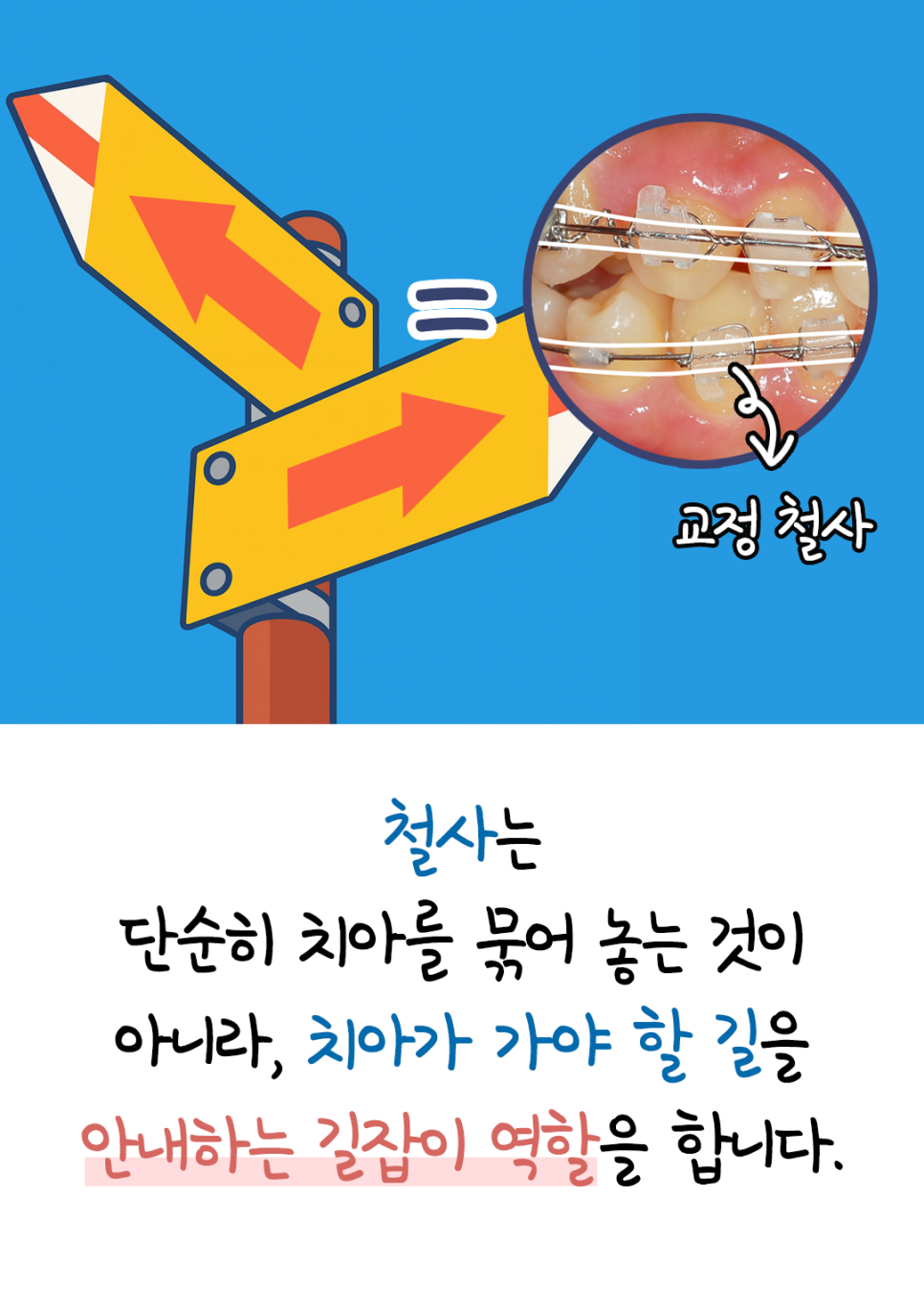
The wire is not simply there to tie the teeth together;
it serves as a guide that directs the teeth along the path they should follow.
At first, a thin and flexible wire is used
to slowly straighten uneven teeth.
As the teeth are gradually aligned,
the treatment continues by replacing the wire with one that is
slightly thicker and stronger, according to the degree of alignment,
while finely adjusting the position and angle.
This process continues until orthodontic treatment is finished.
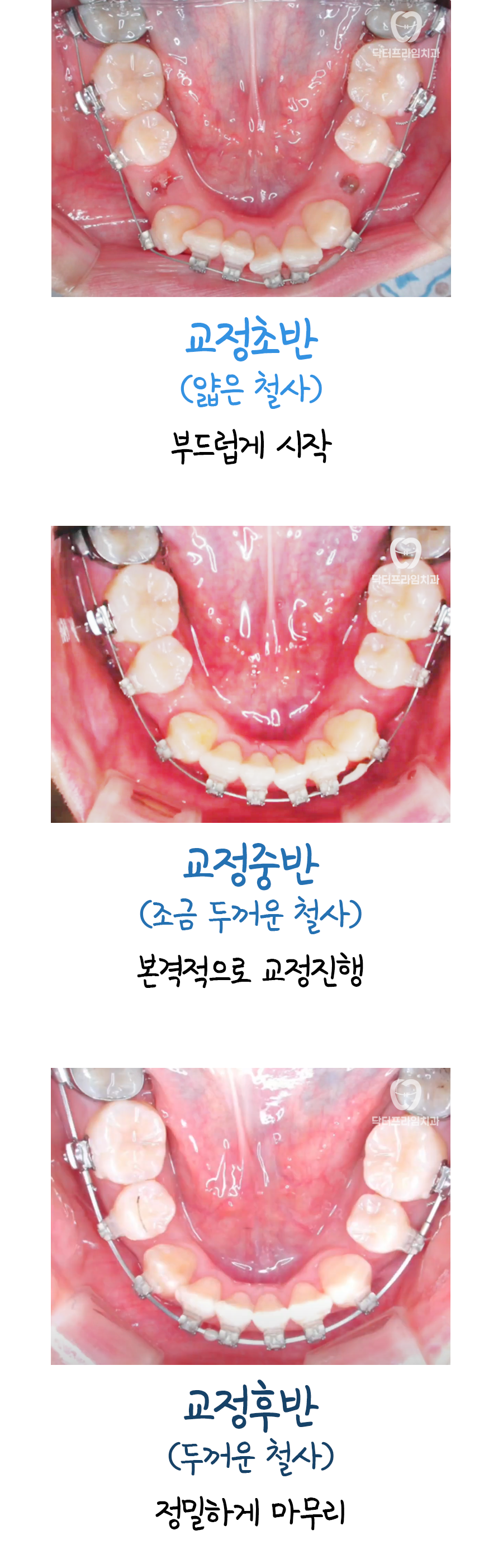
- The ‘teamwork’ of brackets and wire
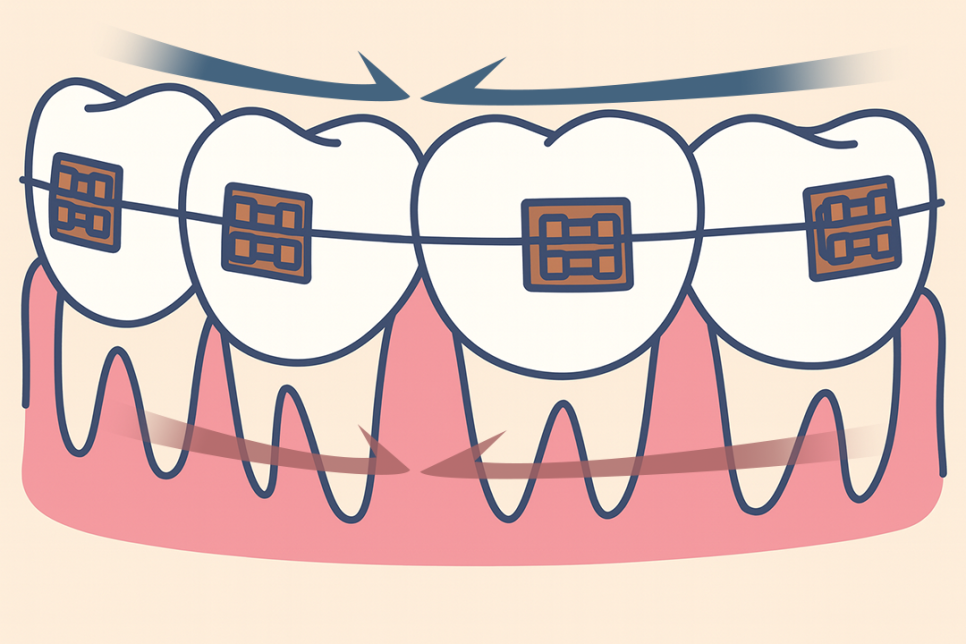
When the wire and brackets transmit force,
the teeth move little by little within the bone.
If the bracket is the handle and the wire is the guide,
both are needed for the teeth to move in the desired direction.
As the wire engages with the brackets,
small forces are transmitted all the way to the roots of the teeth,
allowing the teeth to gradually move within the bone.
They do not move overnight,
but little by little.
During this process, around the moving teeth,
bone is rebuilt and resorbed.
(That is why it takes time)
- The ‘secret of orthodontic force’
It should not be too strong
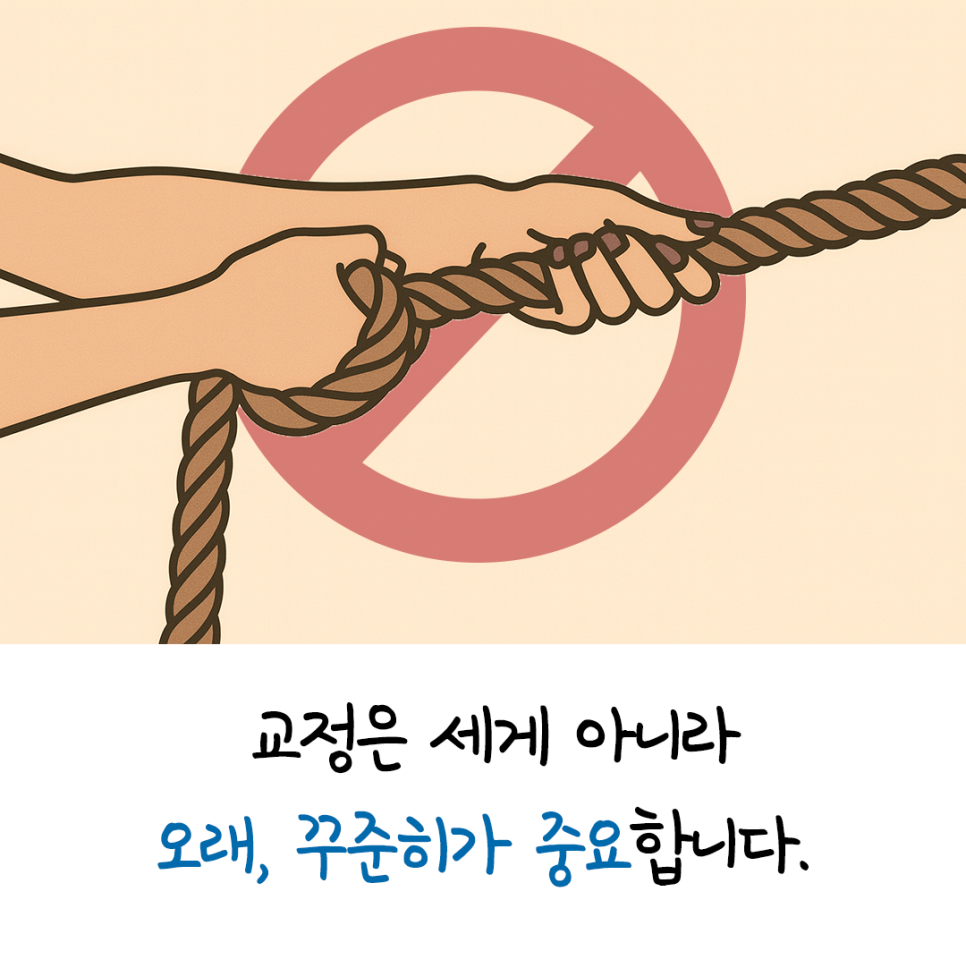
Many people think,
“If you pull the teeth harder, won’t they move faster?”
But with orthodontics, what matters is not strength,
but applying pressure steadily over time.
Too much force can injure the roots of the teeth
or the gums and bone,
and may actually slow the movement.
That is why orthodontists carefully adjust
the material, thickness, and shape of the wire
to provide an ‘appropriate and consistent force.’
- What patients should do
1️⃣ Contact us immediately if there is a problem with the appliance
If the wire comes loose or is severely deformed,
or if a bracket comes off,
please contact the clinic right away.
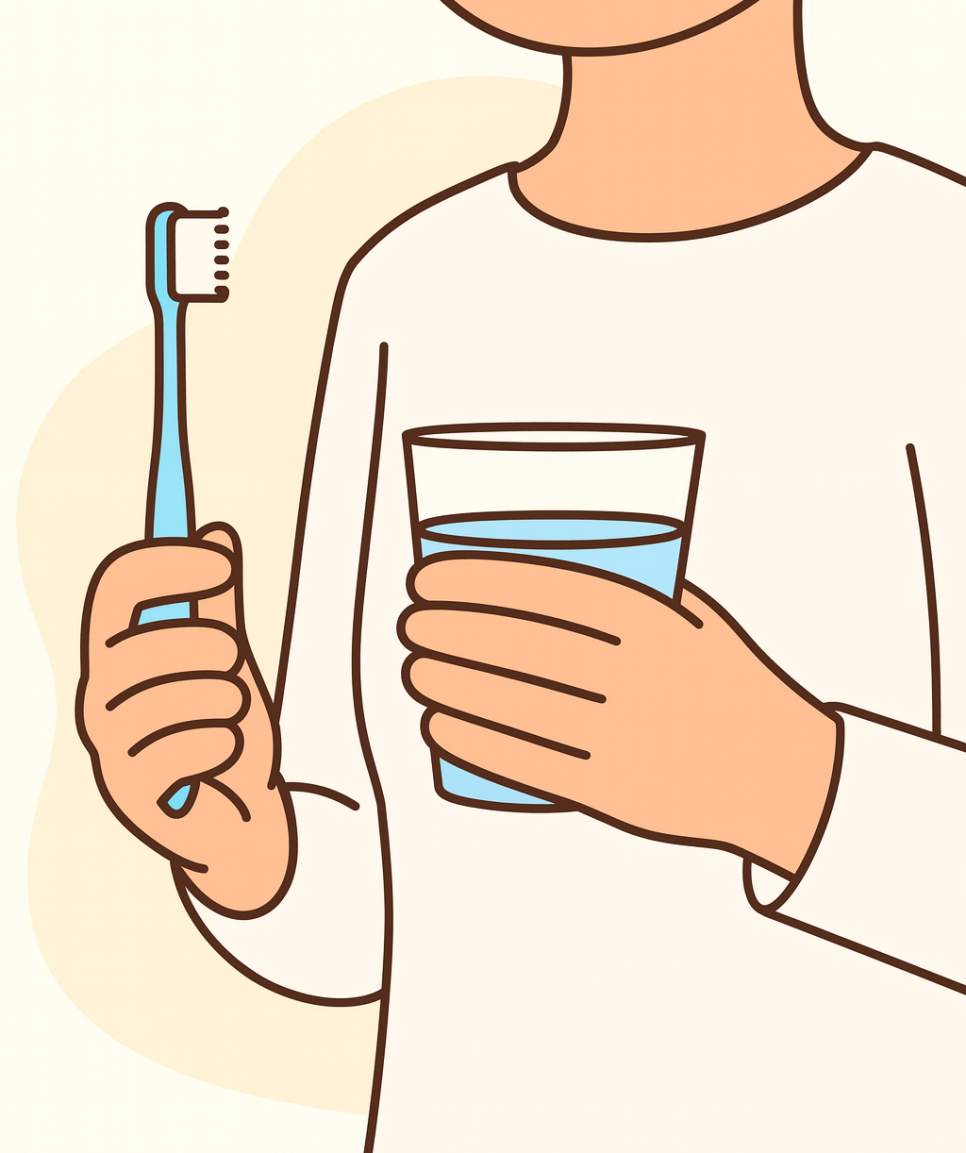
2️⃣ Hygiene management
Care around the gums and brushing are important.
(Food can easily get caught around the orthodontic wire and appliances)
3️⃣ Regular visits
Please visit according to your scheduled appointment.
(If the wire adjustment is delayed,
the treatment period will become longer)
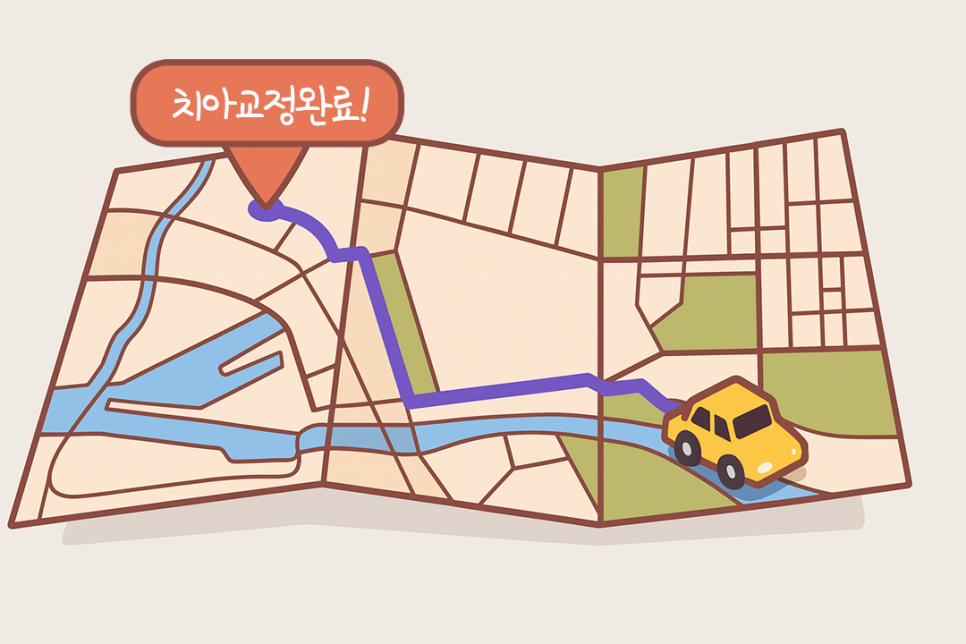
The bracket is a handle,
a wire is a guide.
Together, these two,
like a map and a car,
guide your teeth safely to the target position.🗺️🚗
Once you understand the principles of orthodontic treatment,
the process of tooth movement
will feel much more interesting.😃
Here are videos that are even better to watch together📹
Explanation of braces, wires, and orthodontic appliances🎞️
A more detailed story about orthodontic wires🎞️
For quick booking and consultation ⬇️



I am Park Yeol, your lifelong doctor🩺
Based on 20 years of experience,
I introduce trustworthy dental information.😃