If you want to effectively and properly correct protruding teeth, an underbite, a receding chin, or crooked teeth, you need to know the precautions during orthodontic treatment.
If these points are not followed, secondary lesions may develop in the oral cavity, the treatment process may become delayed, and in extreme cases, results opposite to the intended tooth-movement plan may occur.

Even partial orthodontic treatment takes at least 5 to 7 months, and full orthodontic treatment for adults can take from 1 year and 5 months to more than 2 years. So orthodontics can be seen as a dental treatment that requires a significant investment of time, effort, and cost. That is why it is important to do it properly the first time.
To avoid falling into the trap of retreatment, I hope you will carefully learn the precautions for orthodontic treatment introduced today and put them into practice.
Wire brackets,
Be careful about injuries caused by auxiliary devices
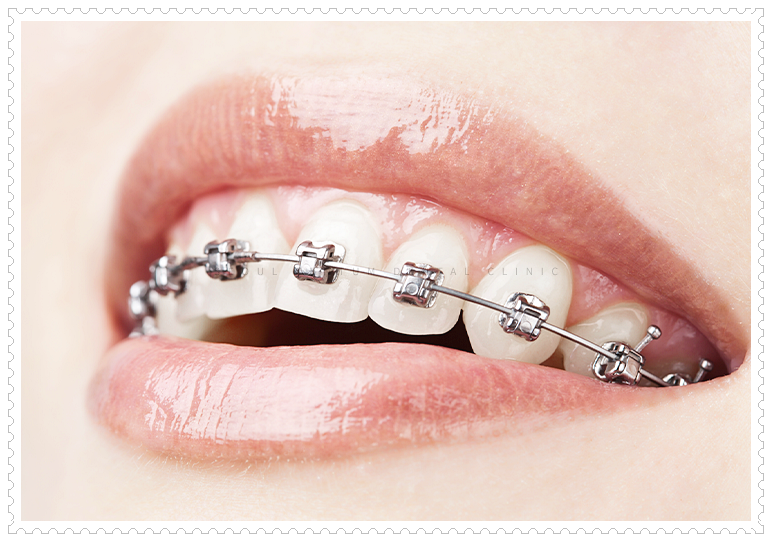
When wearing fixed appliances, some people occasionally experience the inside of the cheeks or lips being poked.
If this is left untreated, bacteria can settle in the small wound, and you may even need treatment for an oral lesion, which can lengthen the treatment period.
Therefore, if you feel irritation in the soft tissues, visit the dentist as soon as possible for an examination, wire adjustment, or appliance replacement. If a lip wound has been caused by a bracket, it is a good idea to apply the wax provided by the dental clinic to the surface of the bracket to prevent oral wounds.
In order to actively treat a deep overbite, a clinic may instruct you to wear orthodontic elastics using hooks.
In this case, it is also necessary to fit them properly so that the hooks do not cause injuries, and if a retainer is broken, it can also cause injuries to the palate and soft tissues, so it is necessary to receive care while paying more attention to the condition of the appliance.
Avoid hard, tough,
and sticky foods


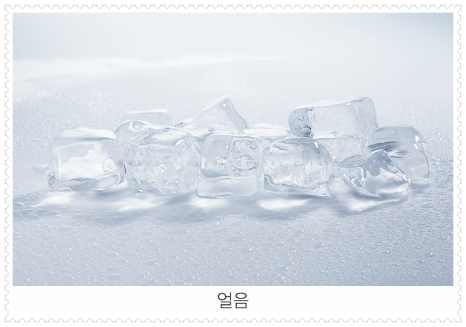
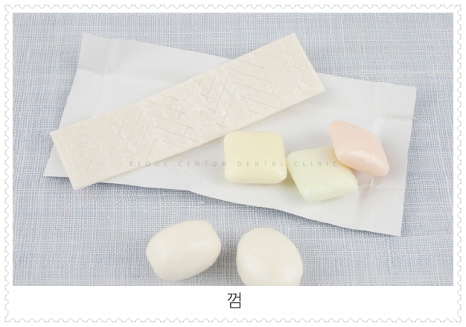

Another item in the precautions during orthodontic treatment concerns eating habits. If you eat without caution, brackets may come off or wires may break, and if you have mini-screws placed, those areas may also be affected. Eating hard and tough foods while wearing braces can damage the appliance, and more fundamentally, it interferes with tooth movement, so it is best to avoid them as much as possible during orthodontic treatment.
Teeth move in the direction of the force applied to them. At that time, osteoclasts resorb the alveolar bone in front, while osteoblasts become active in the rear and new jawbone forms there. In this way, the teeth move gradually by 0.1 mm per month.
If you frequently eat foods such as hard shellfish, ice, nuts, cartilage, or squid, they can interfere with root movement and prolong treatment. As the delay continues, you may become mentally exhausted and feel like giving up halfway through.
Therefore, in addition to avoiding hard and tough foods, it is important to limit sticky foods as well. After eating, be sure to maintain cleanliness by brushing and using floss or interdental brushes.
If sticky residue remains on the appliance, white spots and cavities can occur. If the symptoms are severe, the braces may need to be temporarily removed midway through treatment to address tooth decay, so caution is necessary.
Proper brushing and
maintaining a comfortable oral environment
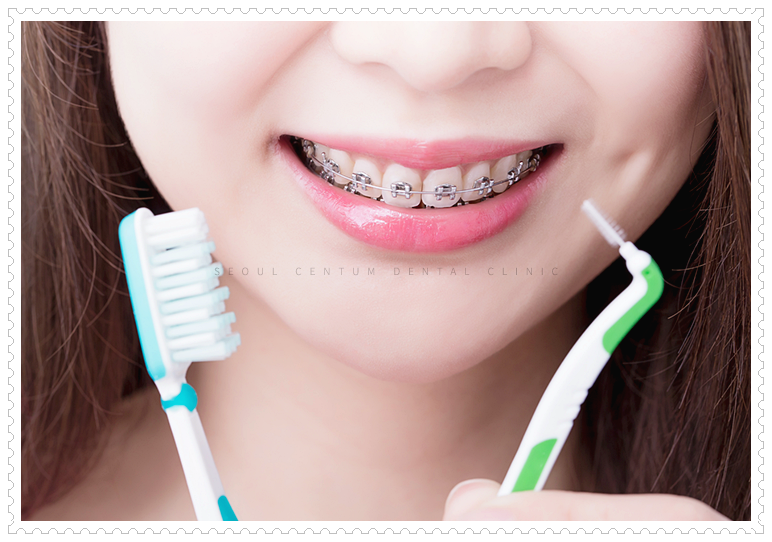
Retainers and fixed braces are not removable appliances, but ones worn continuously, so they must be kept clean at all times.
Therefore, it is better to use an orthodontic toothbrush and carefully brush even the narrow spaces between the wires. In areas where an orthodontic toothbrush cannot reach, if you manage them comfortably with auxiliary tools such as a water flosser, dental floss, and interdental brushes, you can prevent oral lesions that may occur during orthodontic treatment.
There are many bacteria and germs in the mouth, so if you brush carefully so that they do not combine with foreign substances, the alignment of the teeth can be completed properly within the expected period.
Do not forget regular checkups
and visit the dentist
Next, the precaution after orthodontic treatment to be aware of is regular checkups, which are so important that they must not be skipped.
If you do not visit on time, the roots have already moved only within the designated range, so the treatment can function only at the level of maintenance.
Therefore, you must visit at the proper intervals so that appropriate force can be applied to the wire at the right time, allowing the tooth-movement plan to proceed smoothly.
By coming in for visits, you need to check whether the progress during orthodontic treatment is occurring as expected, whether there are any oral lesions, and whether there is any discomfort. This is essential for smooth orthodontic treatment, and especially if you are undergoing treatment for protruding teeth, it is even more important not to forget and to visit regularly so that the teeth do not become too flat.
Alcohol and smoking are prohibited
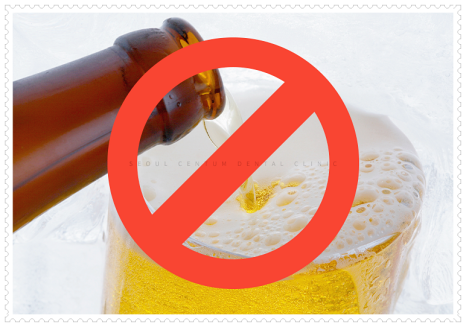
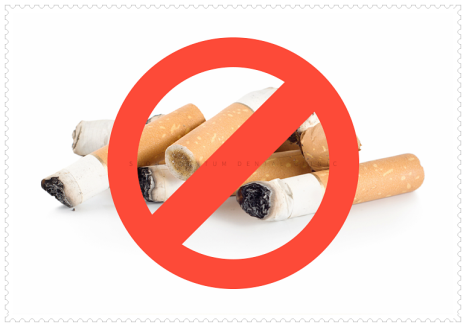
If you prefer indulgent foods, this may be the hardest precaution during orthodontic treatment to follow.
A condition favorable for bone regeneration is not being adversely affected. When you smoke, nicotine and tar constrict blood vessels and block the absorption of nutrients that help bone regeneration. This can lead to incomplete jawbone formation or cause inflammatory reactions during orthodontic treatment, so caution is advised. The same goes for alcohol.
Today, I introduced the precautions during orthodontic treatment. I think this post will be very helpful for anyone who wants to create a beautiful and strong bite~
I hope everyone achieves better oral health than expected, and I will wrap up here. Thank you.