I have swelling after an implant, but I’m not sure if that’s normal.

Swelling is commonly experienced after an implant.
During the implant placement process, the gums may be incised, or drilling may be performed in the gum bone (alveolar bone), inevitably causing damage to the surrounding soft tissue and tiny blood vessels.
As the body triggers a physiological inflammatory response to recover from this damage, blood flow increases and temporary swelling develops. That is what swelling is.
Swelling: normal or abnormal?
Swelling does not mean the implant failed; it can be seen as a sign that the body is working normally to recover.
However, the degree and duration of swelling can vary from patient to patient.
In fact, when seeing many people who visit Centum Dental Clinic, I have seen a wide range of differences.
How many days does swelling last after an implant?
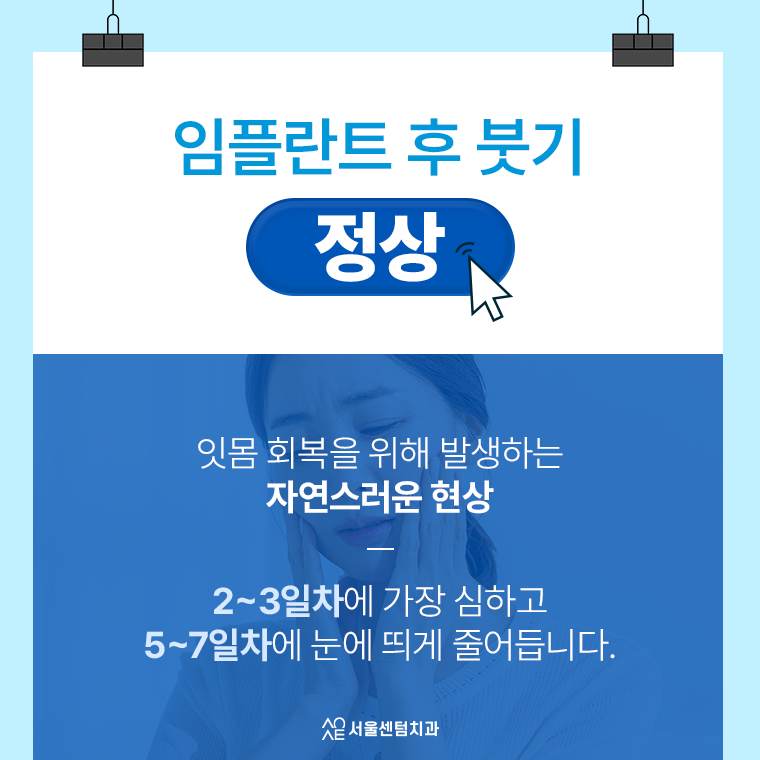
In most patients, swelling tends to become most severe on days 2 to 3 rather than immediately after surgery.
After that period, the tissue gradually adapts and goes through the regeneration process, and the swelling eases. In general, it noticeably decreases within 5 to 7 days.
However, because individual differences are large depending on constitution, immune status, blood circulation speed, and alveolar bone density, it cannot be determined uniformly.
For people with systemic conditions such as diabetes or high blood pressure, recovery may be reduced and swelling may last more than a week. Recovery patterns can also differ depending on medications being taken, lifestyle habits, and whether the implant site is in the upper jaw or lower jaw.
The duration of swelling is flexible even within the normal range, and it is important to observe it according to the doctor’s instructions.
To relieve it effectively
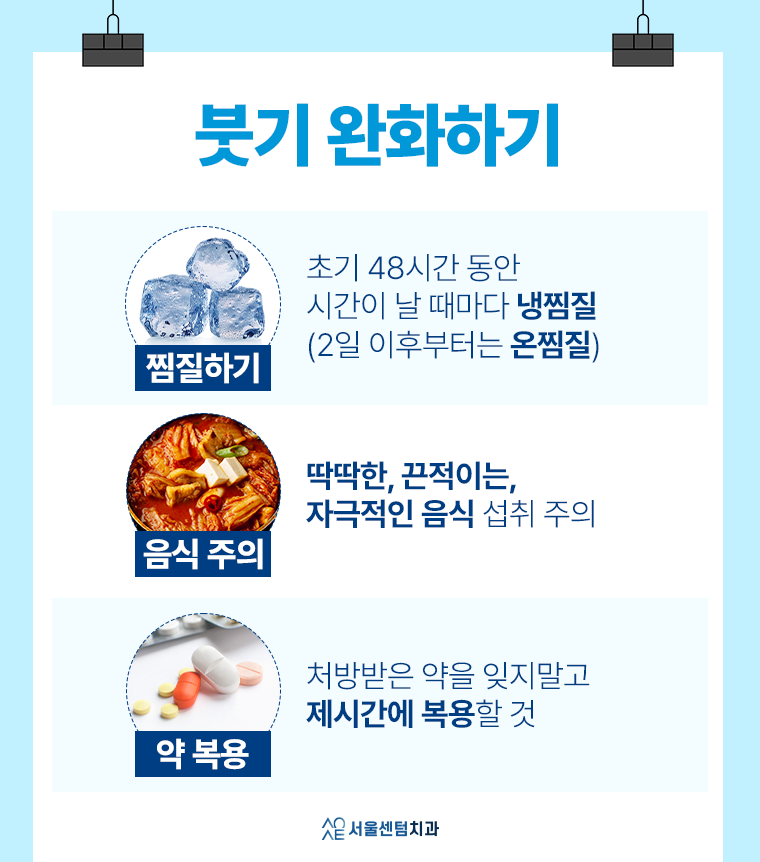
Since post-surgery care is key, for the first 48 hours, whenever you have time, apply a cold pack for 10 minutes and rest for 5 minutes, repeating this cycle.
People usually think that cold compresses alone are enough, but after 2 days, switching to warm compresses and promoting blood circulation can help reduce inflammation and swelling.
Avoid hot and spicy foods and strenuous exercise, and take the medication prescribed by the dental clinic.
It is also advisable to minimize implant swelling by drinking enough water and getting plenty of rest!
Signs to check if implant swelling keeps going on
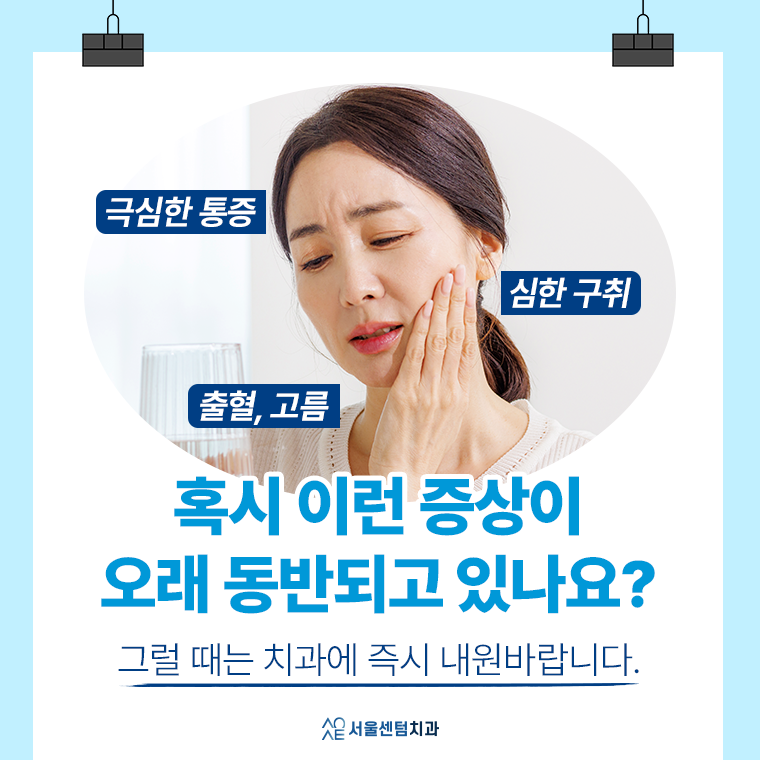
Swelling usually decreases within a week, but caution is needed if it persists severely beyond that or gets worse instead.
In particular, if redness, severe pain, bad breath, and high fever are accompanied, it may not be simple swelling but peri-implantitis or a hematoma.
In such cases, do not take painkillers on your own or just endure it; you must visit the dental clinic for diagnosis and treatment.
If left untreated, problems may also develop in the bone, which can lead to implant failure.
It is easy to think, “It’ll get better in a few days,” but early response is an important point that determines the outcome, so please be sure to visit the clinic if anything seems wrong.
Recovery speed can differ from person to person.
You may wonder, “Why does someone else recover quickly while mine lasts so long?”
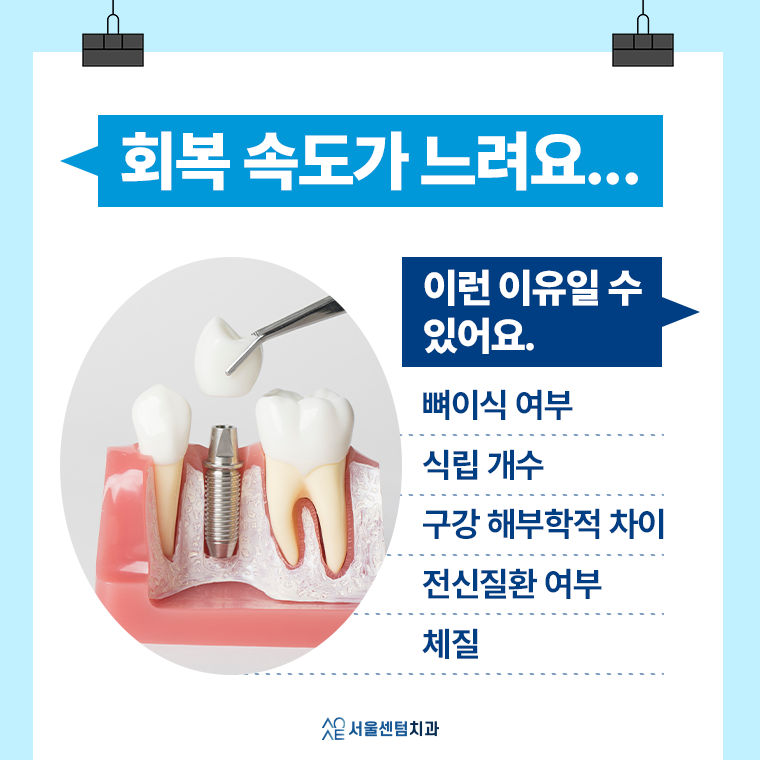
This is because oral anatomical conditions such as gum thickness, alveolar bone density, and gingival condition differ. Even with the same surgery, the difference can be significant depending on whether bone grafting was done and how many implants were placed.
If bone grafting is not performed, soft tissue damage is less, swelling is reduced, and recovery is correspondingly faster. On the other hand, when bone grafting is performed, swelling may be more severe and last longer.
Systemic conditions, smoking, and age are also important factors.
Younger people recover faster because their metabolism and immune defense functions are higher, while older patients recover at a relatively slower pace.
Therefore, a personalized care strategy suited to one’s physical condition and the scope of surgery is required.
Put lifestyle corrections into practice
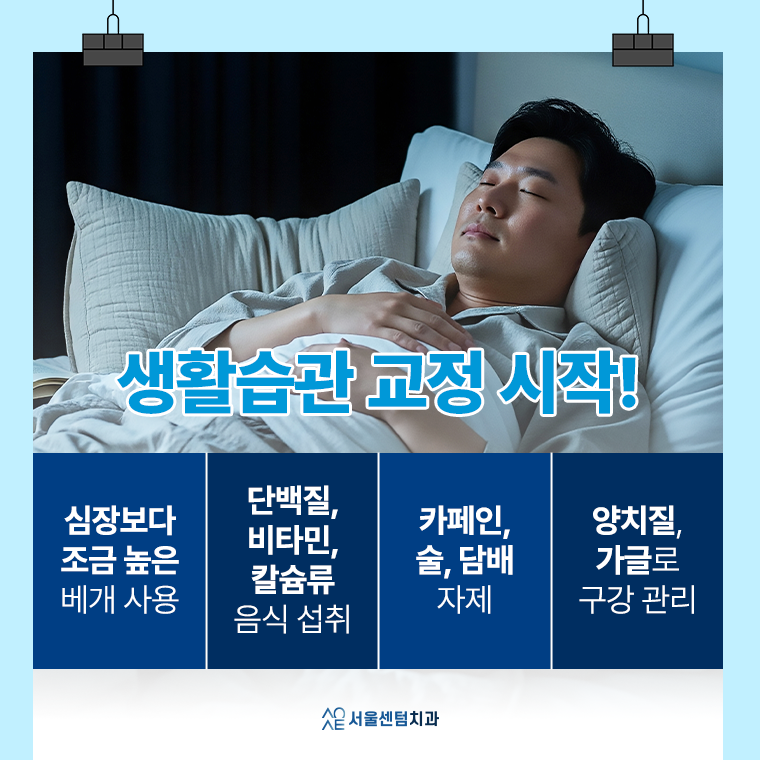
Daily habits also affect swelling relief.
-
Sleeping straight with a slightly higher pillow can prevent blood from pooling to one side and help reduce implant swelling.
-
Eat foods rich in protein, vitamins, and calcium to improve cell regeneration speed and immunity.
-
Avoid beverages such as milk and coffee containing caffeine, as well as alcohol and cigarettes.
-
Brush regularly (excluding the implant site at first) and use mouthwash to suppress the growth of bacteria in the mouth.
In the end, small differences in daily habits can greatly affect recovery speed and the degree of swelling.
In summary, implant swelling is mostly a natural phenomenon that appears during the normal healing process, but swelling beyond the normal range may be a sign of infection or complications, so careful observation is necessary.
Ultimately, the success of implant treatment depends not only on the surgery itself but also on follow-up care and the patient’s cooperation, so regular checkups are necessary.
Even though small discomfort in the early stage of placement may feel significant, if you respond actively based on accurate information, the implant will enter a stable state.