In an Aging Society, Implant Treatment Becomes Essential When Teeth Are Missing
Korea's aging population is growing at an unprecedentedly rapid pace by global standards.
As average life expectancy continues to rise, interest in dental health also appears to be increasing.
As their gums naturally weaken, older adults are relatively more likely to lose their natural teeth.
Reduced chewing function can place a burden on the digestive system, while inaccurate pronunciation can make it difficult to communicate with others.

In the past, missing teeth were replaced with dentures, but they gradually revealed their limitations because of the discomfort and inconvenience of having to remove and reattach them.
Today, implants have established themselves as a more convenient treatment option.
When you look around, there are also older adults who continue living with missing teeth.
Could it be because of the high financial barrier?
I would like to take this opportunity to emphasize that the barrier can be reduced to some extent by using the implant support program for older adults.
Support Benefits That Can Reduce Part of the Cost
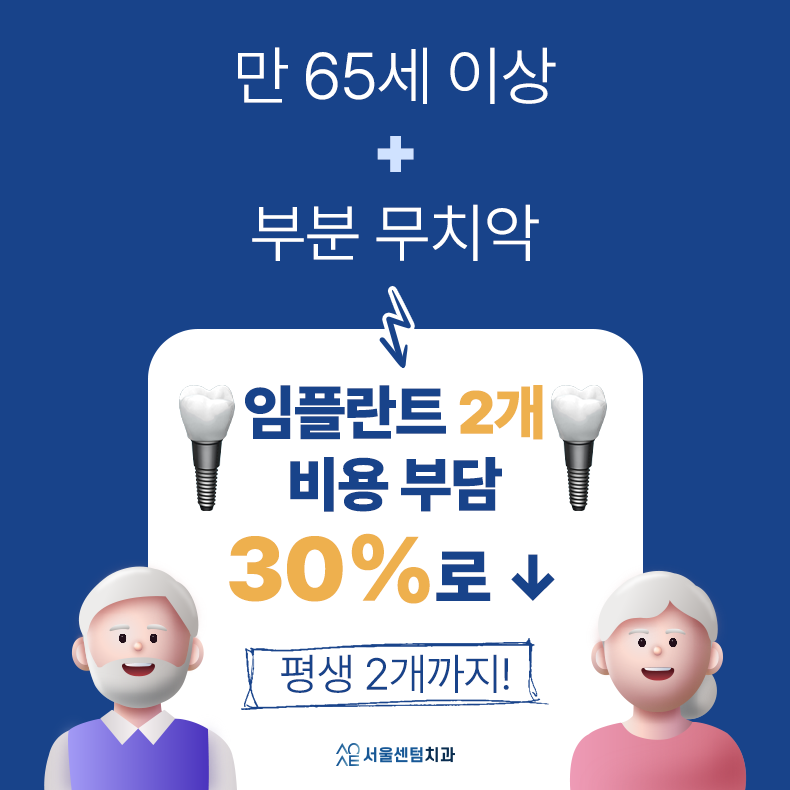
Older adults aged 65 or above who have partial tooth loss are eligible for National Health Insurance coverage and may receive partial financial support.
The coverage does not apply to all teeth, and insurance benefits are available for up to two implants over a lifetime.
Thanks to this, the patient's out-of-pocket cost is limited to 30%.
The implant support program for older adults is significant not only because it reduces costs, but also because it improves access to treatment for older patients.
If you have missing teeth or think that an extraction may be necessary, it would be wise not to miss out on these benefits, right?
Why Do Costs Differ from One Dental Clinic to Another?
When looking into implants, you will probably notice that prices differ from clinic to clinic.
This is because various factors work together, rather than it simply being a matter of price competition.

There are brands that many people are familiar with, right?
For example, Osstem and Neo.
Prices vary depending on which brand is used and which product from that brand is selected. The method used to make the prosthesis (crown) and the region where the dental clinic is located can also affect the price.
The patient's oral condition is also considered a major variable in determining the cost.
If there is severe resorption of the alveolar bone, additional procedures such as bone grafting or sinus lift surgery may be necessary.
These procedures increase the level of difficulty, naturally resulting in higher costs.
Therefore, it is important to first understand why prices differ between dental clinics.
Don't Look Only at Price When Choosing a Dental Clinic X
Compare Multiple Factors O!
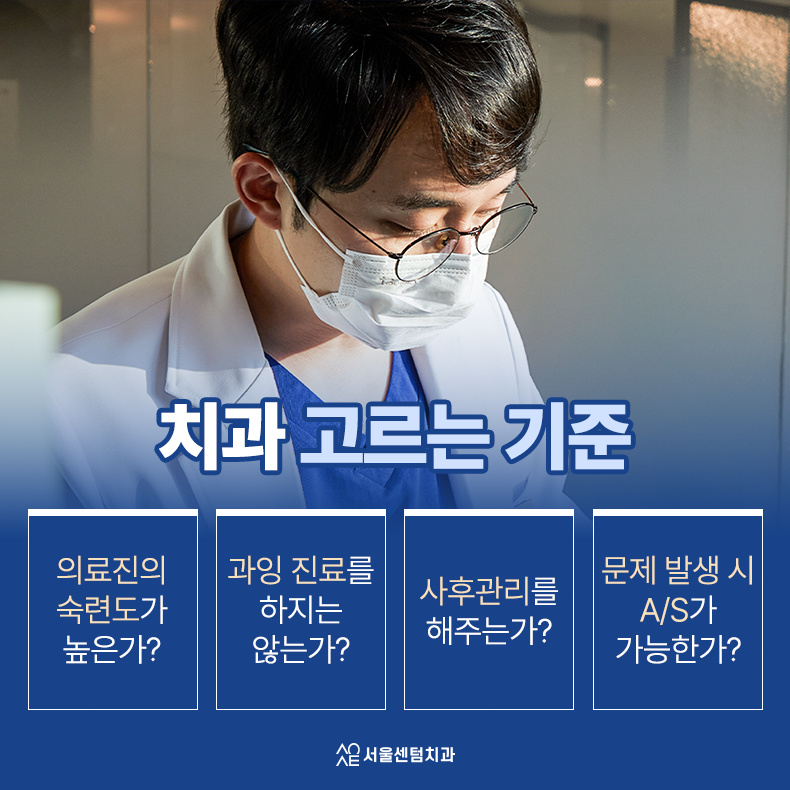
As with other types of oral care, some people choose a dental clinic solely because it is inexpensive.
If you choose a dental clinic based only on cost, the risk of complications or the need for re-implantation may increase, potentially resulting in greater expenses.
Above all, because older adults generally have lower bone density and slower recovery than younger adults, the treatment experience and skill of the medical staff can greatly affect the outcome!
When choosing a dental clinic, it is just as important as cost to check the medical staff's clinical experience, the brand and quality of the prosthesis, whether an aftercare program is available, and whether after-service coverage is provided and under what conditions.
After consulting about how much value you can expect for the cost, obtaining an estimate, and comparing your options, you will be able to make a suitable choice that balances cost and quality.
Managing Your Implants Before and After Treatment Helps Save Money
Older adults often have accompanying systemic conditions such as diabetes or high blood pressure.
If even one of these conditions is present, it may affect the success rate of implant treatment.
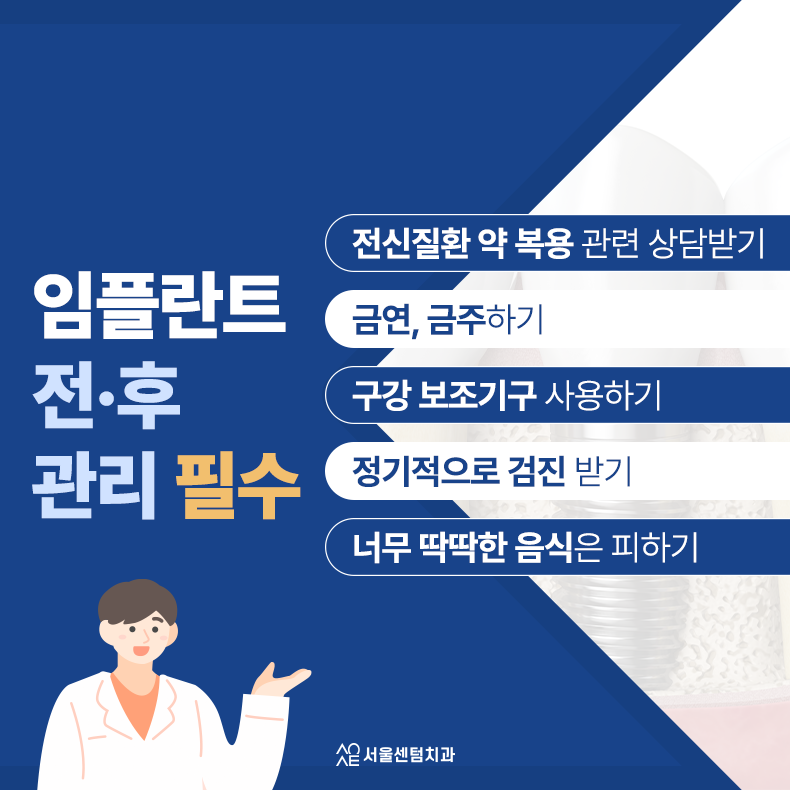
To improve the success rate, thorough health management from before implant placement is extremely important.
In particular, good blood sugar control and oral hygiene management can help prevent complications and reduce the likelihood of additional costs.
Before surgery, we always make sure to ask each patient whether they are taking any medications.
If they are, we may also provide guidance on adjusting their medication.
Taking a forward-looking approach, aftercare is also essential, so we make sure to explain the necessary precautions.
(Avoiding tobacco and alcohol, using auxiliary tools such as dental floss, and so on...)
Checking your current condition through regular examinations is also important for preventing peri-implantitis and reducing any additional costs that may arise.
In other words, proper care leads to savings~

It would not be an exaggeration to regard implants as an investment that improves quality of life in old age.
If you have hesitated because of the cost, take a close look at the implant support program and benefits for older adults, even now, and find the support option that suits you.
It is also a good idea to consult a dental clinic to confirm whether you are eligible for support based on your individual circumstances.
Those who know the information are the ones who enjoy the benefits!

The sooner you learn and prepare, the sooner you can set out on the path toward a healthy and happy later life.
If you ignore the cost of implant retreatment without checking it,
Pain-related issues when wisdom teeth erupt