When considering implants in the presence of systemic disease

Is diabetic implant treatment possible?
If you have been diagnosed with diabetes and are preparing for dental treatment,
it is natural for many concerns to come to mind.
In particular, implants are often difficult to decide on easily
because of concerns about blood sugar control and
the recovery process.
Recently, diagnostic systems that fully reflect systemic conditions have been established,
and treatment plans have become more refined,
so the number of cases in which patients with diabetes proceed with treatment
has been steadily increasing.
It is important to calmly check what approach is appropriate
for your current health condition.
Why diabetes affects treatment
When placing an implant, the process of osseointegration
must take place to achieve stability.
Diabetes is a condition that can affect
wound healing speed and inflammatory responses
depending on blood sugar control, right?

If blood sugar is unstable, the regeneration of gum tissue
may be slower, making variables in the osseointegration process
relatively more likely.
However, if it is being managed as stably as possible,
diabetic implant treatment can also be approached as a
sufficiently considered option.
Even if it can be seen as a variable, it is not a contraindication,
and it should be understood as a standard that changes the treatment direction
depending on management.
What should be checked before proceeding

When planning an implant,
not only recent blood sugar levels (HbA1c values)
but also the degree of blood sugar fluctuation, the types of medications being taken,
and the presence of complications are comprehensively checked.
Gum inflammation, existing periodontal disease,
and oral hygiene status are also evaluated.
Because problems can arise during placement,
and recovery may be relatively more likely to be delayed afterward,
processes such as stopping certain medications or managing diet
may precede treatment in order to stabilize the gum condition
as much as possible.
For diabetic implant treatment, after going through these steps,
the plan is finalized once both the systemic condition and oral environment
have been checked at the same time.
Assessing bone condition and the gum environment together

If diabetes continues, periodontal disease or
alveolar bone resorption may occur.
Since many patients visit in that condition,
a precise evaluation of the density and thickness of the jawbone
must be performed first.
Because the implant is fixed into the jawbone,
bone grafting or auxiliary procedures may also be necessary
for long-term stability, and these are also decided while considering
the possibility of recovery and overall systemic condition.
What should be checked if the patient also has hypertension?
If hypertension is present, blood pressure fluctuations during surgery and
bleeding management become important factors.

If your blood pressure is normally controlled stably through medication,
there are not many cases in which treatment is restricted,
but
blood pressure may temporarily rise due to tension, pain, or anesthetics,
so a preoperative check is necessary.
The treatment plan is adjusted by comprehensively checking
the medications being taken, whether there are allergy-causing drugs,
recent blood pressure records, and your condition,
and when both conditions are present,
a treatment approach that reflects both is used.
Why adjusting the timing of treatment is important
When it is carried out is also very important.
If blood sugar levels rise temporarily or
your overall condition is not good,
wound healing may be delayed or
the inflammatory response may increase.
Because it is necessary to choose a time when the condition is as stable as possible,
if blood sugar fluctuations have widened due to stress, lack of sleep,
or infection,
the schedule may be adjusted even if it has already been planned.
This is not to deliberately postpone treatment,
but to create a more stable long-term prognosis,
so there is no need to worry.
In short, rather than the fixed date,
the timing that best suits the situation should take priority.
Even if you have diabetes, you are not excluded from cases where implants are possible, right?
Blood sugar control, systemic condition, jawbone environment,
and even the timing of treatment must all be considered together
in order to expect good results.
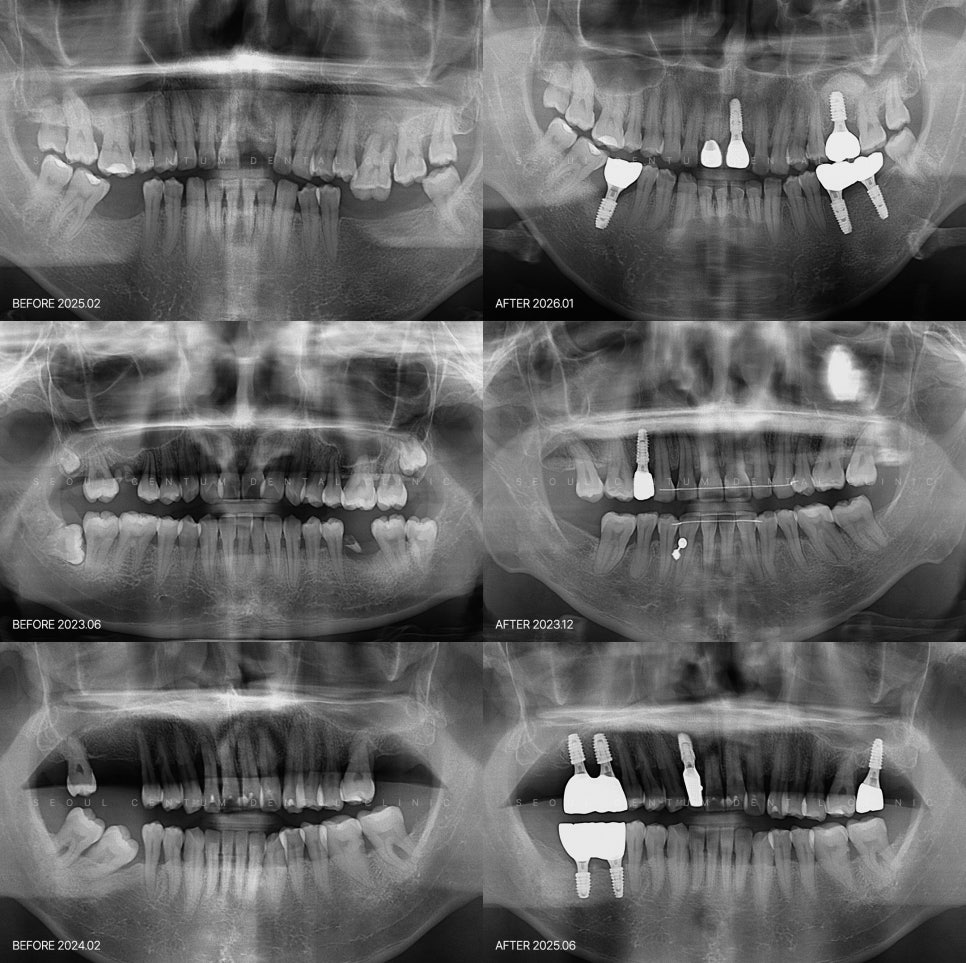
If you carefully check your current health condition
for diabetic implant treatment and proceed with an approach suited to it,
you can continue treatment while reducing the burden, so reduce the time spent worrying any further
and make a more reasonable decision through 충분한 상담.
If jaw pain is making things difficult, deal with it according to the cause!
Also check the story about how long pain lasts after an implant.