Health Insurance Implant Criteria and Cost Summary
Hello, this is Seoul Centum Dental Clinic.
When consulting about implants, there is one question that caregivers of older adults ask most often.
"I heard that senior implant support is available, but when can it actually be used?"
Or,
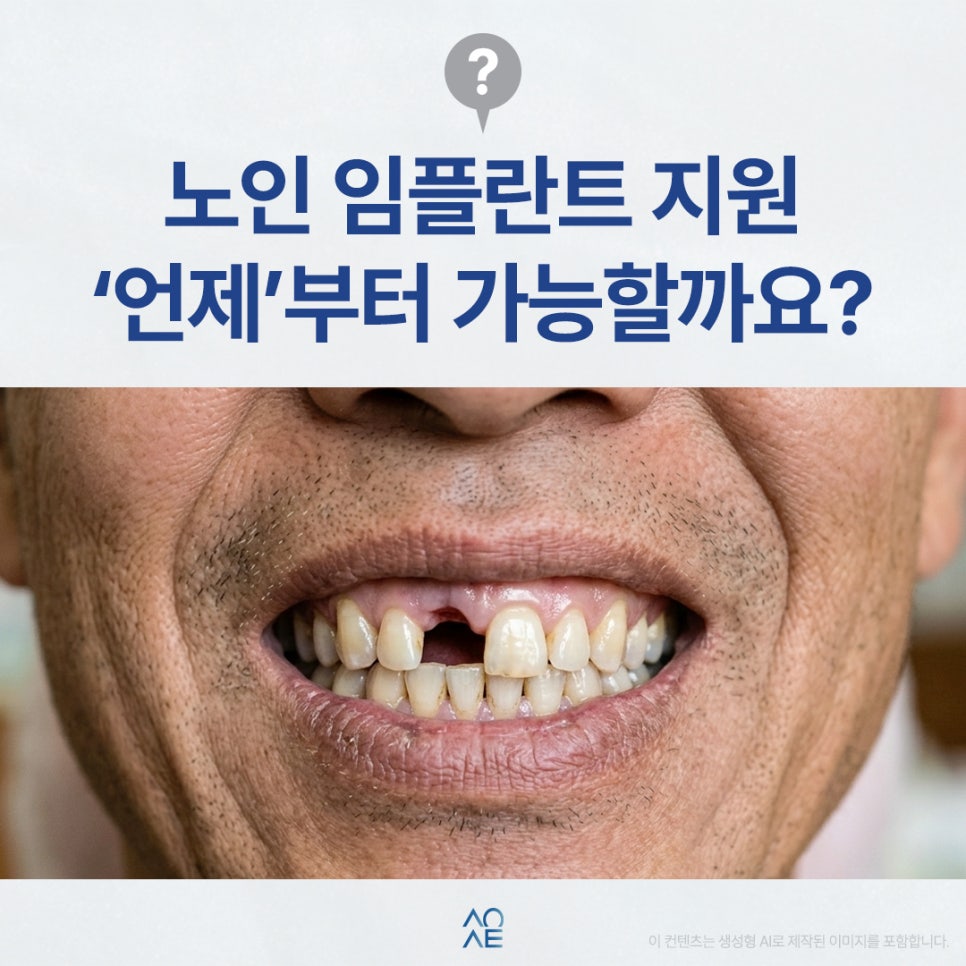
"A health insurance implant is almost free, right?"
Questions like these come up most often.
In this way, many people seek a consultation because they do not know the senior implant system accurately.
Today, I will summarize the support criteria for senior implants, the cost, and the conditions you must know.
Health insurance coverage criteria
In South Korea, if you are 65 or older, you can receive support for implant treatment through health insurance.
However, there are a few conditions.

65 years or older
If some teeth remain
Health insurance coverage applies for up to 2 lifetime implants
In other words, if you are completely edentulous and have no teeth at all, insurance-covered implants are generally difficult to apply.
In such cases, denture treatment may be considered first.
How much is the actual out-of-pocket cost?
Senior implant support does not mean the entire treatment cost becomes free.
When health insurance is applied, the patient’s out-of-pocket cost is about 30%.
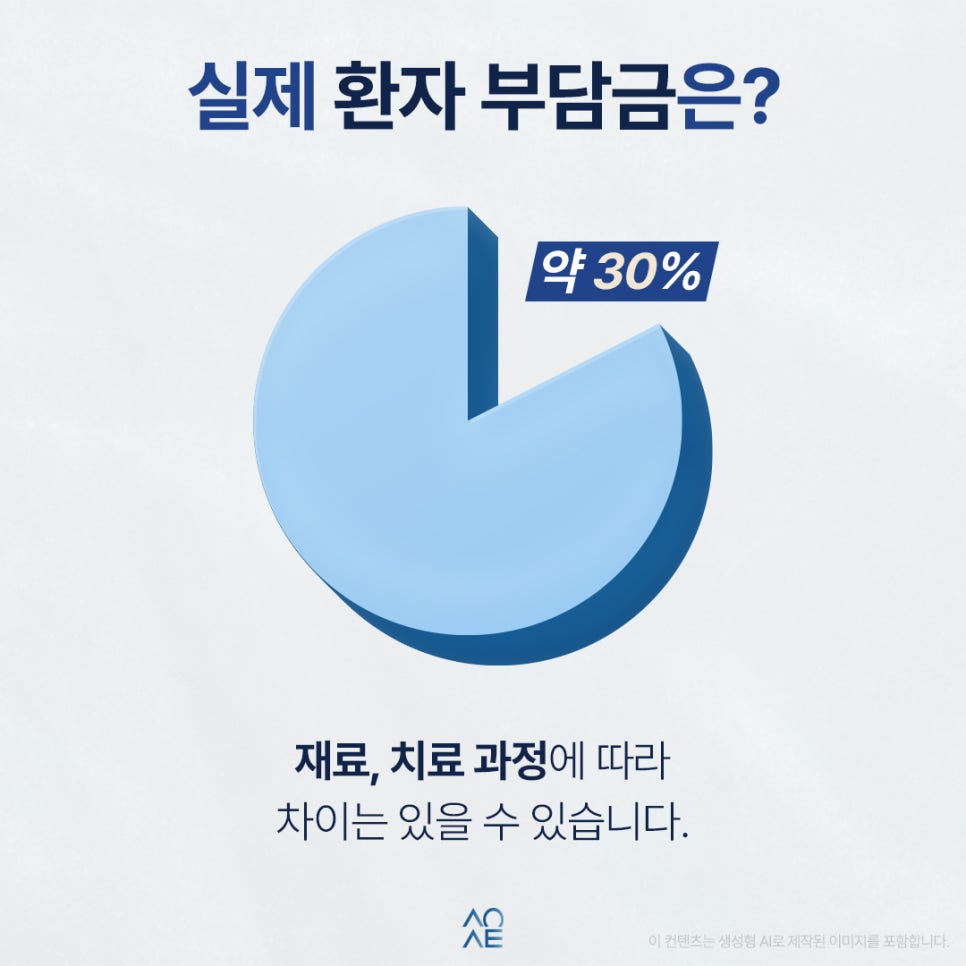
For example, if the implant treatment costs 1 million won, the patient’s share would be about 300,000 won.
However, the cost may vary somewhat depending on the materials used and the treatment process.
Which teeth are eligible?
Insurance implants do not apply to all cases.
They are usually performed in the following cases.
Loss of molars
For the purpose of restoring chewing function
When the gum condition is stable
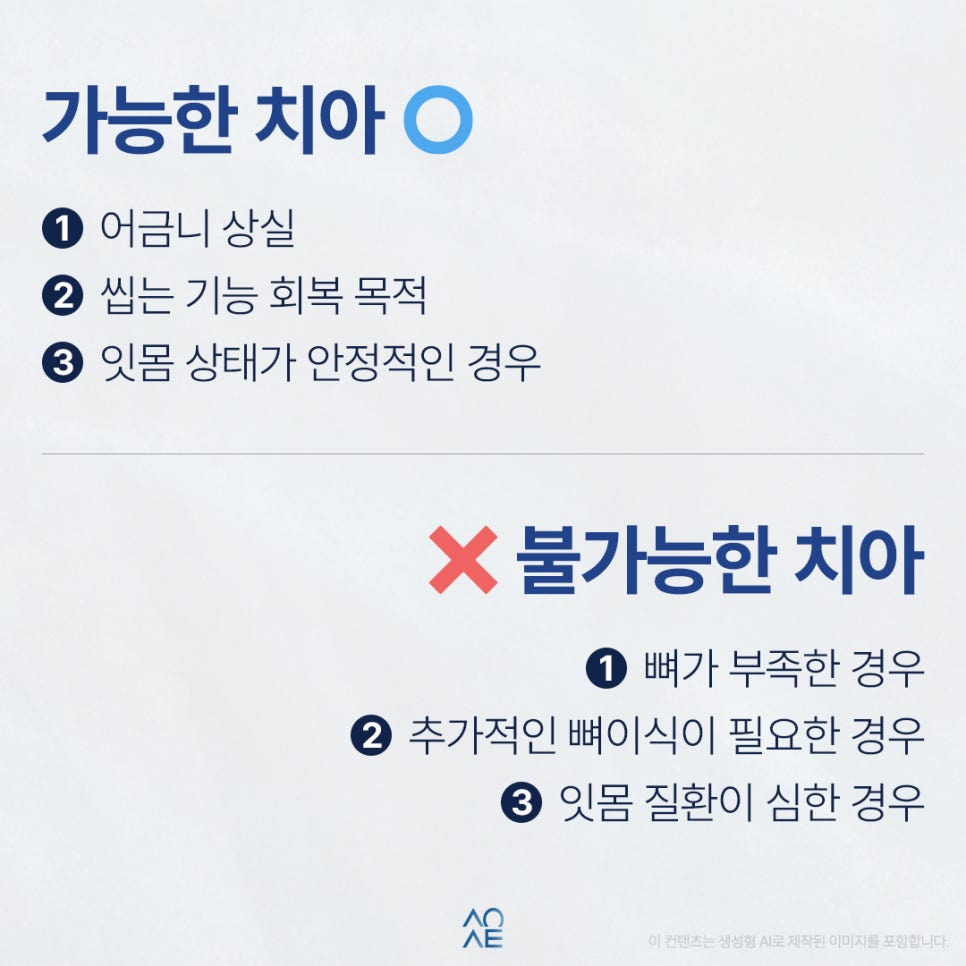
On the other hand,
If there is insufficient bone
If additional bone grafting is needed
If periodontal disease is severe
the treatment plan may differ.
That is why a detailed examination is essential.
3 things to check before treatment
At Seoul Centum Dental Clinic, when consulting about insurance-covered implants, we always check the following three things.
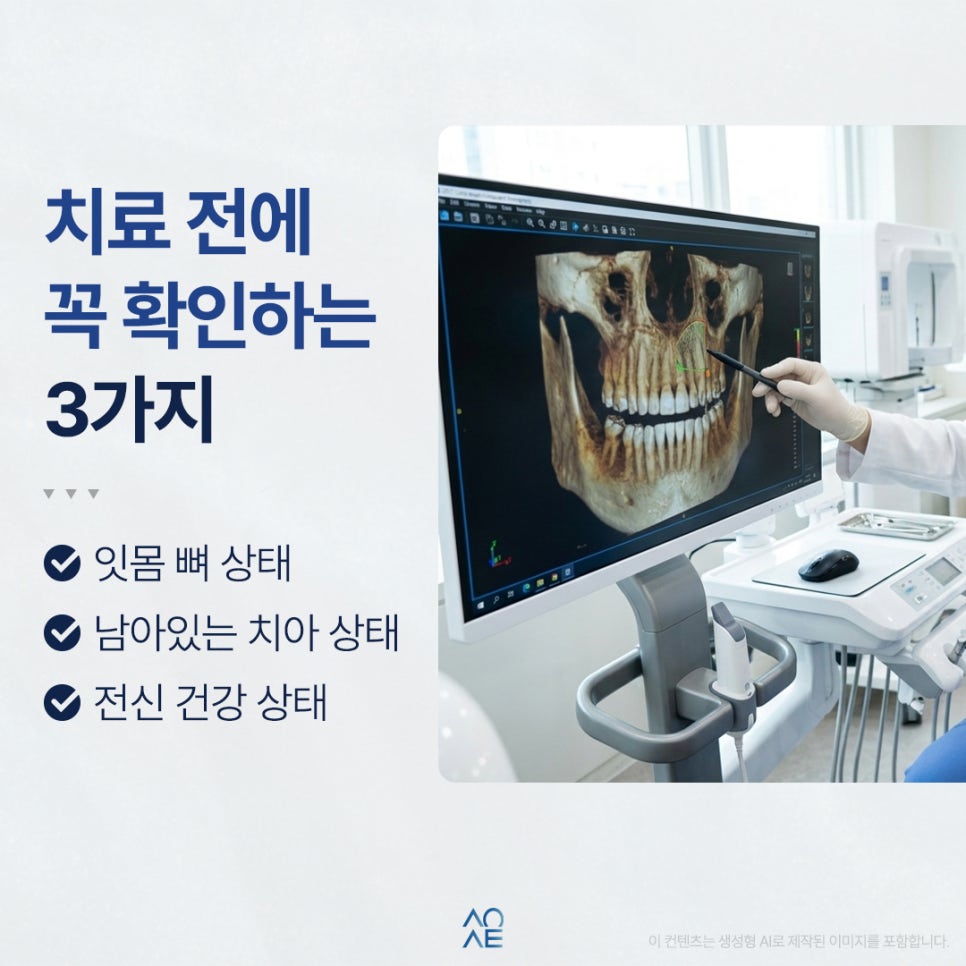
First, the condition of the jawbone
Because implants are placed into bone, we check whether the height and thickness of the bone are sufficient.
Second, the condition of the remaining teeth
If the remaining teeth are weak,
the implant position or treatment plan may change.
Third, overall health condition
Whether you have systemic conditions such as high blood pressure or diabetes can also affect the treatment plan.
Why it is better not to delay
If a missing tooth is left untreated for a long time, the following problems can occur.
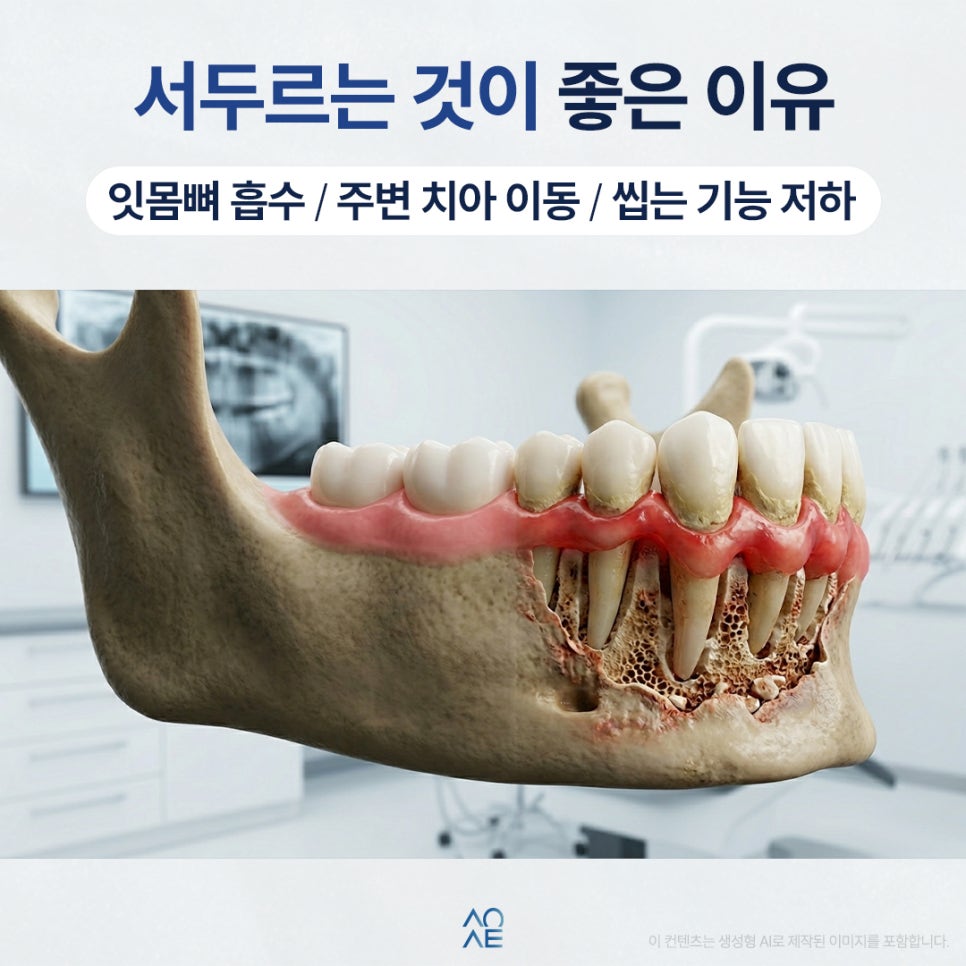
Resorption of the jawbone
Shifting of nearby teeth
Reduced chewing function
In particular, if the jawbone has decreased significantly,
additional bone graft surgery may be needed,
which can make the treatment process more complicated.
So if you have lost a tooth,
it is best to check the condition as soon as possible.
An accurate diagnosis comes first.
The senior implant support system is a good program that reduces the burden of treatment costs.
However, it does not apply the same way in every case, and the treatment method may vary depending on the patient’s gum condition and tooth condition.
At Seoul Centum Dental Clinic, we provide guidance on insurance eligibility and treatment plans through detailed examinations.
If you have been feeling discomfort for a long time after losing a tooth, please check the treatment method that is right for you through an accurate diagnosis.
After scaling, white spots on the teeth?
Considerations regarding implant eligibility