Do you really need bone grafting for implants?
Hello. This is Seoul Centum Dental Clinic.
Among people looking into implants,
this is one of the most frequently asked questions.
"Do I really need bone grafting for my implant?"
"Won't bone grafting make it hurt more?"
In particular, these days many people want to avoid implant bone grafting
because of the cost or the burden of having surgery.
But the important thing is not whether you have to do it
or can skip it,
but whether it is a treatment needed for your current condition.
Today, we will explain the cases where implant bone grafting is needed
and how to care for yourself after surgery,
based on practical criteria.
What Is Implant Bone Grafting?
An implant is not simply a treatment that places an artificial tooth;
it is a process of placing an artificial root into the jawbone.
In other words, the amount and condition of the jawbone
must be sufficient for the implant to be fixed securely.
However, in the following cases,
the amount of bone may be insufficient.
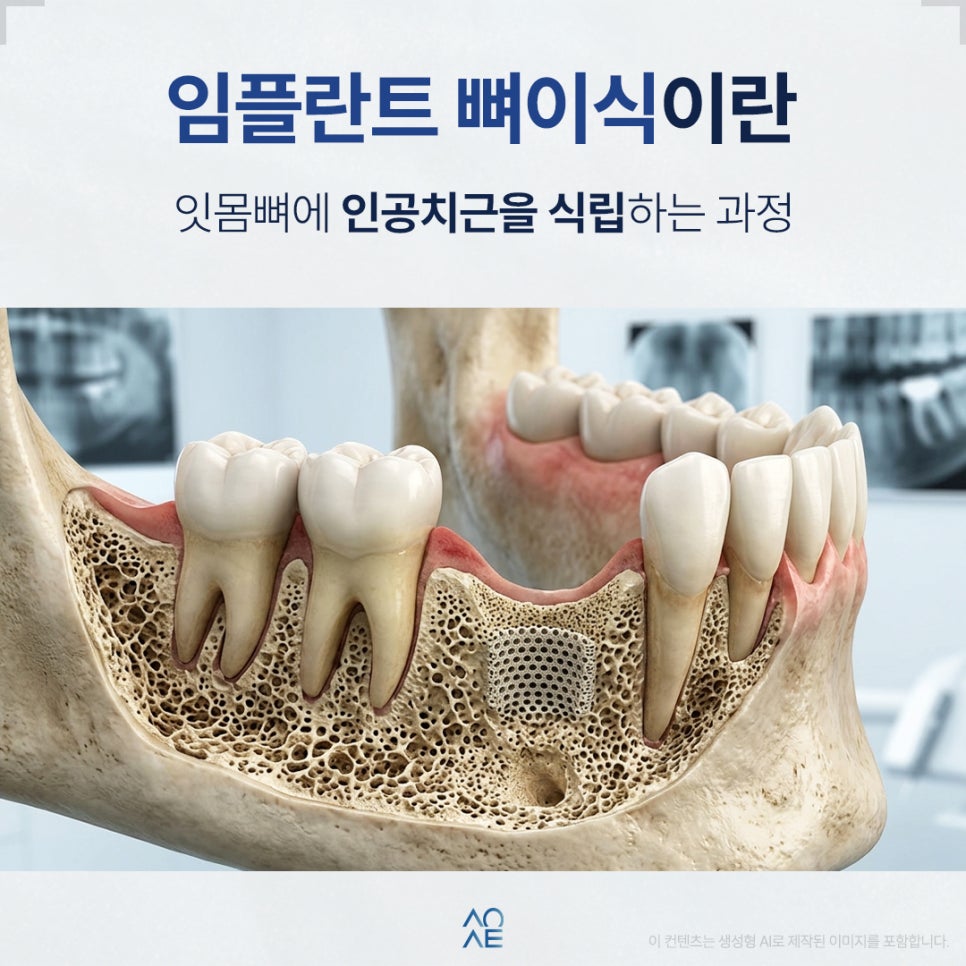
When a tooth has been left untreated for a long time
When the tooth’s bone has been lost due to periodontitis
When a long time has passed after tooth extraction
When the bone is naturally thin
�
The treatment performed in these cases is
implant bone grafting.
Let’s take a closer look below at when it is needed.
When Implant Bone Grafting Is Needed
Not every implant requires bone grafting.
However, in the situations below,
bone grafting is likely to be needed.
First, when a tooth has been left untreated for a long time after extraction
After a tooth is removed and a long time passes,
the jawbone naturally resorbs.
In particular, the molar area is under strong chewing force,
so bone loss progresses more quickly.
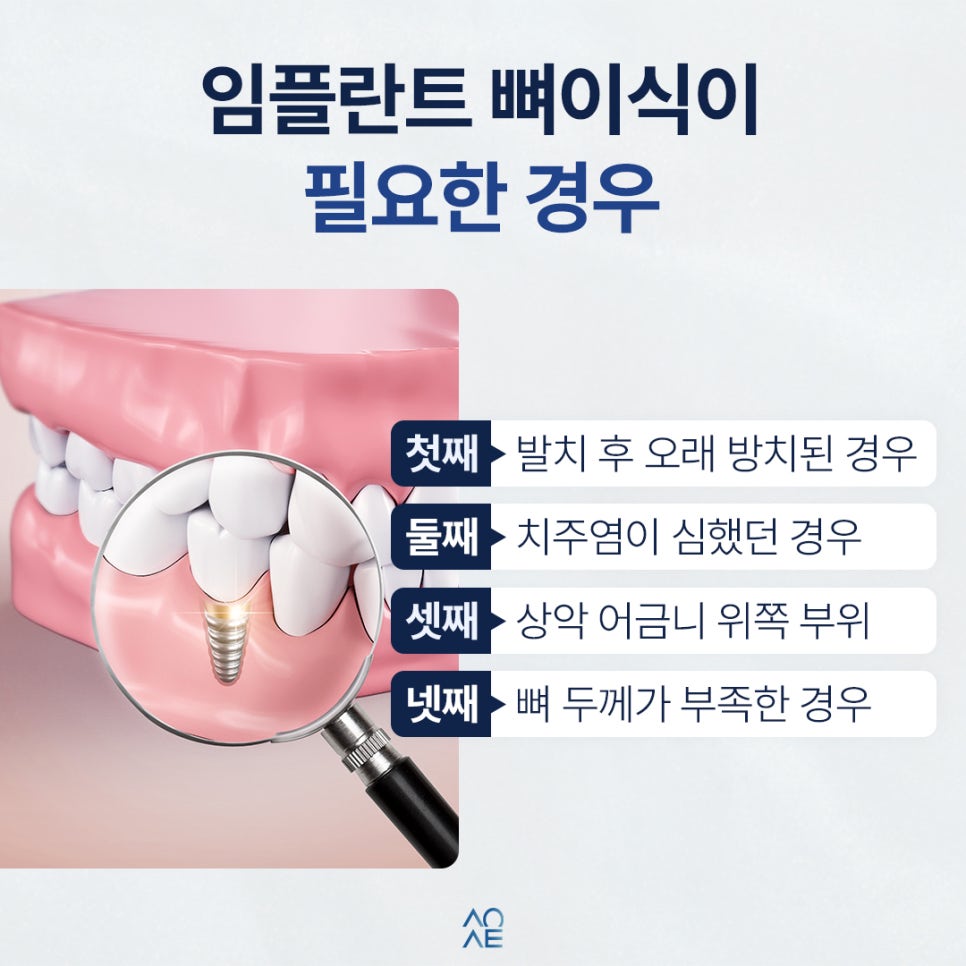
In this case, the implant may not have enough stability,
so bone grafting may be necessary.
Second, when periodontitis was severe
As gum disease progresses,
the bone slowly melts away.
Even if the area looks fine on the surface,
there are many cases where CT scans show insufficient bone.
In such cases, rather than placing only an implant,
bone grafting should be done together
for a stable result.
Third, the upper molar area of the maxilla
In the upper molar area, the bone height is often insufficient
due to the maxillary sinus.
In this case, sinus lift surgery + bone grafting
may be needed.
Fourth, when bone thickness is insufficient
Because an implant must be firmly fixed,
not only the height of the bone but also its thickness is important.
If the bone is thin, placing the implant itself may be difficult,
or the risk of failure may increase.
Criteria for Deciding Whether Implant Bone Grafting Is Truly Needed
Many people ask, "If I just skip it and don't get the implant, will that be a problem?"
To put it simply, if it is a situation where it is deemed necessary,
it must be done.
The reason is clear.

If the implant does not have enough stability,
it may become loose,
and the chance of inflammation increases.
As a result, the implant’s lifespan may be shortened.
Skipping bone grafting may seem like a way to save money at first,
but it is more likely to cause problems in the long run.
An implant is not something to consider only for whether it seems fine right now;
it should be planned with 5 years or 10 years from now in mind.
Is Implant Bone Grafting Very Painful?
Many people worry about the surgery itself.
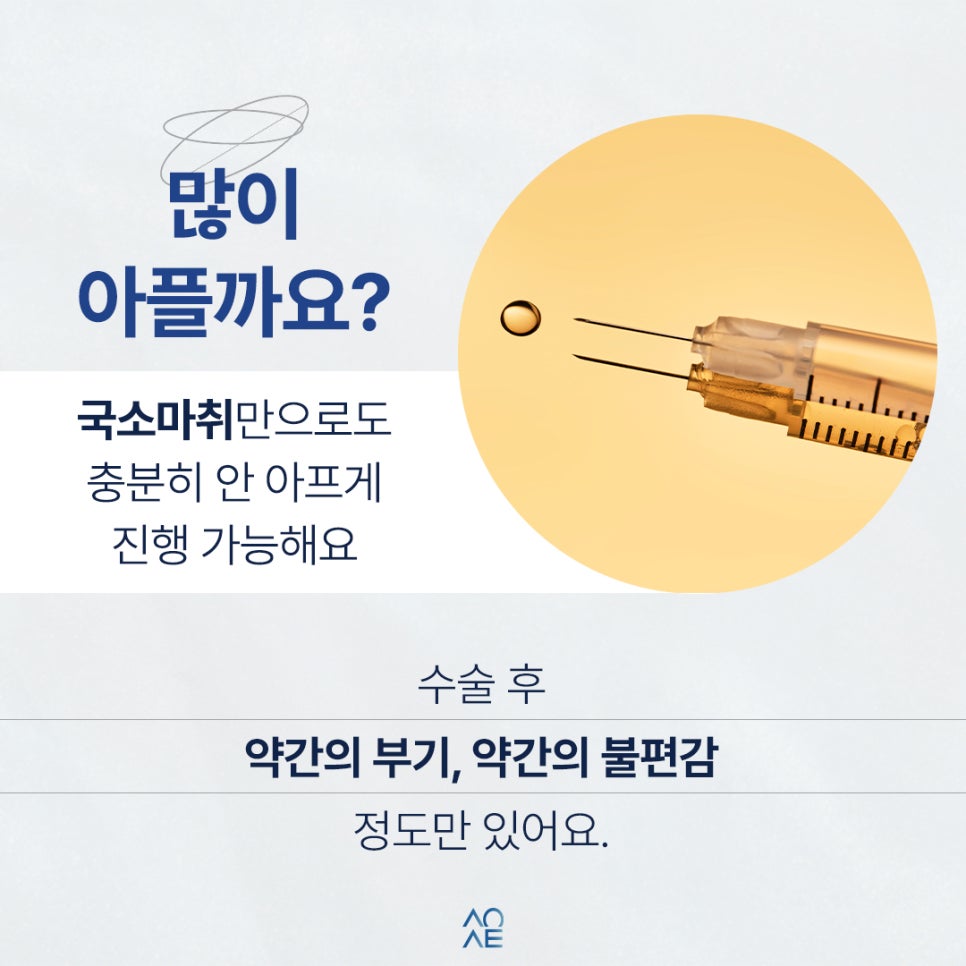
In fact, because local anesthesia is used,
it can be performed without pain,
and there is usually only some swelling and mild discomfort after surgery,
so it is not especially bothersome.
In most cases, the discomfort can be sufficiently controlled with prescribed medication,
so there is no need to worry.
More important than the pain itself is recovery management.
How to Care for Yourself After Implant Bone Grafting
Bone grafting is important in itself,
but more important than the surgery itself is the process of the grafted bone settling in properly.
Let me explain what kind of care is needed.
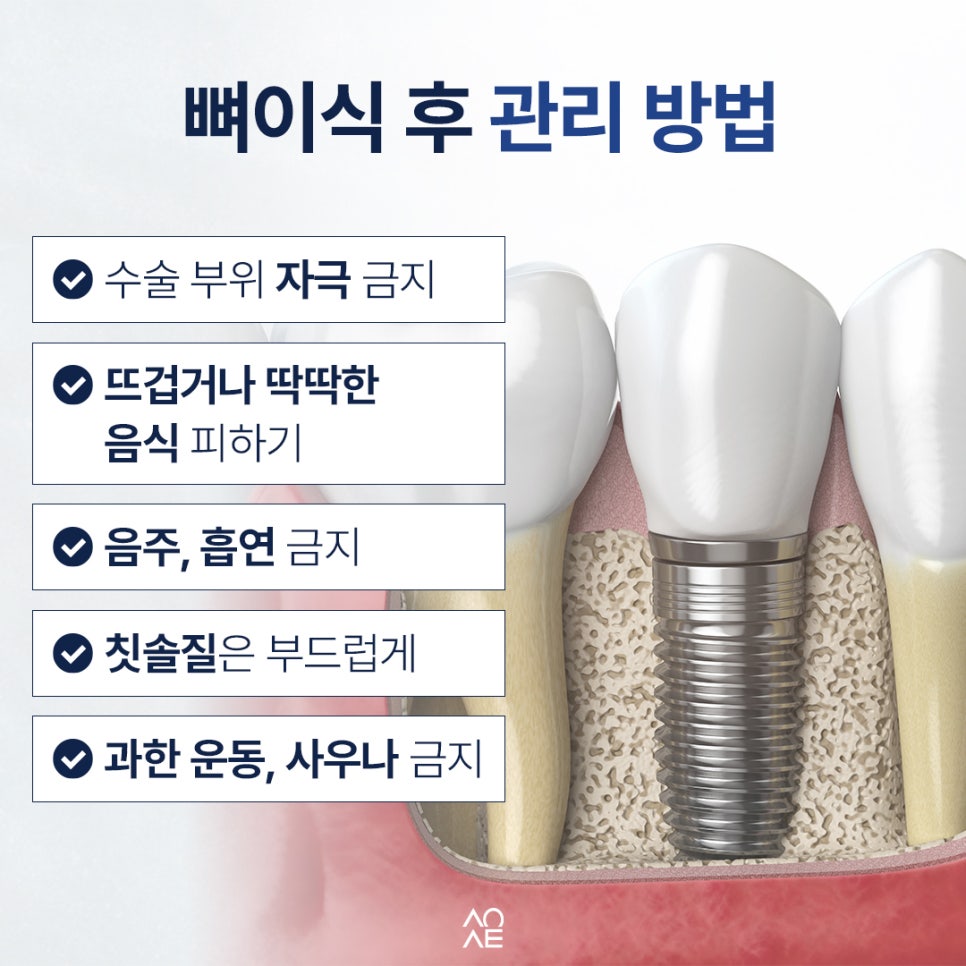
First week after surgery
Do not irritate the surgical area
Avoid hot or hard foods
No drinking or smoking
For oral hygiene,
brush gently
avoid direct irritation to the surgical site
and use the prescribed mouthwash.
Smoking must be avoided,
and strenuous exercise or saunas should also be avoided.
The most important thing is not to skip regular checkups.
These visits are to confirm whether the bone is forming well,
and additional care should be provided if necessary.
The Important Part About Implant Bone Grafting Is Deciding Whether It Is Needed
Implant bone grafting is not simply an additional treatment;
it can be said to be a key process that determines the stability and lifespan of the implant.

It is not necessary in every case,
but if it is omitted when needed,
it may instead lead to retreatment.
Therefore, the important thing is not
"always do it"
or "never do it,"
but determining whether it is truly necessary through an accurate diagnosis.
An implant is not simply a treatment to fill in a missing tooth;
it is a treatment for long-term oral health.
Whether implant bone grafting is needed,
and how it should be performed,
depends on the individual’s condition,
so an accurate diagnosis and consultation are more important than anything else.

If you are considering an implant,
rather than focusing only on cost or method,
it is best to decide carefully based on whether it is the right treatment for your condition.
Implant periodontitis adjacent area necessity?
Is implant sedation anesthesia really safe?