Even with the same implant treatment,
some people are told that "bone grafting is necessary,"
while others are told that "it can be done without it."
The question people ask most often during consultations is

"If I get an implant without bone grafting,
will there be problems later on?"
This is not simply a matter of whether it can or cannot be done.
It is something that changes completely depending on
the current condition of the jawbone.
Are there cases where an implant can be done without bone grafting?
An implant is a treatment that must be firmly fixed
in the jawbone.
So cases where bone grafting is not needed
usually include the following.

When the height and thickness of the jawbone are sufficient
When it has not been long since the tooth was extracted
When the bone has not been significantly damaged by inflammation
In cases like these, implant placement is possible
without necessarily performing bone grafting.
In actual clinical cases,
cases in which treatment can proceed without bone grafting
are not uncommon.
But why are you often advised to get bone grafting when you visit a dental clinic?
The biggest issue is that the gum tissue you can see
and the actual condition of your bone are different.
In particular, in the situations below,
if treatment is performed without bone grafting, the likelihood of problems
increases.
When the bone has been greatly lost due to periodontitis
When a long period of time has passed after tooth extraction
When the bone thickness at the implant placement site is insufficient

If an implant is placed without bone grafting at this time,
the fixation strength may be insufficient,
and over the long term it may lead to loosening
or failure.
What situations do patients actually experience often?
In consultations, cases like this come up.
"Another dental clinic said I needed bone grafting,
but here they said I didn't need it, so I just went ahead with it."
At first, there may seem to be no problem.

But as time passes,
discomfort when chewing, gum swelling,
and inflammation around the implant
may appear.
Of course, not every case is like this,
but there can be differences in early stability and
long-term implant retention.
In the end, other differences can arise.
For implants, what matters more is later on than right now.
Implant treatment is not just about placing it;
what matters is how long it can be maintained.
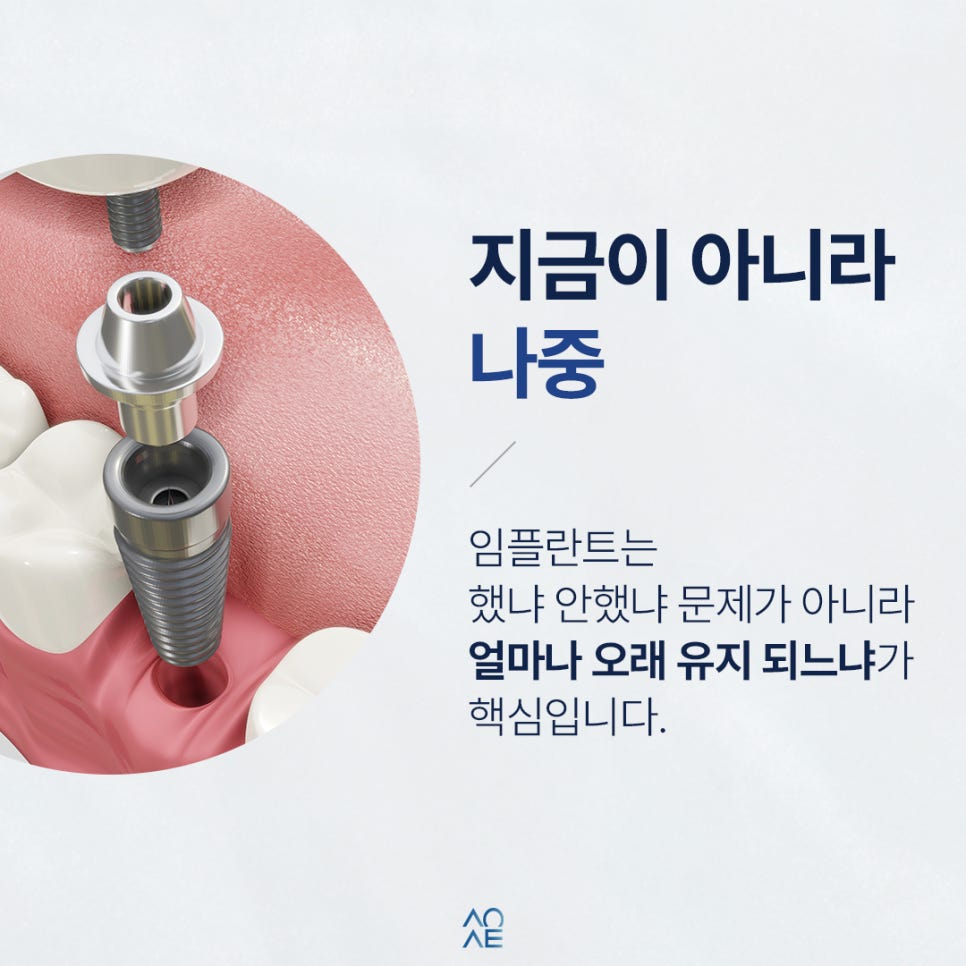
So it is not always better to do bone grafting,
and not doing bone grafting does not necessarily mean
making a bad choice.
The most important thing is whether the choice was made
based on the current condition of the bone.
How is the need for bone grafting determined?
According to the implant treatment guidelines of the Korean Academy of Prosthodontics,
this is not something that can be judged simply by looking,
and the height and thickness of the bone must be
accurately checked through 3D CT imaging.
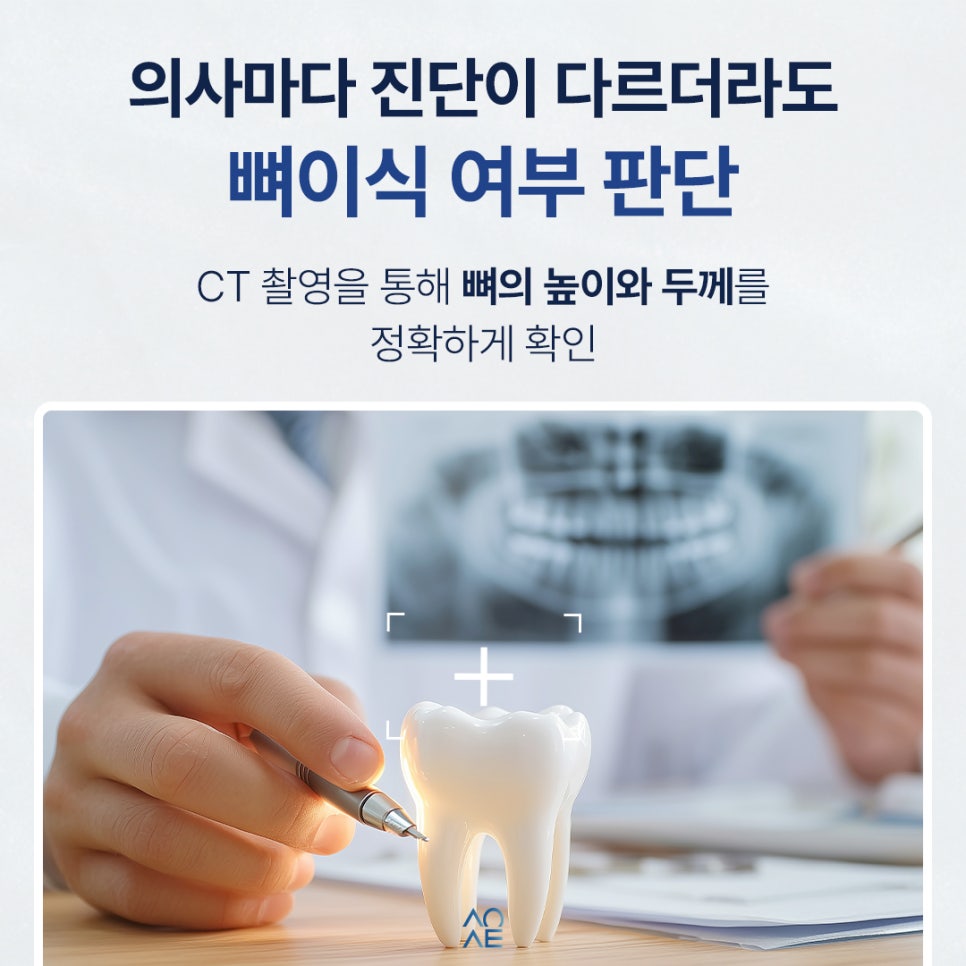
In particular, since factors such as the position of the nerve,
the distance to the maxillary sinus, and bone density
must also be considered,
this is an area where experience and diagnosis are important.
If any of the following apply, you should definitely have it checked.
If you are considering whether it can be done without bone grafting
If you already had an implant but are feeling discomfort
If you lost a tooth due to periodontitis

In cases like these, it is necessary to make a judgment
based not on a simple consultation,
but on accurate examination results.
The answer to whether problems occur after getting an implant without bone grafting
is most accurately: it depends on the case.
However, one thing that can be said clearly is that if treatment proceeds
while ignoring the condition of the bone,
it may lead to long-term problems.
Rather than vague anxiety, it is important to check the current situation and establish the right treatment plan.
3 treatment options and costs when a front tooth breaks
Do you definitely need root canal treatment after wisdom tooth extraction at a dental clinic? Crown?