Can you make money by selling gold crowns?
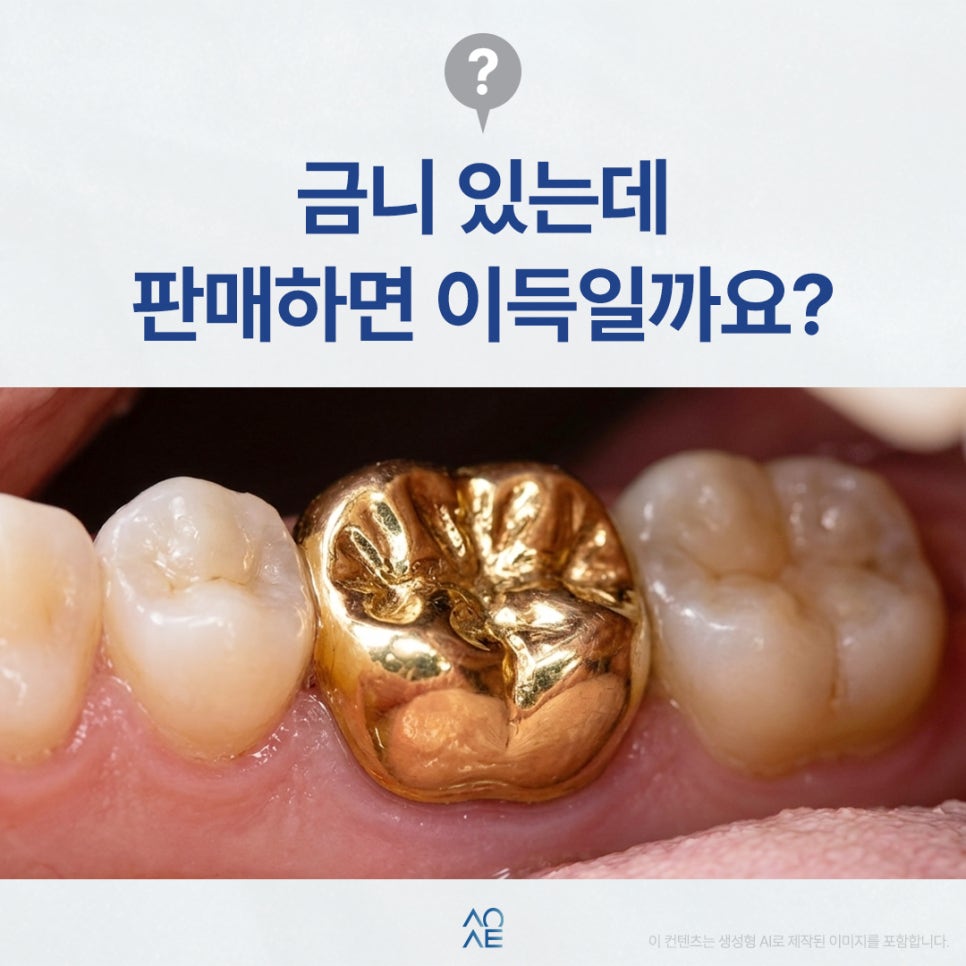
In the past, when treating cavities,
choosing gold was quite common.
This was because it had the advantages of
excellent durability and long-term use.
But perhaps because gold prices have recently risen,
many people have been thinking,
'Wouldn't it be profitable to remove a gold crown and sell it?'
There are also many cases where gold crowns removed at a dental clinic
are sold to buying companies.
However, the key point here is that the amount received is often
less than expected.
Why is that?
If only part is gold-colored, it is likely an inlay.
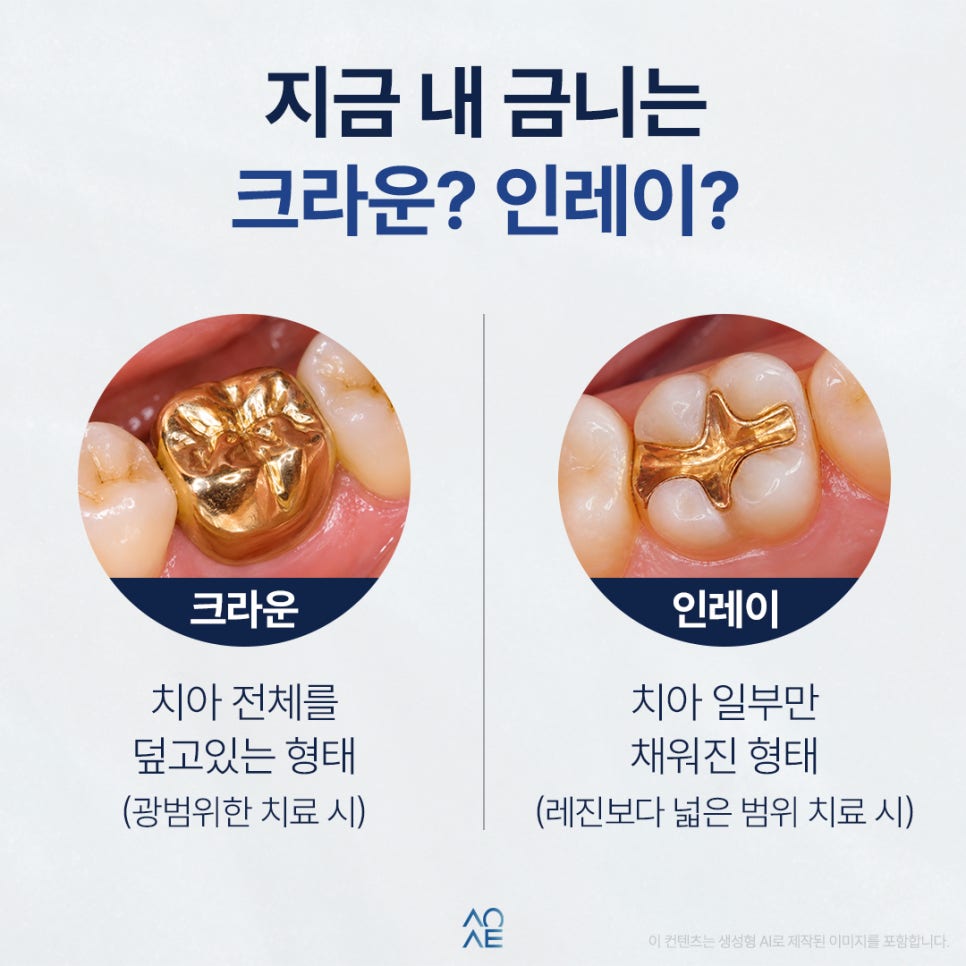
Not all gold crowns
cover the entire tooth.
If only the middle part of the tooth is filled with gold,
it is likely an inlay.
This can be confusing, but
a crown is a treatment that covers the entire tooth,
while an inlay is a method that treats only
the part damaged by decay.
When looking into the market price for selling gold crowns,
you need to know this difference.
The amount of gold used varies depending on the type of treatment,
and it also affects the actual purchase price.
Why the market price for selling gold crowns is not that high
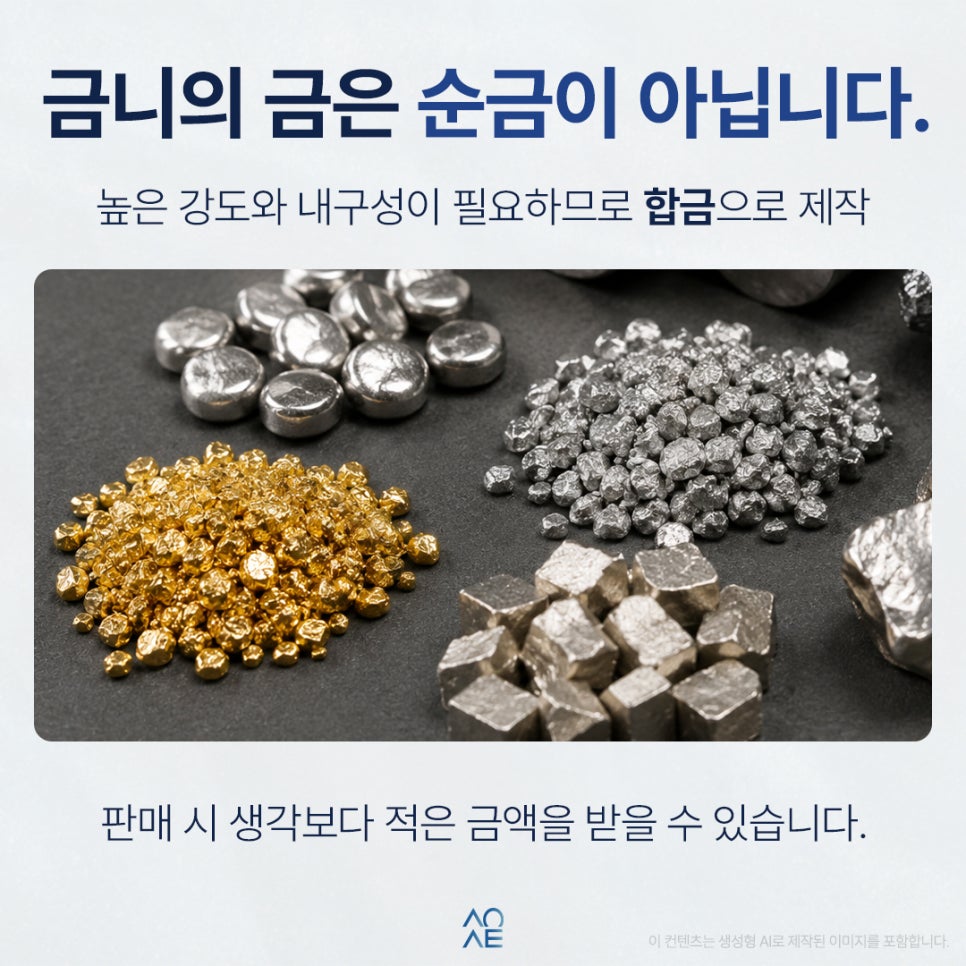
You may think of gold crowns as pure gold, but
dental gold is mostly made using alloys mixed with
a variety of metals.
To remain in the mouth for a long time,
high strength and durability are needed,
so metals such as palladium, copper, and silver
are included in addition to gold.
The pure gold content varies depending on whether it is a crown or an inlay,
but it is usually around 40–70%.
Inlays tend to have a relatively high pure gold content,
but because they are small and weigh around 1 g,
the market price often only reaches the level of a few tens of thousands of won.
The real problem is that you need to treat it again after removal

If you want to sell it, you would need to remove
the prosthetic attached to the tooth, right?
At that point, the problem arises that the area has to be treated again.
The spot where the prosthetic came off cannot be left as is,
because the tooth has been trimmed or there is still a filling space left.
If the area is small, you may consider filling it with resin,
but if the existing gold inlay area is large,
it may be difficult for resin alone to hold up.
In that case, you may need to remake the inlay,
or the treatment may even have to continue to a crown.
Please keep in mind that the treatment cost can be
much higher than the selling price.
A wide inlay = it may be difficult to finish with resin

If you have a gold inlay, replacing it with resin
may not be a very good choice.
Resin has the advantages of being similar in color to teeth
and relatively simple to perform,
but if it is placed on a large area or on a molar where chewing force is strong,
the risk of it falling out can increase.
If a large amount of tooth structure has already been removed,
there is also a possibility that the structure will be too weak for resin to hold.
In such cases, you may be advised to get a crown,
which increases the amount of tooth reduction and the cost.
The tooth itself is more important than the gold price!

Even if gold prices have risen,
carelessly altering a healthy tooth can actually lead to a loss.
As mentioned earlier, the market price for selling gold crowns is lower than expected,
but the follow-up treatment costs are often higher.
Once a tooth has a problem,
it is difficult to return it to its original state,
so rather than focusing on immediate profit,
I hope you will prioritize keeping your current teeth stable.
What you should definitely check if you are considering removal

Still, if you want to remove the gold crown,
first check the condition of the prosthetic and
the tooth structure at the dental clinic.
For example, whether the prosthetic is loose,
whether secondary decay has developed underneath,
and whether there are gaps around the inlay.
Whether resin is possible after removal,
whether the inlay needs to be redone,
or whether a crown must also be considered
can completely change the cost calculation.
Selling itself is possible, but
in many cases the profit is smaller than expected,
and after removal, new treatment may be needed,
which can increase the financial burden.
In particular, I would also like to let you know that
prosthetics that are being used without problems are
often better left as they are.

Rather than asking how much you can get,
it is more important to check whether it is a situation where you should even touch the tooth,
and I hope you make an appropriate decision.
Front tooth resin bend occurred
Should it be redone or left alone for now?
Is it okay not to do bone grafting for an implant?