I chipped a tooth while brushing, and I want to know whether it’s okay.
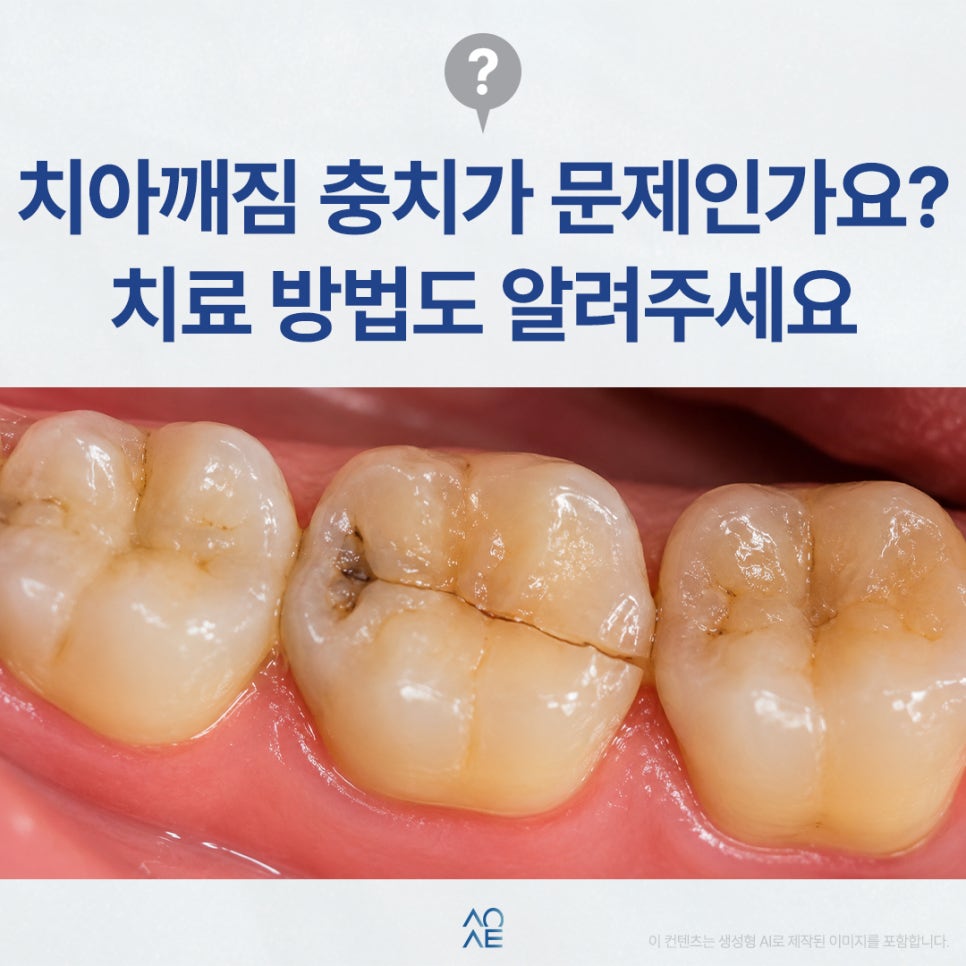
A situation where part of a tooth suddenly chips while brushing
can happen more often than you might think.
Even if it looked fine on the outside,
if a cavity was already progressing inside,
the tooth may already have been weakened.
In some cases, it starts on the inner surface rather than the outer surface,
so it is often difficult to judge the exact condition.
A chipped tooth can be a sign that its strength has decreased,
so even if there is no pain,
it is better to have it checked quickly.
If it looks black, is it likely a cavity?
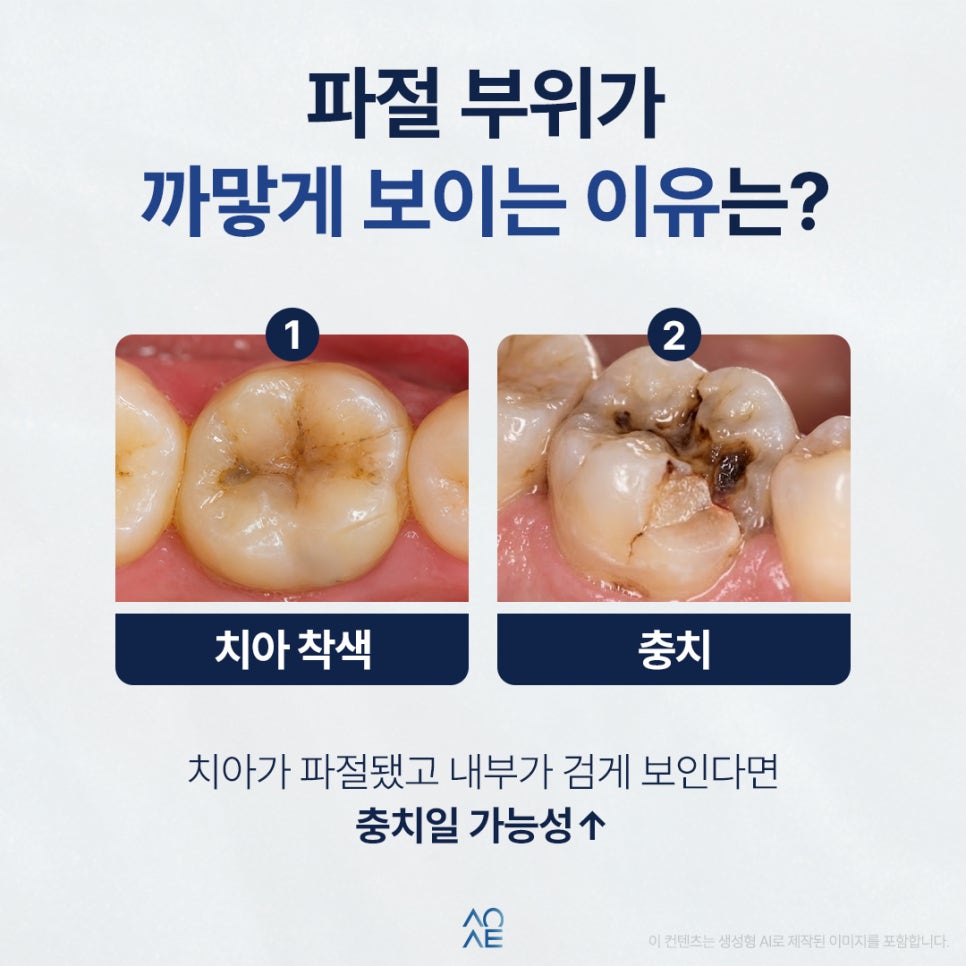
If the inside of the chipped area looks black,
you should consider the possibility of a cavity
rather than simple staining.
If it is only a matter of food pigments staining the tooth surface,
it may not be a major problem,
but if the tooth has actually fractured and the inside looks dark,
it is likely to be a problem caused by cavity bacteria.
In particular, if part of the tooth came off even though only a weak force was applied while brushing,
the problem may already have worsened inside.
However, it may be deeper than what is visible to the eye,
so a detailed check with a precise examination is necessary.
I’m wondering what treatment methods are available.
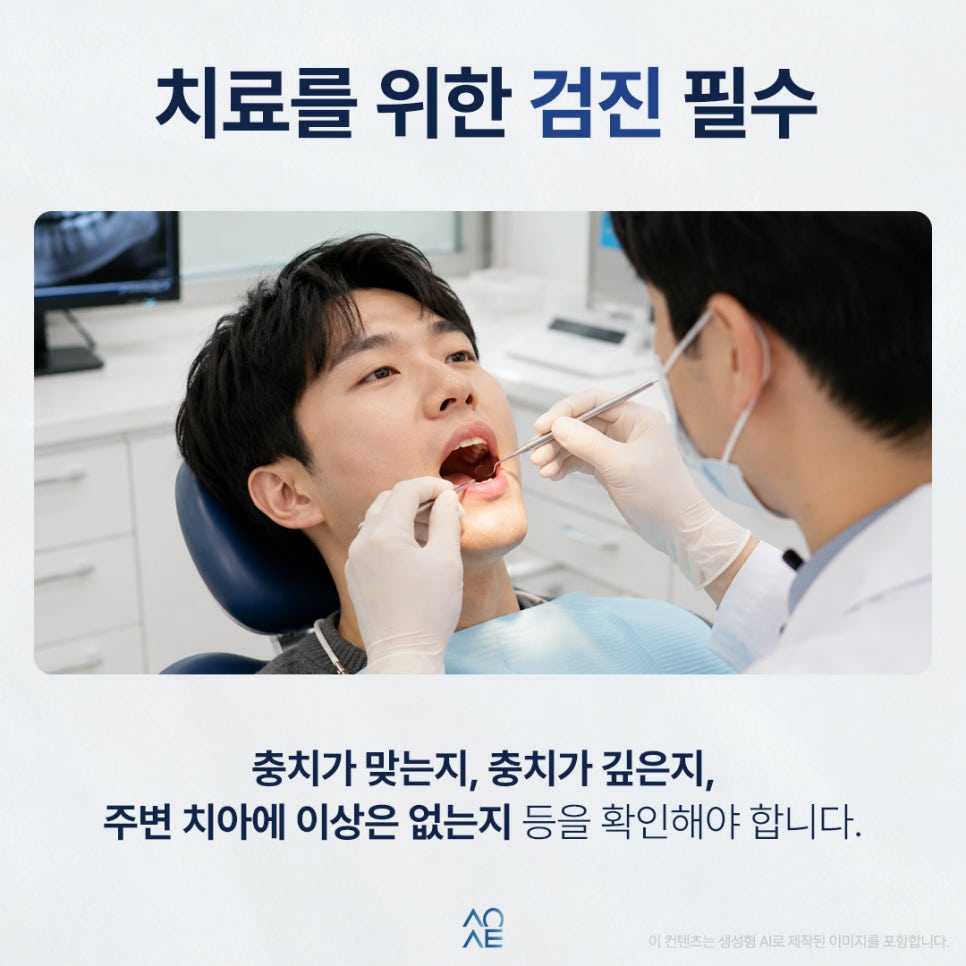
The direction of treatment varies depending on the extent and condition of the cavity.
In dental clinics, an X-ray is usually taken first
to check whether it has progressed close to the nerve,
whether there are any other abnormalities,
and so on.
If the area is shallow and the chipped part is small,
it can be finished with composite resin,
but if the area is wide and the loss is significant,
an onlay, inlay, or crown may be needed.
I hope it can be finished with resin if possible.
If the cavity range is relatively small
and enough of the tooth remains,
a resin filling can be chosen first.
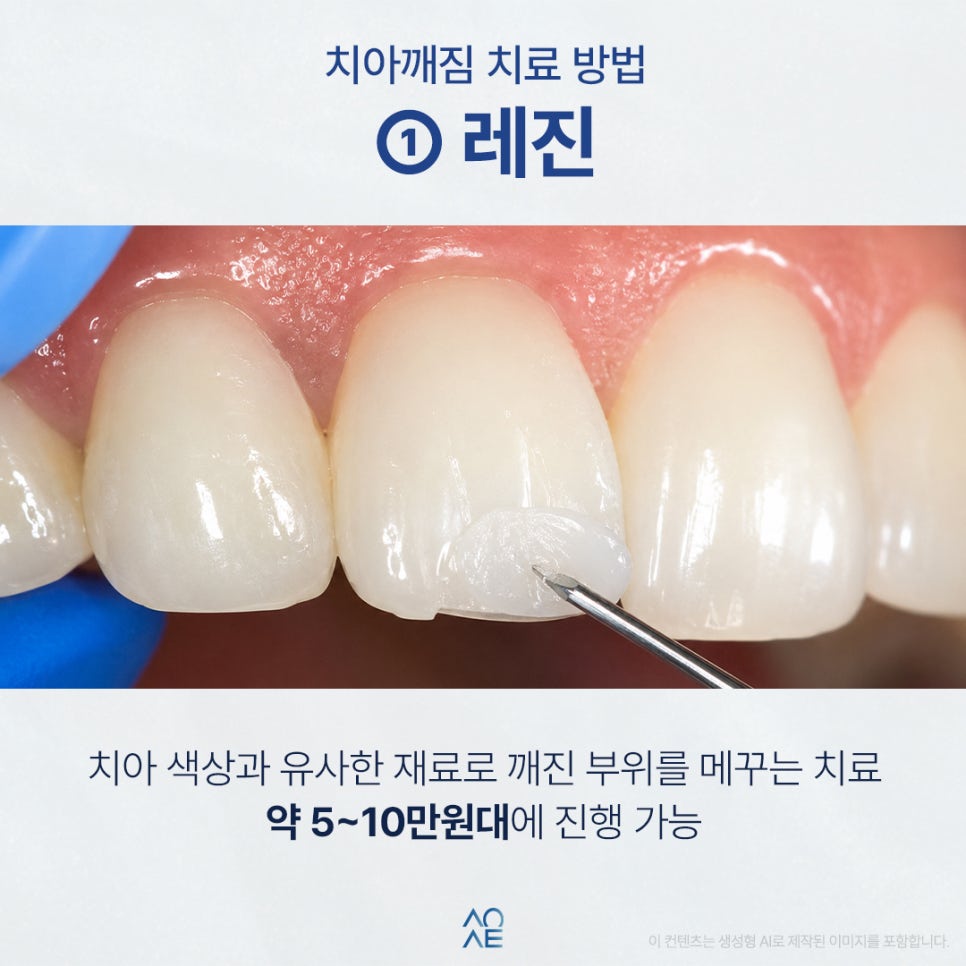
It is a method of restoring the damaged area
using a material similar to the tooth color.
It removes less tooth structure and is completed quickly.
The cost is usually around 50,000 to 100,000 won,
so students tend to feel the least burden with this option.
If the fracture area is wide
or the molar area receives a lot of chewing force,
it may be difficult for resin alone to last long,
so it should not be considered suitable in every case.
If the area is wide, what treatment is needed?
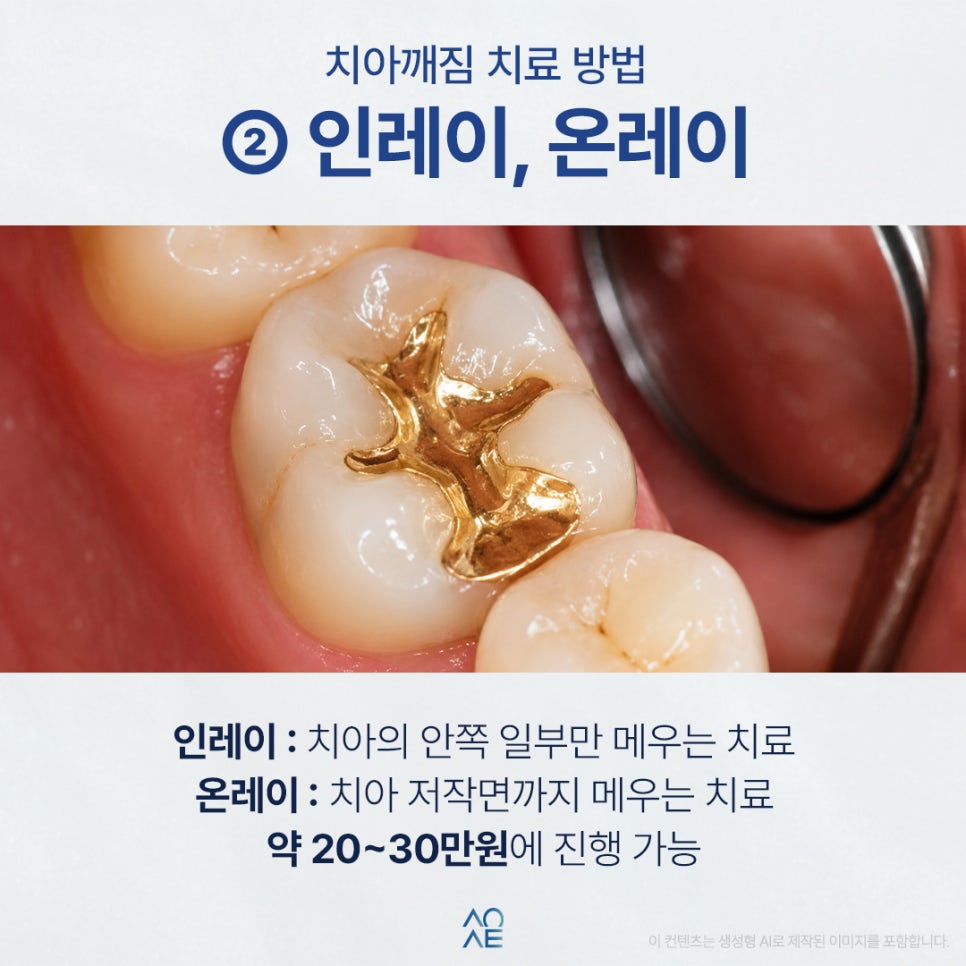
If the damage is more severe
or the fracture is relatively large,
an inlay, onlay, or crown can be considered.
Inlays and onlays
are methods of filling the damaged part with a prosthetic restoration.
They differ depending on the extent,
and they take longer than resin.
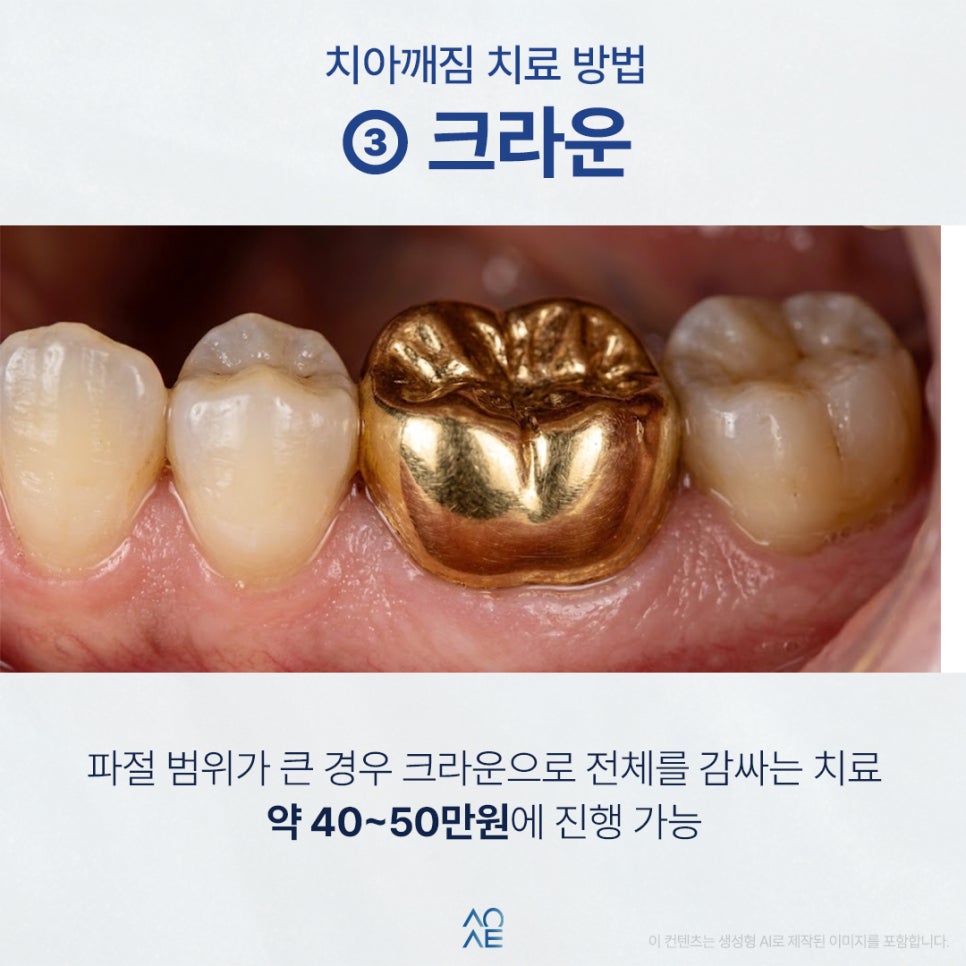
A crown covers the entire tooth
to protect it, and it takes the longest.
If the problem has progressed close to the nerve,
root canal treatment may be followed by a crown.
The reason the cost of chipped-tooth treatment also rises
is because cases like this can occur.
The cost is usually in the 200,000 to 300,000 won range for inlays and onlays,
and crowns are usually around 400,000 to 500,000 won.
Depending on the material used or the treatment method,
the cost may vary.
It can feel burdensome,
but if the tooth structure has become significantly weakened,
it may be more stable in the long term.
I’m a student, so I’m really worried about overtreatment.
If you are a student patient,
you may worry even more than adults
that the clinic might recommend an expensive option for no reason.
At this point, the important standard
is how much damage the tooth has.

If the damage is small,
but you are recommended only a crown without enough explanation,
it may be good to get another opinion elsewhere.
In other words, there is no need to decide in a hurry.
On the other hand, if the tooth condition is already very poor
or the problem has progressed close to the nerve,
it may be difficult to choose resin.
Remember that what matters is whether there is enough explanation about the current condition,
rather than the type of treatment itself.
I need to do something, but what if the cost is a burden?
When you visit the dentist,
it may help to say in advance,
“I’m a student, so the cost of chipped-tooth treatment is a burden,
so I’d like to have the most conservative treatment possible.”
In fact, based on the patient’s situation,
there are many cases where the dentist explains separately
the treatments that are immediately necessary
and those that can be considered later.
The cost of chipped-tooth treatment varies greatly depending on the depth of the cavity
and how much tooth remains.
Rather than judging based only on the amounts found online
and stating the treatment you want outright,
it is better to get examined, confirm the condition,
and hear about the appropriate options.
If you leave the chipped tooth as it is,
there is a possibility of additional fracture.
If the condition has progressed to a cavity,
as time passes the scope of treatment can grow larger,
and the financial burden can increase.
Trying to put off the problem can lead to a situation
where it only gets bigger.

At this stage, an accurate diagnosis is the most important thing,
and if the appropriate treatment is carried out based on the results,
stable preservation will be achieved.
Can 8 implants be done at once for someone in their 50s?
If you get a partial denture for a molar, do you need a crown?