"Please use the cheapest option."
In fact, this is also one of the things we hear most often
when providing dental treatment.
It was something a patient who visited the dentist
for cervical abrasion said.

Cervical abrasion is a condition
that more people experience than you might think.
It can be said to be fairly common.
Why does cervical abrasion happen?
Cervical abrasion is actually
a very common condition.
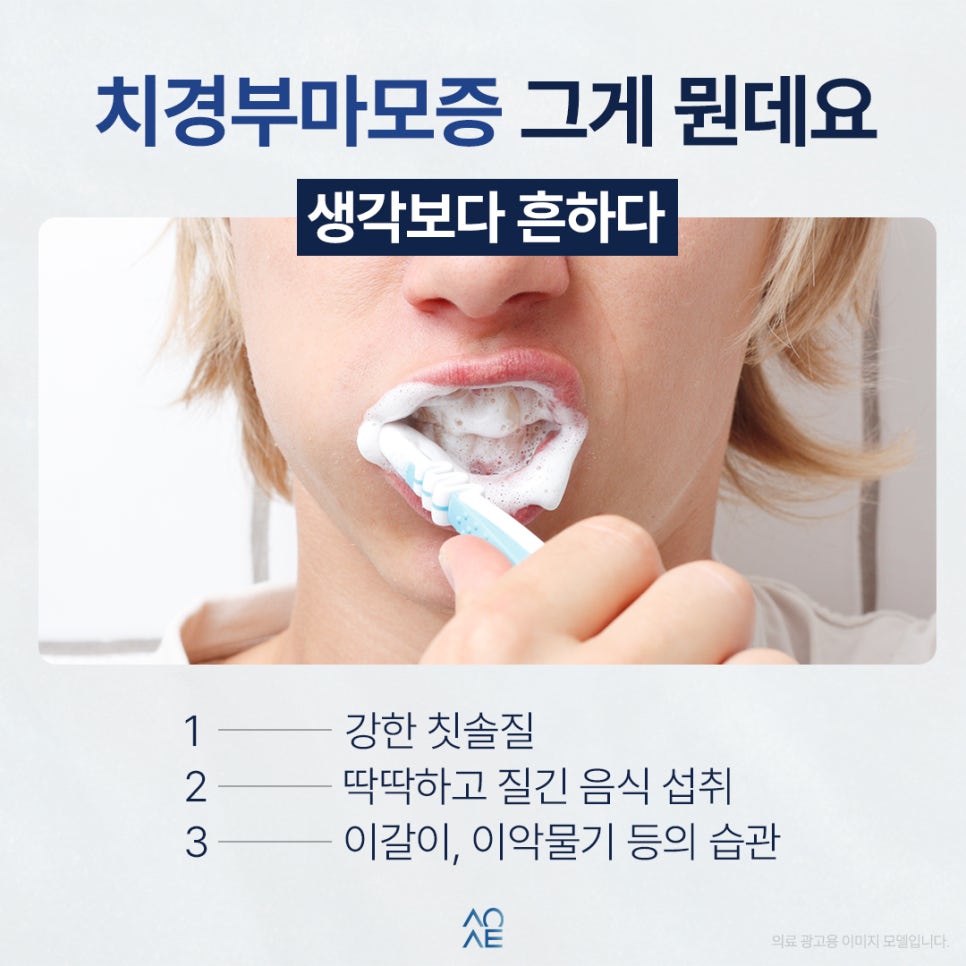
It is often caused by brushing the teeth too forcefully,
enjoying hard or chewy foods,
teeth grinding, or clenching the teeth.
Some people ask whether it is because
they did not brush their teeth well as children,
but it is difficult to view this as the cause of the problem.
What is used for treatment?
The questions I am asked most often
are about the treatment material and its cost.
GI is covered by insurance,
so its cost is relatively affordable.
Usually, the treatment cost is around
10,000–30,000 won per tooth.
On the other hand, resin treatment is not covered by insurance,
so the cost often increases to at least
50,000–100,000 won per tooth.
However, when choosing dental treatment,
you should not base your decision solely
on whether it is cheap or expensive.
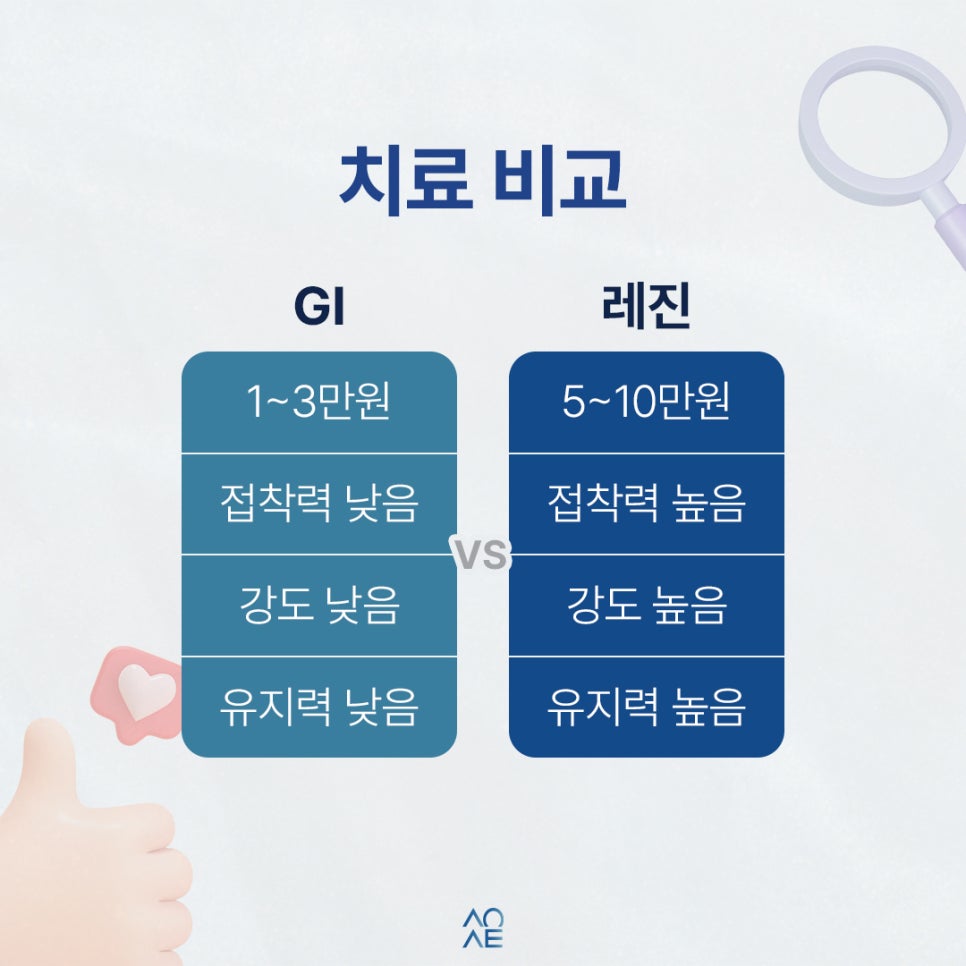
Resin has better adhesion than GI
and is also much more advantageous
in terms of strength and durability,
so it is relatively less likely to come off.
It also tends to look natural
when the finished tooth is viewed,
without appearing noticeably different from the actual tooth.
GI, on the other hand, has the advantage
of being covered by insurance,
but it is relatively more likely to wear down
or come off, so its durability
is not as good as resin's.
That is why, in practice, when someone I know
visits the dentist, I recommend resin more often.
This is because choosing the cheaper option for now
may require another visit to the dentist
or additional expenses,
which can sometimes result in the total cost
actually exceeding the original cost.
When looking at actual clinical cases
among patients who visit the dentist,
I recommend resin more often
when the abrasion is deep and extensive,
when sensitivity is severe,
or when the patient wants the treatment
to last for a long time.
Since many people also know that resin is not recommended
simply because of its cost,
I make a point of explaining this carefully.
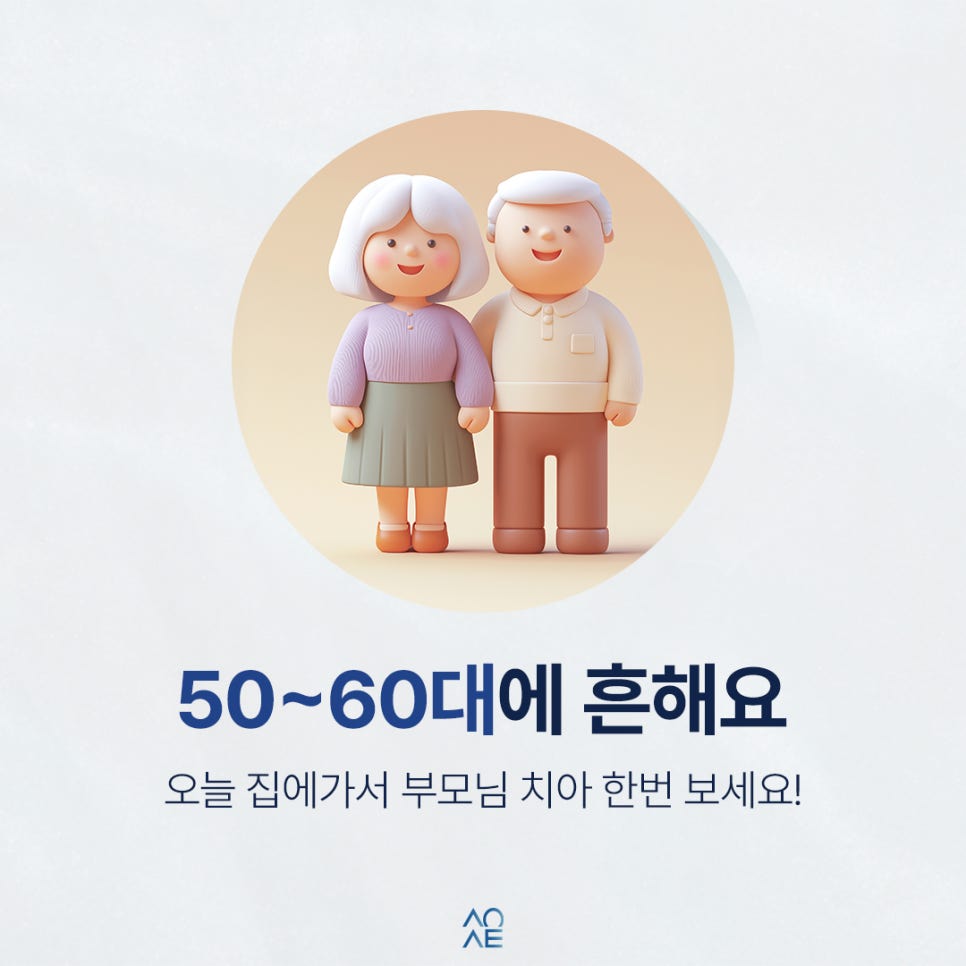
Cervical abrasion is actually
a very common condition among people in their 50s and 60s.
When you get home today,
it might be a good idea to take a look at your parents' teeth
to see whether they have any problems.
Have you developed tooth sensitivity and are worried
that your teeth might be cracked?
Medication does not solve everything.