I’m hesitating over whether to undergo orthodontic treatment because of the mini-screws.
When looking for reviews or related information about overbite correction,
it’s common to come across many accounts of people who had mini-screws placed.
For those who are sensitive to pain or have a strong fear of dental treatment itself,
mini-screws may feel even more burdensome than orthodontic appliances.
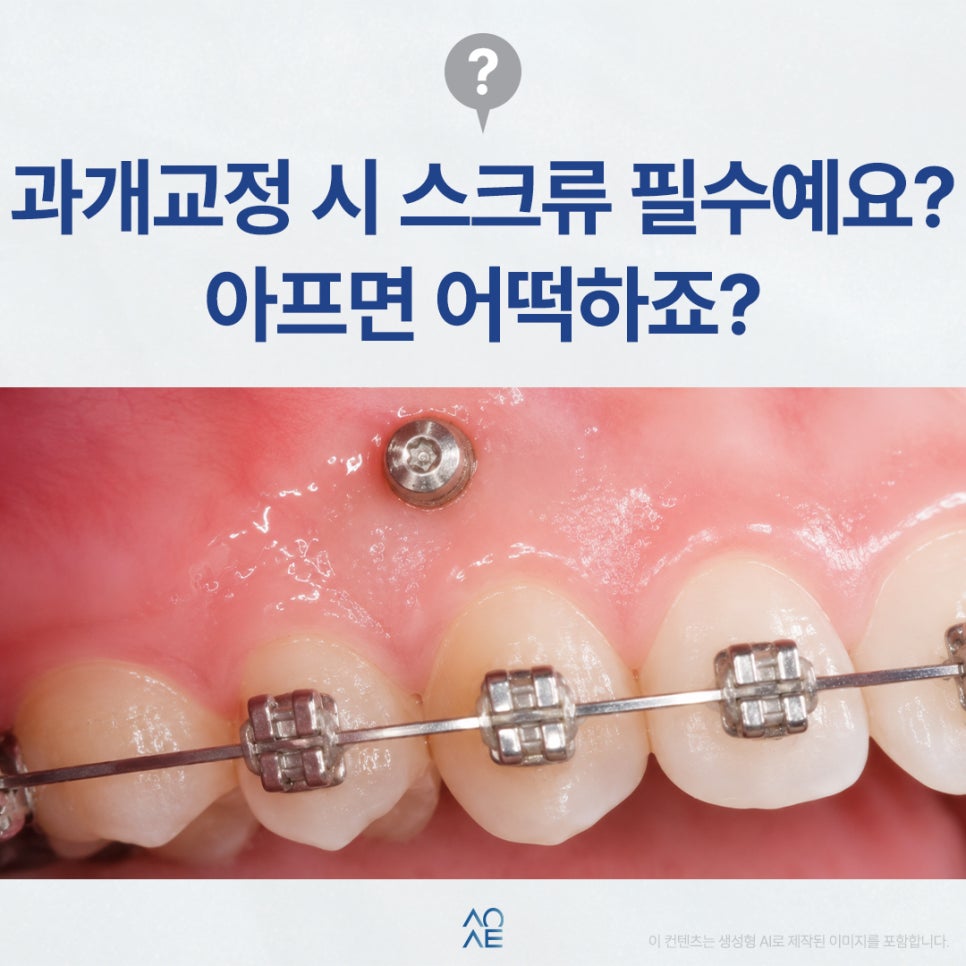
However, did you know that they are not required in every case?
Rather than becoming frightened before receiving treatment,
it should be a priority to first determine which appliance is appropriate for your situation.
Are they not always necessary for an overbite, either?

This refers to a condition in which the upper front teeth cover the lower front teeth more than normal.
Even if the teeth overlap deeply, it does not automatically mean that mini-screws are necessary.
The treatment plan differs depending on factors such as whether the upper front teeth have descended excessively,
whether the lower front teeth are positioned too high,
and the height of the molars and the direction of jaw growth.
Orthodontic screws are one type of auxiliary appliance that may be used to treat an overbite;
they are not essential in every situation.
What role do orthodontic screws play?
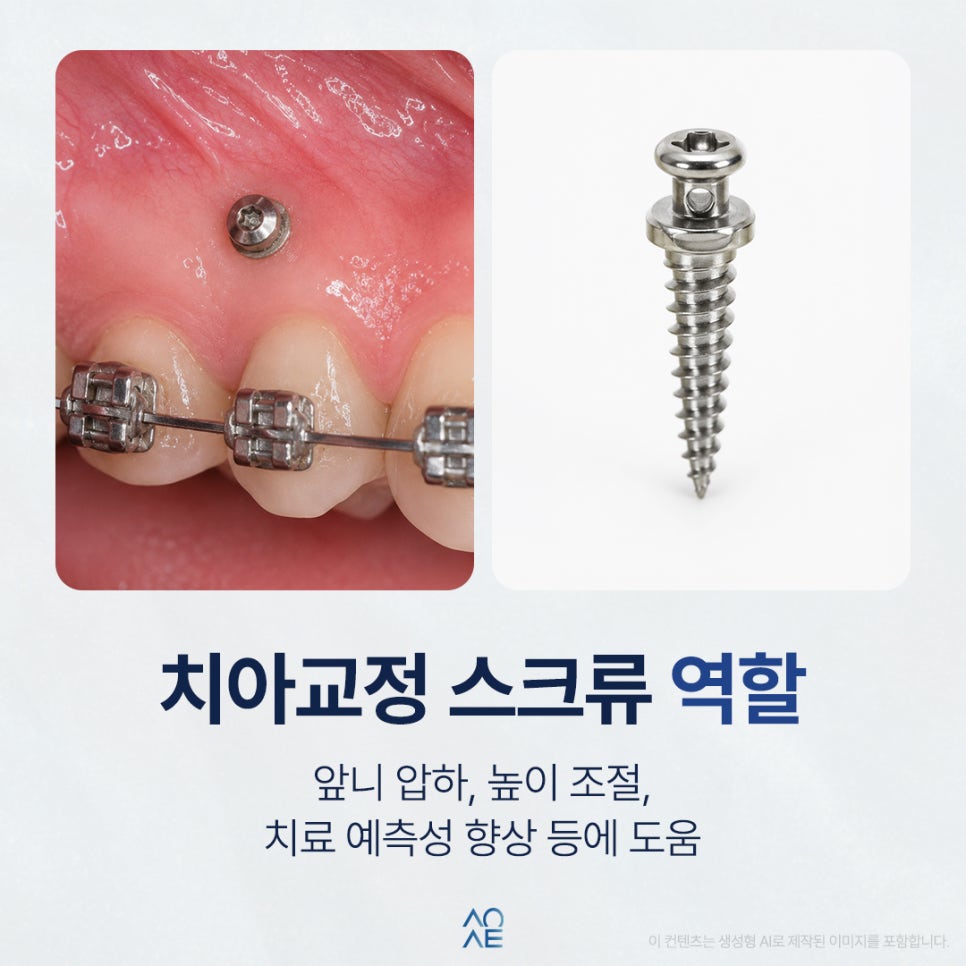
They are small anchorage devices used to move teeth more precisely in the desired direction during orthodontic treatment.
When teeth are pulled or pushed,
this can also affect the teeth on the opposite side.
Using an orthodontic screw can help move specific teeth more stably.
More specifically,
they may be used when the front teeth need to be moved upward
(intrusion)
or when they need to be moved precisely in a particular direction.
I’m worried that the procedure will be very painful.
The name may make them sound intimidating,
but they are not as painful as you might expect.
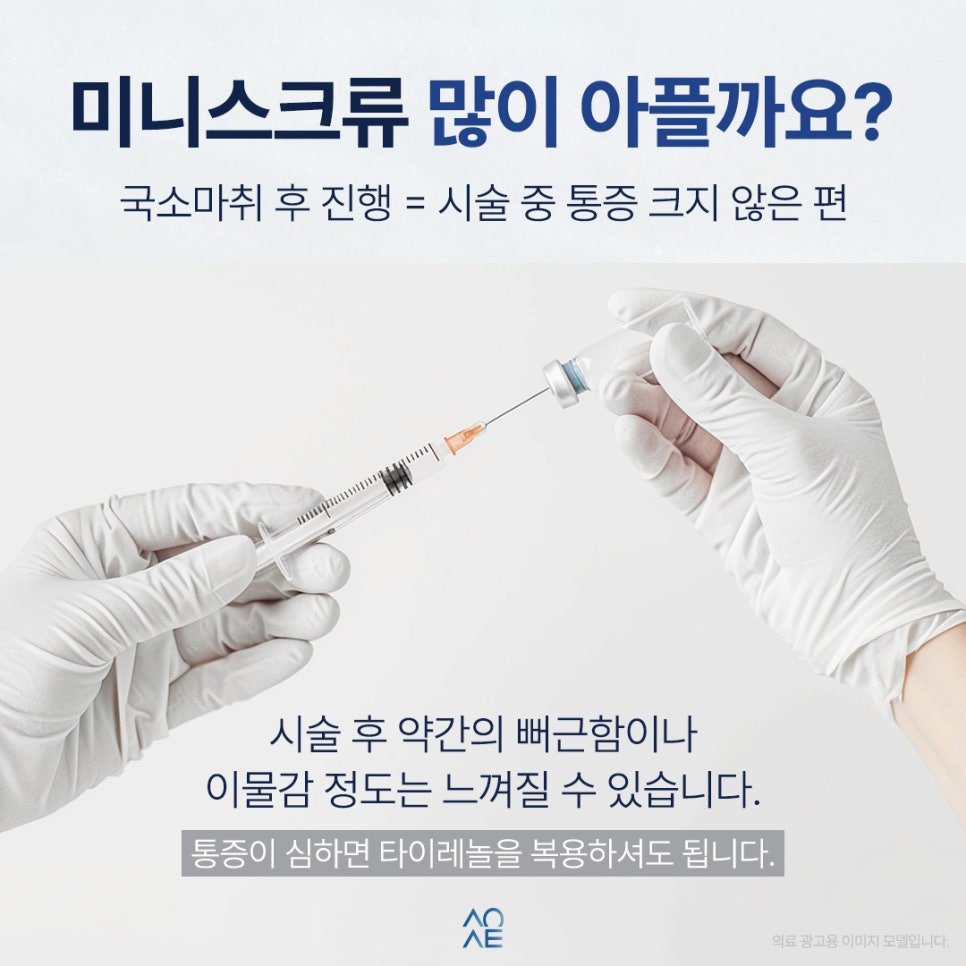
The procedure is performed under local anesthesia
and usually takes only a short time.
Because anesthesia is used, significant pain during the procedure is often not felt,
although afterward you may experience some soreness
or a sensation that something is present.
Of course, each person’s sensitivity to pain is different.
If you are afraid, it is a good idea to mention this during your consultation in advance—for example,
“I’m very afraid of screws,”
or “If possible, I would prefer to proceed without using them.”
You should be able to receive an explanation comparing
the differences between using them and not using them.
Are there cases where treatment is performed without orthodontic screws?
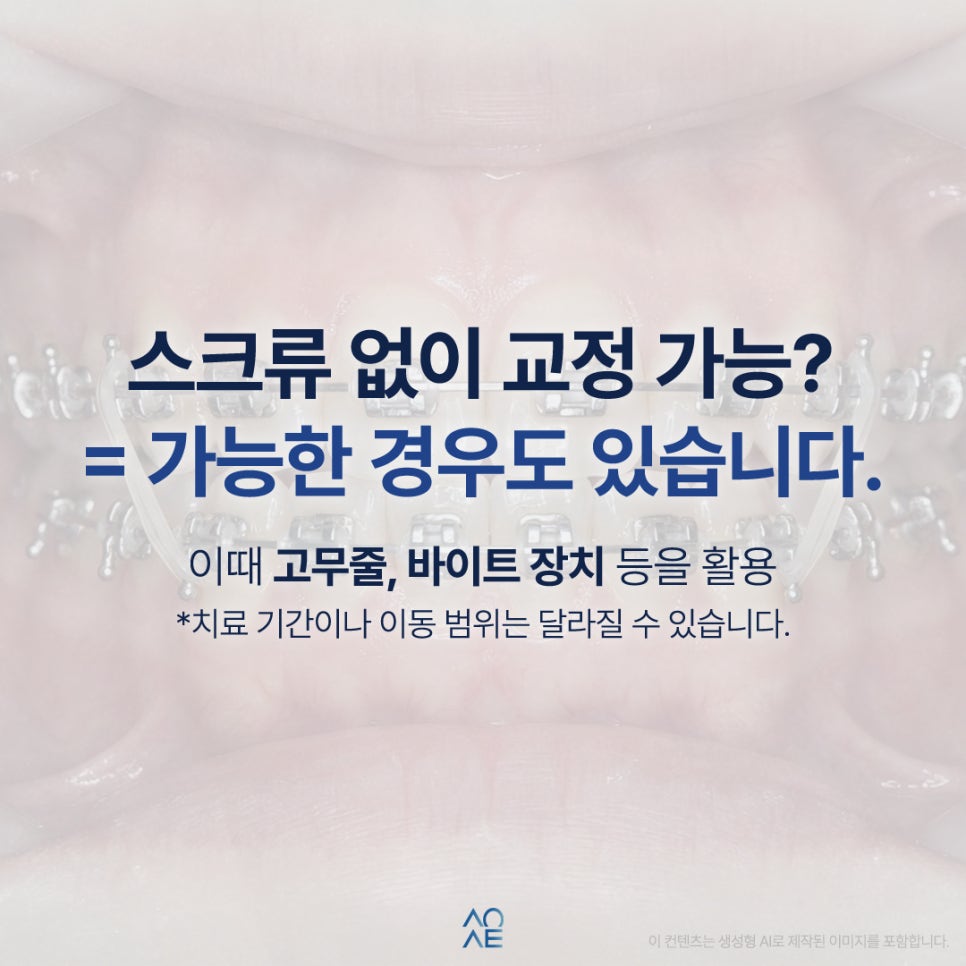
If the condition is not severe
or the amount of tooth movement required is not substantial,
there are cases where screws are not used.
This is because rubber bands such as elastics or power chains,
bite plates,
and wire adjustments may be used instead.
However, if treatment is performed without screws,
the treatment period may become longer,
or the amount of tooth movement desired may be limited,
so it is important to be aware of this in advance.
When screws are used, specific teeth can be controlled more efficiently,
which may make the treatment outcome more predictable.
How much should I expect the treatment to cost?

Costs vary widely depending on the type of appliance, treatment difficulty, whether extractions are needed, treatment duration,
and whether screws are used.
Comprehensive orthodontic treatment is often quoted at approximately several million won,
while partial treatment or relatively simple cases may cost less.
If extractions are necessary or the treatment is more difficult because of an accompanying skeletal problem,
the cost may be higher.
Some clinics may also charge additional fees because of differences in their aftercare systems
or other internal policies,
so circumstances vary.
Therefore, rather than making a decision based only on prices found online,
the most accurate approach is to undergo a detailed examination and confirm the necessary appliances and treatment duration,
as well as whether there will be any additional costs.

When considering overbite correction,
it is perfectly natural for mini-screws to feel frightening.
However, having an overbite does not automatically mean that you must undergo treatment with them,
so I hope you will listen to the reasons they may be needed,
whether alternatives are possible,
and what methods would follow from that choice.
Once you find the approach that is right for you, your fear may lessen
and your satisfaction with the result may improve.
Pain in front of a split molar, but they say another tooth is the problem
Which is better if there is severe tooth decay during crown or implant treatment?