If there is a gap between your front teeth, can you consider veneers?
When a small gap is visible between your upper front teeth when you smile,
you may notice the gap
before the alignment of your teeth.
When the gap is not very large,
many people look into veneers.
This seems to be because the gap can be corrected
more quickly and neatly than with orthodontic treatment.
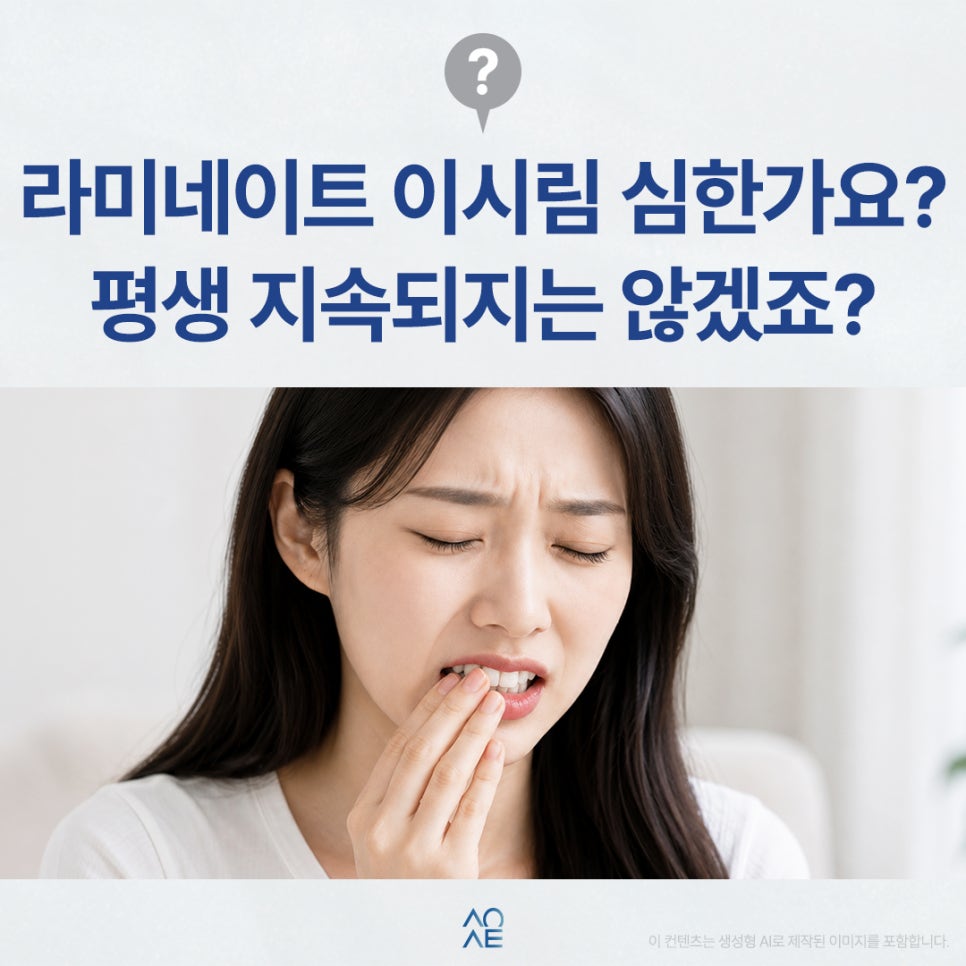
This treatment involves bonding thin ceramic restorations to the front surfaces of the teeth
and adjusting their width, shape, and color.
Although it has the advantage of being able to change the appearance
within a relatively short period,
the response after treatment may vary
depending on how much of the natural tooth surface
needs to be reshaped.
If you are especially concerned about sensitivity,
it is a good idea to check the expected amount of tooth reduction first.
Why can sensitivity occur after veneers?
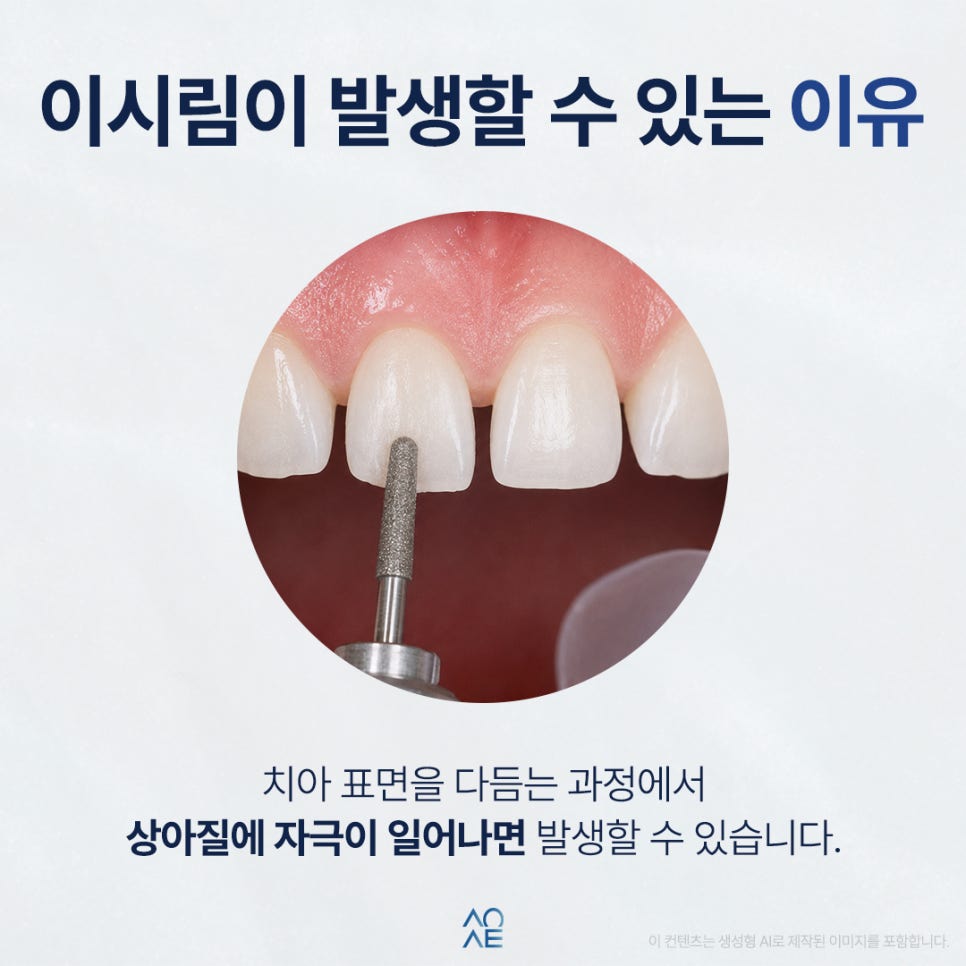
The hard enamel is located on the outermost layer of the tooth,
while the dentin underneath transmits stimuli.
If a large amount of enamel is removed during reshaping,
the procedure may come closer to the dentin,
causing the tooth to react sensitively to cold water or air.
The acid treatment, rinsing,
and drying used during the bonding process
may also cause temporary irritation immediately after the procedure.
If the nerve inside the tooth is healthy and there are no problems with the bonding,
severe pain that continues for a long time is not common.
I would like to know when the symptoms become more severe.
The amount of tooth reduction can be considered the factor
that has the greatest effect on the possibility of sensitivity.

If the teeth are minimally reshaped within the enamel,
there may not be much irritation.
However, trying to correct tooth alignment or protrusion
may increase the amount of reduction.
This is because if the teeth are significantly tilted inward or outward
or overlap one another,
more of certain areas may need to be reshaped
to create a straighter appearance.
If the reduction extends close to the dentin,
bonding stability may decrease,
and sensitivity may also increase.
When planning treatment,
it is important to check not only the final appearance
but also how much of the natural teeth can be preserved.
Can veneers be done without tooth reduction or with minimal reduction?

These two options can be considered when the gap between the front teeth is very small
and the teeth are relatively well aligned.
This involves bonding thin restorations
without reshaping the teeth
or after making only minimal adjustments to the surface.
Because a large amount of enamel can be preserved,
this may help reduce sensitivity
and the burden on the bonding process.
However, this method cannot be applied to every tooth.
If the existing teeth protrude forward
or appear large in relation to the overall appearance,
they may look thick and bulky when material is added.
The possibility of using this method is determined
after considering the width of the gap between the front teeth,
tooth width, lip protrusion,
and the bite together.
How long does sensitivity usually last?

In most cases, it tends to decrease
during the period when the teeth stabilize after bonding
—from several days to several weeks.
On the other hand, if the sensitivity gradually worsens,
pain occurs even with hot food,
or you feel a throbbing pain while at rest,
it may be different from a normal adjustment response.
If only a particular tooth continues to hurt
or pain occurs when chewing,
the bonding condition, bite,
and possible nerve irritation should be checked.
Rather than the fact that sensitivity has occurred after veneers,
its intensity, duration,
and changes in the symptoms
are more important criteria for evaluation.
Are veneers the only way to address gaps between the front teeth?
Not necessarily.
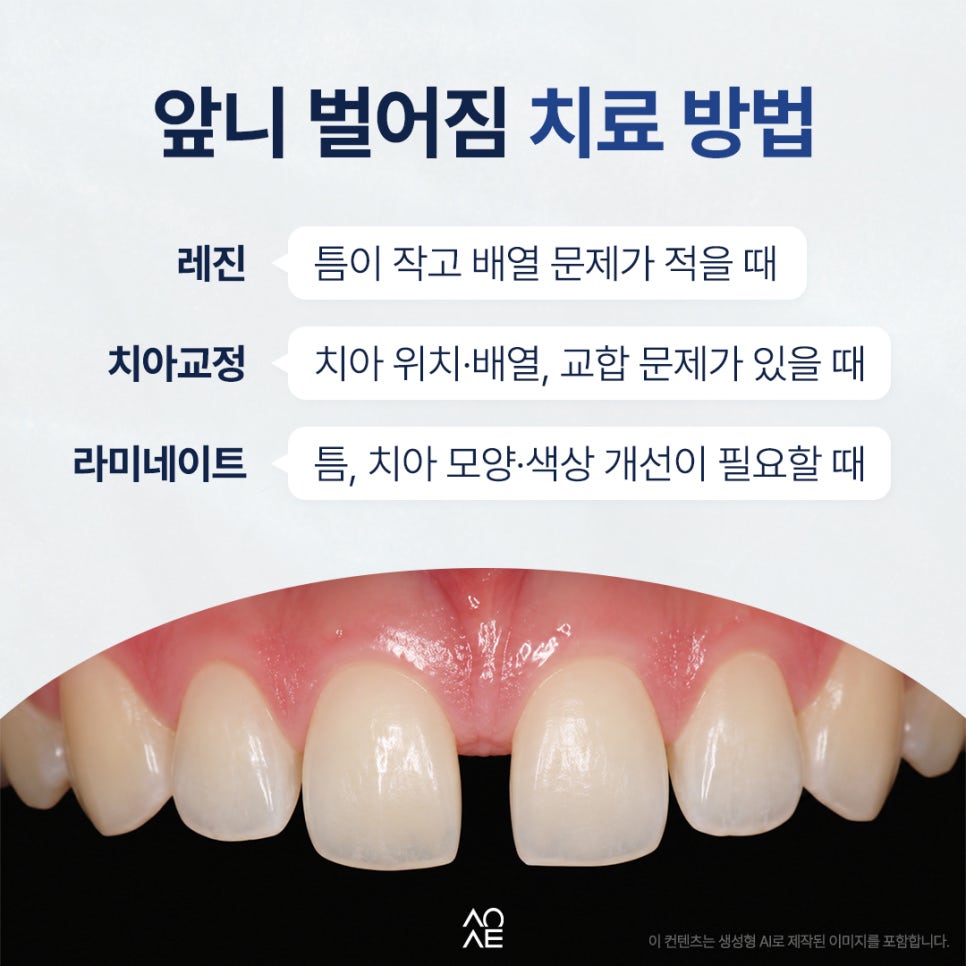
If the gap is small
and only a slight increase in tooth width is needed,
filling the gap with composite resin
may be considered.
This can reduce the amount of tooth reduction
and is relatively simple to perform,
but it does have the disadvantage
that discoloration or wear may occur over time.
If the teeth themselves are positioned apart
or there is also a bite problem,
orthodontic treatment may be more suitable.
Although it requires a considerable amount of time,
it also has the advantage of being able to adjust the tooth positions.
Veneers are suitable when you want to change
the shape and color of the teeth together,
so it is best to compare the desired changes
with the extent to which the natural teeth can be preserved
before making a choice.
In summary:
A mild case = composite resin,
A quick solution = veneers,
A gradual solution = orthodontic treatment
This is one way to look at the options.
When should you reconsider veneers?

If the front teeth are significantly protruded
or severely crooked,
aligning them with this method
may require removing a substantial amount of tooth structure.
If the teeth already have extensive areas treated for cavities,
have thin enamel,
or are subject to severe teeth grinding or clenching,
retention and the risk of fracture must also be considered.
If the teeth make strong contact during biting,
repeated force may be transferred to the edges,
which may result in debonding or breakage.
If the expected amount of reduction is large
and there is a possibility of getting close to the nerve,
it may be much better to first adjust the tooth positions with orthodontic treatment
or consider another type of restorative treatment
depending on the condition of the teeth.
A balance needs to be found between
esthetic changes and preservation of the teeth.
It is true that a small gap between the front teeth
can be naturally improved with veneers.
If veneers without reduction or with minimal reduction are possible,
the concern about sensitivity may also be relatively low.

On the other hand,
if the teeth need to be extensively reshaped
to create the desired appearance,
you should keep in mind
that sensitivity may be higher after treatment.
Sensitivity after veneers
will not necessarily continue for life,
but if the amount of reduction and the bite are not sufficiently considered,
it may leave you with long-term discomfort.
Before treatment, compare
the final tooth shape,
which areas will be reshaped and by how much,
and whether composite resin or orthodontic treatment
could be used instead.
Preserving the natural teeth as much as possible within reasonable limits
while balancing the appearance of the front teeth
will be the path toward comfortable long-term use.

How many days should you avoid alcohol after tooth extraction?
Do you need comprehensive orthodontic treatment after having an impacted tooth extracted?