Is the recovery period longer if extraction and bone grafting are performed together?

After undergoing bone grafting following a molar extraction,
as the anesthesia gradually wears off,
you may experience throbbing or a dull ache.
The process involves making an incision in the gums, cleaning the extraction site, placing the graft material, and suturing the area.
Therefore, swelling and discomfort may last longer than when only the tooth is extracted.
On the day of the procedure, you may taste blood in your mouth or notice a slight amount of blood mixed with your saliva.
From the following day, your cheek or the area around your jaw may also begin to swell.
Since the recovery rate varies depending on the difficulty of the procedure, the extent of any existing inflammation, the amount of bone graft material used, and your overall health,
it is a good idea to observe how your symptoms change from day to day.
How many days after implant extraction is the pain usually at its worst?
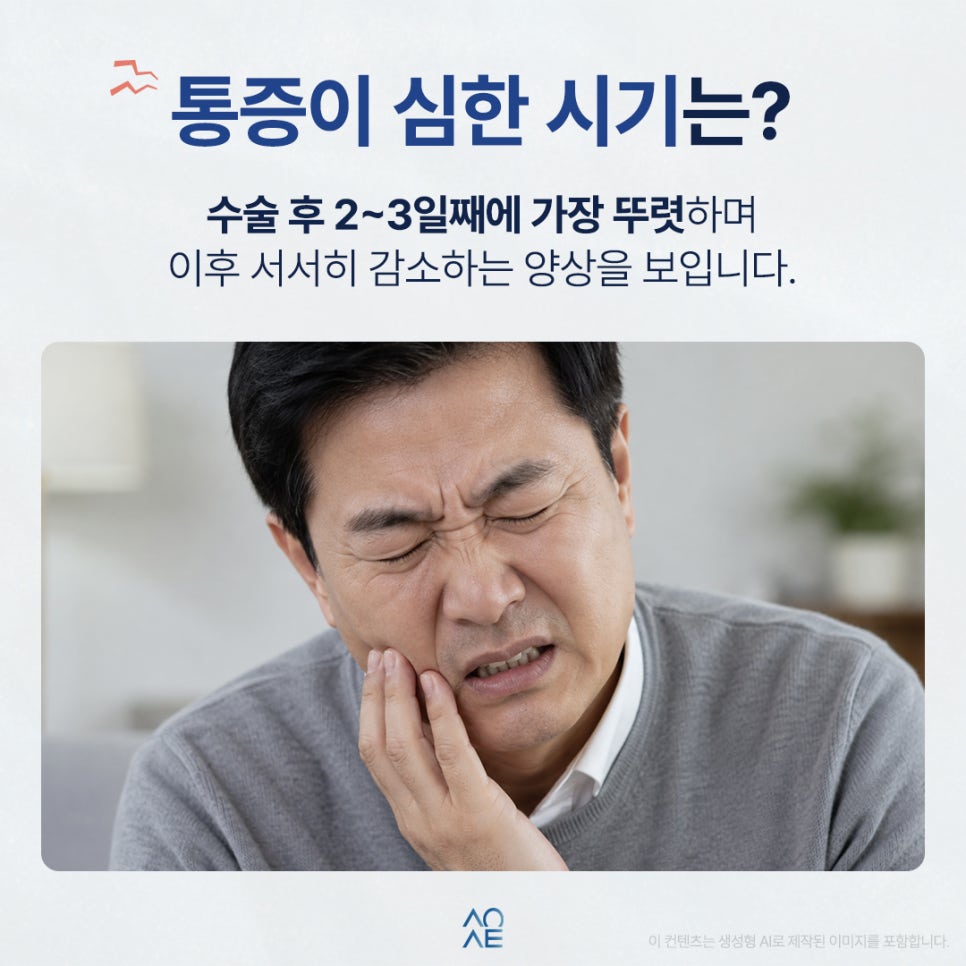
It may be most severe for two to three days.
It is not necessarily a problem if you feel more pain the next day or on the second day than immediately after the procedure.
This is the period when the injured tissues are undergoing a healing response and swelling is increasing.
The intensity can be managed with pain medication, so if the pain gradually begins to decrease around the third day, this can be considered a normal recovery pattern.
The point at which the pain completely disappears varies from person to person. Please keep in mind that a dull ache or discomfort when chewing may remain for about a week.
When does the swelling and bruising usually go down?
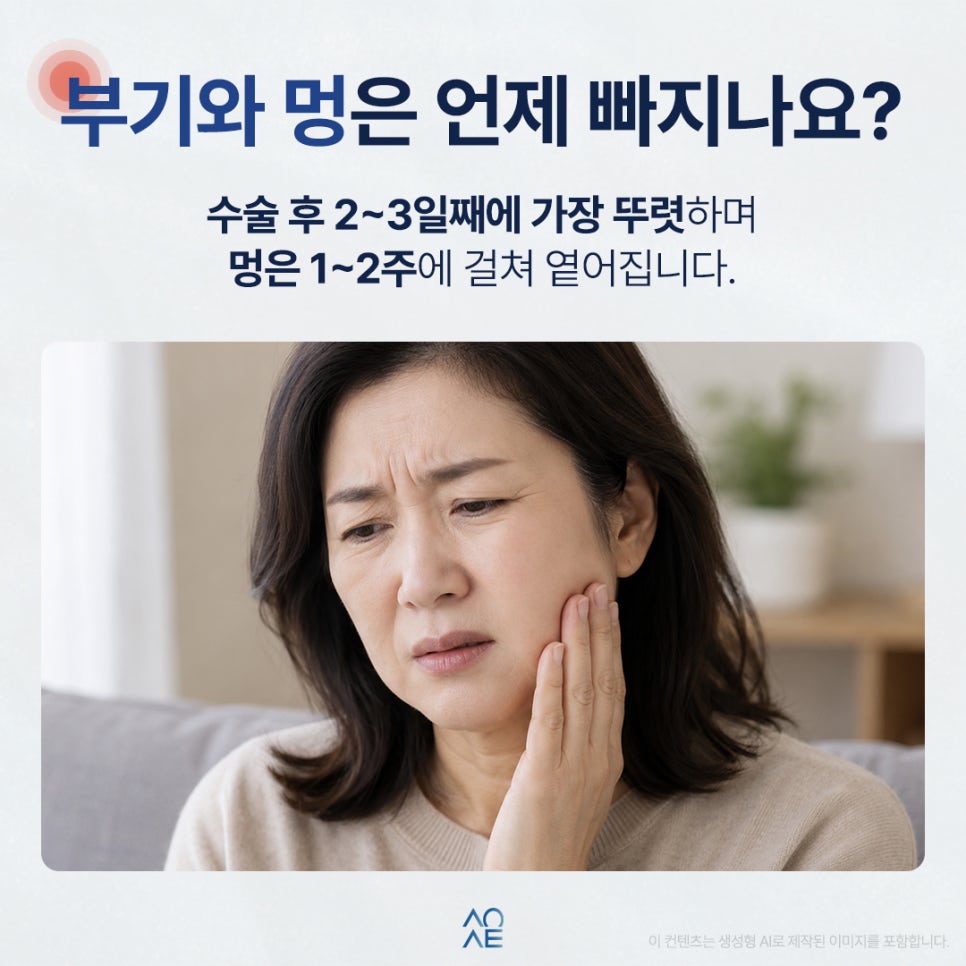
In most cases, swelling is at its worst between 48 and 72 hours after surgery and then gradually subsides.
If extensive bone grafting was performed around a molar or the gum incision was large,
swelling may extend to the cheek and jawline.
After lower-jaw surgery, bruising may also appear to spread down toward the neck.
Bruising may begin as red or purple,
then turn yellowish and gradually fade over one to two weeks.
Please check whether the swelling is decreasing in size and whether the warmth and pain are also subsiding as the days pass.
Even if there is a noticeable difference between the two sides of your face,
if it is gradually settling down, this may be a change that occurs during the recovery process, so there is no need to be overly concerned.
Are there any warning signs to look for if the pain suddenly becomes severe?
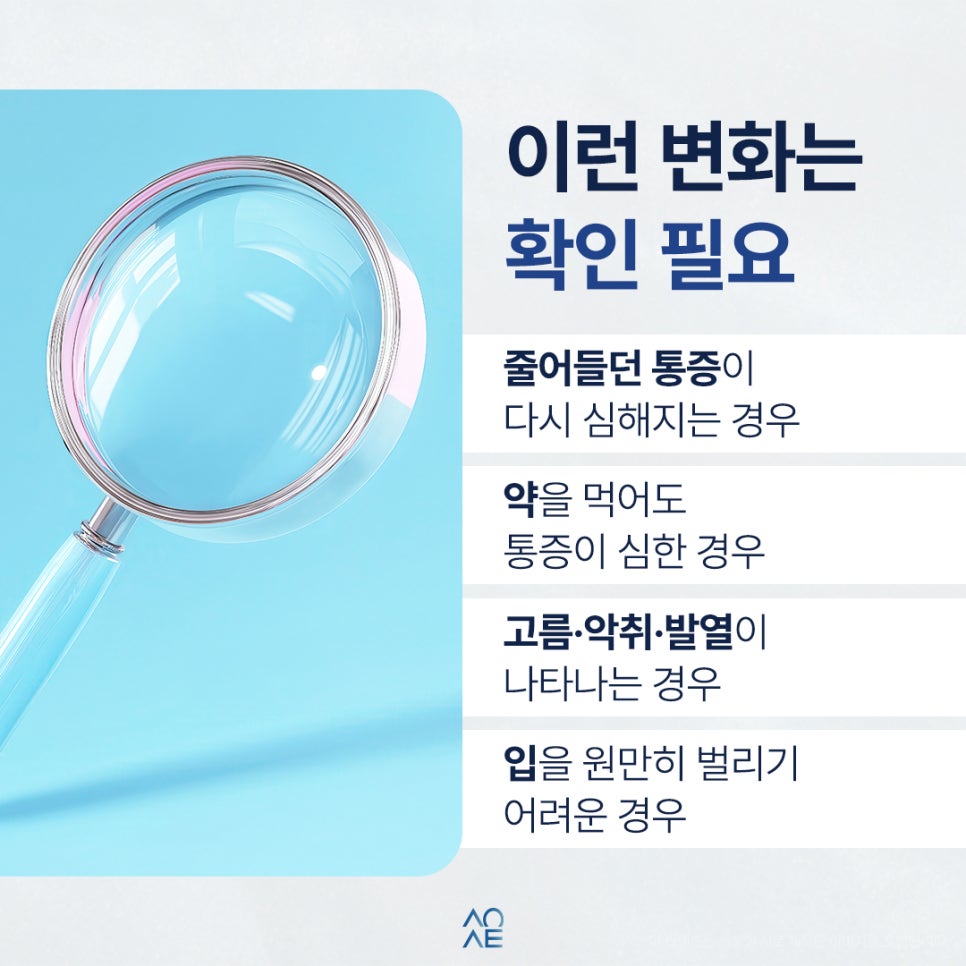
Unlike the usual course, in which pain is present for the first few days and then gradually improves,
if pain that had been decreasing becomes severe again after four or five days,
the condition should be checked.
✅ You should be cautious if the pain is severe enough to make it difficult to sleep even after taking pain medication,
or if it continues to worsen.
✅ You should also be cautious if pus comes from the gums or if an unpleasant smell or taste persists.
✅ If you develop a fever and feel generally heavy or unwell, as with flu-like symptoms,
✅ or if you have difficulty opening your mouth,
the possibility of infection should be considered.
If these changes occur,
please do not wait until your scheduled appointment. Inform your dentist of your current symptoms right away.
I would like to know how to eat after surgery!
Some people try to eat even though the effects of the anesthesia are still present.
In this case, it is easier to bite your cheek or tongue, so be sure to wait until sensation has sufficiently returned before eating.
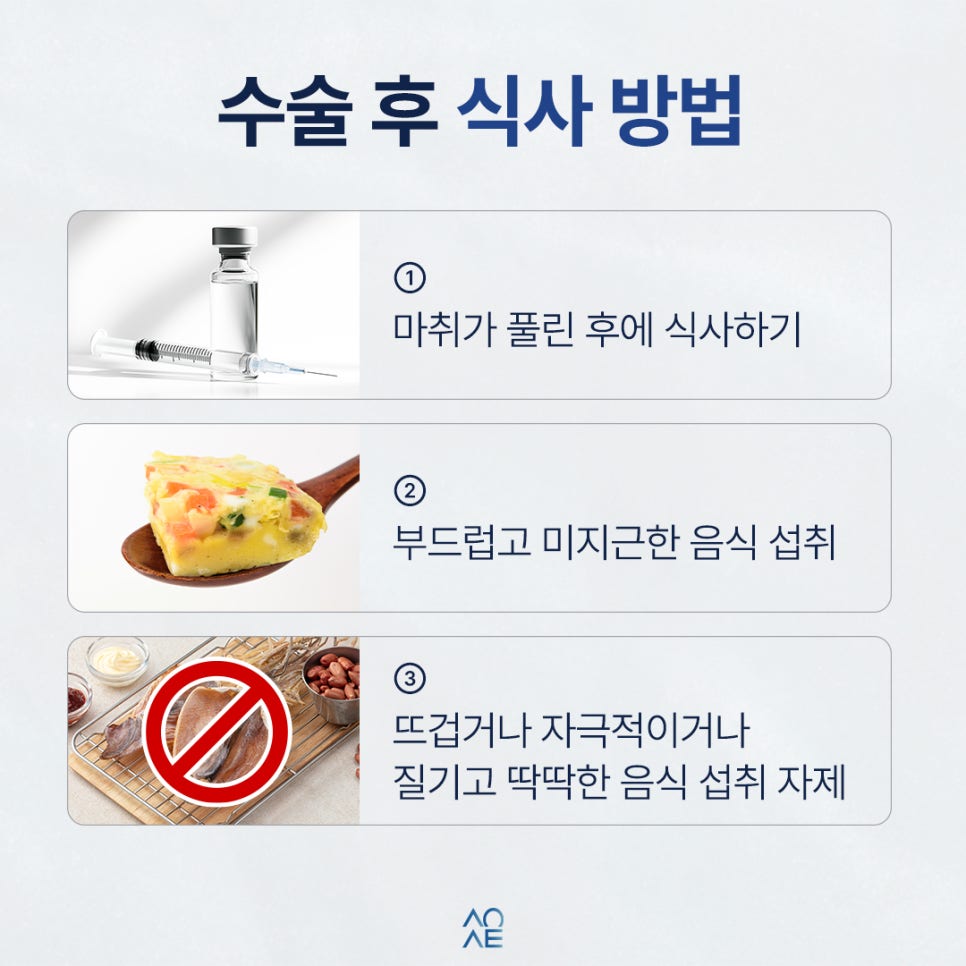
At first, choose soft, lukewarm foods such as porridge, steamed egg, or tofu,
and eat slowly on the opposite side from where the implant procedure was performed.
Hot broth and spicy or irritating foods may increase bleeding and discomfort,
so it is better to avoid them.
Chewy or hard foods such as nuts, squid, and hard snacks may also place strain on the sutured area,
so it is best to avoid them in the early stages.
Drinking beverages through a straw or rinsing your mouth vigorously can adversely affect the blood clot covering the wound,
so these actions should also be avoided.
At least until the stitches are removed.
Won’t the bone graft material come out when I brush my teeth?

If the gums have been sutured,
it is uncommon for the bone graft material to come out through normal eating or toothbrushing.
However, careless actions could delay recovery, so for the time being,
do not brush directly over the wound. Gently brush only the other teeth.
After the stitches are removed, you can carefully brush around the area starting at the time advised by your dental professional.
If you have been prescribed a mouthwash such as Hexamedine,
use it according to the prescribed amount and instructions.
If the wound opens widely or particles continue to come out,
have the area examined.
Occasionally, you may feel one or two small particles in your mouth that feel like grains of sand,
but this alone does not necessarily indicate a serious problem.
What effect do smoking and drinking have on recovery?
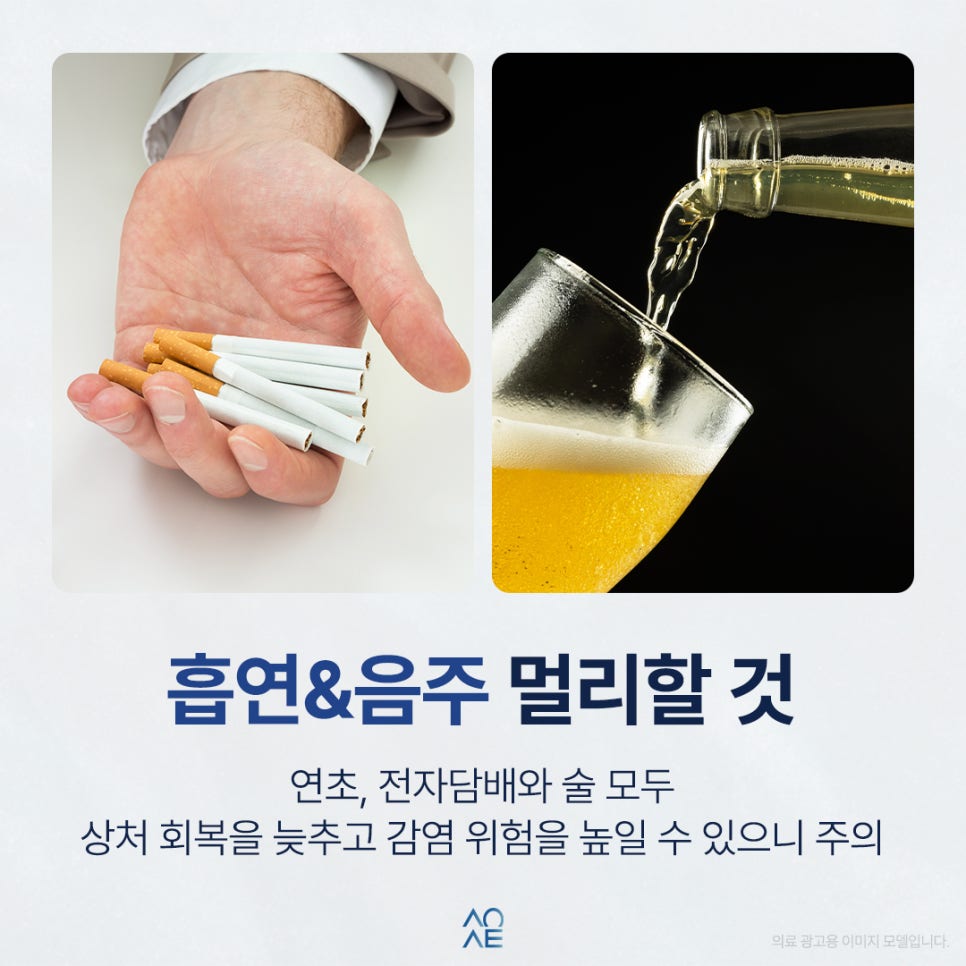
Various substances in cigarettes, such as nicotine and tar,
can interfere with blood flow to the gums, which may delay wound healing
and may also affect the risk of infection and bone graft failure.
Electronic cigarettes may also contain substances found in conventional cigarettes,
so please do not assume carelessly that “electronic cigarettes are fine.”
The pressure and heat generated during inhalation may also cause strain.
Alcohol can likewise increase bleeding or swelling by dilating the blood vessels,
and taking it together with prescribed medication may cause unexpected side effects, so be sure to avoid it.
If pain after implant extraction continues longer than expected,
review not only your eating and toothbrushing habits but also whether you have been smoking or drinking.
For several days, swelling and discomfort may make recovery feel slow
and everyday activities may be somewhat difficult.
Even so, as the days go by,
the intensity of the pain after implant extraction should decrease,
and eating and sleeping should gradually become more comfortable.
Conversely, if you are in more pain today than yesterday,
or if swelling worsens or is accompanied by pus, severe bad breath, or fever,
it is best not to endure it for too long.
You should also avoid touching the implant site with your tongue or fingers.
For a stable result,
please follow these care instructions carefully.

I would like to know whether laminates cause severe tooth sensitivity.
How many days should I avoid drinking alcohol after an extraction?