Hello, I’m Kim Min-young, a restorative dentistry specialist at Seonyudo Dental Clinic.
If you drive, you probably check consumables like engine oil and tires on a regular schedule.
As they are used for a long time, they can wear down or break, and other problems can arise,
which is why you check them regularly.
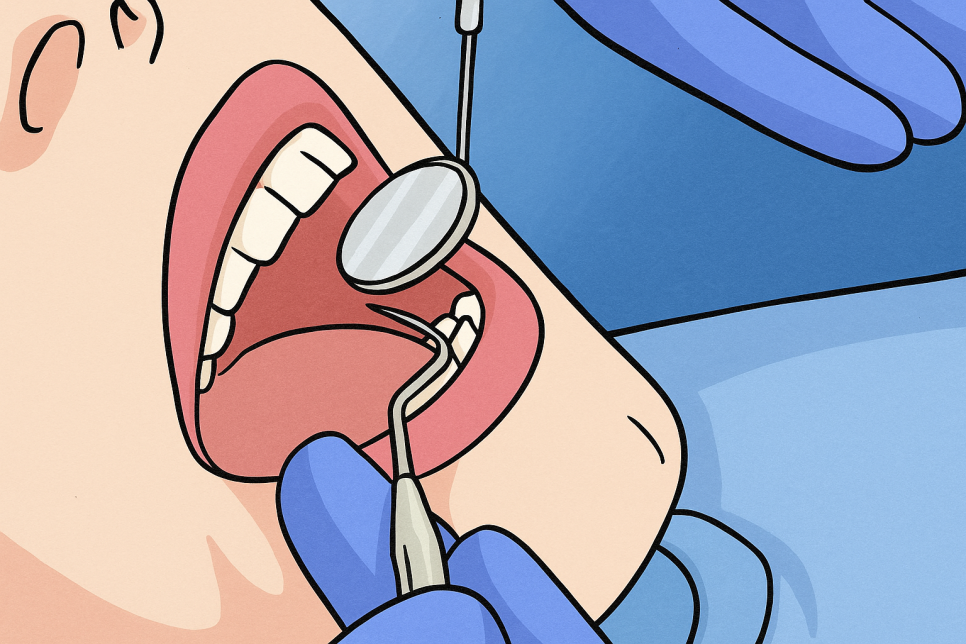
In the same way, your teeth and gums also
need to be checked consistently.
That way, if cavities or periodontal disease develop,
they can be addressed early.
So even if you are not in pain,
I recommend getting checked every year.
Today, I’d like to tell you about the “National Oral Examination,”
which can be helpful if you make active use of it.
This is Seonyudo Dental Clinic speaking.
Benefits provided by the National Health Insurance Service!
If you are eligible for the national oral examination
run by the National Health Insurance Service,
you can receive the benefit for free at a hospital designated by the Service.
Because the full cost is covered by the Service,
you can check the condition of your mouth
without worrying about expenses.
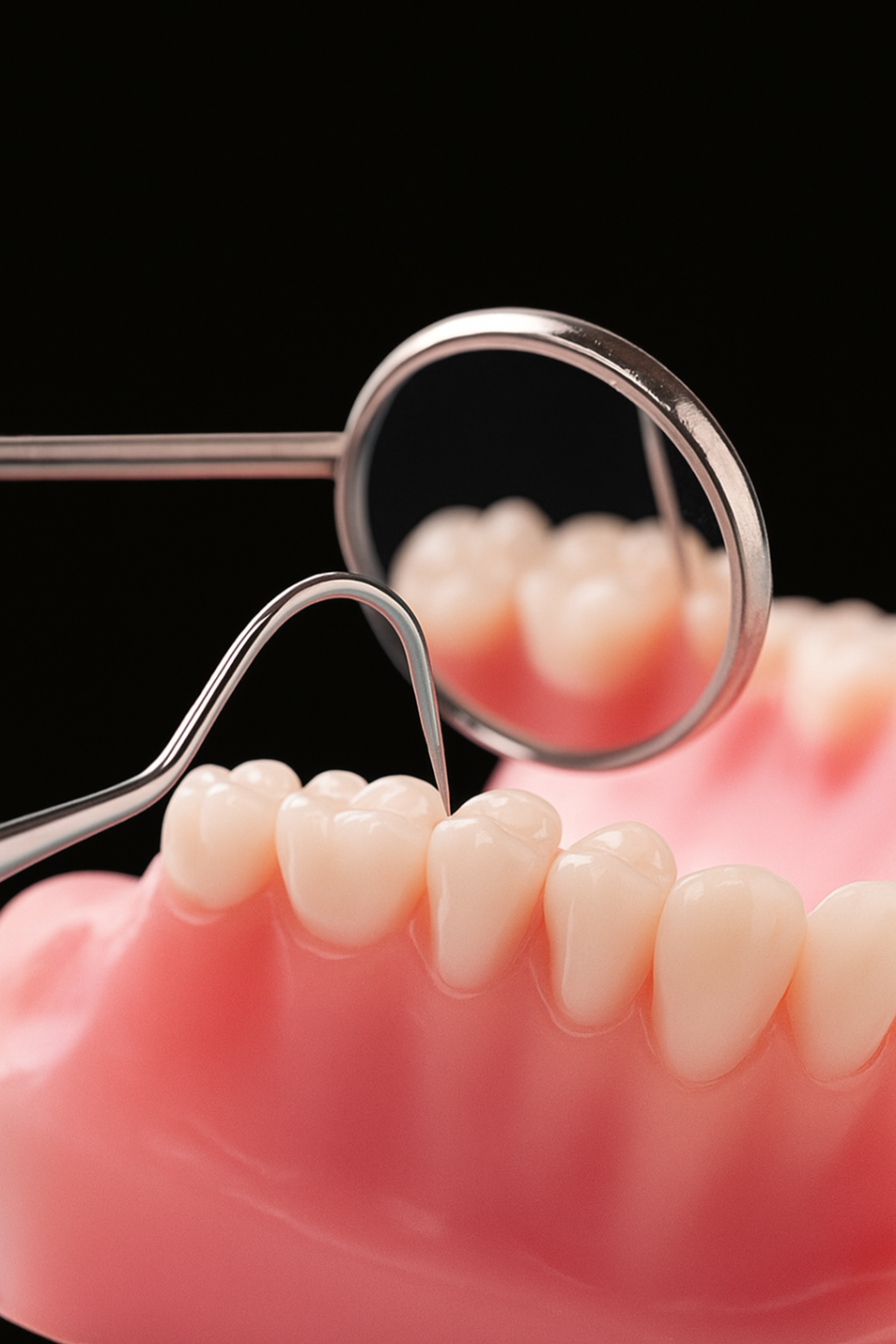
The spaces between your teeth, which are difficult to clean with brushing alone, are carefully checked,
and you go through a detailed examination to see whether you have cavities or gum disease,
which often have almost no early symptoms and are difficult to detect.
Today, to answer your questions about this,
I have organized the relevant information in detail,
including who is eligible and which hospital you should visit.
This is Seonyudo Dental Clinic speaking.
Who is eligible?
Eligibility can be divided by type.
At Seonyudo Dental Clinic, I will explain it in two categories.
① General oral examination
Available once every 2 years.
However, non-office workers can receive it every year.
In addition to a dental/periodontal tissue examination,
a review of medical history and oral habits is also conducted.
② Life transition period
Ages 40 and older / ages 66 and older
Available once each.
In addition to the general items, you can also check for dental plaque.
Dental plaque simply means plaque.
When bacteria or food debris are not removed for a long time,
a soft, cheese-like off-white mass forms,
and because it is a mass of bacteria,
it is considered a cause of cavities and periodontal disease.
Because it is a soft, cheese-like mass, it can be removed sufficiently by brushing,
but if you neglect brushing, it remains.
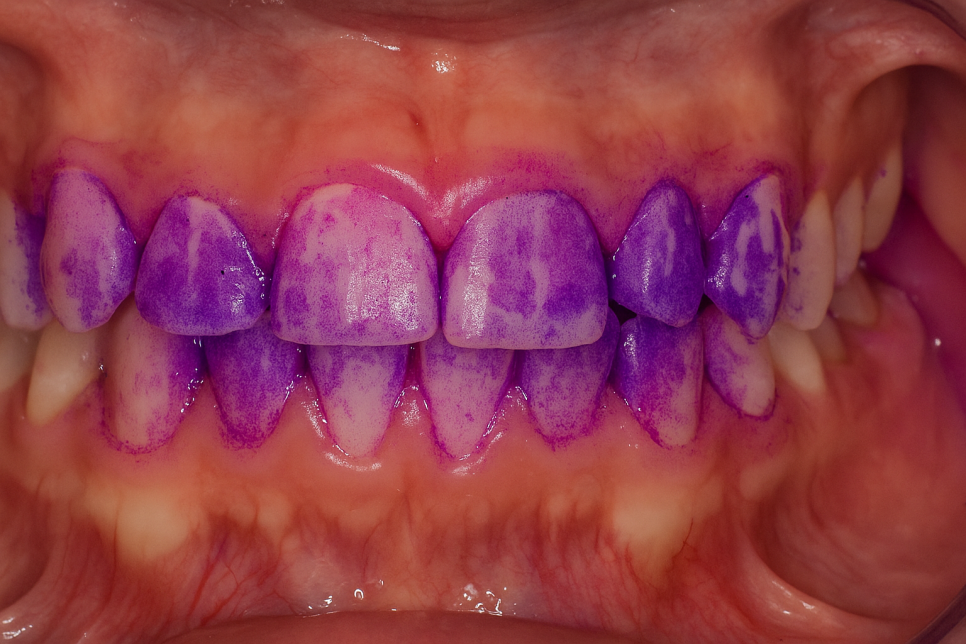
So the plaque is stained and then brushing is done
so that you can visually see how much remains.
Because you can visually see which areas are not being cleaned well,
it helps improve your brushing habits.
This is Seonyudo Dental Clinic speaking.
Which hospitals can provide it?
As mentioned earlier, since you can receive the benefit at a hospital designated
by the National Health Insurance Service,
it is a good idea to check which places are designated
before visiting.

If you go to the National Health Insurance Service website that I attached,
from the top menu go to Health IN -> Find Institution/Hospital ->
select Province/City > City/County/District > Town/Neighborhood,
and you can check the institutions.
Today, I shared information about the national oral examination.
I know that daily life is busy,
so it can be hard to take care of your own health,
but
if you ignore it, disease will not wait
and will gradually grow.
That is why it is really good to make time,
show some interest, and check once in a while.
Once teeth are damaged, they do not grow back or recover
like hair does.
The reason is that they are [irreversible].
That is why preventing cavities before gum disease progresses,
and addressing them early, is more important than anything else.
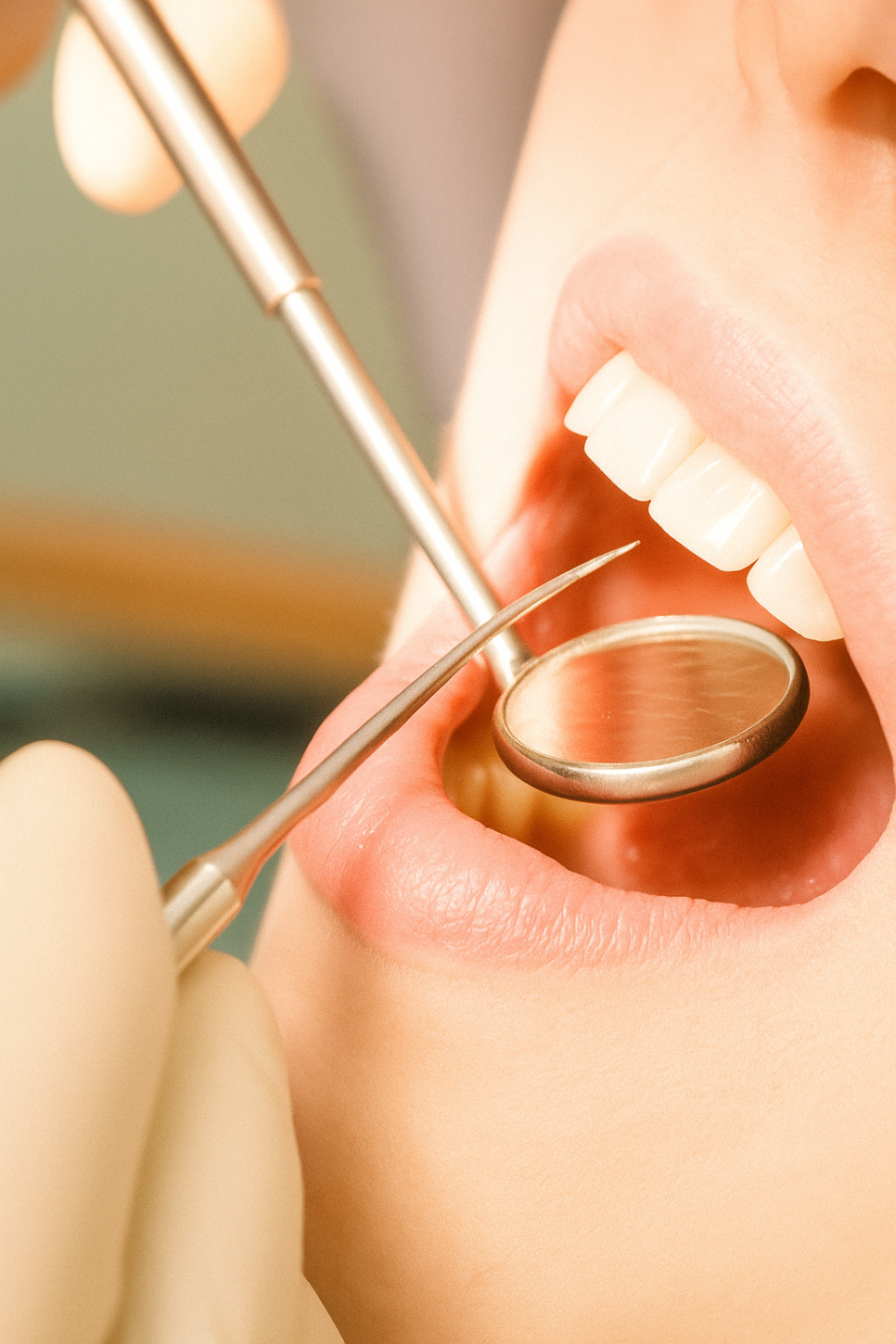
Along with this, my small tip is to
check the condition of your mouth for free,
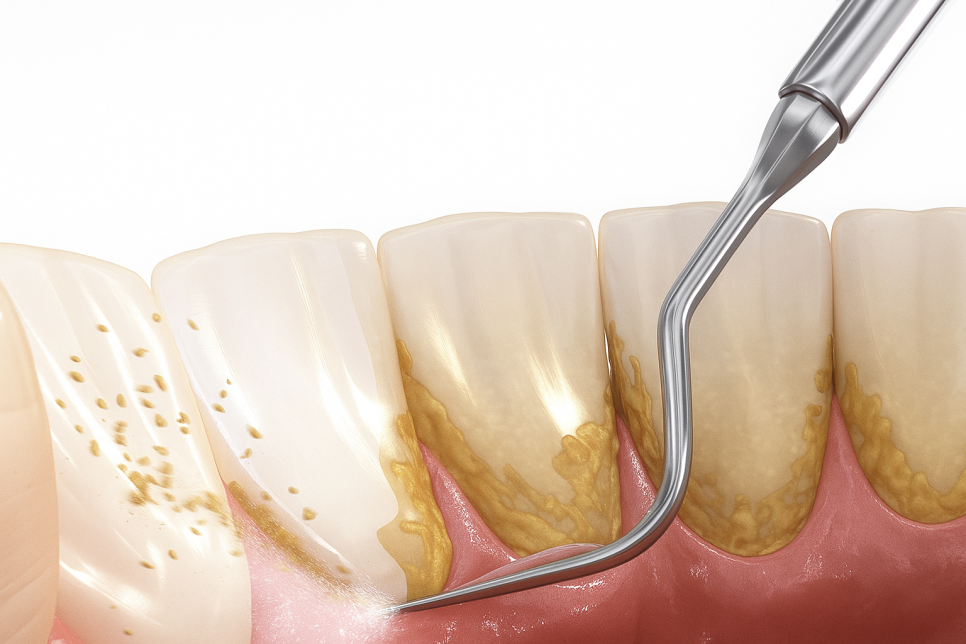
and have scaling covered by insurance once a year.
Then you can check what is going on inside your mouth
and also care for tartar that builds up in areas missed during brushing!
That’s all the content prepared by Seonyudo Dental Clinic today.
I hope this was useful to you, and I’ll end the post here.
This has been Kim Min-young. Thank you.