Hello, this is Dr. Kim Min-young, a conservative dentistry specialist at Seonyudo Dental Clinic.
When inflammation develops at the root tip and pus begins to build up,
the treatment options to save the tooth
become increasingly limited.
This is especially true when
a reinfection occurs in a tooth that has already undergone root canal treatment,
or when the root canal has become calcified,
making instrument access impossible.
In situations like these, many patients
eventually come to accept extraction.
However, before making that decision,
there is one option worth considering.
That is tooth replantation, and today at Seonyudo Dental Clinic,
we will explain related information about it.
What Is Tooth Replantation?
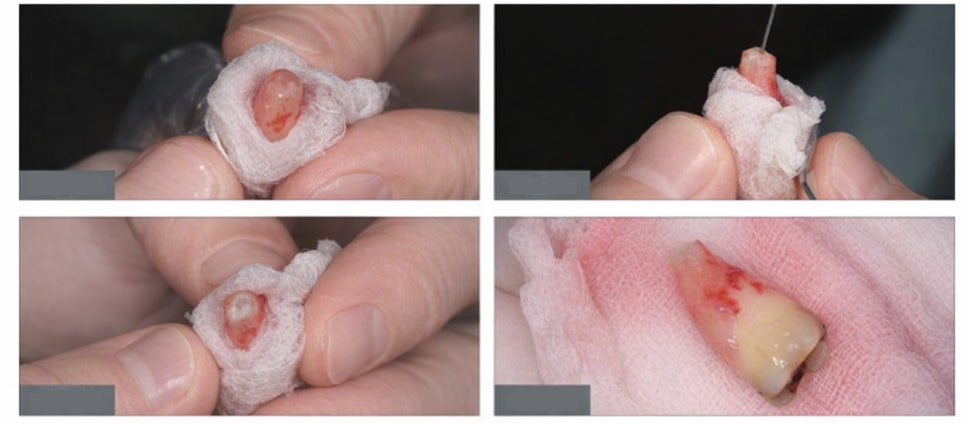
This is a surgical procedure in which a problematic tooth is extracted once,
treated as needed outside the mouth,
and then placed back into its original position.
It is mainly considered when severe inflammation develops at the root tip,
causing pus buildup or facial swelling,
or when reinfection occurs in a tooth that had previously undergone root canal treatment.
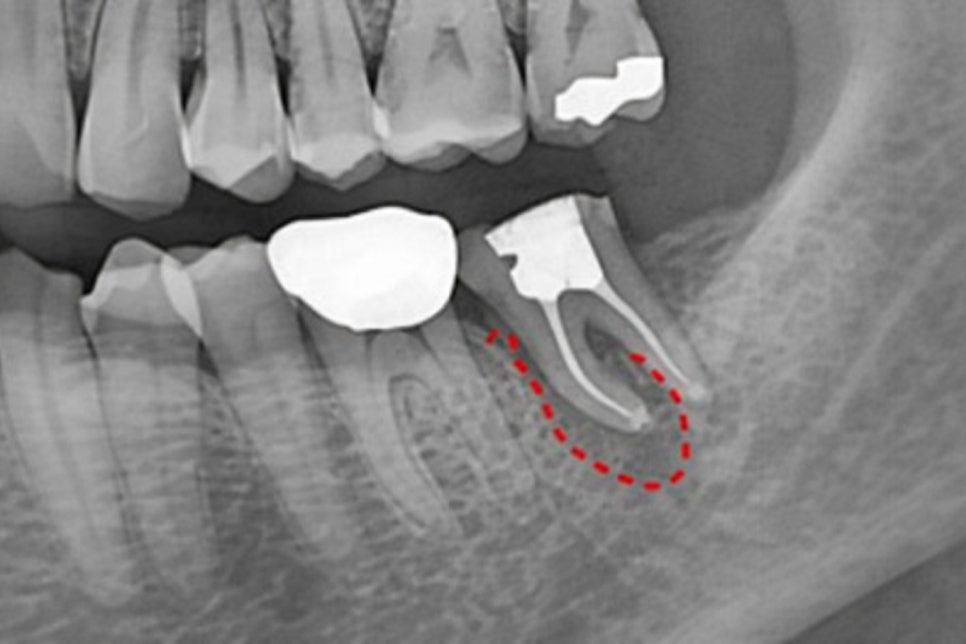
In particular, when the roots are deep and complex in shape,
such as in molars,
it may be difficult to completely remove inflammation
through intraoral access alone.
The same applies when the root canal has become calcified
and instrument insertion itself is impossible.
At Seonyudo Dental Clinic, we believe that
preserving natural teeth should be the top priority,
and before deciding on extraction,
it is important to review whether this treatment is possible.
MTA Filling
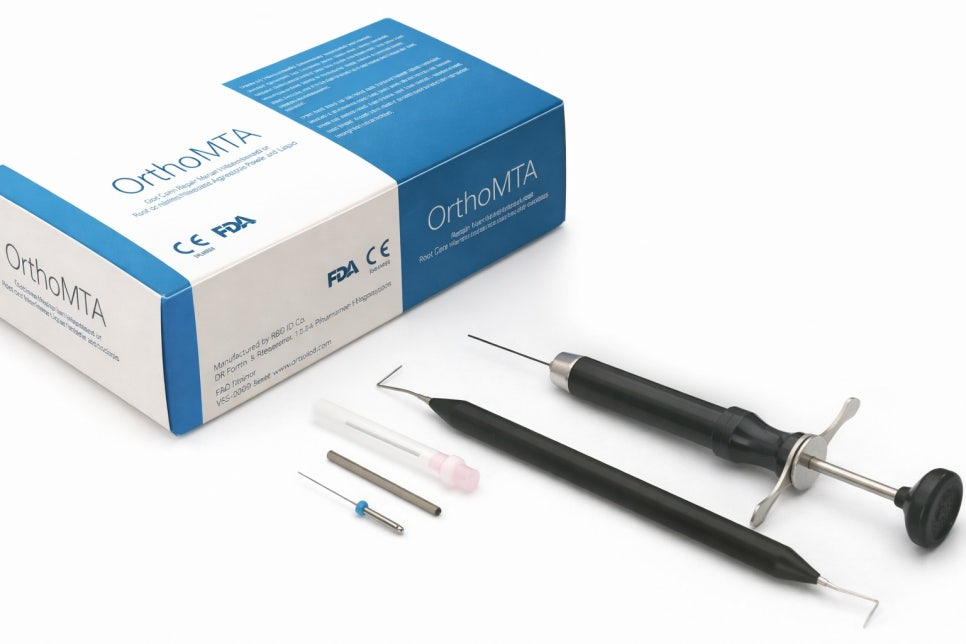
The key material that determines the outcome of tooth replantation
is MTA (Mineral Trioxide Aggregate).
After extraction, about 3 to 4 mm of the root tip is resected,
and MTA is placed and filled into that area.
MTA has properties similar to cement, but it is harmless to the human body,
and it has the ability to set stably even in a constantly moist environment like the oral cavity.
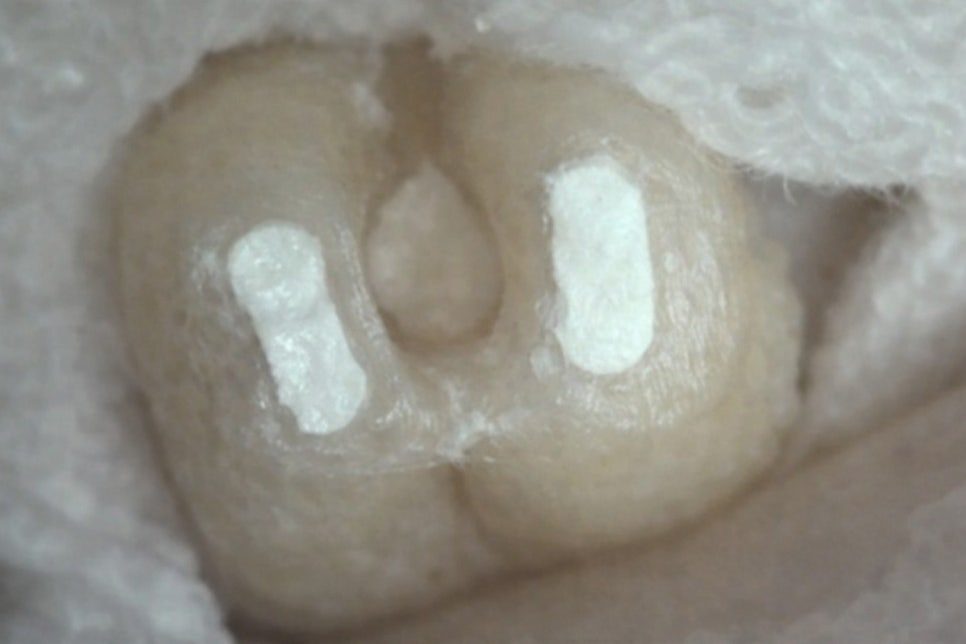
Even in environments where sealing is difficult with ordinary filling materials,
it maintains a high level of sealing,
and because it is alkaline, it also helps suppress bacterial growth.
In particular, due to its biocompatible properties,
which promote the regeneration of surrounding bone and periodontal ligament,
it plays an important role in helping the tooth settle stably back into its original position
after being replanted.
Indications & Contraindications
Even in cases of chronic periapical inflammation,
if the periodontal ligament is relatively well preserved,
and the root has sufficient length and shape,
it may be attempted,
but
🔻 if the root is too short
or the fracture extends over a wide area,
or if periodontal tissue damage is severe,
it is difficult to expect a good prognosis.
🔻 Overall health status is also an important factor in decision-making.
If diabetes is not well controlled,
or
if the immune system is significantly weakened,
the risk of complications during the healing process increases.
🔻 Smoking also impairs blood circulation
and interferes with tissue regeneration,
so it is considered a clear contraindication.
At Seonyudo Dental Clinic, we believe it is important to carefully determine whether the procedure should be performed
after comprehensively evaluating the oral condition before surgery,
the degree of infection, root shape, and overall health.
Procedure and Recovery Care
The procedure begins with extraction after sufficient anesthesia,
and because the periodontal ligament plays a key role in bonding with bone
after the tooth is replanted,
it is important to handle it carefully so it is not damaged.
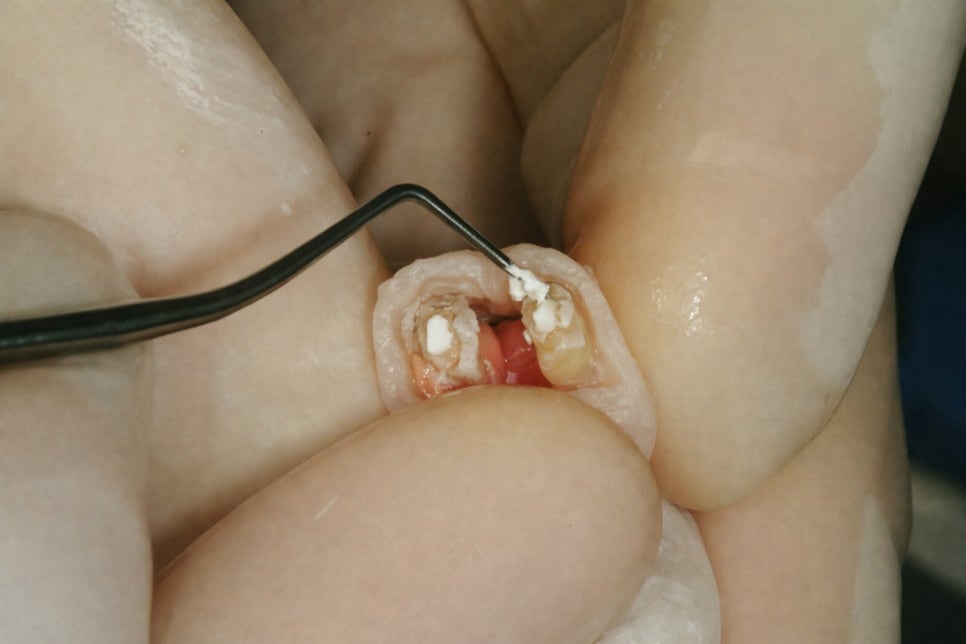
After that, the inflammatory tissue is removed, the root tip is resected,
MTA is filled, and the tooth is placed back into its original position and stabilized.
The shorter the time from extraction to replantation,
the higher the survival rate of the periodontal ligament,
so fast and precise technique determines success or failure.
The first 2 to 3 weeks after surgery are a recovery period,
and we recommend avoiding chewing on the affected area
and eating soft foods.
The prescribed antibiotics and anti-inflammatory medications must be taken without fail,
and it is best to avoid alcohol and smoking,
as they interfere with healing.
At Seonyudo Dental Clinic, we recommend regular checkups at 1 week, 2 weeks,
1 month, 3 months, and 6 months after surgery.
Tooth replantation can be the final treatment that saves a natural tooth
when the right conditions are met.
Preserving a natural tooth is not just about maintaining chewing function;
please remember that it is an important matter directly linked to the health of the surrounding alveolar bone and gums,
and ultimately to overall health.
That concludes the news prepared by Seonyudo Dental Clinic.
I hope this was useful information, and I will end here.
This has been Dr. Kim Min-young, a conservative dentistry specialist.
Thank you.