Hello.
I’m Kim Min-young, a specialist in conservative dentistry at an Yeongdeungpo dental clinic.
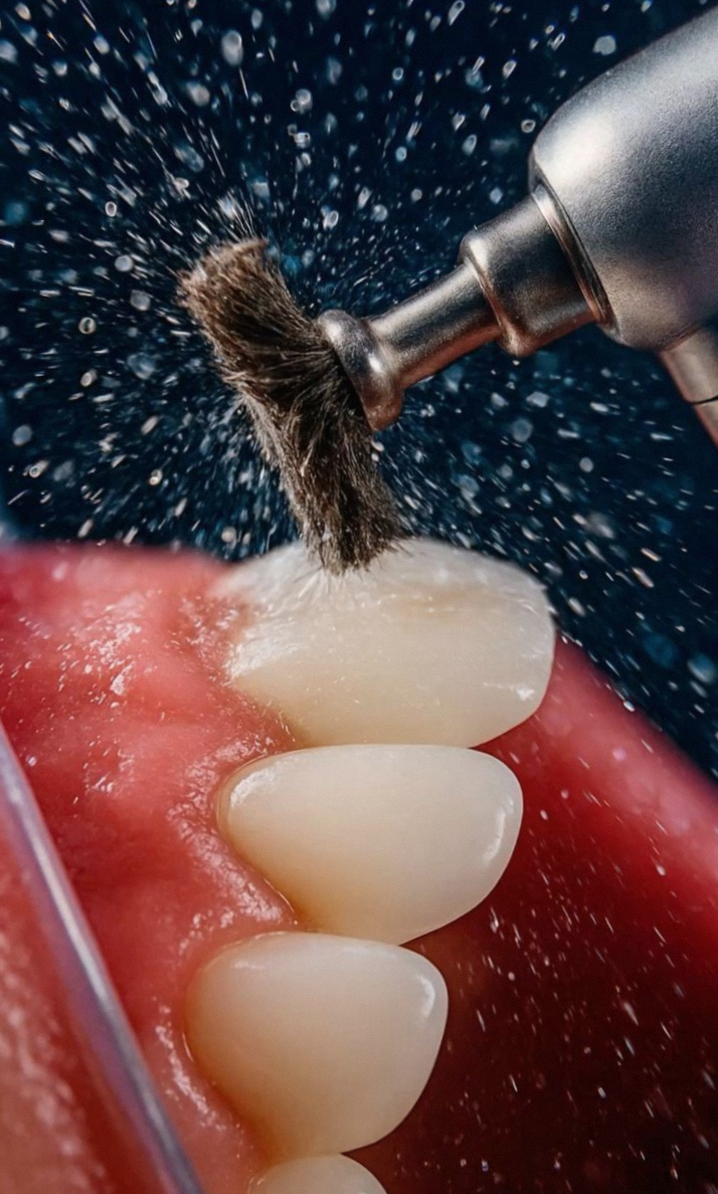
Today, I’ve prepared information for people who often notice that one of their front teeth looks unusually long in the mirror,
or has a pointed tip that sticks out and has become a concern or a complex for them.
Source: Google
When the front teeth that show slightly while smiling look asymmetrical from left to right,
the entire facial expression can feel awkward.
One of the treatments first considered for people who visit a medical institution with these concerns is tooth contouring.
Below, I’ll organize what this treatment is and in what situations it is applied, step by step.
- What Is Tooth Contouring?
Source: Google
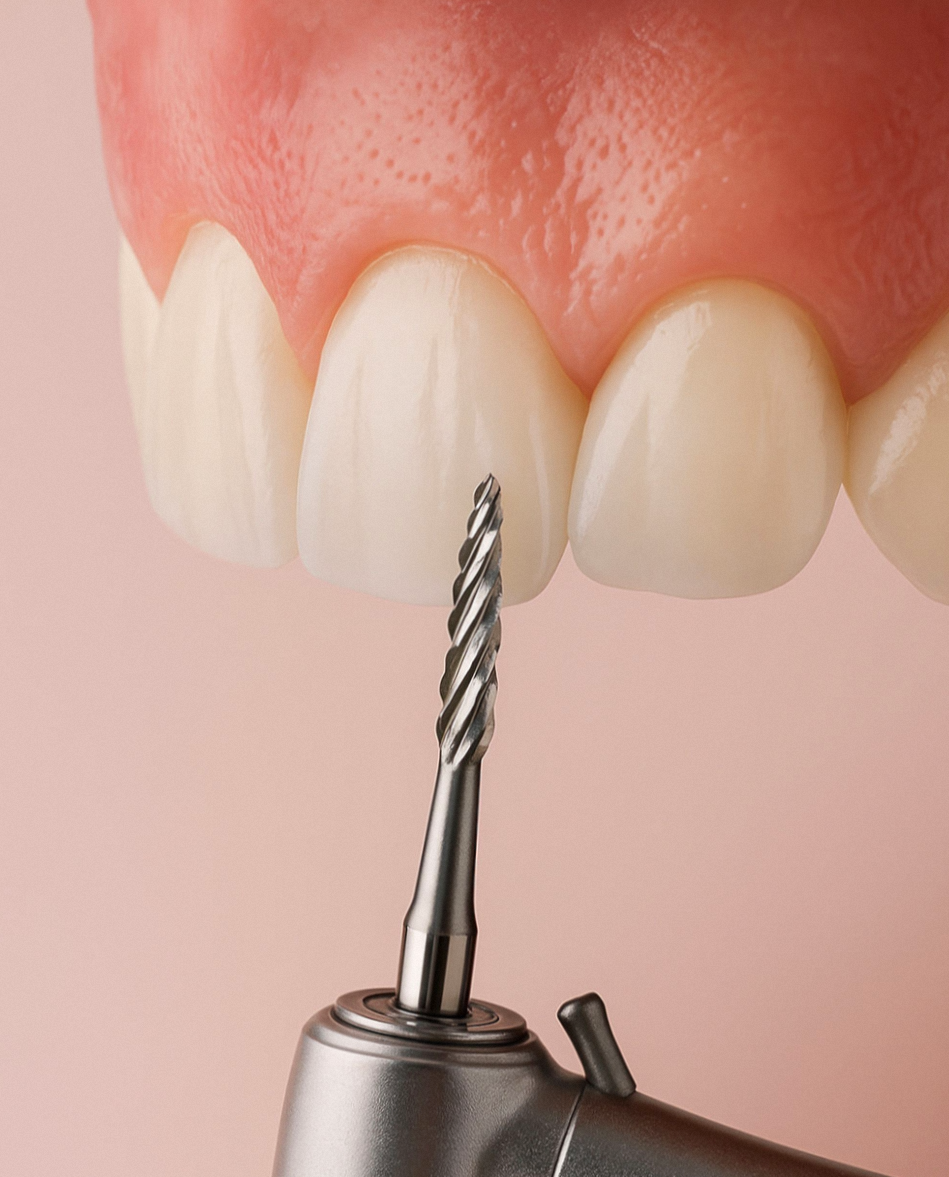
Tooth contouring is a treatment that very lightly trims part of the enamel, the outer layer of a natural tooth,
in order to adjust its shape and length.
In English, it is called odontoplasty or
enameloplasty,
and rather than saying the crown is being shaved down, it is more accurate to say that the outline is being refined with a carving tool.
It is often performed without anesthesia,
and in some cases it can be completed in a single visit.
Although enamel is one of the hardest tissues in the human body,
because this is a precise procedure that deals with increments of 0.1 mm at the surface,
it is not common for the treatment to affect the nerve area.
Source: Google
However, this procedure is not the answer for every concern about crown shape.
Therefore, the first step is to review whether it can be applied,
and then the treatment is guided accordingly.
- In What Cases Is It Considered?
At an Yeongdeungpo dental clinic,
the representative cases considered can be summarized into four types:
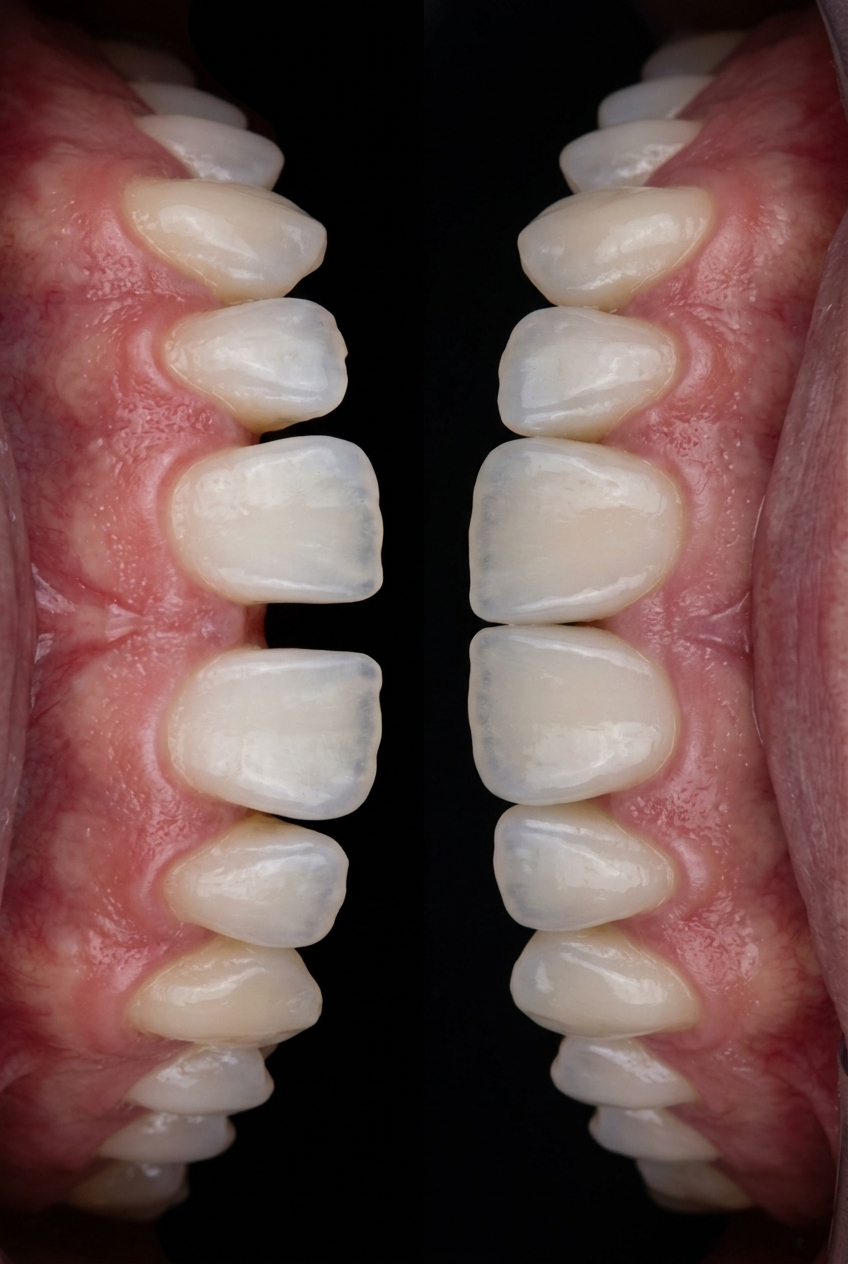
First, when the tip of the front tooth (central incisor) is pointed or uneven!
If the edge used to cut food is uneven,
the entire smile line can look irregular.
Second, when the lengths of the left and right central incisors
are slightly different.
Even a difference of about 0.5 mm
is noticeable from the front.
Third, when the natural tooth edges are refined in the final stage of orthodontic treatment
to achieve overall harmony.
Fourth, when the shape imbalance is mild,
so a laminate veneer or crown is not necessary.
Source: Google
On the other hand, if enamel discoloration is severe,
if the spaces between teeth are large,
or if the crown itself is short and needs to be lengthened,
then a different approach is needed.
This is because a procedure that reshapes enamel works by reducing the surface,
so it is not suitable for filling empty spaces or changing color.
In such cases, the Yeongdeungpo dental clinic will review alternatives such as resin or laminate veneers together and explain them.
- How Is the Treatment Process Carried Out?
Source: Google
In the treatment room, the process usually follows these steps.
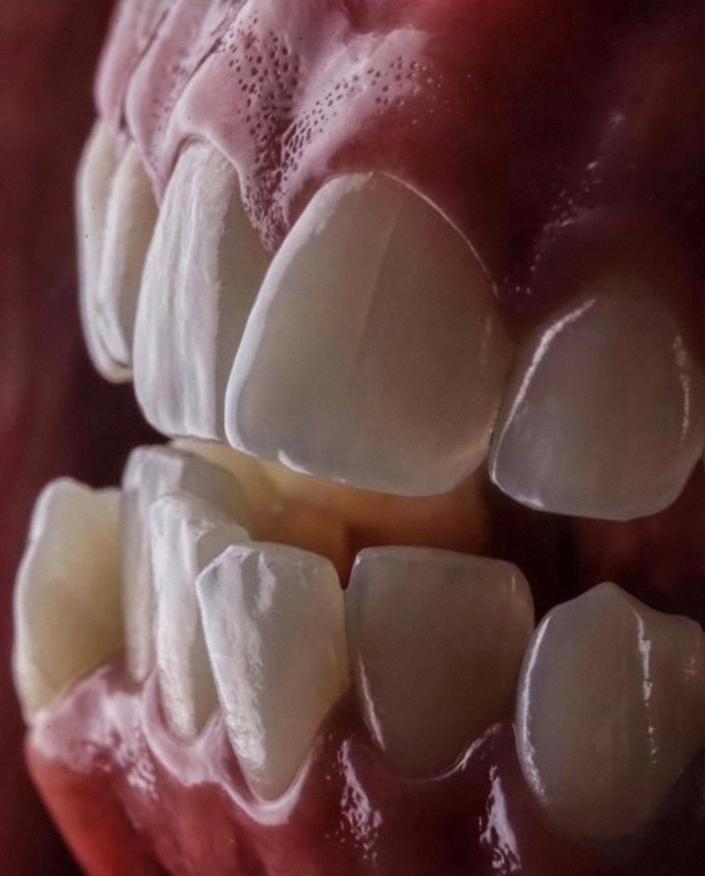
First, photos of the front teeth are taken from the front, side, and smiling views and reviewed together.
At this stage, the area the patient finds most bothersome is checked in detail—whether it is the shape of the crown tip, the difference in length, or the overall line.
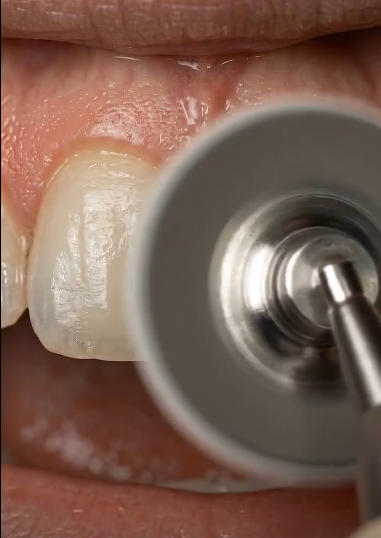
Next, the enamel surface is gradually refined with fine instruments.
The average enamel thickness is about 1–2 mm,
and in tooth contouring,
only about 0.1–0.3 mm of that is adjusted.
There is sufficient distance from the nerve inside the dentin, so lingering sensitivity is rare.
You can think of it as similar to smoothing the grain of wood with sandpaper.
Finally, the refined surface is polished smoothly,
and a finishing check is performed.
The total time required is about 15 to 30 minutes.
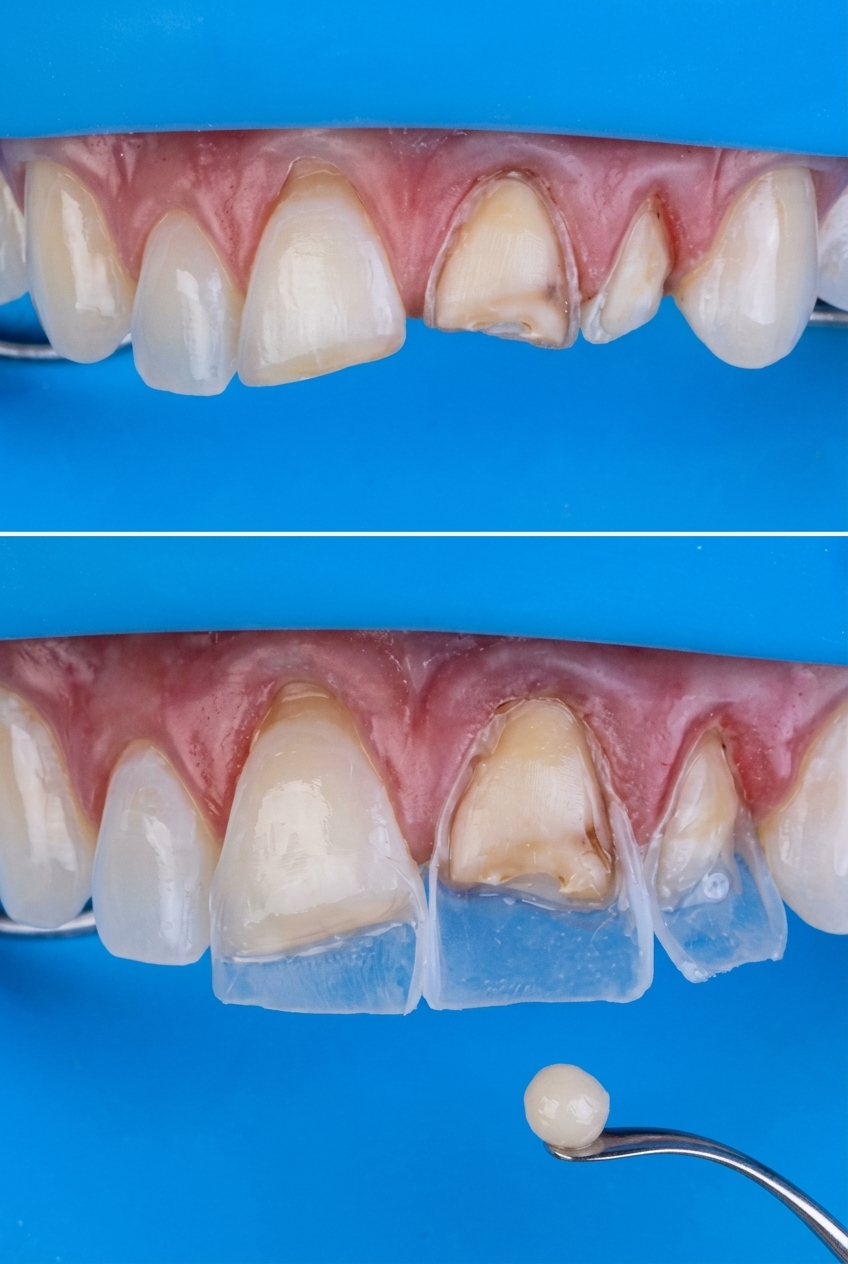
If the area is too broad for simple contouring alone, options such as adding resin to fill gaps,
or proceeding with laminate veneers or crowns,
are also considered.
Source: Google
Resin can be completed in a relatively short time, but over time it may become discolored or come off.
Source: Google
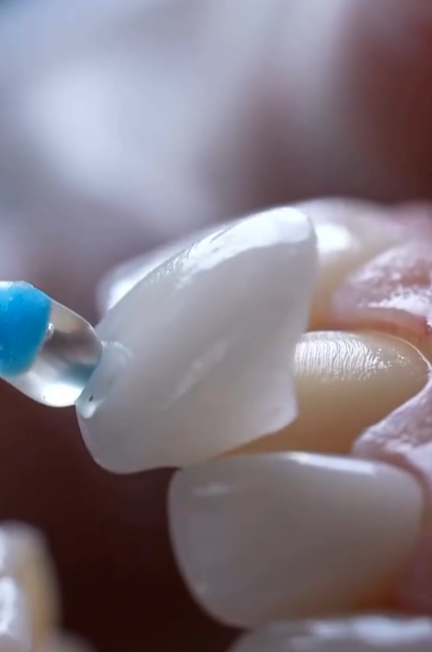
Laminate veneers use a thin porcelain attachment and are relatively good for achieving a natural color expression,
while crowns cover the entire tooth crown and are chosen when there is decay or when protection is needed.
- Precautions Before and After the Procedure
One point that the Yeongdeungpo dental clinic especially emphasizes is that once a natural tooth has been trimmed,
it does not grow back.
Therefore, you should proceed only after 충분히 discussing with the medical team how far to trim it
and to what extent it should be adjusted.
If requests such as “a little more” or “just once more” are repeated,
there is a risk of eventually going beyond an irreversible range.

Also, it is better to avoid cold drinks for a while immediately after the procedure.
Because the area has been slightly stimulated,
a temporarily sensitive feeling may appear.
In most cases it subsides within a few days,
but if discomfort continues,
it is better to visit again for a checkup.
If you usually have a habit of frequently chewing hard nuts or ice,
the refined edge may wear down or be damaged again,
so caution is also needed in terms of eating habits.
It is more stable to check the shape and surface condition through regular examinations.
- Closing Remarks
What I would like to emphasize at the Yeongdeungpo dental clinic is that concerns about the shape of the front teeth may seem small,
but they are discomforts that come to mind often in daily life.

When taking photos, standing in front of a mirror,
or meeting someone for the first time,
they often come to mind when smiling.
Tooth contouring is a treatment that can address that small discomfort
in a relatively simple way.
However, whether it is the right method for your front teeth can only be determined after directly checking the photos and oral condition.
If the shape of your front teeth has been bothering you for a long time,
it is better to decide on the direction after sufficient consultation.
I hope the content prepared today at the Yeongdeungpo dental clinic was helpful.
This has been Kim Min-young, specialist in conservative dentistry.
Thank you.