Hello,
I’m Kim Min-young, a specialist in Conservative Dentistry at a dental clinic near Yeongdeungpo-gu Office Station.
After implant surgery,
some people experience symptoms such as
swollen gums or bleeding as time passes.
These symptoms are highly likely to be related to
peri-implantitis,
and whether they occur depends on the condition of post-surgery care.
Today, through the information organized by a dental clinic near Yeongdeungpo-gu Office Station,
let’s take a look at why peri-implantitis develops
and what problems it can cause.
Why peri-implantitis develops
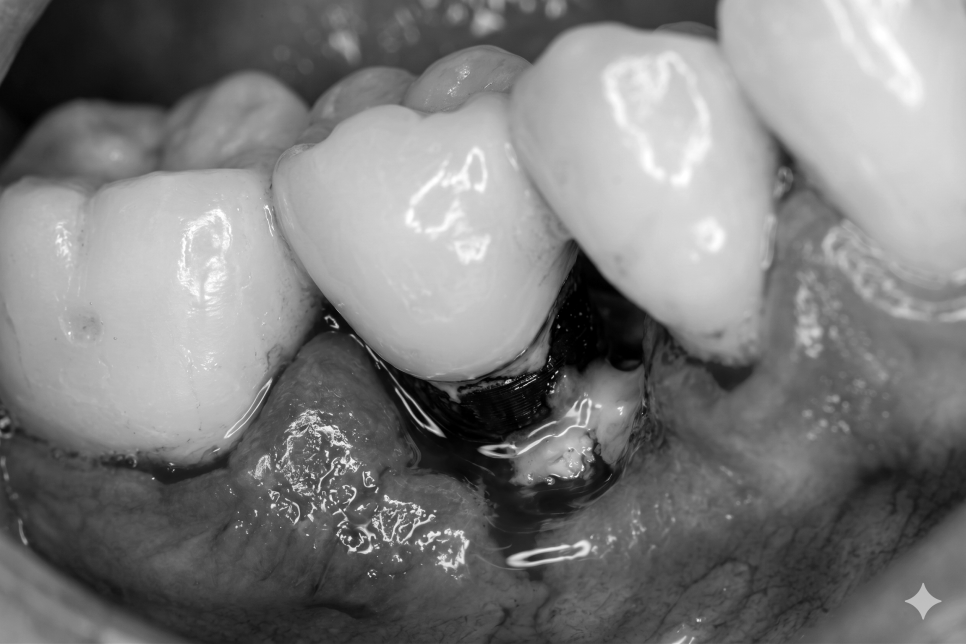
Peri-implantitis is a condition in which
inflammation occurs in the tissues around an implant.
The most common cause is poor oral hygiene,
which allows bacteria to build up.
If food debris or plaque remains in the gap
between the implant and the gums,
bacteria multiply,
and this triggers an inflammatory response.
Smoking is also a factor that increases
the risk of peri-implantitis.
It interferes with blood circulation in the gum tissue
and reduces immune function,
creating an environment that is vulnerable to bacterial infection.
The likelihood of inflammation also increases
in people with diabetes or immune disorders.
If the implant placement position or angle
is not appropriate,
a structure is formed that makes food easy to get trapped,
creating an environment where bacteria can multiply easily.
In addition, failing to receive regular checkups
and missing early signs of inflammation
is another major cause of progression to peri-implantitis.
Problems caused by peri-implantitis
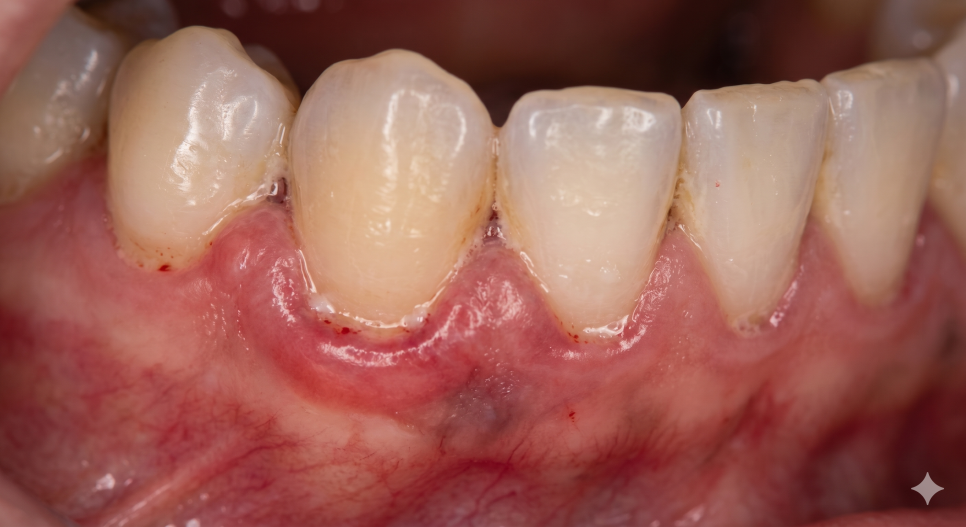
If peri-implantitis is left untreated,
progressive damage to the jawbone supporting the gums occurs.
At first, the gums may simply swell and bleed,
but over time
the inflammation spreads deeper,
and the bone tissue supporting the implant begins to resorb.
By this stage, the implant may
become loose,
or in severe cases,
fall out.
When the inflammation becomes severe,
pus may appear along with pain,
and bad breath becomes more pronounced.
As explained by the dental clinic near Yeongdeungpo-gu Office Station,
peri-implantitis does not recover on its own
and requires professional treatment.
The longer it is left untreated,
the more difficult the treatment becomes
and the greater the cost burden.
It can also affect neighboring teeth,
and in some cases even cause bone loss
around adjacent teeth.
Therefore, early detection
and early treatment are important.
How to prevent and manage peri-implantitis
To prevent peri-implantitis, horough brushing is essential.

Because it is difficult to completely clean the gap
between the implant and the gums with a regular toothbrush alone,
using an interdental brush or a Waterpik
along with brushing can be helpful.
Brush your teeth at least twice a day,
and take extra care before going to bed.
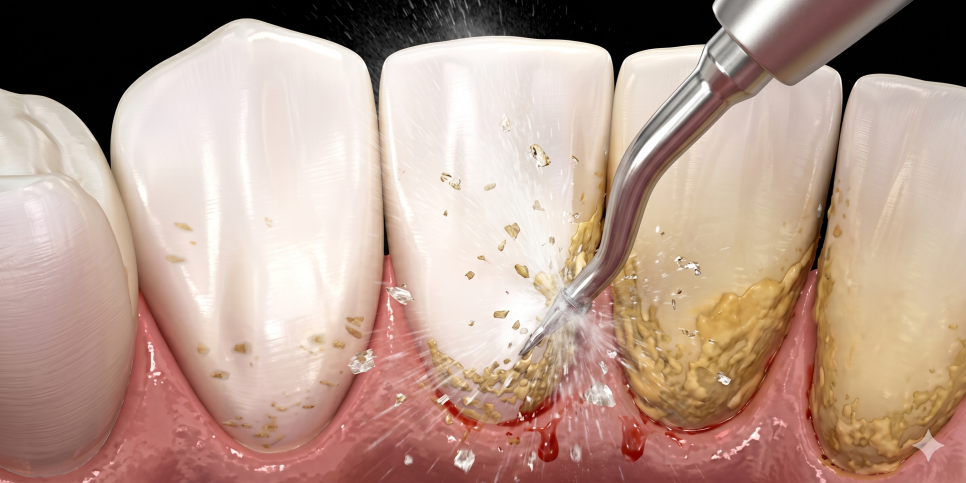
Regular scaling is also one of the important
preventive methods.
In general, it is recommended that you visit a dental clinic
once every 6 months to receive tartar removal.
As mentioned by the dental clinic near Yeongdeungpo-gu Office Station,
during regular checkups, the condition of the bone around the implant
is confirmed with X-rays to identify early changes.
Smoking has a direct negative effect
on gum health,
so it is a factor that shortens the lifespan of an implant.
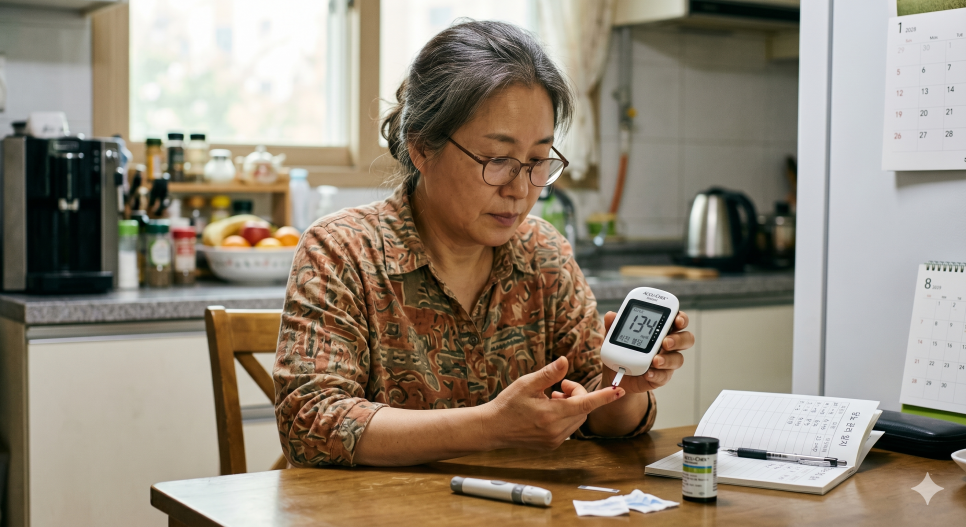
For patients with diabetes,
strict blood sugar control
helps prevent inflammation.
If peri-implantitis has already developed,
I recommend visiting a nearby medical institution
for an examination.
In the early stages,
non-surgical methods such as cleaning the inflamed area
and using antibiotics can be applied.
If it has already progressed severely,
surgical treatment may be necessary,
including incising the gums to remove inflamed tissue
and performing bone grafting.
Consistent care determines the lifespan of an implant.
An implant is not something that ends once it is placed;
it requires ongoing care.
What the dental clinic near Yeongdeungpo-gu Office Station
regards as important
is the patient’s own oral hygiene habits
and whether they participate in regular checkups.
If you manage it carefully every day
and get checked every 6 months,
you can reduce the risk of peri-implantitis.
It is also important not to leave early symptoms unattended
and to have them checked right away.
If symptoms such as bleeding gums or swelling appear,
I recommend visiting a nearby medical institution
for an accurate diagnosis.
Please refer to the information provided by the dental clinic near Yeongdeungpo-gu Office Station
and keep your implants healthy.
I’m Kim Min-young, a specialist in Conservative Dentistry at a dental clinic near Yeongdeungpo-gu Office Station.
Thank you.