Hello,
I am Min-young Kim, a dentist specializing in conservative dentistry at Dangsan Station Dental Clinic.
Have you ever woken up with your mouth feeling completely dry, or felt your throat becoming scratchy after having a long conversation?
If your mouth repeatedly feels sticky and dry even though you drink enough water, it may not simply be due to a lack of hydration.
If these symptoms persist, it is worth considering dry mouth.
Dry mouth is a condition in which saliva production decreases. It often goes beyond simple discomfort and can lead to cavities and gum problems.
Today, we will look at why dry mouth occurs and how it can affect your oral health if left untreated.
- What Saliva Does: It Is More Than Just a Digestive Fluid
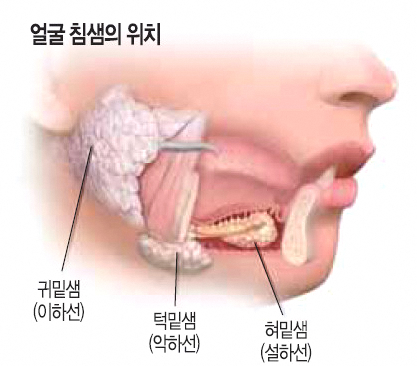
Many people think of saliva as simply a fluid needed to chew and swallow food.
However, saliva is an important defense barrier that protects the oral environment.
Saliva contains antibacterial components that inhibit bacterial growth. It also acts as a buffer, helping return the pH of the mouth, which becomes acidic after eating, to a neutral level.
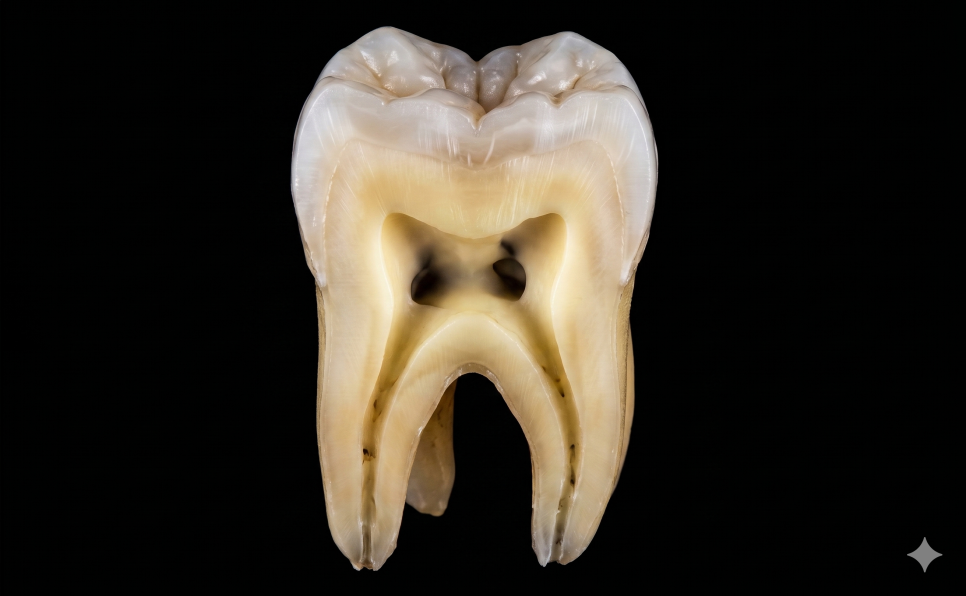
It also plays a remineralization role by helping restore early demineralization on the surface of the teeth.
A decrease in saliva means that these protective functions become weaker at the same time.
As a result, the effects may appear not simply as discomfort, but as structural damage to the teeth.
- Why Does Dry Mouth Occur?
The causes of dry mouth are more varied than you might expect.

The most common cause is medication use.
Among medications taken routinely, such as antihistamines, blood pressure medication, antidepressants, and diuretics, many contain ingredients that suppress saliva production.
This issue is particularly noticeable among middle-aged and older adults who take several medications at the same time.

Other factors, such as mouth-breathing habits, chronic stress, systemic conditions such as diabetes, and a history of radiation therapy, can also affect salivary gland function.
Aging itself is also known to gradually reduce saliva production.
For this reason, many middle-aged and older adults report symptoms of dry mouth.
- How Dry Mouth Leads to Cavities
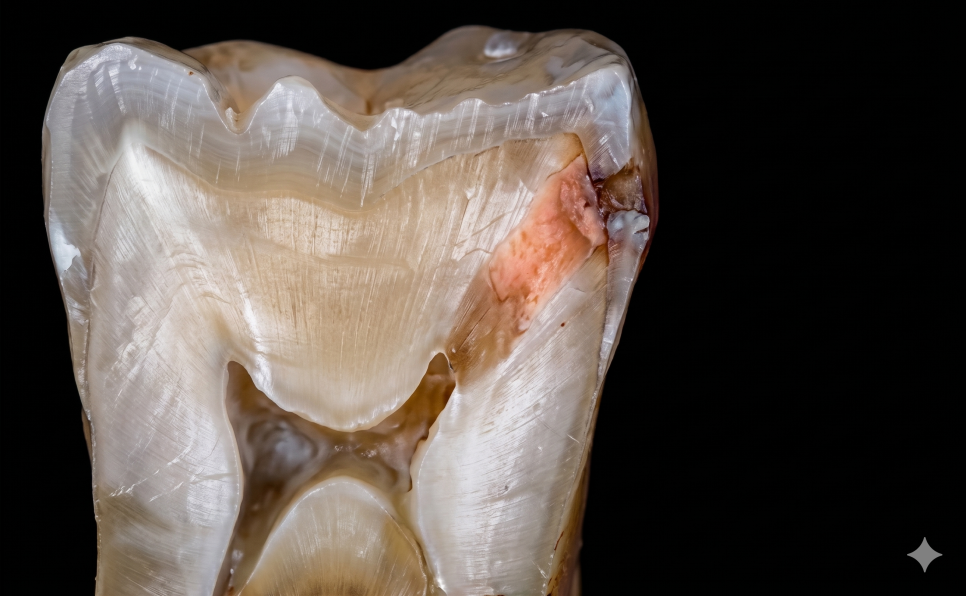
When saliva's protective functions are compromised, bacteria in the mouth multiply rapidly and produce acids as they break down sugars.
Cavities develop as these acids begin to dissolve the enamel on the surface of the teeth.
People with dry mouth are especially prone to cavities in the roots of their teeth.
This is because areas where the gums have receded expose dentin, which is weaker than enamel and therefore much more vulnerable to acid.
If a cavity becomes deep and progresses to the nerve, the situation may require root canal treatment.
A dry oral environment can also affect the mucous membranes, sometimes accompanied by bad breath, oral ulcers, and difficulty swallowing.
At Dangsan Station Dental Clinic, we believe that when cavities or gum problems repeatedly occur due to dry mouth, it is important to examine the underlying causes of the symptoms as well.
- Everyday Care and Professional Treatment

Even when it is difficult to eliminate dry mouth completely, lifestyle adjustments can sufficiently help prevent it from worsening.
Drinking small amounts of water frequently and reducing caffeine and alcohol intake are basic steps.
If you have a habit of breathing through your mouth, it is also necessary to make an effort to switch to nasal breathing.
Sugar-free gum containing xylitol or oral moisturizing sprays may help relieve dryness.
Using toothpaste with a high fluoride content can help protect enamel even in a dry environment.
If a cavity has already progressed, it is difficult to restore it through lifestyle improvements alone.
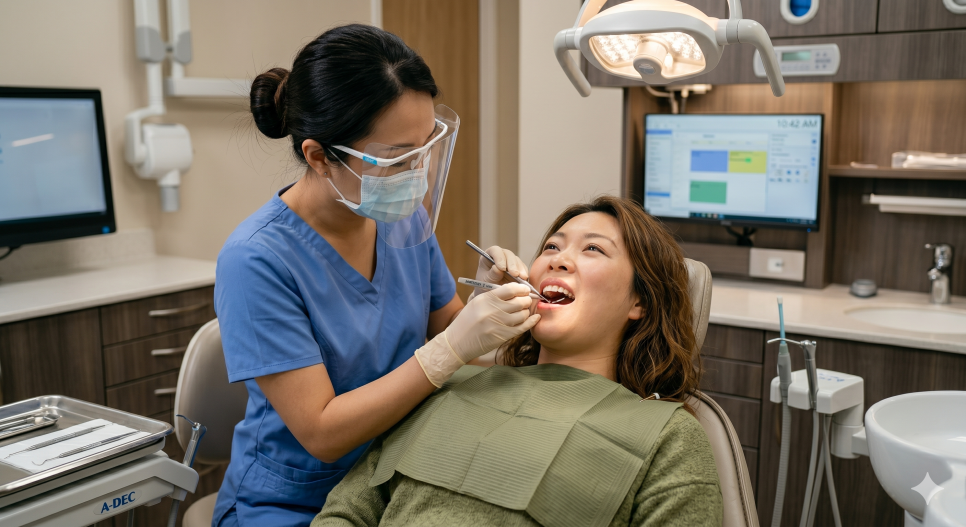
At Dangsan Station Dental Clinic, we emphasize the importance of receiving appropriate treatment according to the extent of the cavity's progression.
If the symptoms keep recurring, it is a good idea to start by identifying the cause of the dry mouth itself.
- Conclusion
Many people take frequent dry mouth symptoms lightly.
However, dry mouth is a silent risk factor that can lead to cavities and gum disease.
If the discomfort persists, we recommend visiting a nearby medical institution to have your oral condition checked.
This has been Min-young Kim, a dentist specializing in conservative dentistry.
Thank you.